By the Tunisia Tourism Guide team · Last updated 20 October 2026 · We don’t sell tours or take hotel commissions — this is independent advice, written to be useful.
Tipping is one of those things that quietly worries people before a first trip to Tunisia. Is it expected? How much is polite and how much is silly? Do you tip on an all-inclusive, where everything’s already paid for? And what on earth is a sensible amount in a currency you’ve never held before?
Tipping in Tunisia is customary but never compulsory. Tunisia’s national tourist office says around 10% is generally expected in restaurants, left in cash, and that drivers and guides are usually tipped too. Elsewhere, small amounts in dinars, a coin or two in cafés and rounding up taxi fares, go a long way.
This guide is part of our wider Tunisia travel tips. It covers how tipping works in restaurants and cafés, hotels and all-inclusives, taxis, excursions and hammams, with the amounts we’d suggest as a starting point, what they’re worth in pounds, and the situations where you don’t need to tip at all.
Tipping in Tunisia at a glance
There’s no official tipping scale in Tunisia. The restaurant guideline below comes from the Office National du Tourisme Tunisien (ONTT); the other amounts are our suggested starting points, to adjust for the service you get. Pound equivalents are at the Banque Centrale de Tunisie’s rate of 3.96 dinars to £1 on 13 October 2026.
| Situation | Our suggestion | Roughly in pounds |
|---|---|---|
| Restaurant meal | Around 10% of the bill, in cash (the ONTT’s guideline) | 10% |
| Coffee or tea in a café | Leave the small change | A few pence |
| Metered taxi | Round up to the next dinar | Up to about 25p |
| Hotel porter | 1-2 TND per bag | 25p-50p a bag |
| Housekeeping | 2-5 TND a day, left daily | 50p-£1.25 a day |
| All-inclusive bar or restaurant staff | Optional; a few dinars now and then for good service | About £1 at a time |
| Excursion guide and driver | Expected; more for a private guide than a group tour | Varies with the trip |
| Hammam attendant | A few dinars after a scrub or massage | About £1 |
| Shared louage | No tip | – |
How tipping works in Tunisia
Tunisians tip, but the culture is closer to rounding up and leaving a little extra than to the fixed percentages of North America. Nobody will chase you down the street for not tipping. But in tourist areas, service staff, guides and drivers do count on tips, and a small amount handed over with a smile and a shukran (thank you) or merci is always appreciated.
The ONTT’s own advice for visitors is short and to the point: it’s generally expected to add around 10% in restaurants, and to tip drivers and guides too. It also advises leaving restaurant tips in cash rather than adding them to your card, so that your waiter actually gets the money.
Tip in dinars, in cash
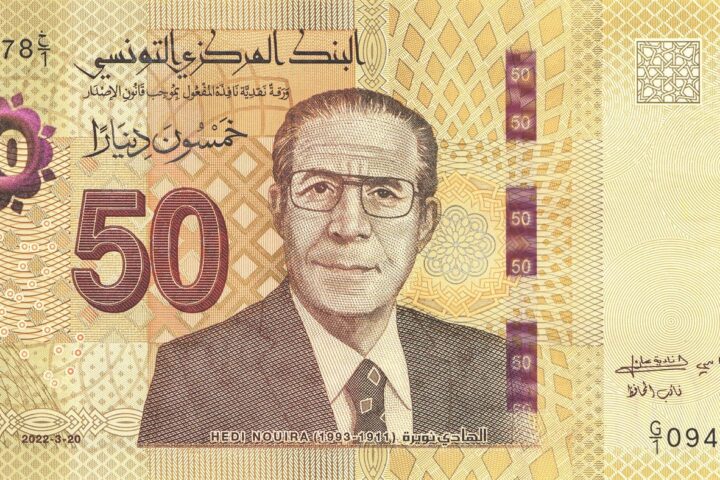
Tips should be in Tunisian dinars, and in cash. Pound or euro coins are no use to anyone, because foreign coins can’t easily be changed, and a foreign note can be more hassle than help. The dinar is a closed currency, so you’ll only get dinars once you arrive; our guide to the Tunisian dinar explains how to get them and how to change leftovers back.
The small-change problem
The trickiest part of tipping in Tunisia is having the right notes. Nobody wants to tip with a 50. Notes come in 5, 10, 20 and 50 dinars, with coins below that in dinars and millimes (1 dinar = 1,000 millimes). Break big notes early, at a supermarket, a pharmacy or your hotel reception, and keep a separate pocket or pouch of coins, 5s and 10s for tips.
What tips are worth
Some quick conversions at the 13 October 2026 BCT rate help you keep things in proportion:
| Dinars | Roughly in pounds |
|---|---|
| 1 TND | 25p |
| 2 TND | 50p |
| 5 TND | £1.26 |
| 10 TND | £2.53 |
| 20 TND | £5.05 |
A useful sense check: a tip that feels tiny in pounds can be meaningful in Tunisia, while one that seems normal by UK standards may be generous. Neither is a problem, but there’s no need to tip as though you were in London.
Restaurants and cafés
Restaurants
In sit-down restaurants, follow the ONTT’s guideline of around 10%. If the meal was 60 TND, leaving about 6 TND on the table is right; if service was poor, leave less or nothing, and if it was excellent, round up more generously. Look at the bill first, though: if a service charge has already been added, you don’t need to add 10% on top, though leaving the small change is still a nice touch.
Leave the tip in cash on the table or hand it to your waiter, even if you pay the bill by card. That’s the ONTT’s advice, and it’s the surest way of making sure the person who served you gets it.
Cafés
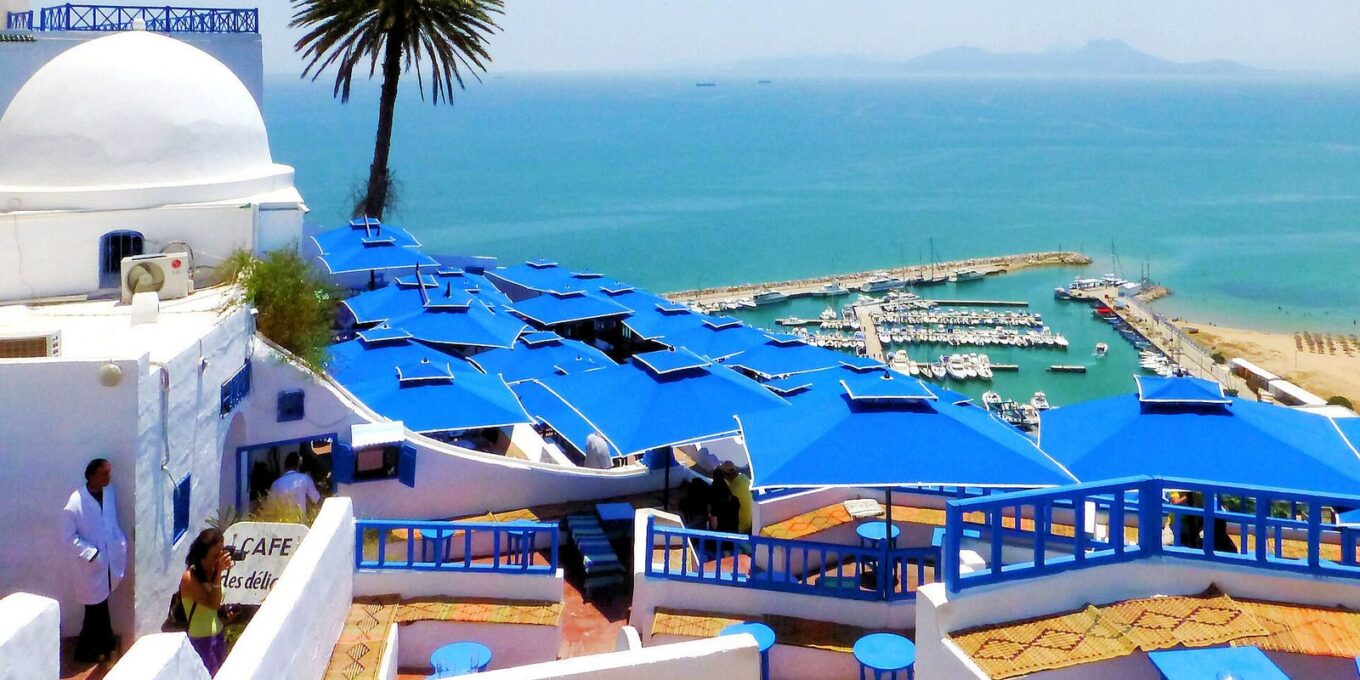
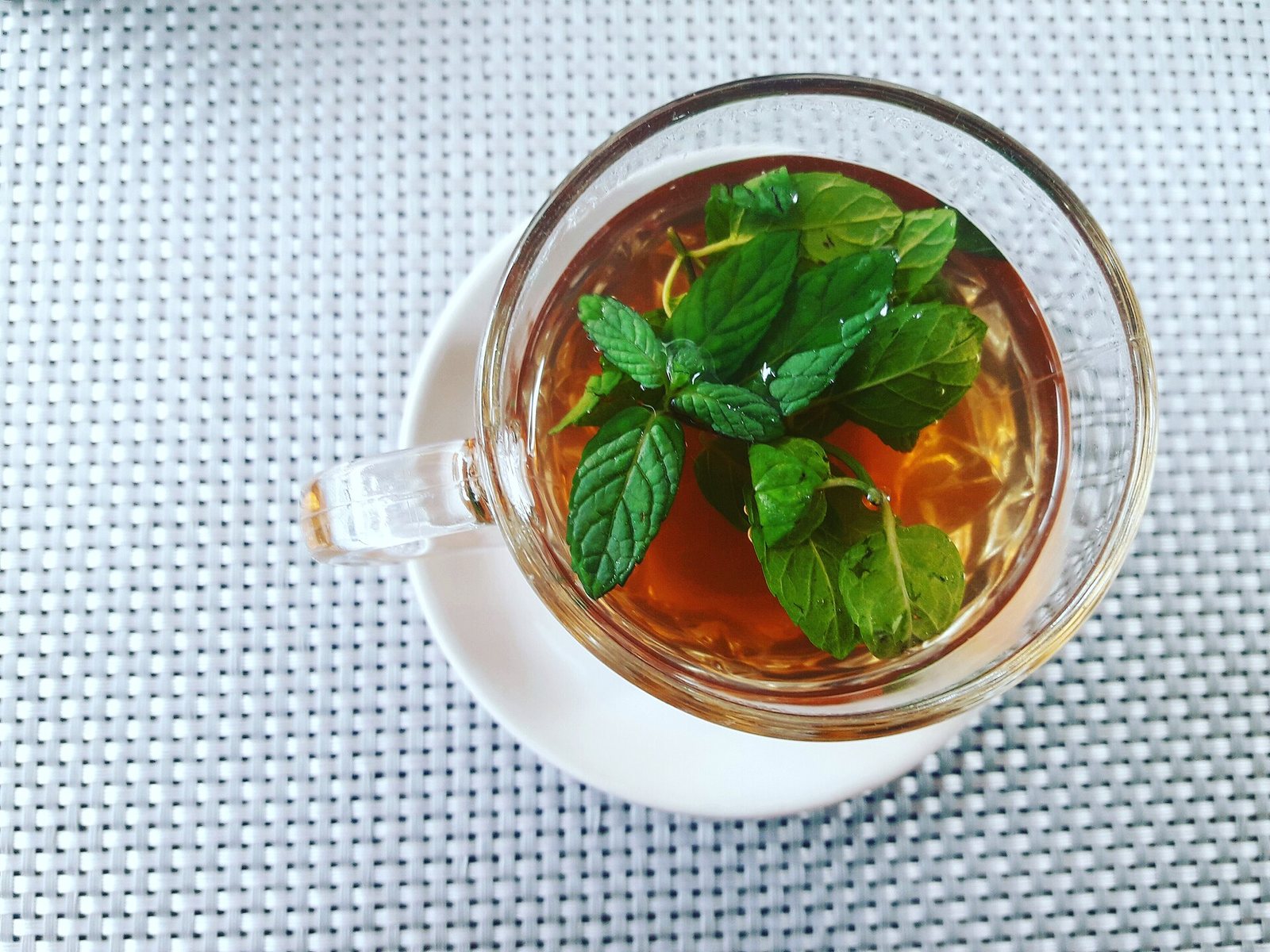
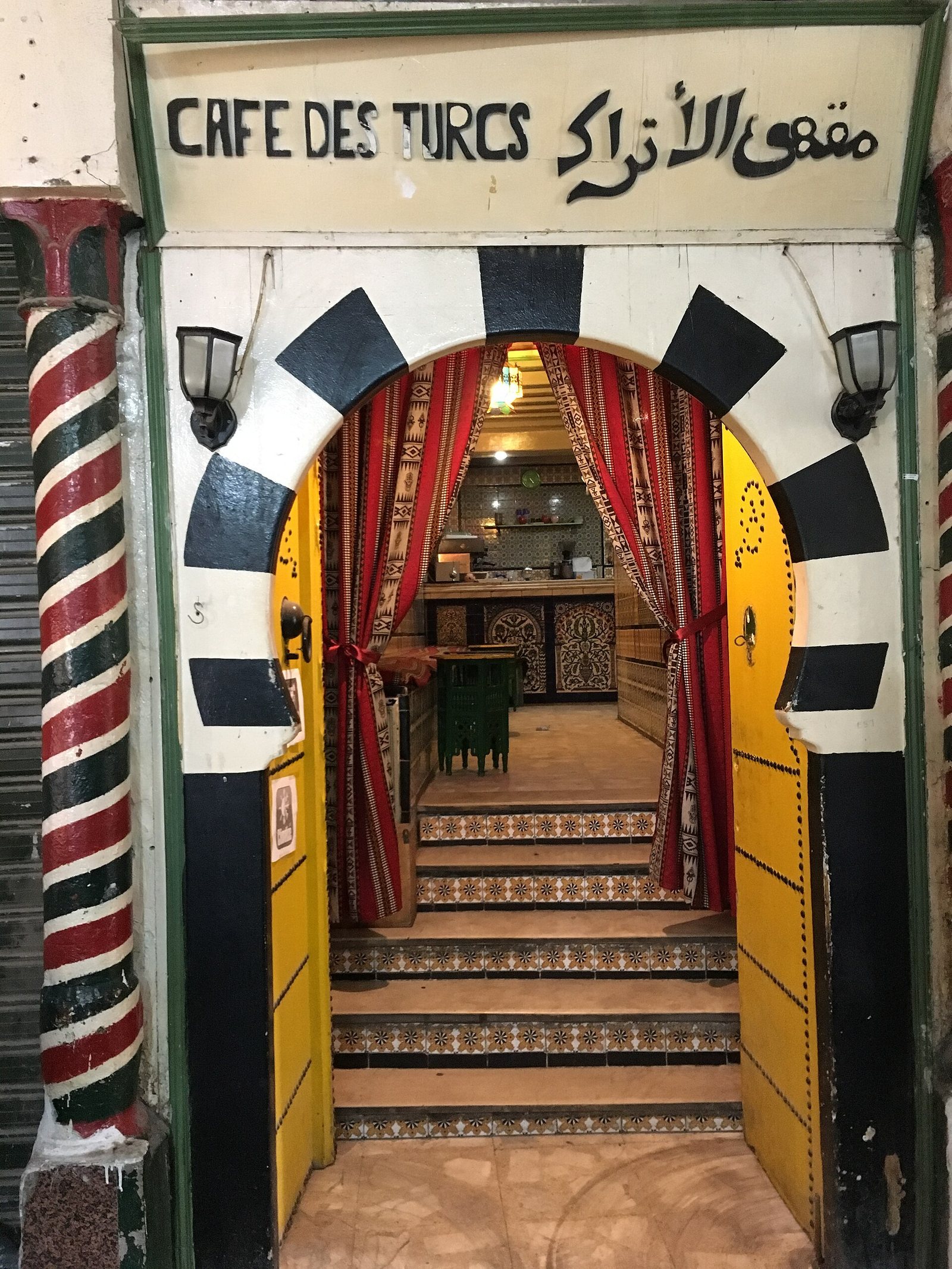
Cafés are where Tunisian life happens, and coffee and mint tea are cheap. Tipping here is about small change: leave the coins on the table or saucer, or round up the bill. Nobody expects 10% on a coffee. If you’ve spent a long afternoon at a terrace table, as at the famous clifftop cafés of Sidi Bou Said, leaving a little more is a good way to say thank you for the seat.
Street food and takeaways
No tip needed for a brik, a sandwich or a bowl of lablabi (a spicy chickpea soup) from a street stall or a counter. If you’re curious about what to order, our guide to Tunisian food has the dishes worth trying.
Hotels and all-inclusives
This is where most British visitors wonder what to do, especially on an all-inclusive where you never see a bill. There’s no rule, so use our suggestions as a starting point and follow your own judgement.
Porters
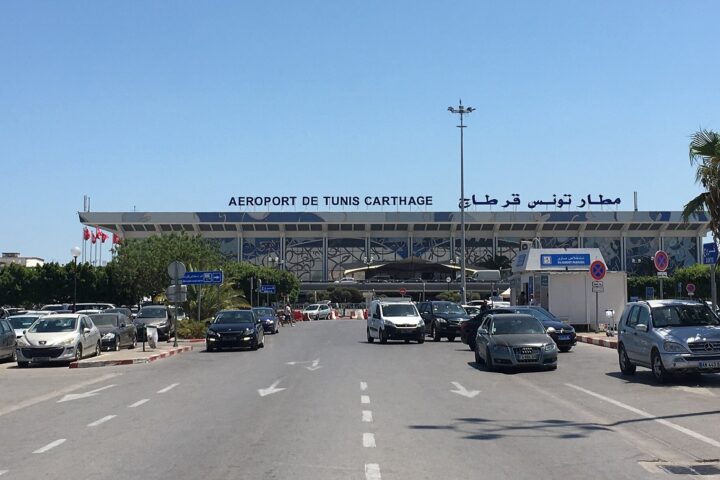
If someone carries your bags to your room, 1-2 TND per bag is a reasonable thank-you. Have a few coins ready before you arrive at the hotel, which is a good reason to change a little money at the airport.
Housekeeping
Room cleaners are among the hardest-working and least-noticed people in any resort. We’d suggest 2-5 TND a day, left daily rather than in one lump at the end, because staff rotate and the person cleaning your room on your last day may not be the one who cleaned it all week. Leave it on the pillow or with a note saying it’s for housekeeping, so there’s no doubt.
Bar and restaurant staff on an all-inclusive
On an all-inclusive, tipping the bar and restaurant staff is genuinely optional. Many guests leave a few dinars now and then for staff who look after them, or a little more for a favourite waiter at the end of the stay. Hand it over directly. What we’d avoid is the “tip to get served first” game at a busy bar: it rarely makes the service better, and it makes things awkward for guests who don’t play.
And don’t let anyone pressure you. A good all-inclusive should serve you well whether you tip or not. If you’re choosing a hotel, our guides to Tunisia all-inclusive holidays and the best all-inclusive hotels in Tunisia cover what to expect.
Other hotel staff
- Concierge or reception: no tip for routine help; a few dinars if someone goes out of their way to sort something tricky for you.
- Kids’ club and entertainment teams: optional; a small thank-you at the end of a week is appreciated if your children had a great time.
- Pool and beach attendants: optional; a dinar or two if someone sets up your loungers and parasol each day.
- Room service: a dinar or two to the person who brings it, if service isn’t already included.
The hotel tax is not a tip
Don’t confuse tipping with the hotel tax. The FCDO says Tunisia charges a tax of 8 TND per person per night at 3-star hotels and 12 TND at 4- and 5-star hotels, for up to ten nights, payable on arrival (FCDO advice, last updated 24 July 2026 and still current on 15 October 2026; always check gov.uk/foreign-travel-advice/tunisia before you book). It’s a government charge, not a gratuity for staff, and it’s separate from anything you choose to tip.
Taxis, louages and transfers
Metered taxis
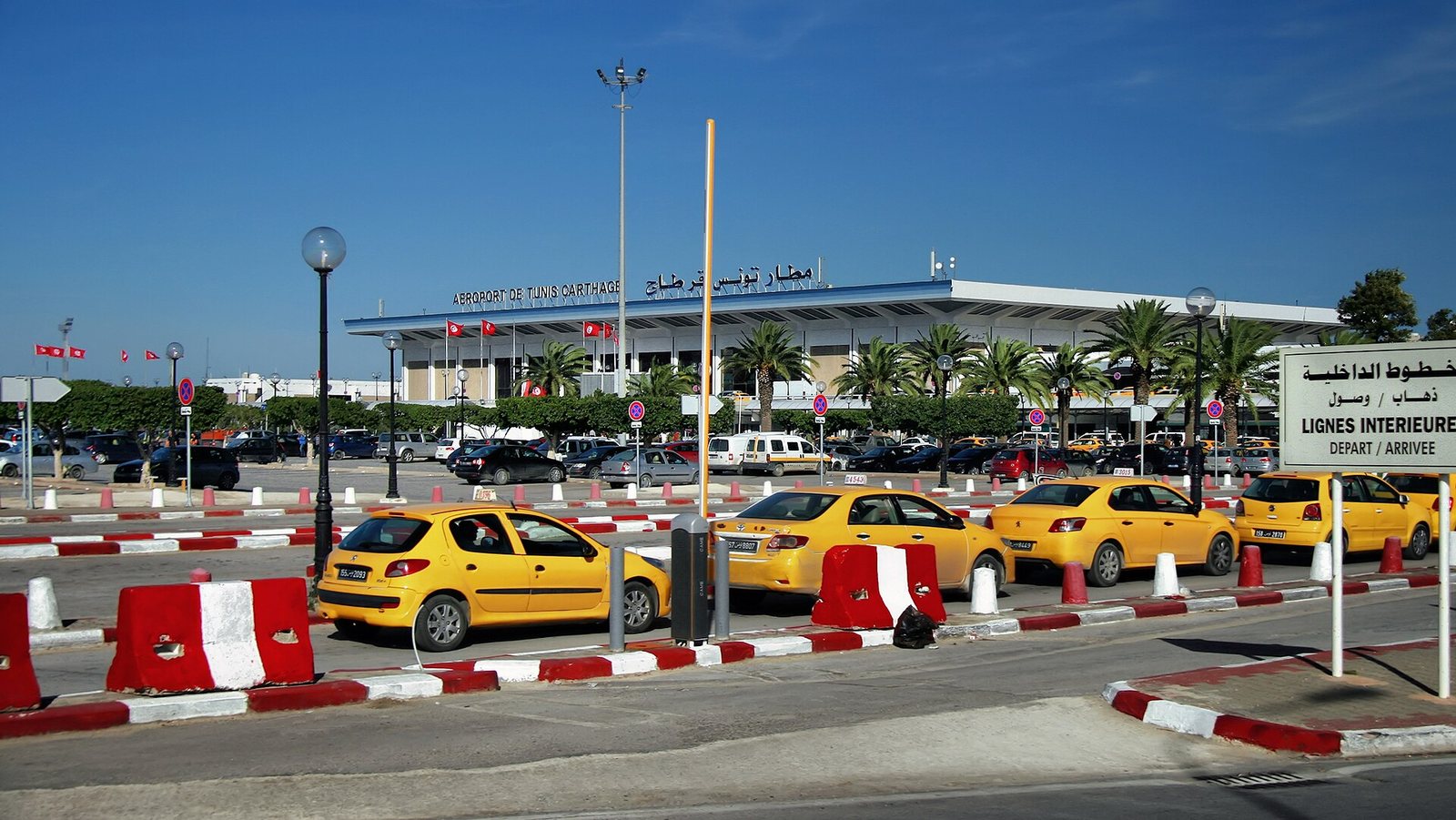
The yellow city taxis run on a meter, and the ONTT advises asking your driver to use it. Tipping is simple: round up to the next dinar, or leave a little more for a long ride, help with heavy bags, or a driver who knew a short cut through the traffic. You don’t need to add a percentage.
It helps to know what the meter is doing. The tariff set by the transport ministry, in coordination with the commerce ministry, from 15 December 2022 (reported by Mosaique FM at the time) works like this:
| Element | Tariff set on 15 December 2022 | Roughly in pounds |
|---|---|---|
| Starting fare on the meter | 900 millimes | About 23p |
| Distance | 46 millimes per 79 metres | – |
| Waiting time | 46 millimes per 18 seconds | – |
| Luggage over 10kg and 45cm in one dimension (Enfidha airport taxi tariff) | 1 TND per piece | About 25p |
| Night (21:00-05:00) | +50% | – |
| Airport pickup supplement at Enfidha, added to the metered fare | 4.500 TND | About £1.14 |
A fare increase has been under discussion, so the tariff may have changed since; the figures on the meter’s tariff card are what count. The ONTT also warns that you might be charged extra for luggage or travel at night, so a higher fare late in the evening isn’t necessarily a scam, and it’s not a reason to skip the round-up.
Taxis are generally cash-only, so keep smaller notes handy. Our guide to getting around Tunisia covers taxis and the tricks to avoid, and common Tunisia scams explains the “meter’s broken” routine.
Louages
Louages, the shared minibus taxis that link Tunisian towns, have fixed fares per seat. There’s no tipping; you just pay your fare.
Private transfers and drivers
If you’ve booked a private airport transfer or a car and driver for the day, the ONTT’s advice that drivers are usually tipped applies. For a transfer, a few dinars is fine, more if the driver helped with a lot of luggage. For a full day with a driver who has waited at every stop, a more generous tip at the end of the day is appropriate.
Guides and excursions
Guides are one of the groups the ONTT specifically says to tip. How much depends on the trip.
- Group excursions from your resort: on a coach day trip to El Jem, Carthage or the desert, the guide and the driver will usually both expect something. A few dinars each per person in your party, handed over at the end, is a sensible amount.
- Private guides: agree the fee clearly before you start. If they’re excellent, add a tip on top at the end; it should reflect the length of the day and how good they were.
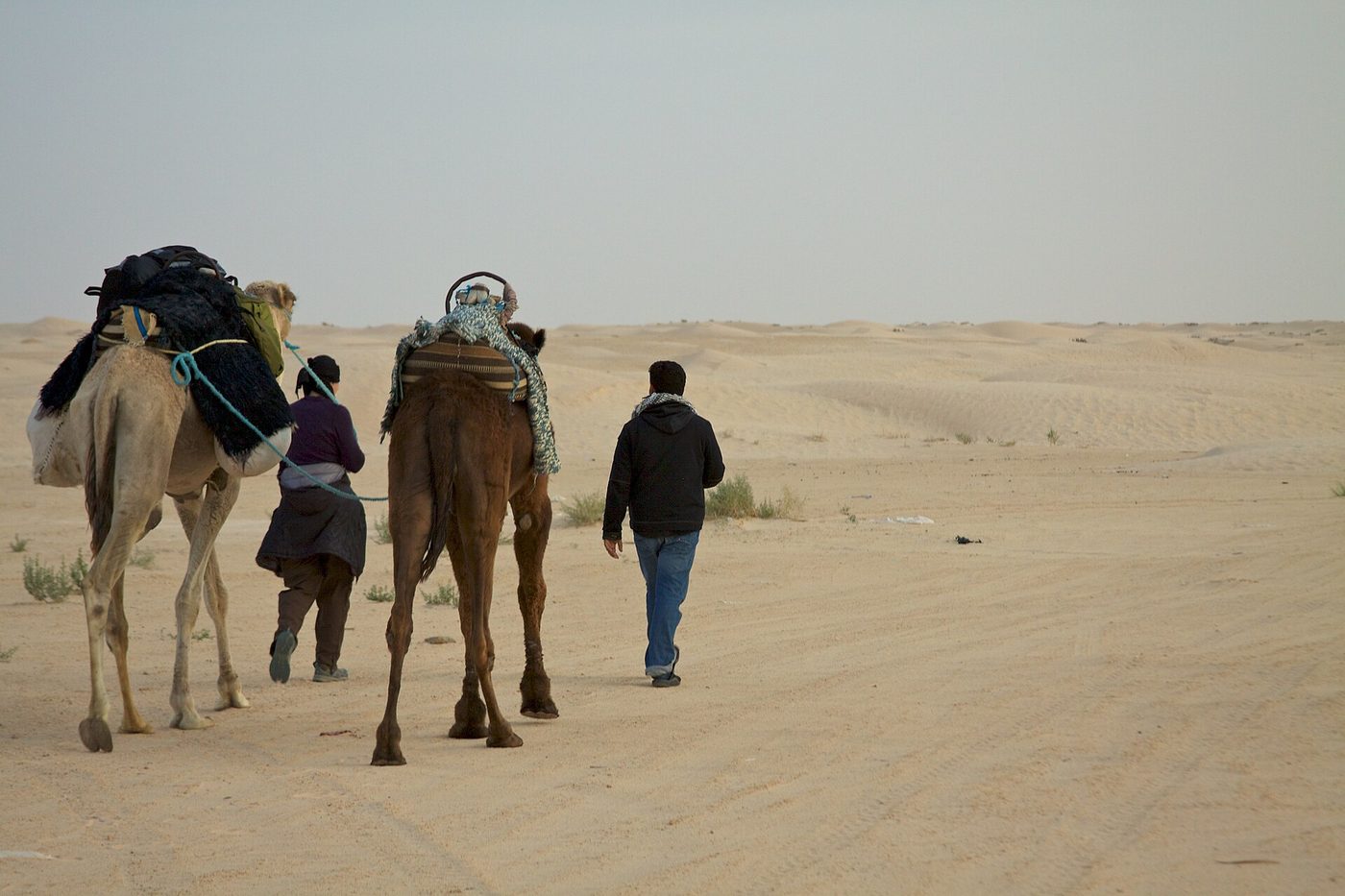
- Sahara trips: camel handlers, desert guides and camp staff are part of any overnight in the dunes. Our guide to camel trekking in Tunisia covers what to expect, and a tip at the end of the trek is normal and appreciated.
- Guides at site entrances: at some archaeological sites and medinas, people offer to guide you. Agree the fee up front, and remember you can always say no. Our guide to the best excursions in Tunisia explains which trips are worth booking.
If a tour price says tips are included, you don’t need to add more, though many people still give something to an outstanding guide.
Hammams, spas and thalasso
A visit to a hammam, the traditional steam bath, often includes a scrub with a rough glove, known as a kessa, and sometimes a massage. If an attendant scrubs or massages you, a few dinars afterwards is a kind gesture. In hotel spas and thalasso centres (thalassotherapy, sea-water spa treatments), check whether service is included on the bill; if not, a small tip for your therapist is appreciated but optional.
Everyday situations
- Parking attendants: in some towns, people watch over parked cars and ask for a small coin when you leave. A dinar is usually enough; where there’s an official parking charge with a ticket, just pay that.
- Toilet attendants: in some cafés, stations and service areas, someone looks after the toilets; leave a coin.
- Airport porters: if someone takes your trolley or bags at the airport, a dinar or two is fair; agree first if they look like they’ll expect more.
- Hairdressers and barbers: rounding up is enough.
- Photographs: if you take a picture of someone in traditional dress, or of a working camel, a small payment may be expected. Ask first and agree.
- Shops and souks: no tipping when you buy something; just haggle politely where prices aren’t marked.
When you don’t need to tip
- When service has been poor or rude. A tip is a thank-you, not a fee.
- When a service charge is already on the bill, beyond leaving the small change.
- On louages, buses and trains.
- At shops, supermarkets and market stalls.
- When someone offers unrequested “help”, such as guiding you to a shop you didn’t ask to see. A firm “la, shukran” (no, thank you) is fine.
One gentle warning: in the busiest tourist areas, some people use the idea of a tip to pressure visitors, for example a “guide” who attaches himself in a medina and then asks for money. You’re not obliged to pay for help you didn’t ask for. If you’re unsure, our guide to whether Tunisia is safe covers the common hassles and how to handle them politely.
A rough tipping budget for a week
To give you a feel for the totals, here’s what a couple on a seven-night all-inclusive might spend if they followed our suggestions, with one coach excursion and a few taxi rides. It’s an illustration, not a target.
| Item | Our example | Total |
|---|---|---|
| Porter on arrival and departure | 4 bags x 1.5 TND, twice | 12 TND |
| Housekeeping | 3 TND a day x 7 days | 21 TND |
| Bar and restaurant staff | A few dinars every other day | 20 TND |
| Excursion guide and driver | One day trip, for two people | 20 TND |
| Taxis and cafés | Rounding up and small change | 10 TND |
| Total | 83 TND, about £21 |
Spend more on an independent trip with lots of restaurant meals, where 10% of each bill adds up, or on a private-guided tour. Either way, tips are a small part of the cost of a holiday in Tunisia.
Practical tips for tipping
- Get small notes early. Ask for some 5s and 10s when you change money, and break 50s at supermarkets.
- Keep a tip pouch. A separate pocket of coins and small notes saves fumbling with your wallet.
- Tip in dinars, never in foreign coins.
- Hand it over directly where you can, with a “shukran“.
- Check the bill for a service charge in restaurants.
- Use your judgement. These are customs, not rules; tip for good service and don’t feel guilty about skipping poor service.
- Spend down at the end. Tips on your last day are a good way to use up dinars you can’t take home.
Tipping in Tunisia: frequently asked questions
Is tipping expected in Tunisia?
It’s customary rather than compulsory. Tunisia’s national tourist office says around 10% is generally expected in restaurants and that drivers and guides are usually tipped too. Elsewhere, tipping is about small amounts: leaving change in cafés, rounding up taxi fares, and a few dinars for porters and hotel housekeeping.
How much should I tip in a Tunisian restaurant?
Around 10% of the bill, following the Tunisian tourist office’s guidance. Leave it in cash rather than adding it to a card payment, so it reaches your waiter. If a service charge is already on the bill, there’s no need to add 10%, though leaving small change is a nice gesture.
Should I tip on an all-inclusive in Tunisia?
It’s optional. Many guests leave a few dinars now and then for bar and restaurant staff who look after them, and a little each day for housekeeping. Hand tips over directly and don’t feel pressured: a good hotel should serve you well whether you tip or not.
How much do you tip hotel housekeeping in Tunisia?
There’s no official figure. We’d suggest 2-5 TND a day (roughly 50p to £1.25), left daily with a note rather than as one sum at the end, because the person cleaning your room may change during your stay.
Do you tip taxi drivers in Tunisia?
A small round-up is normal: take the metered fare to the next dinar, or a little more for help with luggage or a long ride. Ask for the meter, as the tourist office advises. Supplements can apply for luggage and for night travel, so a higher late-night fare isn’t a reason to skip the tip.
Do you tip tour guides in Tunisia?
Yes. The national tourist office says drivers and guides are usually tipped. On a group coach trip, a few dinars per person each for the guide and driver is normal; for a private guide, agree the fee first and add a tip at the end if they were good. Skip it if the tour includes tips.
Can I tip in pounds or euros in Tunisia?
It’s best not to. Foreign coins are no use to anyone and foreign notes are a hassle to change. Tip in Tunisian dinars, which you get on arrival from ATMs, banks or exchange counters, and keep small notes and coins aside for tipping.
How much is a good tip in Tunisia in pounds?
Small amounts go a long way. At the October 2026 exchange rate, 1 dinar is about 25p, 5 dinars about £1.26 and 10 dinars about £2.53. A dinar or two for a porter, small change in a café and around 10% in restaurants are all sensible starting points.
Do I need to tip in a hammam?
If an attendant gives you a scrub (kessa) or massage, a few dinars afterwards is appreciated but not required. In hotel spas and thalasso centres, check whether service is included on the bill before adding anything.
Final thoughts
Tipping in Tunisia is relaxed, sensible and cheap by British standards. Keep a pocketful of small dinars, leave around 10% in restaurants, round up taxis and coffees, look after the people who clean your room and carry your bags, and give something to a guide or driver who made your day. Beyond that, trust your own judgement: a thank-you, in whatever form, is never taken for granted.
For the money side, read our guide to the Tunisian dinar and its closed-currency rules, brush up on the rest of our essential advice for Tunisia, or plan your days out with the Tunisia excursions guide.
Written by the Tunisia Tourism Guide team — an independent UK-focused guide to travelling in Tunisia. We don’t sell tours or take hotel commissions. Prices and advice were checked at publication; always confirm current details before you book.
Photo credits
All images via Wikimedia Commons, used with thanks: A glass of Tunisian mint tea © Emna Mizouni (CC BY-SA 3.0); The entrance of the Cafe des Turcs, Tunis © Mohatatou (CC BY-SA 4.0); Yellow taxis at Tunis-Carthage airport © Jorge Franganillo (CC BY 3.0); A cafe below the Hammamet medina walls © Jeanhousen (CC BY-SA 4.0); Cafe terraces at Sidi Bou Said © Mietek Ł (CC BY-SA 3.0).