By the Tunisia Tourism Guide team · Last updated 2 July 2026 · FCDO advice last updated 23 February 2026, re-checked word for word 2 July 2026 (unchanged) · We don’t sell tours or take hotel commissions — this is independent advice.
Almost every review that mentions a Tunisia “scam” is really describing the same handful of set pieces: the taxi meter that’s mysteriously broken, the mint tea that turns into a carpet you never wanted, the friendly stranger who “works at your hotel.” Learn the dozen routines and their tells and the whole thing stops being intimidating — it becomes a slightly repetitive game you already know the answers to. So here’s the honest field guide, with a “how it works / how to avoid” rhythm for each and a polite decline script you can actually use.
Most Tunisia scams are wallet problems, not safety problems — overcharging and hard-sell pressure aimed at your holiday money, not your person. The usual suspects are broken-meter taxis, the carpet-shop tea routine, fake “I work at your hotel” guides, and the romance long game locals call bezness. A firm, smiling “la, shukran” defuses almost all of them.
Before the details, one reassurance worth banking: this is petty commercial hassle, and it sits inside a country that’s genuinely safe for the places tourists go. We lay out the full, date-stamped picture in our guide to whether Tunisia is safe for tourists, and it’s the FCDO’s own crime section that frames it best — the majority of visits are unaffected by crime, and the commonest issue is simple theft. Keep that proportion in mind as you read: annoying, yes; dangerous, very rarely.
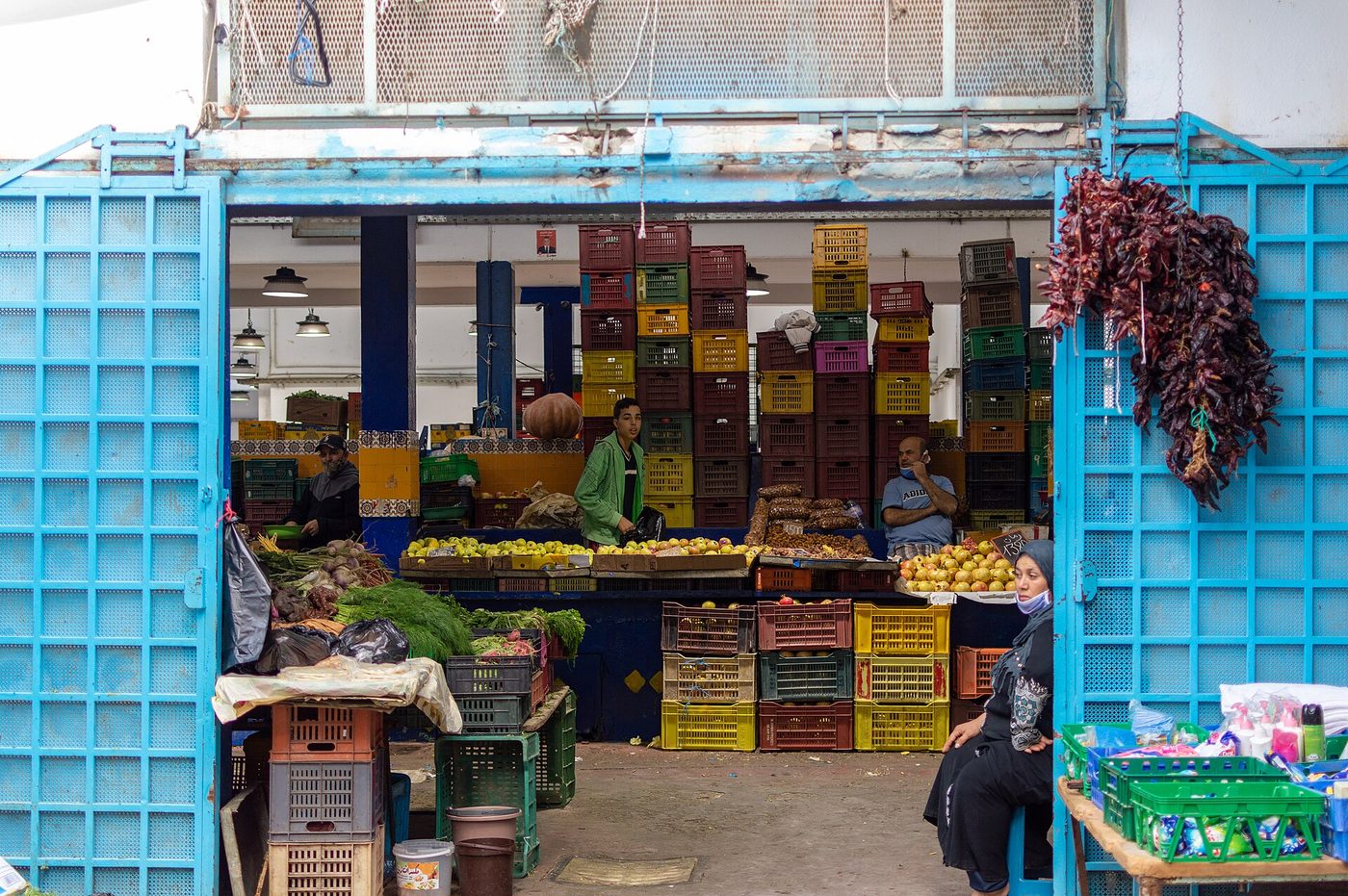
The Tunisia scams cheat sheet
If you read nothing else, photograph this table. It’s every common routine in one glance, with the counter-move.
| The scam | How it works | Your move |
|---|---|---|
| Broken-meter taxi | “Meter’s broken” → inflated flat fare, or a fast-running meter | Insist on the compteur, or agree the fare before you get in |
| Carpet-shop tea | Free mint tea → high-pressure sell at 5–10x value | Decline the tea, or set a firm budget and be ready to walk out |
| “I work at your hotel” | Fake familiarity → steers you to a commission shop | “Which one? What’s my room number?” then “la, shukran” |
| Self-appointed guide | “Free” tour of the medina → ends in a shop, then a fee | Decline firmly; use a licensed guide or your own map |
| Free-then-pay photo/ride | Camel, quad or a monkey/falcon photo “free” → charged after | Agree the price out loud first, or don’t engage |
| Henna & “gifts” | Henna dab or trinket pressed on you → payment demanded | Don’t accept anything placed in your hand; keep walking |
| Short-change / rate trick | Wrong change, or a dodgy “exchange rate” in a shop | Count change; change money only at banks/official bureaux |
| Bezness (romance) | Whirlwind romance → requests for money, phone, visa, marriage | Enjoy it if genuine; never send money once home |
Notice the shape of it: nearly every entry ends with money leaving your pocket by persuasion, not force. That’s the reassuring headline of this entire guide. Now, the routines in full.
Taxi scams: the broken meter and its cousins
The most common gripe by a distance, and the easiest to defeat once you know the moves. Tunisian city taxis are yellow and metered, and a fair fare is genuinely cheap — a hop across town is a few dinars. The problem is the tourist surcharge dressed up as a mishap.
How it works
You climb in, and the driver announces the meter’s “broken,” or simply doesn’t switch it on, then quotes a flat fare pitched at two, three, four times the real cost. Variations include a meter that gallops suspiciously fast, a scenic “detour,” a sudden night-rate applied at noon, or the classic airport pounce — drivers touting inside arrivals at Tunis–Carthage who’ll ask 30–50 dinars for a trip the meter would bring in around 10–15 (hedge that — check the current rate). Hotel-arranged taxis are a softer version of the same thing: convenient, but often double the street price.
How to avoid it
- Insist on the compteur. A pleasant “compteur, s’il vous plaît?” as you get in. If the driver refuses, get out and wave down the next one — there’s always another.
- Or agree the fare first. If the meter genuinely isn’t happening, settle the number out loud before you move, not on arrival.
- Use the app in Tunis. There’s no Uber, but Bolt works in greater Tunis and removes the negotiation entirely. It’s our default for the capital.
- Skip the arrivals-hall touts. At the airport, walk to the official rank outside rather than taking the first insistent offer indoors.
- Carry small notes. Handing over a big bill invites a “no change” shrug that quietly rounds the fare up.
The script: “Compteur, please.” / “No thank you — how much before we go?” / and if it’s silly, a cheerful “la, shukran,” step out, next taxi. Shared intercity louages (minibuses) can also over-quote tourists; the fix is the same — know they run to a set fare and ask a fellow passenger or the station what it should be. Our full guide to getting around Tunisia has the transport detail, fares and app tips.
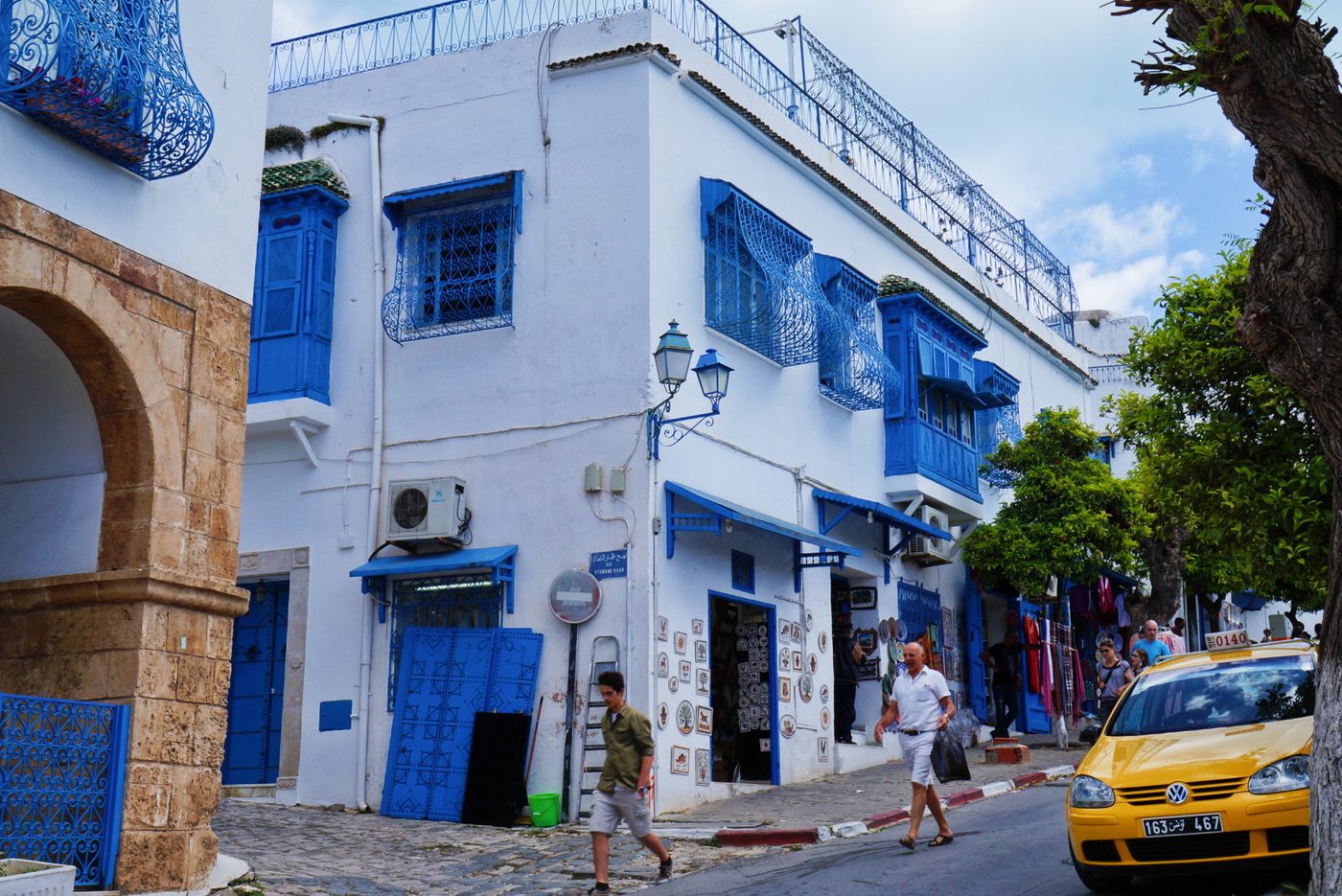
The carpet shop and the mint-tea routine
A rite of passage in the souks, and worth understanding rather than fearing — because the tea is genuinely nice and the pressure is genuinely relentless, and knowing which is which lets you enjoy the first and sidestep the second.
How it works
A friendly shopkeeper (or a “guide” who’s steered you there — more on him next) invites you up to a rooftop or into a back room for a free glass of mint tea. It’s warm, it’s welcoming, and it’s the opening of a long, practised sale. Out come the carpets, unrolled one after another, with a story about each — a family heirloom, a rare Berber weave, made by his grandmother. Then the price: a rug worth a couple of hundred dinars pitched at a thousand or more, five to ten times a fair figure. The tea, the time spent, the flattery and the theatre are all engineered to make walking away feel rude, which is precisely the point.
How to avoid it
You don’t have to avoid the souks — they’re a highlight, and haggling is a genuine, enjoyable part of the culture, not a con in itself. You just enter with clear rules:
- Decide before you sip. If you have zero intention of buying, a warm “la, shukran” to the tea keeps you free to browse and leave. Accepting the tea isn’t a contract, but it does raise the social pressure.
- Set a hard budget and name it. If you might buy, decide your ceiling in advance and stick to it. Opening prices are theatre; a fair sale often lands at a third to a half of the first number, sometimes less.
- Be ready to walk. The single most powerful move in any souk is a genuine walk toward the door. Prices fall fastest at the threshold.
- Ignore the emotional story. Heirloom, grandmother, “special price just for you” — it’s sales patter, not fact. Buy the rug because you love it at a price you’re happy with, or don’t buy it.
- Never feel guilty. Their time isn’t your debt. Leaving empty-handed is completely normal and they move straight to the next visitor.
The same rhythm applies to pottery, “antique” trinkets, leather and spices. Enjoy the ritual, set your number, keep your feet ready. For more on the etiquette behind the bargaining, our Tunisian culture guide is a friendly primer.
“Hello, remember me? I’m a waiter from your hotel”
The fake-familiarity classic, and once you’ve heard it once you’ll spot it a mile off — it’s almost a Tunisian tradition at this point.
How it works
A friendly man intercepts you on the street near your hotel or in the medina: “Hello! Do you remember me? I work at your hotel — reception, the bar, the restaurant!” Warm, disarming, and designed to borrow the trust you’d give a member of staff. From there he’ll walk with you, chatting, and gently steer you toward “a shop my cousin owns” or “a craft cooperative, no pressure, just looking” — where he collects a commission of 20–30% on anything you buy. Sometimes it’s a supposed one-day-only “Berber market” or “festival” that only he can take you to.
How to avoid it
- Call the bluff gently. “Oh, which restaurant? What’s my room number?” The vagueness gives it away instantly, and the game usually ends there.
- Don’t follow. Any “special shop,” “cousin’s place” or “cooperative” a street-met stranger wants to take you to is a commission run. Decline and carry on.
- Hide the hotel wristband. That coloured band is a billboard for this exact approach. A sleeve over it in town removes the hook.
- Keep the reply short. A smiling “la, shukran” and steady walking closes it. You don’t owe an explanation, and engaging just extends the pitch.
None of this is menacing — it’s commercial, not criminal — but it can wear you down over a week if you let each one become a conversation. Treat it as background noise and it fades fast.
Fake and self-appointed guides
How it works
At the gates of a medina or the entrance to a big site, a man offers to show you “the real old town,” “a local craft co-op” or “the parts tourists never see,” often insisting it’s free and he’s just being hospitable. He walks you through a genuinely interesting lane or two, then delivers you — inevitably — into a carpet or leather shop where he earns his cut, and/or turns round at the end and asks for a “tip” far larger than the tour was worth. At ticketed sites, self-styled “guides” may also imply you can’t enter without them, which is untrue.
How to avoid it
- Decline at the gate. A firm “la, shukran, I’m fine on my own” before you engage is far easier than shaking someone off halfway round.
- Use an official guide if you want one. Book through your hotel, a reputable operator or the site’s own ticket office — a proper licensed guide is worth every dinar and there’s a clear price up front.
- Know you can enter alone. You don’t need an escort to buy a ticket or walk a medina. Our excursions guide flags the trips genuinely worth taking with a real guide.
- If one attaches anyway, agree a price out loud before he does anything, so there’s no “tip” ambush at the end — or simply peel off into a shop or café.
“Free” photos, camel rides and quad bikes
How it works
The word “free” is doing a lot of dishonest work here. Someone plonks a falcon, a monkey or a snake on your shoulder for a “free” photo — then demands payment to remove it and hand your phone back. A camel or quad “just for a quick photo, no charge” becomes a fee once you’re aboard. A “free” sample, sprig of jasmine or festival trinket is followed by an outstretched palm. It’s the oldest structure in the book: give first, invoice second, bank on your not wanting a scene.
How to avoid it
- Nothing is free — assume a price. If you actually want the camel ride or the photo, that’s fine; just fix the number out loud, for the whole party, before anything starts.
- Don’t let them load you up. Keep the animal, the henna cone and the “gift” at arm’s length. Once it’s on your shoulder or in your hand, you’ve lost the negotiating position.
- Book activities properly. A camel trek or quad session arranged through your hotel or a real operator has a set price and actual insurance — worth checking your travel policy covers quads and camels, as they’re classic exclusions.
- Walk on. A cheerful “la, shukran” and momentum solves the street version every time.
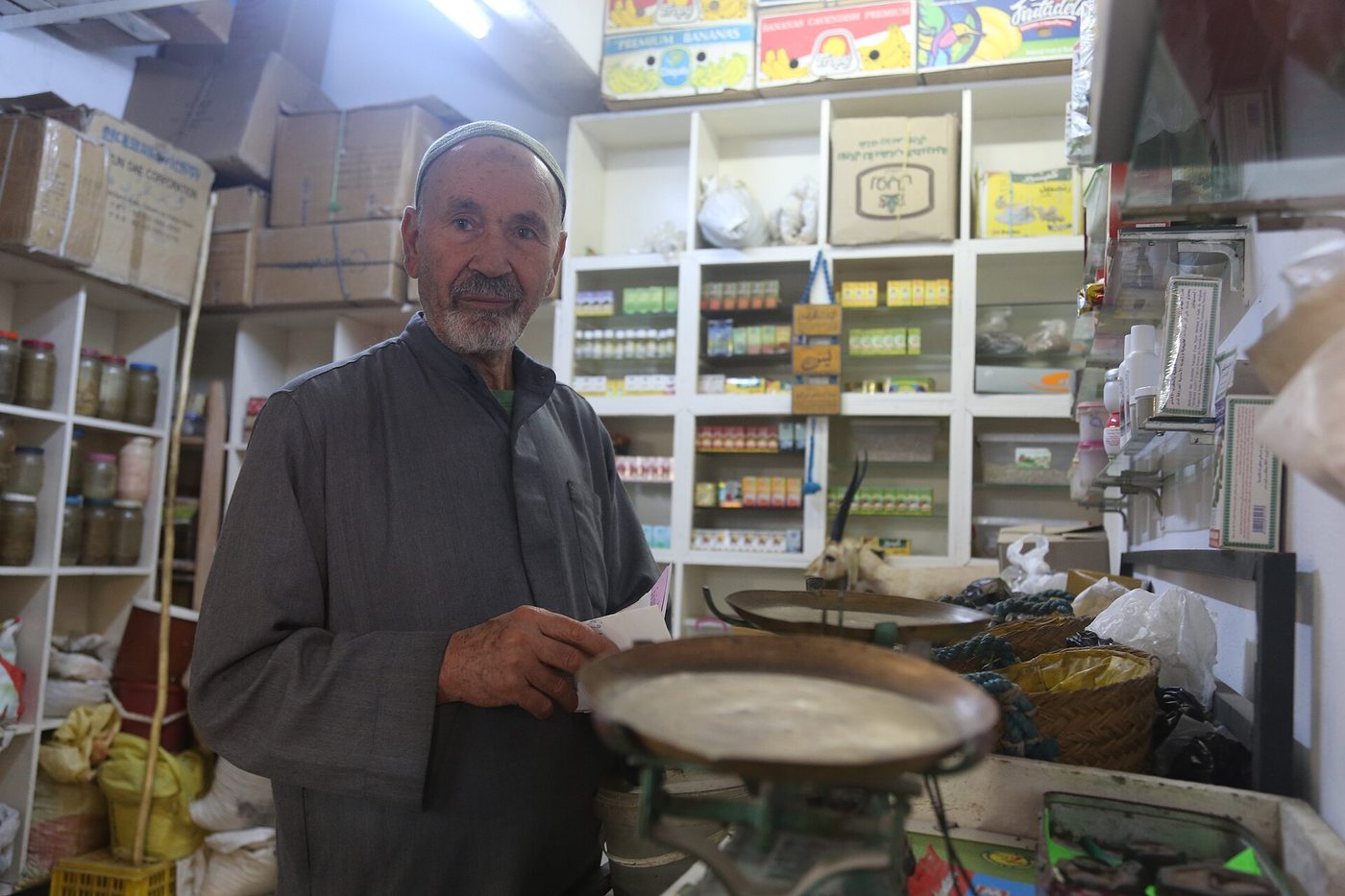
Henna, “gifts” and short-change tricks
How it works
Two small-money classics that catch tired, distracted tourists. The first: a woman or a stall-holder grabs your wrist and starts a henna design before you’ve agreed to it, or presses a “gift” — a bracelet, a sprig of jasmine — into your hand, then wants paying, often theatrically, sometimes with a small crowd for pressure. The second is at the till: short-changing on the assumption you can’t do the dinar maths quickly, or a shop offering to “change” your euros or pounds at a rate that quietly fleeces you.
How to avoid it
- Keep your hands to yourself. Don’t offer a wrist, don’t accept anything placed in your palm. A smile and a headshake, and keep moving.
- Count your change, every time. Do it openly and unhurried. Mistakes “in your favour” are vanishingly rare; the other kind isn’t.
- Change money only at banks or official bureaux. Remember the dinar is a closed currency — you can’t buy it before you fly or take it home, so you change on arrival, keep the receipts, and convert leftovers back at the airport before departure. Never use a shop’s informal “exchange rate.”
- Mind your cards and ATMs. Use machines attached to banks, shield the keypad, keep an eye out for anything odd on the slot, and prefer cash for small souk buys so your card stays in your pocket.
For the wider money picture — how much to bring, tipping, budgeting beyond the all-inclusive — our Tunisia travel tips cover it. A couple of relaxed meals out and a mint tea barely dent a modest daily budget, and the food is a highlight in its own right; see our Tunisian food guide.
Bezness: the romance long game
The one “scam” that isn’t about your wallet on day one — it’s about your heart, and then, often, your wallet for months afterward. It’s common enough in the resorts to carry its own local name, and it deserves a clear, non-judgemental explanation.
How it works
A charming young local — frequently working in or around a resort — strikes up a fast, flattering romance with a visitor, often an older one. It feels intense and genuine, and sometimes it is. But in the bezness pattern the devotion is a means to an end. Canada’s official advisory names it directly, noting that some young Tunisians seek relationships with older visitors “either to enrich themselves or to come to” the visitor’s country. After you fly home the requests begin — a family emergency, a sick relative, a phone, a plane ticket, help with a visa, talk of marriage — and they can escalate with practised speed. Victims have lost thousands and, worse, taken a real emotional hit.
How to avoid it
- Enjoy romance, stay clear-eyed. Nobody’s telling you who to like on holiday. Just be sceptical of adoration that arrives at warp speed from someone you met three days ago.
- The one hard rule: never send money after you’ve gone home. No exceptions, however heartfelt the emergency. This single line prevents almost all the real damage.
- Keep documents and finances private. Don’t share bank details, don’t co-sign anything, don’t hand over your passport, and be wary of any relationship that turns quickly to visas or marriage paperwork.
- Talk to someone impartial. If you’re being pulled into sending money, tell a friend or family member back home before you act — an outside eye spots the pattern fast.
Because bezness disproportionately targets women travelling alone, we go into it further — along with harassment and the “la, shukran” toolkit — in our companion guide to solo female travel in Tunisia.
The polite decline: your all-purpose script
Almost everything above is defeated by the same short toolkit, delivered without the reflexive British over-apology. Here it is, ready to borrow:
| Situation | Say this | Then |
|---|---|---|
| Any vendor or tout | “La, shukran” (no, thank you) — smiling but final | Keep walking; stop replying |
| “I work at your hotel” | “Oh, which one? My room number?” | Walk on when he stalls |
| Taxi, no meter | “Compteur, s’il vous plaît” | If refused, get out — next taxi |
| Carpet-shop pressure | “It’s beautiful, but no — thank you” | Walk to the door; the price will follow |
| “Free” photo/gift/henna | “La, shukran” — hands to yourself | Don’t accept anything offered |
| Persistent messages after the trip | Nothing — block and delete | You owe no reply |
The common thread: a firm, friendly refusal, no lingering, no reaction to feed. It isn’t rude — Tunisians decline persistent sellers exactly this way — and it works far better than a flustered, over-explained “sorry, maybe later.” Say it once, mean it, move on.
Keeping it all in proportion
Step back and the picture is calm. These are commercial nuisances, overwhelmingly in a few predictable places — airport taxi ranks, tourist-strip medinas, the busiest souks — and they thin out the moment you leave the obvious tourist funnels. The FCDO’s own crime section leads with the reassurance that most visits to Tunisia are unaffected by crime and that theft is the commonest issue; violent crime against tourists is rare. Millions of Europeans, including hundreds of thousands of Brits, holiday here every year and come home with, at worst, a story about the carpet shop.
A last word on geography, because it belongs in any honest safety piece: the FCDO does advise against travel to specific border strips and inland mountain areas — the Chaambi Mountains and remote Algerian and Libyan frontier zones, plus all-but-essential-travel warnings for parts of the interior including Kasserine Governorate and the town of Sbeitla. Every resort, Tunis, Djerba and the standard Sahara circuit sit far outside those zones, and we’d never present border areas as places to visit. Should a “guide” ever offer a bargain trip toward Sbeitla or a border region, that’s your cue to decline flatly. The full, date-stamped wording lives in our Tunisia safety guide. Handle the small stuff with a smile and a “la, shukran,” and Tunisia is one of the warmest, best-value trips in the Mediterranean — explore where to base yourself in Sousse, on the island of Djerba, or in the capital, Tunis.
Tunisia scams: your questions answered
What are the most common scams in Tunisia?
The usual set: taxi drivers claiming a “broken meter” to charge inflated fares, the carpet-shop mint-tea routine that ends in a hard sell, a stranger claiming to “work at your hotel” who steers you to a commission shop, self-appointed guides, “free” photos or camel rides that aren’t, henna and “gift” pressure, short-changing, and the romance long game known as bezness. Nearly all are about money, not danger.
How do I avoid taxi scams in Tunisia?
Insist on the meter (the “compteur”) as you get in, or agree the fare out loud before you move. If a driver refuses the meter, get out and take the next one. In greater Tunis, use the Bolt app to skip the negotiation entirely. Avoid touts inside the airport arrivals hall, use the official rank outside, and carry small notes so “no change” can’t inflate the fare.
What is bezness in Tunisia?
Bezness is a local term for a romance-based con: a charming young local pursues a whirlwind relationship with a visitor, then — usually after you’ve flown home — asks for money, a phone, a plane ticket, visa help or marriage. Canada’s advisory notes some young Tunisians seek relationships with older visitors to “enrich themselves or to come to” the visitor’s country. Enjoy holiday romance if it’s real, but never send money once you’re home.
Are the carpet shops in Tunisia a scam?
Not exactly — they’re genuine shops using very high-pressure sales. The tactic is free mint tea and a flattering story, then opening prices five to ten times a fair value. Haggling is a real part of the culture, not a con. Set a firm budget before you sip, ignore the emotional back-story, be ready to walk to the door (prices fall fastest there), and never feel guilty leaving empty-handed.
Is it safe to change money in Tunisia?
Yes, at banks and official exchange bureaux — not at shops offering informal rates. The dinar is a closed currency: you can’t buy it before you travel or take it home, so change money on arrival, keep your receipts, and convert leftover dinars back before departing. Count your change, use bank ATMs, and shield the keypad. Reckon on roughly £1 to 3.8–3.9 dinars, but check the current rate.
How do I politely say no to vendors in Tunisia?
“La, shukran” — no, thank you — said in a friendly but final tone, then keep walking and stop responding. Don’t over-explain or apologise repeatedly; that just extends the pitch. Tunisians decline persistent sellers exactly this way, so it isn’t rude. For the “I work at your hotel” opener, a quick “which one? my room number?” ends it fast.
What is the “I work at your hotel” scam?
A friendly man greets you near your hotel claiming to be a waiter or receptionist there, borrowing the trust you’d give staff, then steers you to “a cousin’s shop” or a “special market” where he earns commission. Call it out gently — ask which restaurant or your room number — and decline to follow him anywhere. Tucking your hotel wristband out of sight removes the hook entirely.
Are “free” camel rides and photos really free in Tunisia?
No — “free” almost always means “pay after.” Someone puts an animal on your shoulder or waves you onto a camel “just for a photo,” then demands payment. If you genuinely want the ride or picture, agree the price out loud for everyone first; otherwise decline and don’t let anything be placed on you or in your hands. Book real camel treks and quad trips through your hotel or a proper operator with a set price.
Do people get pickpocketed in Tunisia?
Occasionally, in the usual crowded places — busy medinas, packed markets and public transport. The FCDO notes theft is the most common crime experienced, while stressing most visits pass without any trouble. A crossbody bag kept in front, a zipped pocket for your phone, nothing valuable left on a beach lounger, and passports in the hotel safe handle it. It’s the same discipline you’d use in any busy European city.
Is bargaining expected in Tunisian markets?
Yes, in the souks it’s normal and part of the fun — opening prices are deliberately high and a fair sale often lands at a third to a half of the first number. It’s a friendly ritual, not a con, so long as you set your ceiling in advance and stay relaxed. Fixed-price shops and supermarkets don’t haggle, so pay the marked price there.
Are ATMs and card payments safe in Tunisia?
Generally yes. Use ATMs attached to banks rather than standalone machines, shield your PIN, and check the card slot looks untampered. Card acceptance is patchy outside hotels and bigger shops, so carry cash for the souks and small cafés — which also keeps your card out of sight. Tell your bank you’re travelling so a Tunisian transaction doesn’t trigger a block.
What should I do if I’m scammed in Tunisia?
For overcharging, it’s usually a lesson rather than a police matter — note the taxi’s plate and move on. For theft, you’ll need a police report from the local station for any insurance claim, so get one before you fly home; the hotel front desk can help you reach the tourist police quickly. Keep the emergency numbers handy: Police 197, Ambulance 190, Fire 198, National Guard 193 in rural areas.
Written by the Tunisia Tourism Guide team — an independent, UK-focused guide to travelling in Tunisia. We don’t sell tours or take hotel commissions, so we’ve no reason to sugar-coat the hassle or overstate it. Advice and prices were checked at publication; always confirm current details, and check the FCDO’s Tunisia page yourself before you book and again before you fly.
Photo credits
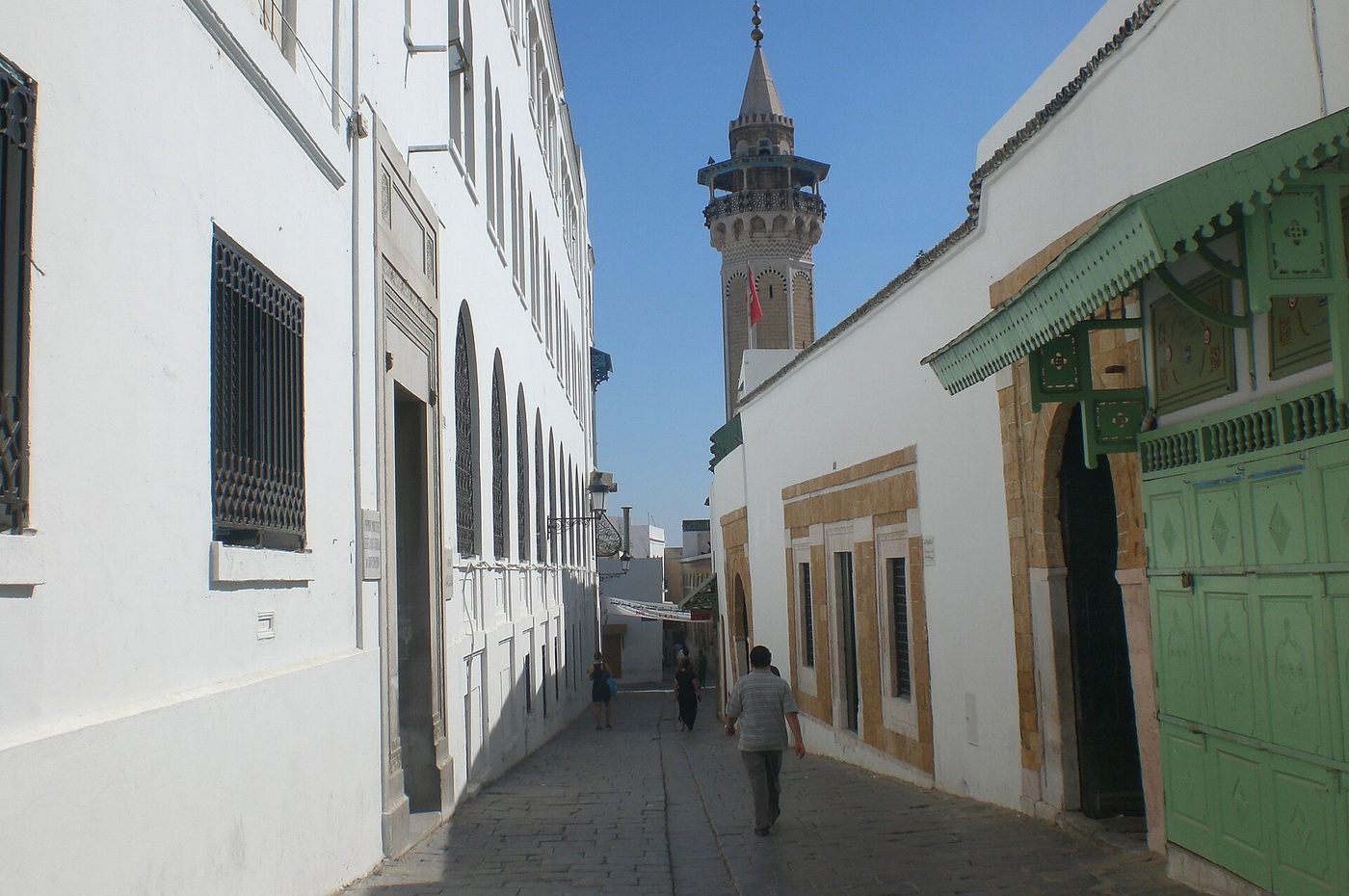
All images via Wikimedia Commons, used with thanks: The souk lanes of Sousse medina © Hamed Gamaoun (CC BY-SA 4.0); A yellow metered taxi in Tunis; insist on the compteur to avoid taxi scams © Rene Cortin (CC BY-SA 4.0); Shops in a Tunisian medina souk © Faiza affes (CC BY-SA 4.0).

One response to “Tourist Scams in Tunisia (and the Bezness Problem)”
[…] but it does chip away at the postcard calm. If that kind of thing wears you down, our guide to common Tunisia scams and hassle covers how to shrug it off without being […]