By the Tunisia Tourism Guide team · Last updated 20 November 2026 · We don’t sell tours or take hotel commissions — this is independent advice, written to be useful.
First trip to Tunisia? What catches people out is rarely danger. It’s detail: a currency you can’t buy at home, a drone confiscated at arrivals, a supermarket that won’t sell you a beer on a Friday, a taxi whose meter is mysteriously “broken”.
The things to know before visiting Tunisia are mostly practical: Brits need no visa for up to 90 days, the dinar can’t be bought before you fly or taken home, drones are banned without permission, dress modestly away from the beach, and insurance matters because the GHIC isn’t valid.
This list sits alongside our Tunisia travel tips hub, which covers planning in the round. Here we’ve kept to the seventeen things a first-timer most needs to know, roughly in the order you’ll meet them: before you fly, on arrival, out and about, and the customs and laws behind the scenes. The rules come from the UK Foreign, Commonwealth & Development Office (FCDO), Tunisia’s own tourist board and heritage agency, and the other official sources linked as we go, checked in November 2026.
Things to know before visiting Tunisia at a glance
| Topic | The short version |
|---|---|
| Visa (British passport) | Not needed for visits of up to 90 days; carry proof of your accommodation |
| Money | Tunisian dinar (TND), a closed currency: get it on arrival, spend it before you leave; just under 4 TND to £1 in mid-November 2026 |
| Drones | Illegal to bring in without authorisation; confiscated until you leave |
| Health | GHIC not valid; travel insurance essential; hepatitis A and tetanus recommended for most travellers |
| Dress | Beachwear fine in the resorts; modest clothes at religious sites and in remote areas |
| Alcohol | Legal, sold in hotels and bars; no supermarket sales on Fridays |
| Ramadan 2027 | Expected to begin around 8 February 2027 |
| Tipping | Around 10% in restaurants, in cash; tip drivers and guides too |
| Language | Arabic is official; French helps; English is common in hotels |
| Time | Same as the UK in summer, one hour ahead in winter |
| Plugs | Types C and E, the same adaptor as for France or Spain |
| Emergencies | 190 for an ambulance, 197 for the police |
Before you fly
1. You don’t need a visa, but you do need proof of where you’re staying
With a British passport you can visit Tunisia without a visa for up to 90 days, according to the FCDO’s entry requirements for Tunisia. Holders of Crown Dependency passports may need to buy a visa on arrival, and your passport should be valid for the whole of your stay.
The detail that trips people up is accommodation. Border officials may ask for your contact details, your return or onward ticket, and proof of a hotel booking or other accommodation, and the FCDO says some visitors have been refused entry or delayed because they couldn’t show enough. Keep your booking confirmation on your phone and on paper, especially if you’re touring and haven’t booked every night. Overstay the 90 days without a valid reason and you’ll pay a fine, either at the airport when you leave or in advance at some police stations. Dual British-Tunisian nationals should enter and leave on the same passport. Our Tunisia visa guide covers other nationalities and longer stays.
2. The dinar is a closed currency
You can’t take Tunisian dinars (TND) out of Tunisia, and you won’t find them on the UK high street either: the Post Office’s travel money service doesn’t sell them. So you arrive with pounds or euros, or a bank card, and get dinars once you land. Tunisia’s tourist board says ATMs are easy to find, and you can also change cash at your hotel, a bank, a bureau de change or a post office.
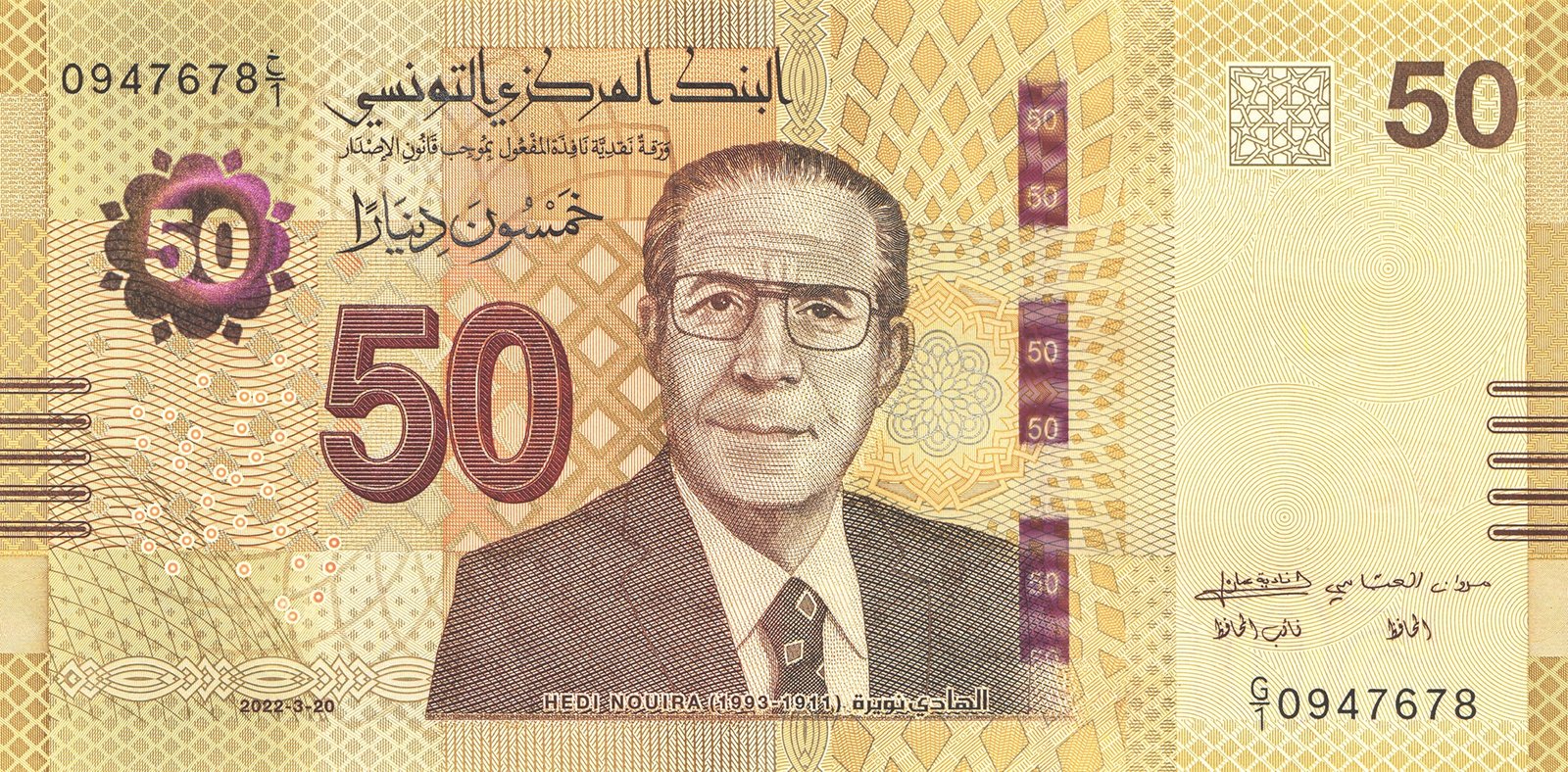
The FCDO’s warning is worth reading twice: Tunisia has strict currency controls, so check whether you need to declare the foreign currency you bring in, because failing to declare it may lead to confiscation. Keep any declaration and every official exchange receipt. In mid-November 2026 the Central Bank of Tunisia’s average rate was just under 4 dinars to the pound (3.99 on 17 November), which makes the mental maths easy. The banknotes you’ll use most are 5, 10, 20 and 50 dinars, and each dinar divides into 1,000 millimes, so a price written as 2.500 means two and a half dinars, not two and a half thousand. Change modest amounts as you go, and spend or change your last dinars before you fly home. Our guide to the Tunisian dinar has the full detail on cash, cards and exchange.
3. Leave the drone at home
This one costs people their kit. The FCDO says it is illegal to bring a drone into Tunisia without authorisation, and any drone that’s detected is confiscated until you leave. Some other electronic devices, including smart glasses and walkie-talkies, may be restricted or confiscated on arrival too. If aerial footage is part of your plans, sort the authorisation before you travel or leave the drone in the UK; arguing at the airport won’t get it back.
4. Sort your health cover before you fly
Your UK Global Health Insurance Card (GHIC) isn’t valid in Tunisia, which isn’t on the list of countries where it works. The FCDO’s health advice for Tunisia adds that there’s no provision for free medical attention for foreign nationals and that private clinic fees must be paid on the spot. Travel insurance that covers medical treatment and evacuation isn’t a nice extra here; it’s the most important thing you’ll buy after the flights.
On jabs, TravelHealthPro’s Tunisia advice recommends hepatitis A and an up-to-date tetanus vaccination for most travellers, with others for some trips. Our Tunisia vaccinations and health guide covers which jabs are free on the NHS, the tap water question and how pharmacies work.
Customs, etiquette and the law
5. Dress for where you are, not where you’re staying
The FCDO puts it simply: beach-appropriate clothing is fine in the holiday resorts, but at religious sites and in remote areas local custom is to dress modestly. In practice that means the swimwear and vest tops that are normal around the hotel pool look out of place in a medina, a market town or a village in the south.
For towns and sightseeing, we’d cover shoulders and knees, and women may want a light scarf for religious sites. Men shouldn’t wander into town shirtless either. It’s less about rules than respect, and you’ll notice the difference in how people respond to you. Our guide to what to wear in Tunisia breaks it down by place and season.
6. Most mosques are for worshippers, but Kairouan’s welcomes visitors
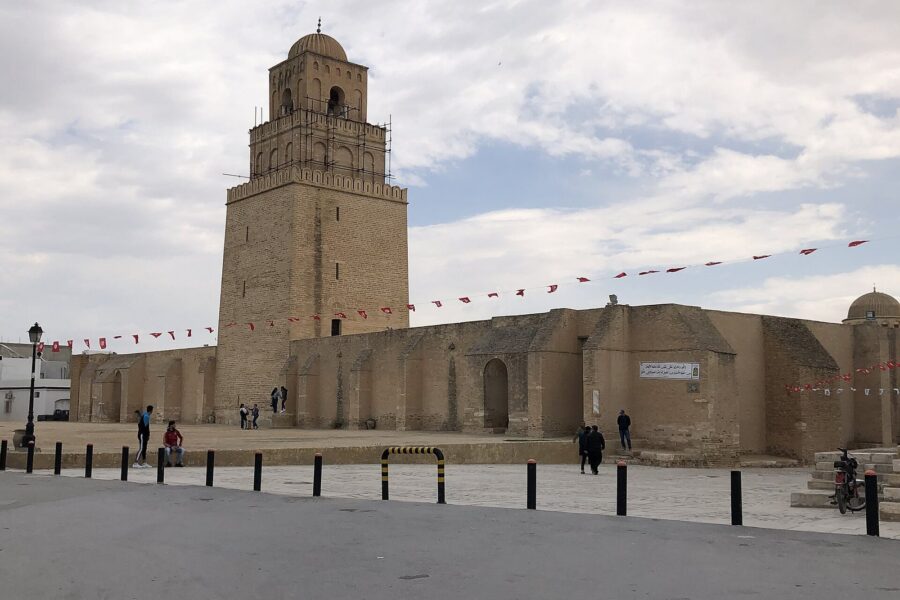
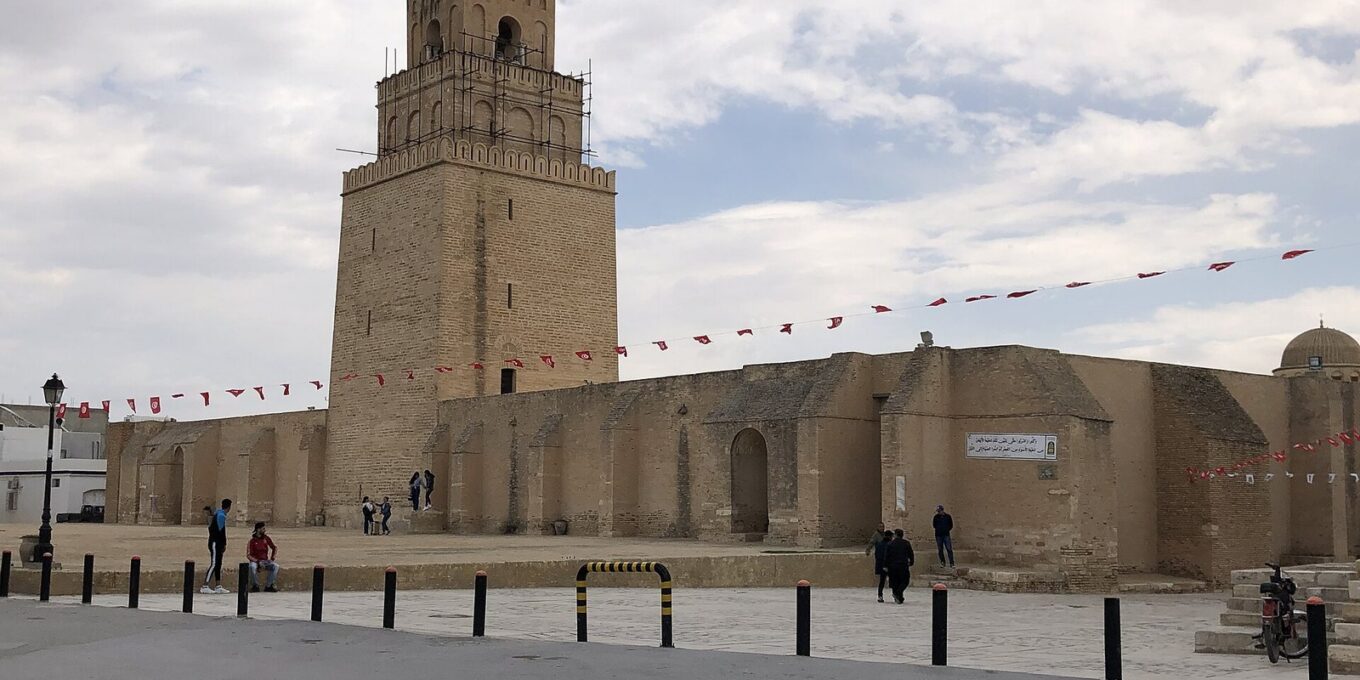
Don’t assume you can walk into a working mosque. Ask before you step through any mosque door, and expect the answer to be no more often than yes. The great exception is the Great Mosque of Kairouan, one of the country’s landmark sights: Tunisia’s tourist board says non-Muslims may enter the courtyard and look into the prayer hall.
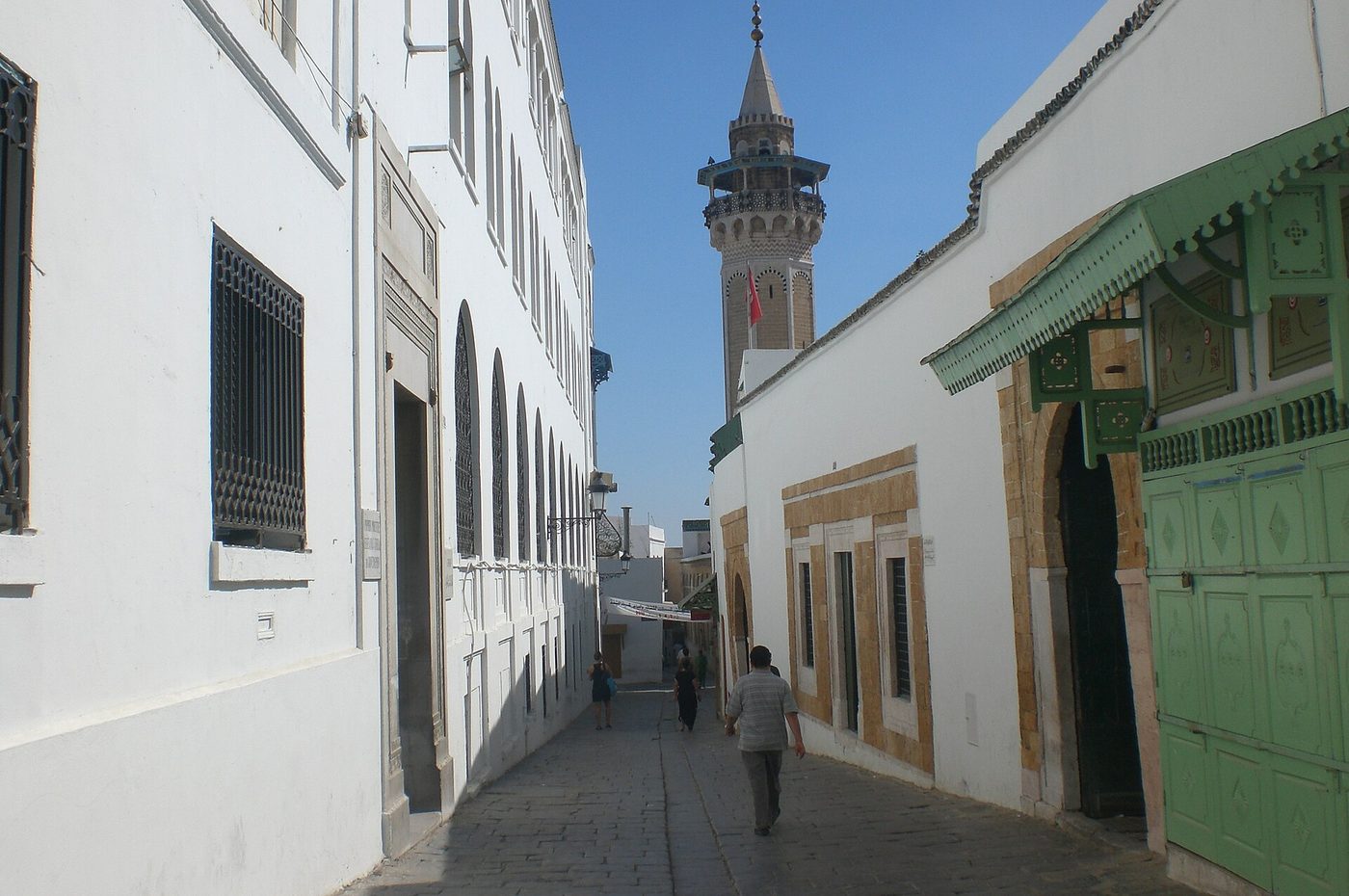
Go in the morning. The national heritage agency lists the Great Mosque’s hours as 08:00 to 14:00 in winter and 07:30 to 14:00 in summer, and its page for the Great Mosque carries a separate note on Friday opening, so check it before a Friday visit. Ignore the older price printed there: under the national heritage tariff that took effect on 1 April 2026, Kairouan’s monuments cost non-residents 20 TND (about £5), rising to 30 TND (about £7.50) from 1 January 2027. Dress modestly, keep your voice down and don’t photograph people praying. In Tunis, the Zitouna Mosque’s courtyard is the famous view; ask at the entrance what visitors can see. Our guide to Kairouan covers the rest of the holy city.

7. Friday is the holy day
Friday is the Muslim day of congregational prayer, and the midday prayer is the week’s big gathering at the mosque. For visitors that mostly means two things. Plan visits to religious sites for the morning and check their Friday opening times. And if you’re self-catering, buy your wine and beer on Thursday: under the rules the FCDO describes, supermarkets can’t sell alcohol on Fridays, although hotels and bars still serve it.
8. Ramadan changes the rhythm
The FCDO notes that the next Ramadan starts in February 2027; astronomical calendars put the first day around 8 February, with the exact date confirmed in Tunisia shortly beforehand as it depends on the new moon. For about a month, many Tunisians fast from dawn to sunset.
You’re not expected to fast, but the FCDO’s guidance is worth following: eating, drinking, smoking or chewing gum in public during the day may cause offence, opening hours of shops and restaurants change, and some hotels and restaurants serving food during fasting hours use screens. Alcohol sales are banned during Ramadan and drinking is limited to fewer restaurants and bars, though the FCDO says these rules don’t apply in holiday resorts. The upside is the evenings, when towns come alive after iftar, the meal that breaks the fast. Our guide to Ramadan in Tunisia explains how to plan a trip around it.
9. Alcohol is legal, but it’s not a drinking culture
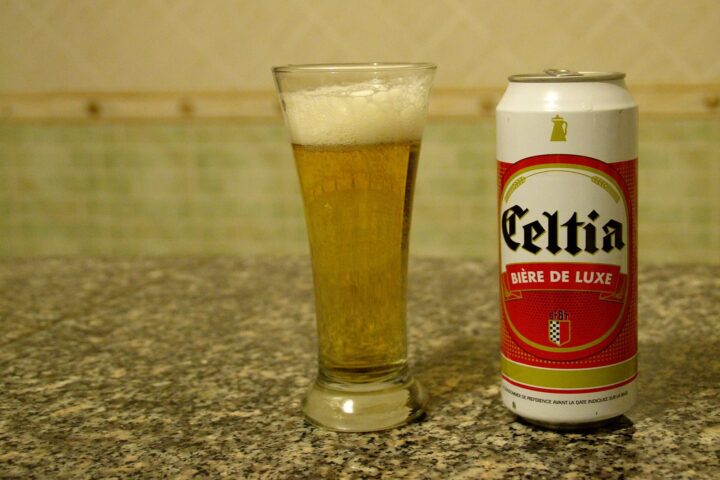
You can drink in Tunisia. The FCDO confirms alcohol is legally sold, and resort hotels and licensed bars serve beer, wine and spirits. What you won’t find is alcohol everywhere: plenty of cafés and restaurants don’t serve it, supermarkets can’t sell it on Fridays, and Ramadan tightens things further. Drink discreetly away from licensed places, and never drive after a drink. Our guide to drinking alcohol in Tunisia covers where to find it and the local drinks worth trying.
10. Ask before photographing people, and never point a camera at the military
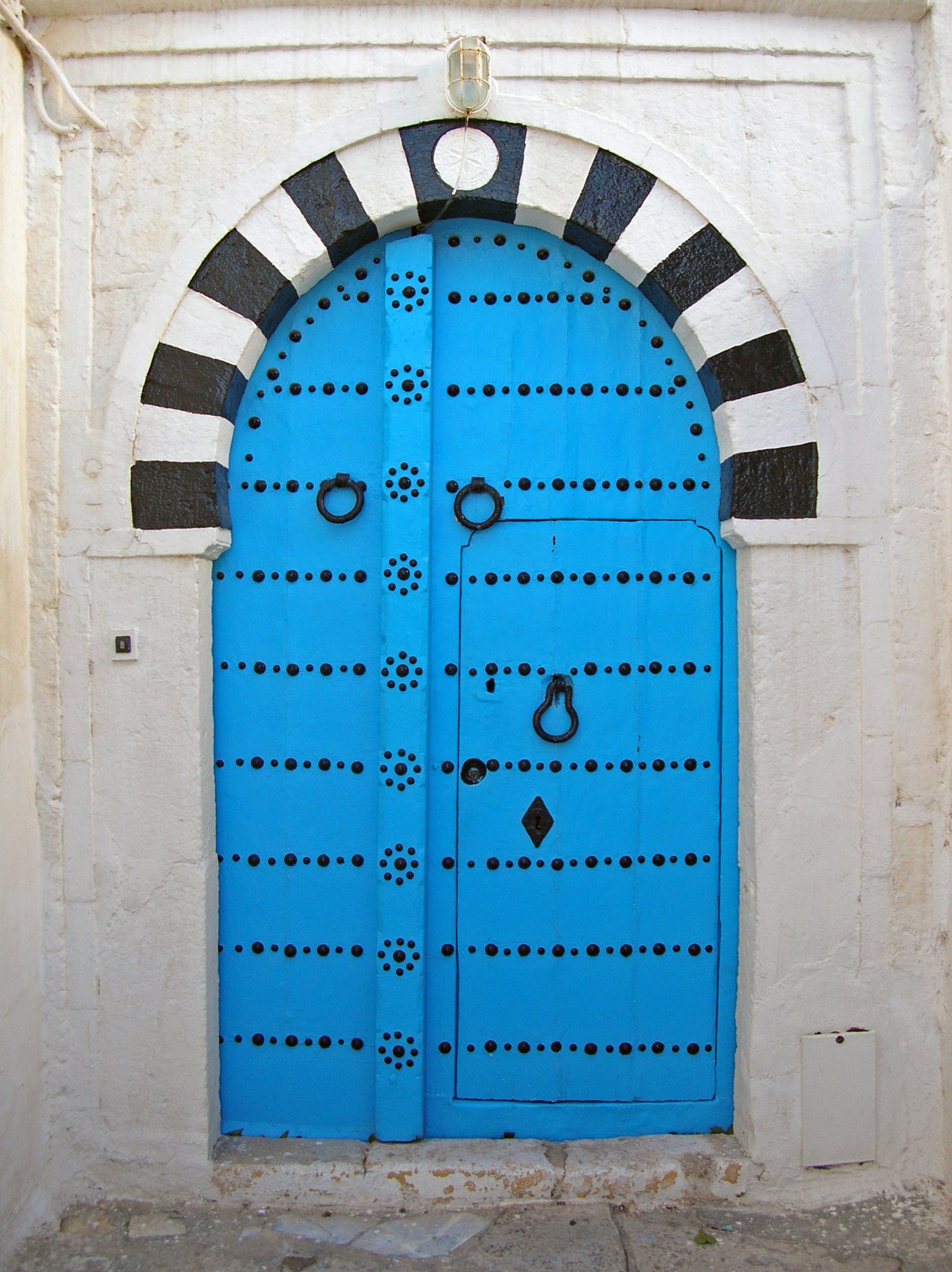
The FCDO’s rule is clear: don’t take photographs of or near government buildings or military sites. To be safe, we’d extend that to police and checkpoints too. People are a matter of courtesy rather than law: ask first, accept a no gracefully, and be especially careful with women and children in rural areas. Doors, tiles, markets and landscapes are fair game, and Tunisia has plenty of all four.
11. A handful of laws catch visitors out
Most visitors never come near Tunisia’s legal system, but a few rules from the FCDO’s laws and cultural differences guidance are worth knowing:
- Carry ID. Foreign nationals must carry identification, such as a copy of the passport photo page, and security officials may ask to see it at any time.
- Drugs carry severe penalties, including lengthy prison sentences and heavy fines, whatever their legal status at home.
- Same-sex sexual activity is illegal, and the FCDO notes that members of the LGBT+ community have been targeted by criminals. Discretion is wise.
- Antiquities need permission from the Tunisian authorities before they leave the country, and taking them undeclared can mean a fine or prison. That “Roman coin” in the souk is either fake or a problem.
Money, haggling and getting around
12. Haggling is expected in the souks
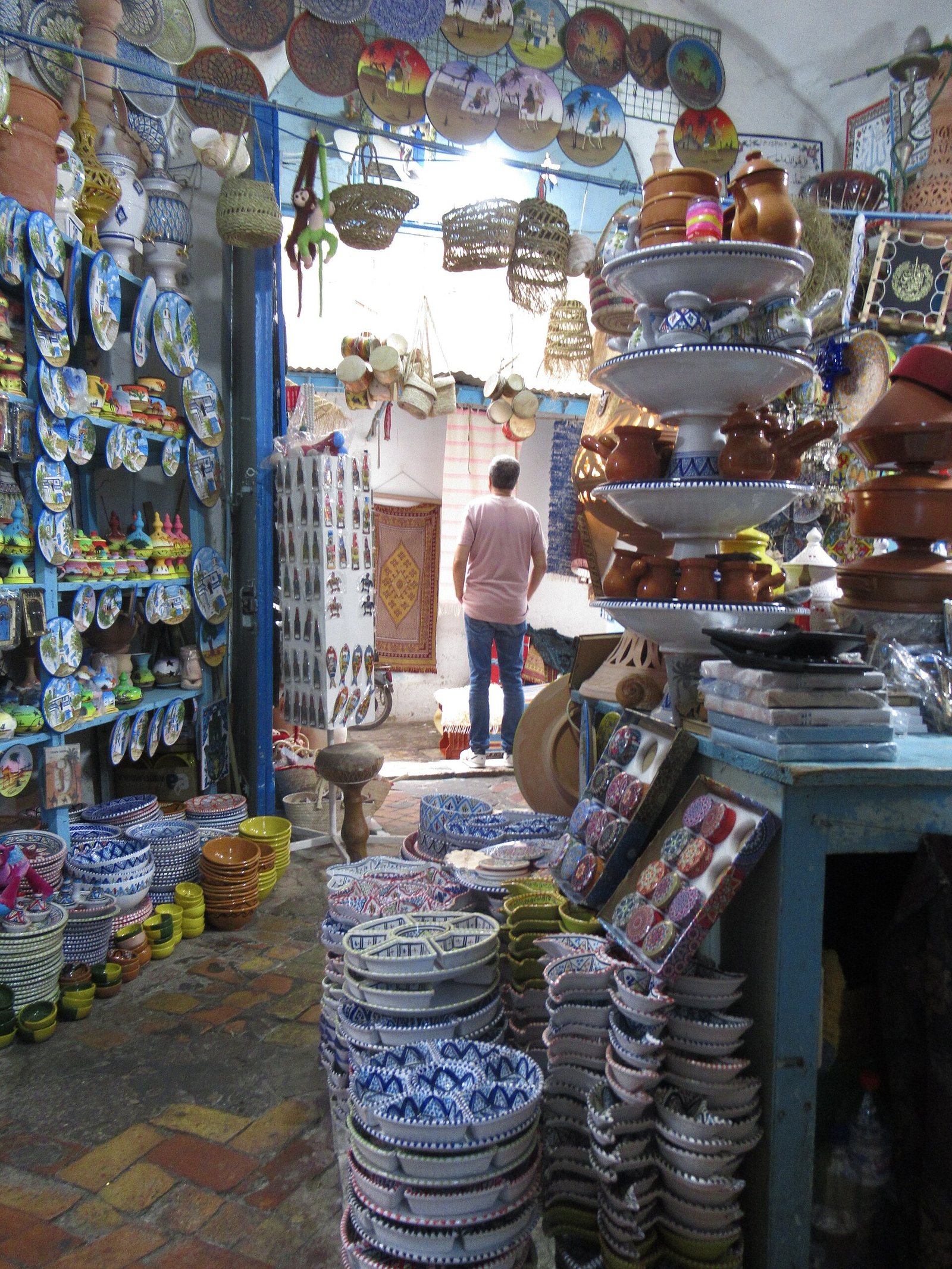
In the medinas’ souks, the first price is an opening move, not the price. Decide what something is worth to you before you ask, offer well below the starting figure, and settle somewhere in between with a smile; walking away politely is part of the game, and often brings the price down. Supermarkets, pharmacies and modern shops have marked prices, so don’t try it there.
The less charming side is the persistent tout: the stranger who “remembers you from the hotel”, the guide who appears unasked, the shortcut to a “special” shop. A polite, firm no and walking on works almost every time. The FCDO notes that confidence tricks are sometimes used as a distraction for theft, so keep your phone and wallet close when someone is very keen to help. Our guide to common Tunisia scams lists the usual routines.
13. Tip in cash: around 10% in restaurants
Tunisia’s tourist board says it’s generally expected to add around 10% in restaurants and to tip drivers and guides too, and it recommends leaving the restaurant tip in cash rather than adding it to a card payment, so that it reaches your waiter. Keep a stash of small notes and coins for porters, housekeeping and the odd café. Our guide to tipping in Tunisia has the amounts for each situation.
14. Taxis are good value, if you insist on the meter
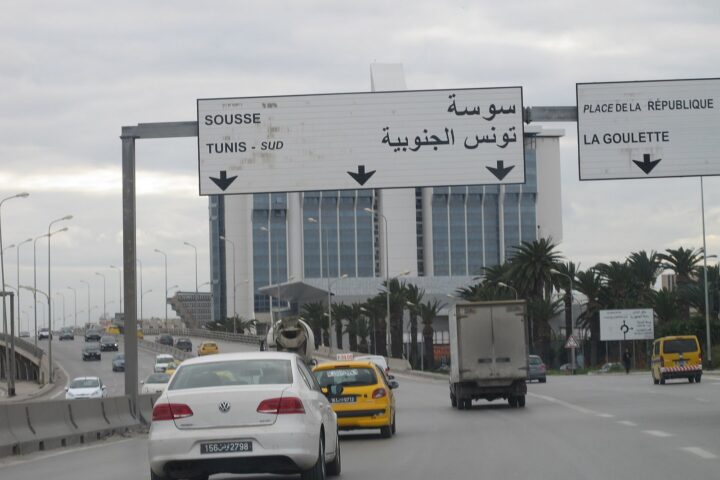
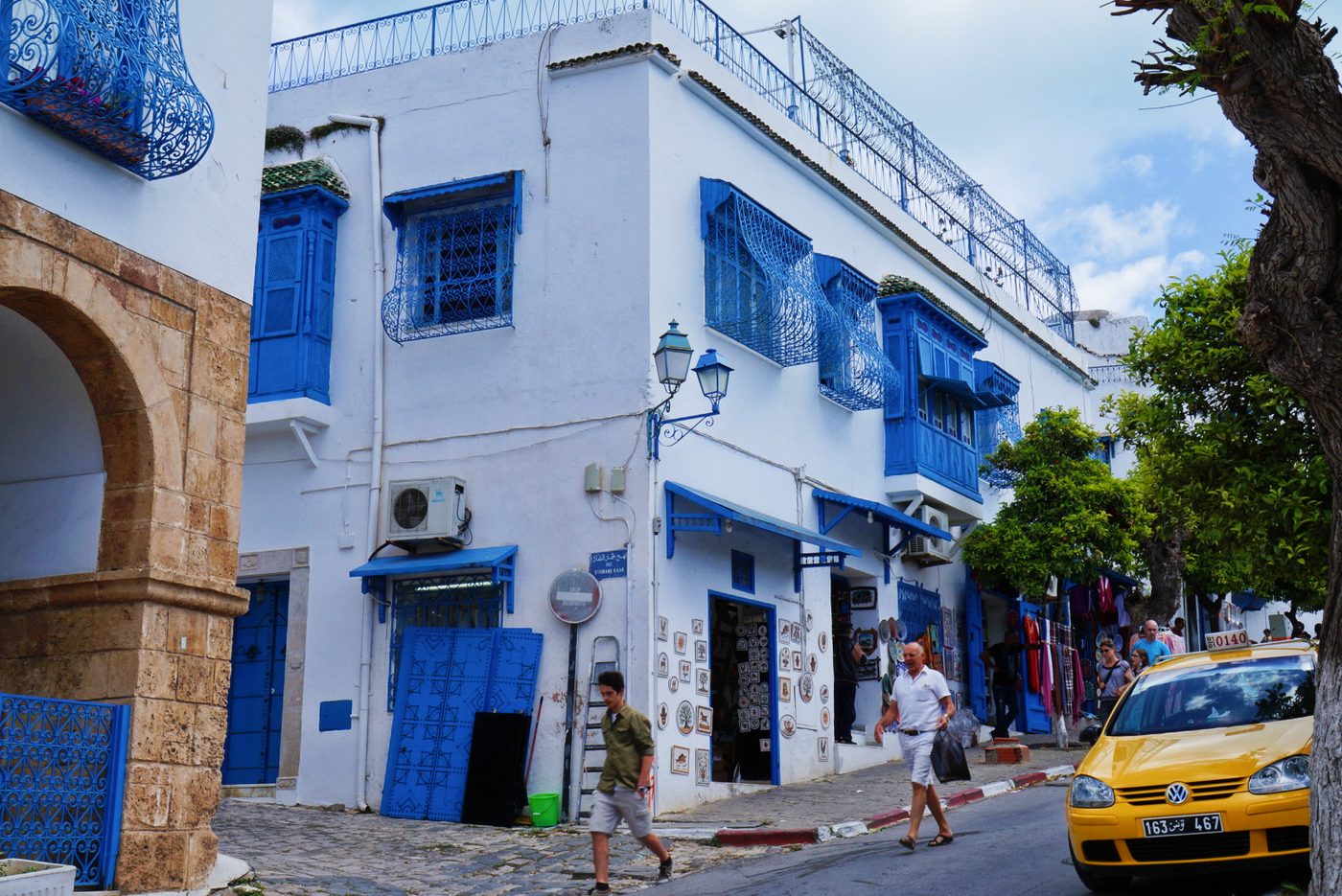
City taxis are yellow, and the tourist board’s advice is to look for official yellow taxis and ask the driver to use the meter, the compteur. It also warns that you might be charged extra for luggage or for travelling at night. At Enfidha-Hammamet airport, for example, the airport’s own taxi page lists a 50% supplement on the meter from 21:00 to 05:00 and a 4.500 TND pickup supplement from the airport’s taxi rank. If a driver says the meter is broken, agree the fare before you get in, or wait for the next cab.
For longer journeys, louages (shared minibuses that leave when full) and SNCFT trains link the main towns cheaply, and our guide to getting around Tunisia compares every option.
15. Arabic is official, French helps, English is common in hotels
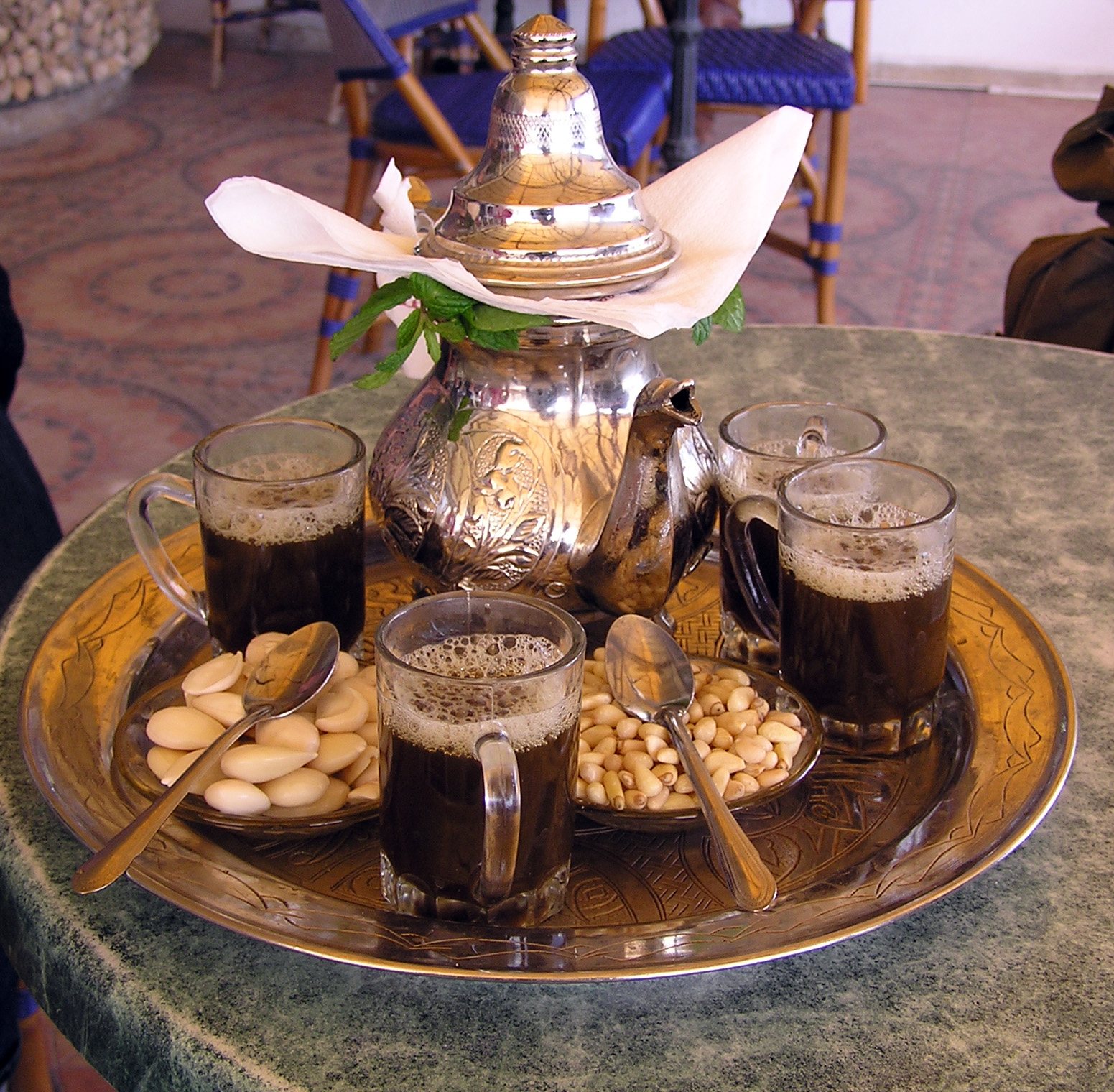
Tunisia’s constitution makes Arabic the official language, and the everyday spoken form is Tunisian Arabic. French will get you a long way in towns, shops and on signs; the tourist board itself says it helps if you speak it. In the resorts, hotel staff speak a range of languages and many Tunisians speak good English. A few words of Arabic, starting with aslema (hello) and shukran (thank you), earn a smile everywhere. Our guide to whether people speak English in Tunisia goes into more detail.
Staying safe and comfortable
16. The FCDO warns against travel to some areas, not the resorts
The FCDO advises against all travel to parts of Tunisia and against all but essential travel to others. Those areas lie in the west and the south, many of them along the Algerian and Libyan borders. The coastal resorts most British visitors book, along with Tunis, Sousse, Hammamet, Monastir and Djerba, are outside them, and theft is the most common crime the FCDO describes. Travelling against FCDO advice can also invalidate your travel insurance, so if you’re planning a road trip or a desert tour, check the route against the FCDO’s map.
FCDO advice, last updated 24 July 2026 and still current on 18 November 2026; always check gov.uk/foreign-travel-advice/tunisia before you book. Our honest answer to whether Tunisia is safe goes through the advice region by region.
17. Summer brings heat, and sometimes power cuts
Tunisia’s summers are hot, and the south is hotter still. The FCDO warns that heatwaves put a strain on the electricity grid, and that STEG, the national power company, may carry out temporary cuts that can affect some hotels, air conditioning, and mobile and internet services; in extreme cases they can hit the water supply and card or ATM payments too. Carry some cash, keep a power bank charged and keep bottled water in your room. If you’d rather avoid the hottest weeks altogether, spring and autumn are the gentler seasons for sightseeing.
First-timer mistakes, and the easy fix
If you only skim one part of this page, make it this one. These are the slip-ups that turn a smooth first trip into an irritating one, and every one of them is avoidable.
| The mistake | The fix |
|---|---|
| Trying to order dinars from a UK bureau de change | Arrive with pounds, euros or a card, and get dinars from an ATM or exchange once you land |
| Keeping leftover dinars as a souvenir | Spend or change them before you fly: you’re not allowed to take them out |
| Packing the drone | Leave it at home unless you have authorisation; otherwise it’s confiscated until you leave |
| Turning up at immigration with no booking to show | Have your accommodation confirmation and return ticket on your phone and on paper |
| Wearing beachwear into the medina | Cover shoulders and knees in towns and at religious sites |
| Relying on the GHIC | Buy travel insurance with medical and evacuation cover; the GHIC isn’t valid in Tunisia |
| Planning a Friday supermarket wine run | Buy it on Thursday, or drink at your hotel or a licensed bar |
| Getting into a taxi without agreeing the fare | Ask for the compteur first, or agree a price before the car moves |
| Photographing a police station or barracks | Keep your camera off government buildings and military sites |
| Paying the first price in the souk | Treat it as an opening offer, and be ready to walk away politely |
A few practical basics
- Time: Tunisia stays on UTC+1 all year and doesn’t change its clocks, so it’s on the same time as the UK in summer and one hour ahead in winter.
- Plugs: Types C and E, so you need the same two-pin adaptor you’d take to France or Spain.
- Driving: traffic drives on the right. UK drivers need a 1968 international driving permit alongside their UK licence, plus a green card proving minimum insurance cover.
- Phones: a local SIM or eSIM is cheap and saves roaming charges; our Tunisia SIM card guide compares the options.
- Emergencies: the FCDO lists 190 for an ambulance, 197 for the police in towns and cities, 198 for fire and car accidents, and 193 for the National Guard in rural areas.
Things to know before visiting Tunisia: frequently asked questions
Is Tunisia safe to visit?
For most visitors, yes. The FCDO advises against travel to some areas, all of them in the west and south, but the coastal resorts, Tunis, Sousse, Hammamet, Monastir and Djerba are outside them. Theft is the most common crime it describes. Check the FCDO’s Tunisia page before you book, make sure your insurance covers your whole route, and keep valuables out of sight in crowded places.
Do I need a visa for Tunisia from the UK?
Not for a holiday. British passport holders can visit Tunisia without a visa for up to 90 days, according to the FCDO. Your passport should be valid for the length of your stay, and border officials may ask for your return ticket and proof of accommodation, so keep your booking confirmation handy. Holders of Crown Dependency passports may need to buy a visa on arrival.
Can I take pounds or euros to Tunisia?
Yes, and you’ll need to, because you can’t get dinars before you go. Bring pounds or euros to change on arrival, or use ATMs, which Tunisia’s tourist board says are easy to find. The FCDO says Tunisia has strict currency controls, so check whether you need to declare the foreign currency you bring, keep your exchange receipts, and don’t try to take dinars home.
What should I wear in Tunisia?
Beachwear is fine in the holiday resorts, but the FCDO says local custom is to dress modestly at religious sites and in remote areas. For towns, medinas and sightseeing, cover your shoulders and knees, and women may want a scarf for religious sites. Light, loose clothes are cooler in the heat anyway, and you’ll get a warmer reception.
Can tourists drink alcohol in Tunisia?
Yes. Alcohol is legally sold, and hotels and licensed bars serve beer, wine and spirits. According to the FCDO, supermarkets can’t sell alcohol on Fridays, and during Ramadan sales are banned and drinking is limited to fewer restaurants and bars, though those rules don’t apply in holiday resorts. Drink discreetly away from licensed places.
Can non-Muslims visit mosques in Tunisia?
Only some. The Great Mosque of Kairouan welcomes visitors: Tunisia’s tourist board says non-Muslims may enter the courtyard and look into the prayer hall, and the heritage agency lists morning opening hours. Non-residents pay 20 TND, rising to 30 TND from 1 January 2027. Many other mosques are for worshippers only, so always ask before entering, dress modestly and avoid prayer times.
When is Ramadan 2027 in Tunisia?
The FCDO says the next Ramadan begins in February 2027, and astronomical calendars put the first day around 8 February. The exact date depends on the new moon and is confirmed in Tunisia shortly beforehand. Ramadan lasts about a month; expect changed opening hours, restrictions on alcohol sales outside the resorts, and lively evenings after the fast is broken.
What plug adaptor do I need for Tunisia?
Tunisia uses Type C and E plugs, according to its tourist board, so you need the same two-pin European adaptor you’d use in France or Spain. Pack one per device you’ll charge at the same time, or a single adaptor with USB ports, and keep a charged power bank for the odd summer power cut.
Is Tunisia on the same time as the UK?
Half the year. Tunisia stays on UTC+1 all year and doesn’t use summer time, so when the UK is on British Summer Time the clocks match, and in winter Tunisia is one hour ahead. Check your transfer and tour times carefully if you travel around the end of March or October, when the UK changes its clocks.
How much should I tip in Tunisia?
Tunisia’s tourist board says around 10% is generally expected in restaurants, and that drivers and guides should be tipped too. Leave restaurant tips in cash so they reach the waiter, rather than adding them to a card payment. Small notes and coins for porters, housekeeping and café staff are always appreciated.
Final thoughts
None of these seventeen points should put you off. Tunisia is easy to visit once you know the handful of rules that differ from home: the closed currency, the drone ban, the dress code beyond the beach, Fridays and Ramadan, and the habit of agreeing the meter before the taxi moves. Get those right and the rest is mint tea, Roman ruins and a warm welcome. If you’re still deciding what to fit in, start with our pick of the best things to do in Tunisia, then shape it into a trip with our 7-day Tunisia itinerary.
Written by the Tunisia Tourism Guide team — an independent UK-focused guide to travelling in Tunisia. We don’t sell tours or take hotel commissions. Prices and advice were checked at publication; always confirm current details before you book.
Photo credits
All images via Wikimedia Commons, used with thanks: A Tunisian 50 dinar note: Lrj900 (CC0); The Zitouna Mosque courtyard, Tunis © No machine-readable author provided. BishkekRocks assumed (based on copyright cl (CC BY-SA 3.0); A door in Sidi Bou Said © Bernard Gagnon (CC BY-SA 3.0); A pottery shop in the Sousse medina: Poliphilo (CC0); A yellow taxi on a blue-and-white street © Rene Cortin (CC BY-SA 4.0); Tunisian mint tea with pine nuts © sky#walker (CC BY-SA 2.0); The Great Mosque of Kairouan © Yamen (CC BY-SA 4.0).