By the Tunisia Tourism Guide team · Last updated 23 July 2026 · We don’t sell tours or take hotel commissions — this is independent advice.
Every so often a reader spots a cheap late-winter deal, does a bit of digging, and comes back to us slightly worried: “I think my trip falls during Ramadan — should I still go? Will anything be open? Am I going to offend anyone?” It’s a thoughtful question, and the honest answer is reassuring. Travelling to Tunisia during Ramadan is not something to avoid — for many visitors it’s one of the most atmospheric times to come — but it does change the rhythm of a trip, and it pays to know how before you book.
Visiting during Ramadan in Tunisia mostly means a quieter, slower daytime and a livelier, later evening. Many daytime cafés and restaurants outside hotels close or run reduced hours, and alcohol is harder to find, but tourist and resort hotels carry on serving meals and drinks as normal. After sunset the country comes alive for iftar (the fast-breaking meal), and behaving respectfully — not eating, drinking or smoking ostentatiously in public during daylight — is all that’s really asked of visitors. None of it is a barrier to a good holiday; it’s simply a different, and often rewarding, experience.
This guide explains what actually changes for tourists, when Ramadan falls over the next couple of years, the honest pros and cons, and how to be a considerate guest. Where Ramadan sits in the wider calendar is covered in our guide to the best time to visit Tunisia, which is worth a look if you’re still choosing your dates.
What is Ramadan, briefly
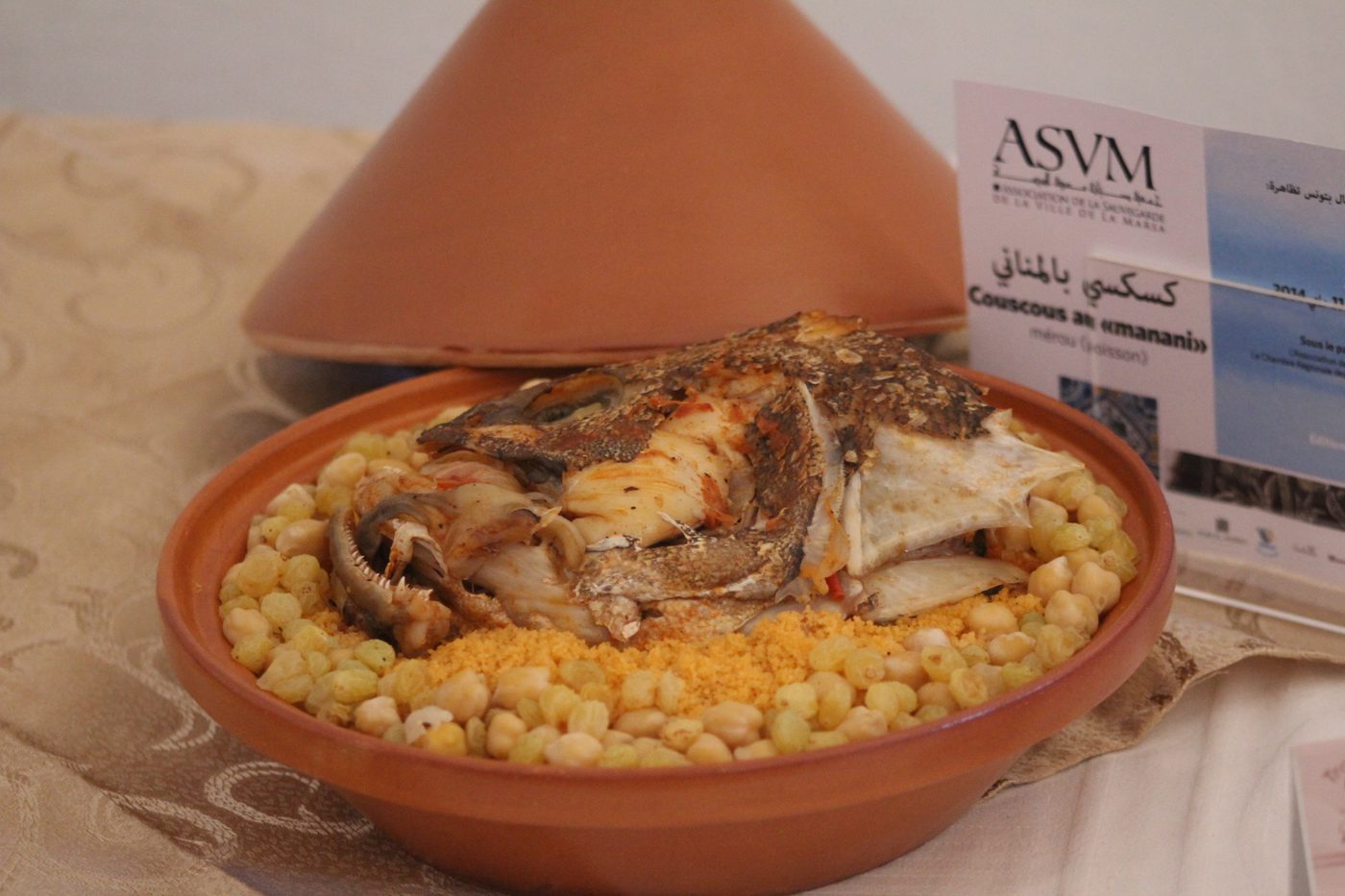
Ramadan is the ninth month of the Islamic calendar and the holiest period of the Muslim year. From dawn until sunset each day, observant Muslims fast — no food, drink, smoking — and devote extra time to prayer, reflection, charity and family. The daytime fast is broken each evening at sunset with iftar (in Tunisia often called ftour), which begins the moment the sun goes down, traditionally with dates and water or a bowl of soup. The whole month is deeply important, and Tunisia, an overwhelmingly Muslim country, observes it widely — which is exactly why the daily rhythm of the country shifts while it lasts.
For a visitor, the single most useful thing to understand is that Ramadan effectively flips the day: it’s quieter and more subdued when the sun is up, and warmer, busier and more sociable after dark. Plan around that and you’ll enjoy it. Fight it — expecting a normal daytime buzz — and you’ll be frustrated.
When is Ramadan in Tunisia? Dates for 2027 and 2028
Ramadan moves through the calendar. Because the Islamic year is lunar and about eleven days shorter than the Western calendar year, Ramadan starts roughly ten to eleven days earlier each year, drifting slowly backwards through the seasons. So the “when” changes every year, and — importantly — the exact start and end can’t be pinned down far in advance, because they depend on the sighting of the new crescent moon.
Here are the best current estimates. Treat every date as provisional until it’s confirmed locally a day or so ahead by moon sighting.
| Year | Ramadan begins (estimated) | Ramadan ends / Eid al-Fitr (estimated) | Season |
|---|---|---|---|
| 2027 | Around Monday 8 February 2027 | Around 9–10 March, with Eid al-Fitr around Tuesday 9 March | Late winter |
| 2028 | Around Friday 28 January 2028 | Around late February 2028 | Mid/late winter |
A few honest caveats on those dates. The 8 February 2027 start is a widely published astronomical estimate and looks solid, but it — and the Eid date that ends the month — could shift by a day depending on the moon sighting; some calendars put Eid al-Fitr 2027 a day or two later. The 2028 start of around 28 January is a projection and should be treated as approximate; verify it closer to the time. Because Ramadan 2027 and 2028 both fall in late winter, they overlap neatly with Tunisia’s cooler, quieter, cheaper season — the same window covered in our Tunisia winter sun guide, and close to the timing of a trip in February. If your dates are near either end of these estimates, check a reliable local source before you make firm plans.
Two practical notes. First, the run-up to Eid al-Fitr — the celebration that ends Ramadan — is the busiest travel period of all, when Tunisians visit family and many businesses close for a couple of public holiday days; expect shops shut and transport packed around then. Second, the very start and end are the most uncertain, so if timing matters, build in a little flexibility.
What changes for tourists during Ramadan
Here’s the part that actually affects your day. None of it is dramatic, but knowing it in advance turns potential frustration into a smooth trip. If you’re weighing up a resort versus a town-centre base, our where-to-stay guide is worth a look, because your choice of accommodation shapes how much Ramadan affects you.
Daytime dining: hotels fine, streets quieter
This is the big one, and it splits neatly in two. Inside tourist and resort hotels, it’s business as usual: breakfast, lunch and dinner are served as normal, buffets run, room service works, and you can eat and drink through the day without a second thought. Hotels that cater to international guests are set up for exactly this, so an all-inclusive or resort stay is barely affected.
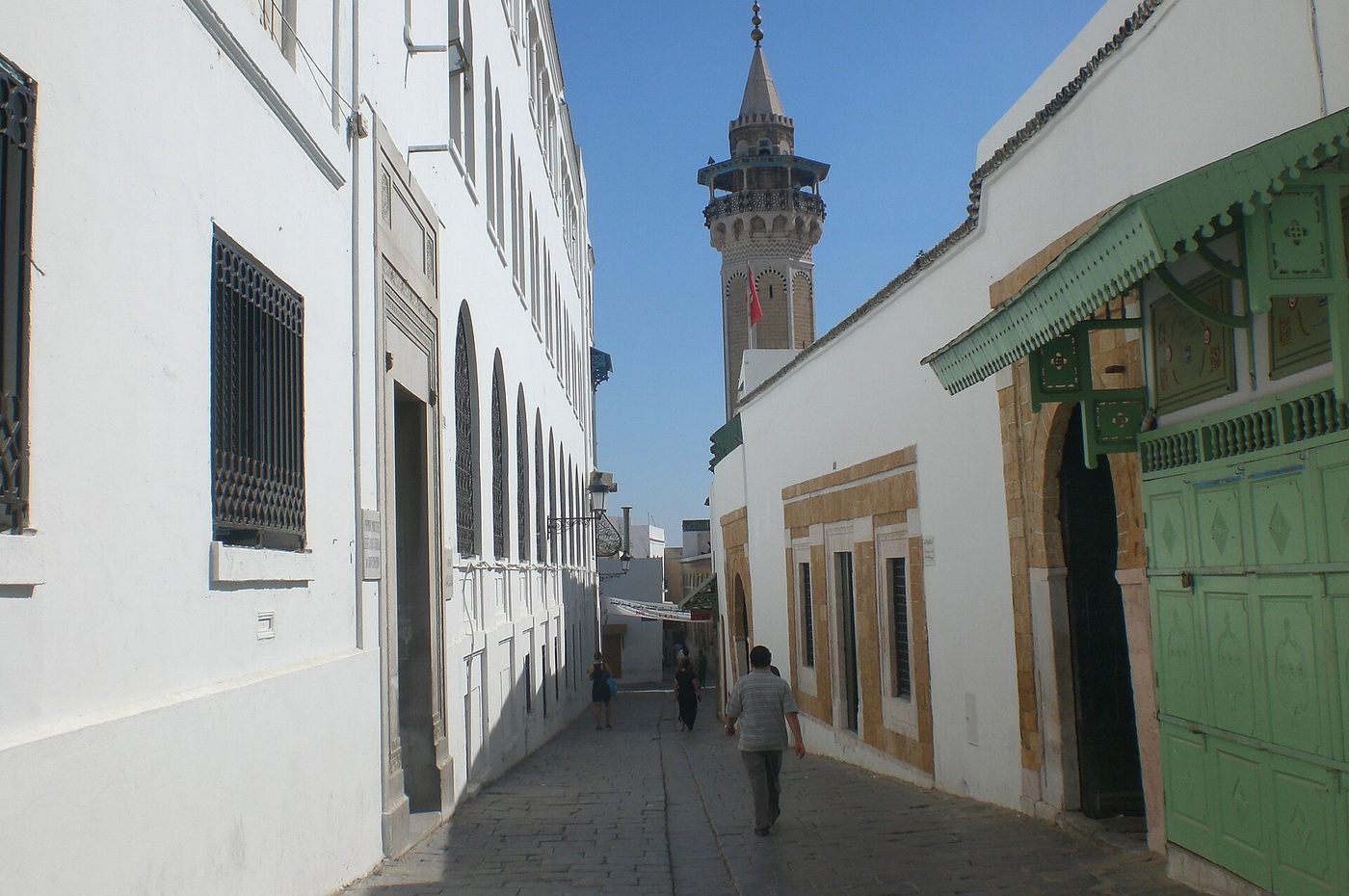
Step outside the hotel in the daytime, though, and it’s a different scene. Many local cafés and restaurants — the ones that serve Tunisians rather than tourists — close during daylight or open only in the evening, because their customers are fasting. In the bigger cities and tourist areas you’ll still find some places open for lunch, and it’s worth asking your hotel or calling ahead to a recommended restaurant. But if you’re planning to wander a medina at midday and pop into a café, expect fewer options than usual and shorter hours.
Shops, sights and opening hours
Museums, historic sites and major attractions generally stay open during Ramadan, but some run reduced or shifted hours — often closing earlier in the afternoon so staff can get home for iftar. Shops and souks may open later, close in the mid-afternoon, or keep unusual hours, then buzz back to life in the evening. Government offices and banks typically work shorter days. The upshot: don’t assume standard opening times, build in a bit of slack, and aim to do your sightseeing in the morning when things are most reliably open.
The evenings: this is when it comes alive
If the daytime is subdued, the evening is the payoff. The moment the sun sets and the fast is broken, the whole country exhales. Families gather for iftar, restaurants and cafés fill, streets and squares come alive, and the sociable atmosphere often stretches late into the night. Special foods and sweets appear, markets stay open late, and there’s a warmth and energy to the evenings that many visitors say is the best thing about being there during Ramadan. If you can shift your own rhythm — quiet mornings, a rest in the afternoon, then out in the evening — you’ll experience the country at its most characterful.
Alcohol during Ramadan
Alcohol is harder to come by during Ramadan than at other times. Some shops that normally sell it stop for the month, and licensed bars may be quieter or more limited. That said, hotels that serve international guests generally continue to serve alcohol to tourists, though sometimes more discreetly, and availability varies by city and establishment. If a poolside drink matters to you, a resort hotel is your safest bet; don’t count on buying alcohol freely in shops or town-centre bars during the month.
Driving and daily rhythm
A small but real point: the hour before iftar can see hurried, distracted driving as people rush home to break their fast, and public transport can be busy at odd times. It’s nothing to be alarmed about, but take extra care on the roads in the late afternoon, and don’t plan tight connections around sunset. Our getting around Tunisia guide covers taxis, louages and trains in more detail.
Is it respectful to visit Tunisia during Ramadan?
Yes — visitors are welcome, and non-Muslims are not expected to fast. Tunisians are, on the whole, warm and hospitable towards guests during Ramadan — one reason the country is a comfortable place to visit, as we set out in is Tunisia safe — and many are happy to explain their traditions or invite you to share an iftar. What’s appreciated in return is a little discretion and awareness, not grand gestures.
The simple guiding principle is this: don’t eat, drink or smoke ostentatiously in public places during daylight hours, out of consideration for those who are fasting. In a hotel, a licensed restaurant, your own room or a private space, you can eat and drink freely — that’s completely fine and expected. It’s specifically the visible, in-the-street eating and drinking in the daytime that’s best avoided, particularly away from the main tourist areas where fewer allowances are made.
Here’s the practical version of being a considerate guest:
- Eat and drink discreetly in the daytime. Fine in hotels and private spaces; avoid doing it openly on the street or on public transport, especially outside tourist zones.
- Dress modestly. Covered shoulders and knees are always appreciated in Tunisia and doubly so during Ramadan, particularly near mosques and in towns away from the beach.
- Be patient and good-humoured. People are fasting, tired and hungry by late afternoon; a little extra patience and a friendly manner go a long way.
- Accept hospitality warmly. If you’re invited to share iftar, it’s a genuine honour — go, and enjoy it.
- Keep noise and behaviour respectful. It’s a religious month; loud, boozy behaviour in public is out of step with the mood.
Get those right — and they’re common courtesy more than anything — and you’ll find Tunisians hugely welcoming. More on customs and etiquette is in our wider Tunisia travel tips.
The pros and cons of visiting during Ramadan
Ramadan isn’t better or worse than any other time to visit — it’s different, with a genuine set of upsides and downsides. Weigh them against the kind of trip you want.
| The upsides | The downsides |
|---|---|
| A unique, atmospheric cultural experience | Many daytime cafés and restaurants outside hotels are closed |
| Lively, sociable evenings and special foods | Reduced and shifted opening hours for shops and sights |
| Quieter attractions and fewer daytime crowds | Alcohol is harder to find outside hotels |
| Often lower prices in the off-season winter window | A slower, more subdued daytime pace |
| A warm welcome and a chance to share iftar | Busy roads and closures around Eid at the end |
| Resort hotels barely affected — normal service | Not ideal if you want lively daytime café life |
The pattern is clear. If you’re staying in a resort and mainly want sun, spa days, ruins and desert trips — the sort of trip in our things to do in Tunisia guide — Ramadan will barely register, beyond a quieter town when you venture out and the lovely evening atmosphere. If you’re an independent traveller who loves grazing at street cafés and drifting through busy daytime medinas, the daytime lull will change your trip more, and you’ll want to lean into the evenings instead.
Should you visit Tunisia during Ramadan? Who it suits
For most holidaymakers the answer is a relaxed “yes, if the dates suit you”. It especially suits:
- Resort and all-inclusive guests, who are barely affected by the daytime changes and can enjoy the atmosphere on their own terms.
- Culturally curious travellers, who’ll find the evenings, the food and the sense of occasion genuinely special.
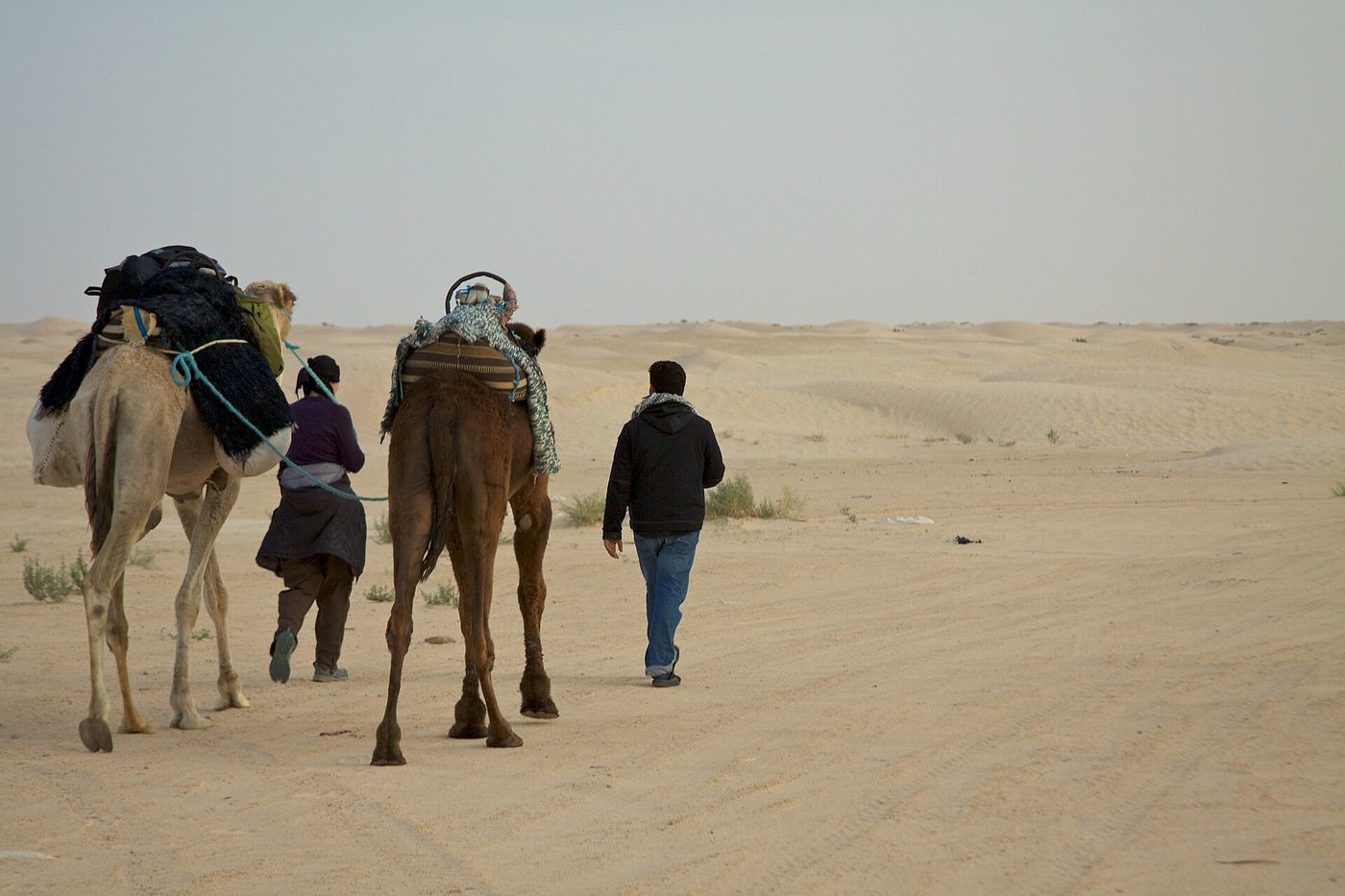
- Sahara and sightseeing visitors, since the desert circuit — Douz, Tozeur, Nefta, Ksar Ghilane, Matmata and Chott el Djerid — and the ruins are quieter and just as rewarding. A desert trip runs much as normal; see our Tunisian Sahara guide.
- Budget-minded travellers, given it falls in the cheaper winter season.
It suits you less well if you’re set on lively daytime café culture, easy access to alcohol, or a packed, everything-open city break in Tunis — in which case a non-Ramadan date will serve you better. If you’d rather avoid it entirely, simply check the estimated dates above against your plans and choose a different window; our month guides for October and other times of year can help.
Ramadan in Tunisia: your questions answered
Can tourists eat during Ramadan in Tunisia?
Yes. Non-Muslim visitors are not expected to fast, and you can eat and drink freely inside hotels, licensed restaurants, your room and other private spaces at any time. The only courtesy is to avoid eating, drinking or smoking openly in public during daylight hours, particularly on the street and away from tourist areas, out of respect for those who are fasting.
Are restaurants open during Ramadan in Tunisia?
Hotel restaurants stay open and serve as normal all day. Outside hotels, many local cafés and restaurants close during daylight or open only in the evening, though some places in cities and tourist areas serve lunch. After sunset almost everywhere reopens for iftar and the evenings are lively. Ask your hotel or call ahead if you want daytime dining out.
Do hotels in Tunisia serve food and drink during Ramadan?
Yes. Tourist and resort hotels operate normally throughout Ramadan — breakfast, lunch, dinner, buffets and room service all run as usual, and most continue to serve alcohol to guests, sometimes more discreetly. If you’re on an all-inclusive or staying in a resort, Ramadan has very little practical effect on your daily eating and drinking.
When is Ramadan in Tunisia in 2027?
Ramadan 2027 is expected to begin around Monday 8 February 2027 and end around 9–10 March, with Eid al-Fitr around Tuesday 9 March. These dates depend on the sighting of the new moon and could shift by a day or so, so treat them as estimates and confirm nearer the time.
When is Ramadan in Tunisia in 2028?
Ramadan 2028 is projected to begin around Friday 28 January 2028, ending in late February. This is an astronomical estimate made well in advance, and the actual start and end depend on the moon sighting, so verify the dates closer to the time rather than treating them as fixed.
Why does the date of Ramadan change every year?
Ramadan follows the Islamic lunar calendar, which is about eleven days shorter than the Western calendar year. As a result Ramadan begins roughly ten to eleven days earlier each year and moves slowly backwards through the seasons over time. Its exact start and end are confirmed by the sighting of the new crescent moon, so precise dates aren’t known far in advance.
Is it a good idea to visit Tunisia during Ramadan?
For many visitors, yes. If you’re in a resort or mainly want sun, spas, ruins and desert trips, Ramadan barely affects your holiday and adds a special evening atmosphere. If you love lively daytime café culture and easy access to alcohol, a different date may suit you better. It’s a different experience rather than a worse one.
Can you drink alcohol during Ramadan in Tunisia?
It’s harder to find. Some shops stop selling alcohol for the month and licensed bars may be quieter, but hotels that cater to international guests generally continue to serve tourists, sometimes discreetly. If a drink matters to you, rely on your resort hotel rather than expecting to buy alcohol freely in shops or town-centre bars during Ramadan.
What is iftar, and can tourists take part?
Iftar (often called ftour in Tunisia) is the evening meal that breaks the daily fast at sunset, traditionally starting with dates and water. It’s a warm, communal occasion. Many hotels and restaurants lay on special iftar spreads that visitors are welcome to join, and being invited to share iftar with a local family is a genuine honour worth accepting.
Will attractions and museums be open during Ramadan?
Generally yes, but often with reduced or shifted hours — many close earlier in the afternoon so staff can prepare for iftar. Shops and souks may open later and close mid-afternoon before reviving in the evening. Do your sightseeing in the morning, don’t assume standard opening times, and build a little flexibility into your plans.
Is Tunisia quieter during Ramadan?
In the daytime, yes — the pace is slower, streets are calmer and attractions are less crowded, which some travellers love. The evenings are the opposite: busy, sociable and lively once the fast is broken. The main exception is the end of Ramadan around Eid al-Fitr, when travel peaks, roads are busy and many businesses close for the public holidays.
What should I avoid doing during Ramadan in Tunisia?
Avoid eating, drinking or smoking openly in public during daylight, especially outside tourist areas; save it for hotels and private spaces. Avoid loud or boozy behaviour in public, dress modestly (covered shoulders and knees), and be patient with people who are fasting. None of this is onerous — it’s ordinary courtesy — and it’s warmly appreciated.
Does Ramadan affect a Sahara or desert trip?
Not much. Desert tours around Douz, Tozeur, Nefta and Ksar Ghilane run largely as normal, and the winter timing of Ramadan in 2027 and 2028 happens to fall in the best season for desert touring. Your guides and camps are set up for visitors, so you can eat and drink as needed; simply be considerate around anyone who is fasting.
Written by the Tunisia Tourism Guide team — an independent, UK-focused guide to travelling in Tunisia. We don’t sell tours or take hotel commissions. Ramadan dates are estimates that depend on the sighting of the moon and can shift by a day or more; always confirm the current dates and local opening hours before you travel.
Photo credits
All images via Wikimedia Commons, used with thanks: Medina of Tunis © م ض (CC BY-SA 4.0); Great Mosque of Kairouan © Monaam Ben Fredj (CC BY-SA 4.0); Tunisian couscous © Wajih Khalfallah (CC BY-SA 4.0).
One response to “Visiting Tunisia During Ramadan: What Changes”
[…] timing note worth flagging: during Ramadan the rhythm of the day shifts, cafés are quieter until sunset, and the market winds down […]