By the Tunisia Tourism Guide team · Last updated 15 November 2026 · We don’t sell tours or take hotel commissions — this is independent advice, written to be useful.
Tunisia is a Muslim-majority country, so it’s a fair question before you book: can you actually have a drink on holiday? Will the all-inclusive serve beer at the pool bar? Can you pick up a bottle of wine for the apartment, and what happens if your trip falls during Ramadan?
Alcohol in Tunisia is legal for tourists. Licensed hotels, bars and restaurants serve it, and supermarkets can sell it except on Fridays. During Ramadan, sales are banned and fewer places serve, though holiday resorts are exempt. Drink in licensed venues, and never drive after drinking: Tunisia’s limit is far stricter than England’s.
This guide is part of our wider Tunisia travel tips. It sets out the rules that actually apply to visitors, where you can and can’t drink, how Ramadan and Fridays change things, the local drinks worth trying, the drink-driving limit, and the etiquette that keeps everyone comfortable.
Alcohol in Tunisia at a glance
| Question | Short answer |
|---|---|
| Is alcohol legal? | Yes, sold and served in licensed places |
| Hotels and resorts? | Yes; hotel bars serve it, and many all-inclusives include local drinks |
| Bars and restaurants? | Licensed ones only; many local restaurants and cafés don’t serve alcohol |
| Supermarkets? | Some sell it, but not on Fridays |
| During Ramadan? | Sales banned and fewer venues serve; the rules don’t apply at holiday resorts |
| Drinking in the street? | Don’t. Drink in licensed venues or your hotel |
| Drink-driving limit | 0.3 grams per litre of blood for ordinary drivers; zero for learner and professional drivers |
| Local drinks to try | Celtia beer, Tunisian wine, boukha (fig spirit), Thibarine liqueur |
The rules: what the FCDO says
The UK’s Foreign, Commonwealth & Development Office covers alcohol in its Tunisia advice on local laws and customs. In summary: the sale of alcohol is permitted in Tunisia, but it is banned in supermarkets on Fridays, while hotels and bars can still serve it. During Ramadan, the sale of alcohol is banned and consumption is restricted to a smaller number of restaurants and bars. And, importantly for most British visitors, the FCDO says these rules do not apply at holiday resorts.
FCDO advice, last updated 24 July 2026 and still current on 10 November 2026; always check gov.uk/foreign-travel-advice/tunisia before you book.
In practice, that means a resort holiday in Hammamet, Sousse, Port El Kantaoui, Monastir or Djerba feels much like a holiday anywhere else in the Mediterranean as far as a drink is concerned. The differences show up when you leave the resort: in a city, a small town or the countryside, alcohol is something you find in specific licensed places rather than everywhere.
Where you can drink in Tunisia
Hotels and all-inclusive resorts
This is where most visitors drink, and it’s straightforward. Tourist hotels have licensed bars, and the resort zones are where Tunisia’s alcohol rules are most relaxed. On an all-inclusive, local beer, local wine and cocktails made with local spirits are commonly included, with imported brands and premium spirits charged as extras. What’s included varies from hotel to hotel and package to package, so read the small print: “all-inclusive” can mean anything from drinks at set bars during set hours to a genuinely all-day, all-bars arrangement. Our guide to all-inclusive holidays in Tunisia explains what to check before you book, and our pick of the best all-inclusive hotels in Tunisia covers individual resorts.
Bars, beach bars and nightlife
Outside the hotels, the resort strips have bars, beach bars, lounges and clubs that serve alcohol, especially in Hammamet, Yasmine Hammamet, Port El Kantaoui and on Djerba’s tourist coast. Tunis has licensed bars and hotel bars too, and the seaside suburbs have a livelier evening scene. Our honest guide to nightlife in Tunisia covers where to go and what to expect.
In towns away from the tourist trail, the bars that exist tend to be low-key and mostly male, and are not set up with visitors in mind. You won’t be turned away, but a hotel bar is usually the more comfortable choice, particularly for women.
Restaurants
Many restaurants in the tourist zones and the smarter restaurants in the cities are licensed, and you can order beer or wine with dinner. Plenty of others are not, especially traditional local restaurants, cafés and street-food places. If a drink with your meal matters, ask before you sit down, or look for wine on the menu. Being unlicensed isn’t a sign of a poor restaurant: some of the best Tunisian food you’ll eat comes with mint tea or a bottle of water. Our guide to Tunisian food covers what to order.
Cafés
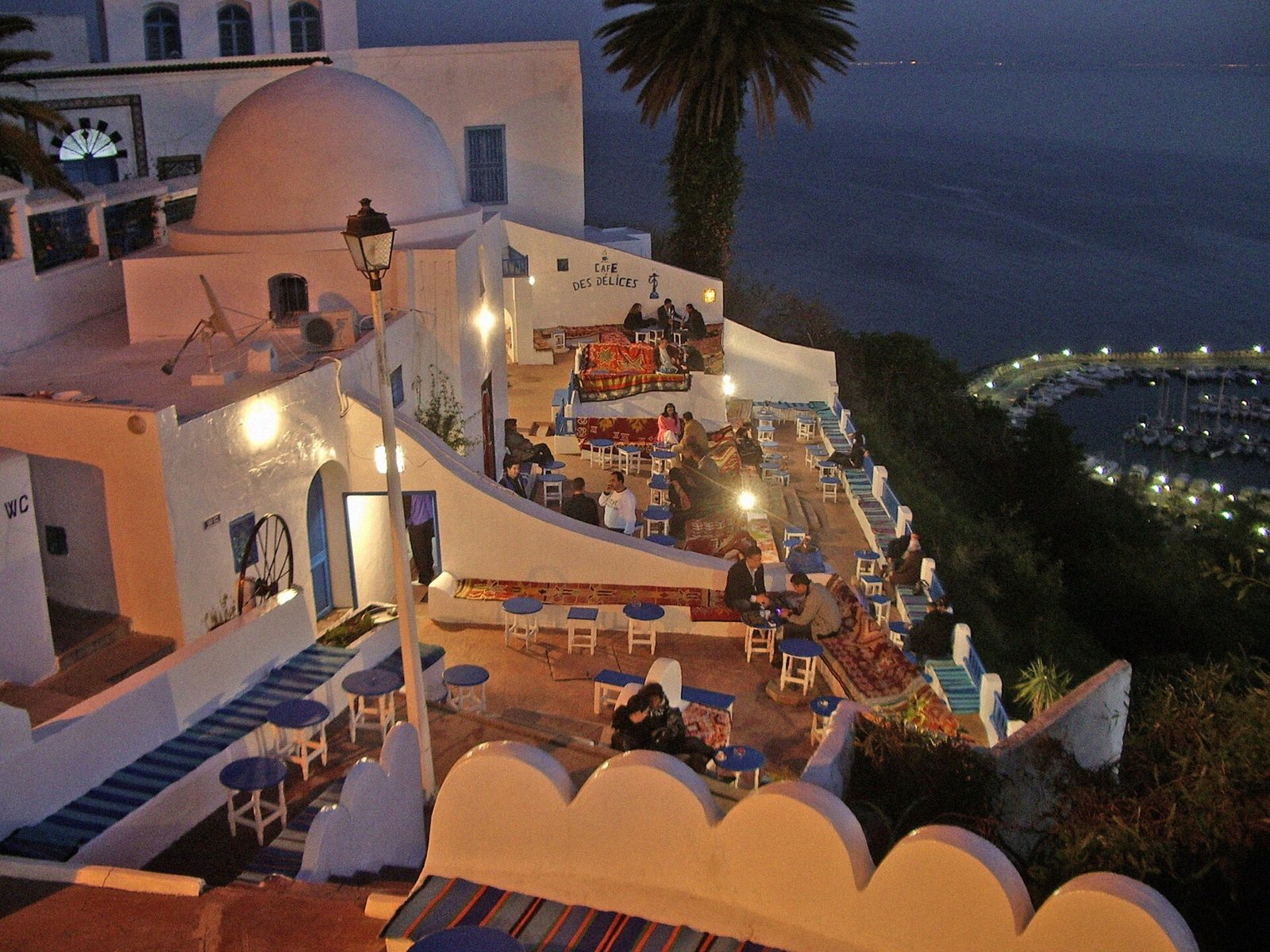
The Tunisian café is a social institution, but it’s built around coffee, mint tea and conversation, not alcohol. The terraced cafés of Sidi Bou Said, high above the bay, are a classic example: you go for the view and a glass of mint tea with pine nuts, not a beer.
Buying alcohol in shops and supermarkets
If you’re self-catering or simply want a bottle in your room, some larger supermarkets in the cities and resort areas have an alcohol section. Smaller grocery shops and corner shops generally don’t sell it.
Three rules matter:
- Not on Fridays. The FCDO says alcohol sales are banned in supermarkets on Fridays. Plan ahead if you want to buy for the weekend.
- Not during Ramadan. Outside the resorts, sales stop for the month.
- Be discreet. Carry bottles in an opaque bag and drink them in your accommodation, not in the street, on the beach outside your hotel or in a park.
Opening hours of supermarket alcohol counters can be shorter than the shop’s own hours, so don’t leave it until late in the evening.
Ramadan and alcohol
Ramadan is the month when Tunisia’s alcohol rules bite. The FCDO says sales are banned and consumption is restricted to fewer restaurants and bars, while the rules don’t apply at holiday resorts. It also notes that eating, drinking, smoking or chewing gum in public during daylight hours may cause offence, and that some places serving food and drink during fasting hours screen off their windows.
For a resort-based holiday, very little changes: the hotel bars keep serving. Outside the resorts, expect bars to be closed or very quiet, restaurants to stop serving alcohol, and supermarkets not to sell it. Be particularly discreet about drinking anything, even water, in public during the day.
Ramadan 2027 is expected to begin in early February. La Presse reported astronomical projections by Tunis’s Cité des Sciences of a start on Monday 8 February 2027 and Eid al-Fitr on Wednesday 10 March, but these are provisional; the official dates are announced nearer the time. Our guide to Ramadan in Tunisia covers what the month is like for visitors, including the lively evenings once the fast is broken.
Drink-driving: much stricter than at home
If you’re hiring a car, this is the rule that matters most. The FCDO says Tunisia’s legal drink-driving limit is stricter than in England and Wales, and that you could get a fine and a prison sentence if you’re over it. The government decree on drink-driving, as reported in the Tunisian press, sets the limit at 0.3 grams of alcohol per litre of blood for ordinary drivers, and at zero for learner drivers and professional drivers. The limit in England and Wales is 80 milligrams per 100 millilitres of blood, which is 0.8 grams per litre: Tunisia’s is well under half that.
The honest advice is simple. If you’re driving, don’t drink at all. A single beer could put some people close to the Tunisian limit, and the consequences of an accident abroad, legal, medical and with your insurer, are far worse than at home. Use taxis instead: they’re cheap, and our guide to getting around Tunisia explains how to use them.
What to drink: Tunisia’s own drinks
Tunisia produces its own beer, wine and spirits, and trying them is part of the fun.
Celtia and other beers
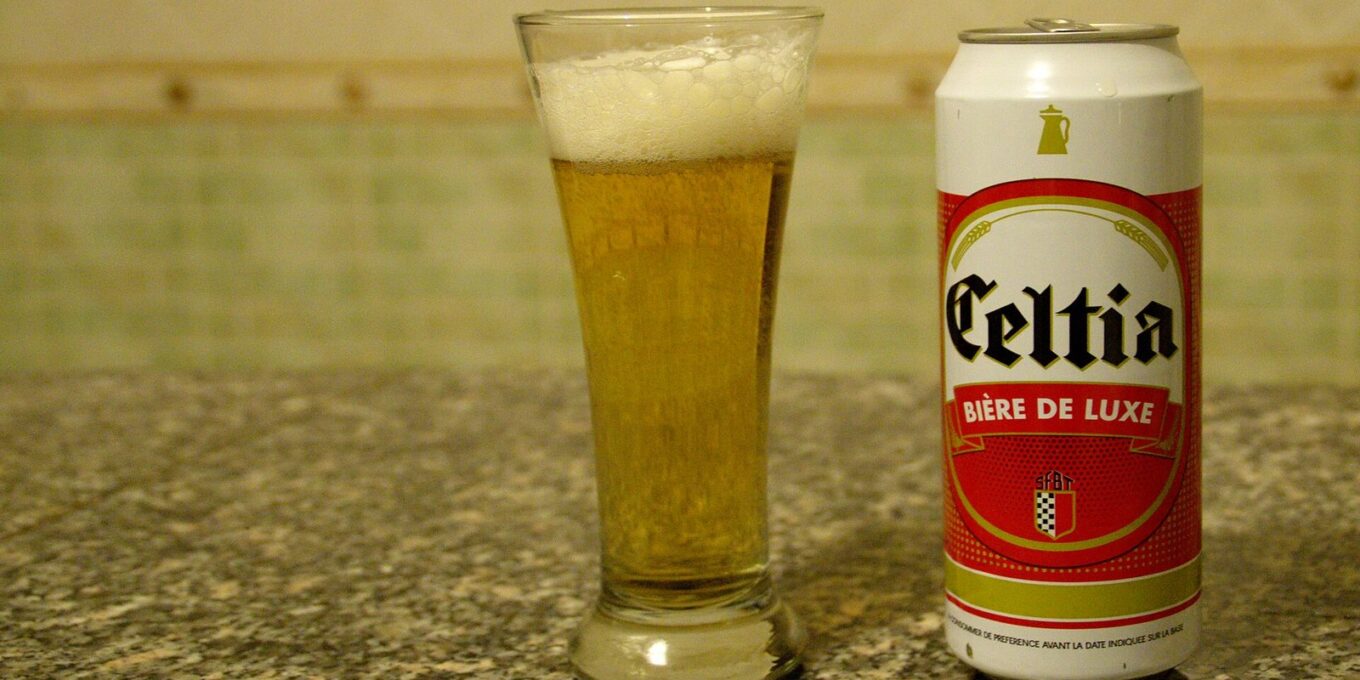
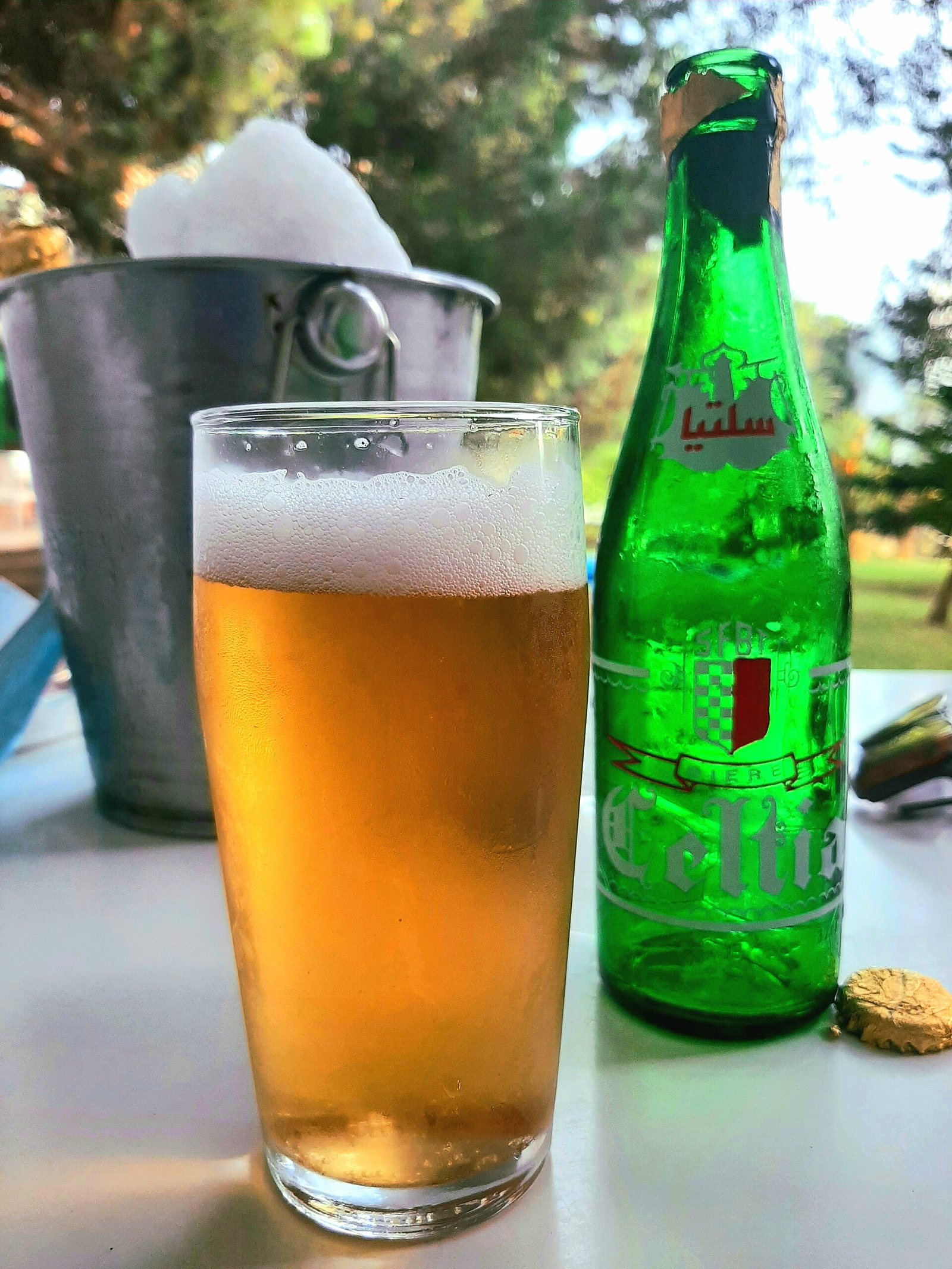
Celtia is the beer you’ll see most often: a light lager sold in cans and bottles. It’s made by SFBT, the Tunisian brewing company, which dates the launch of the Celtia brand to 1951. SFBT’s first beer brand was Stella, which predates Celtia, and you’ll find both in hotels and licensed bars. Imported beers are also available in many tourist venues, usually at a higher price.
Boukha
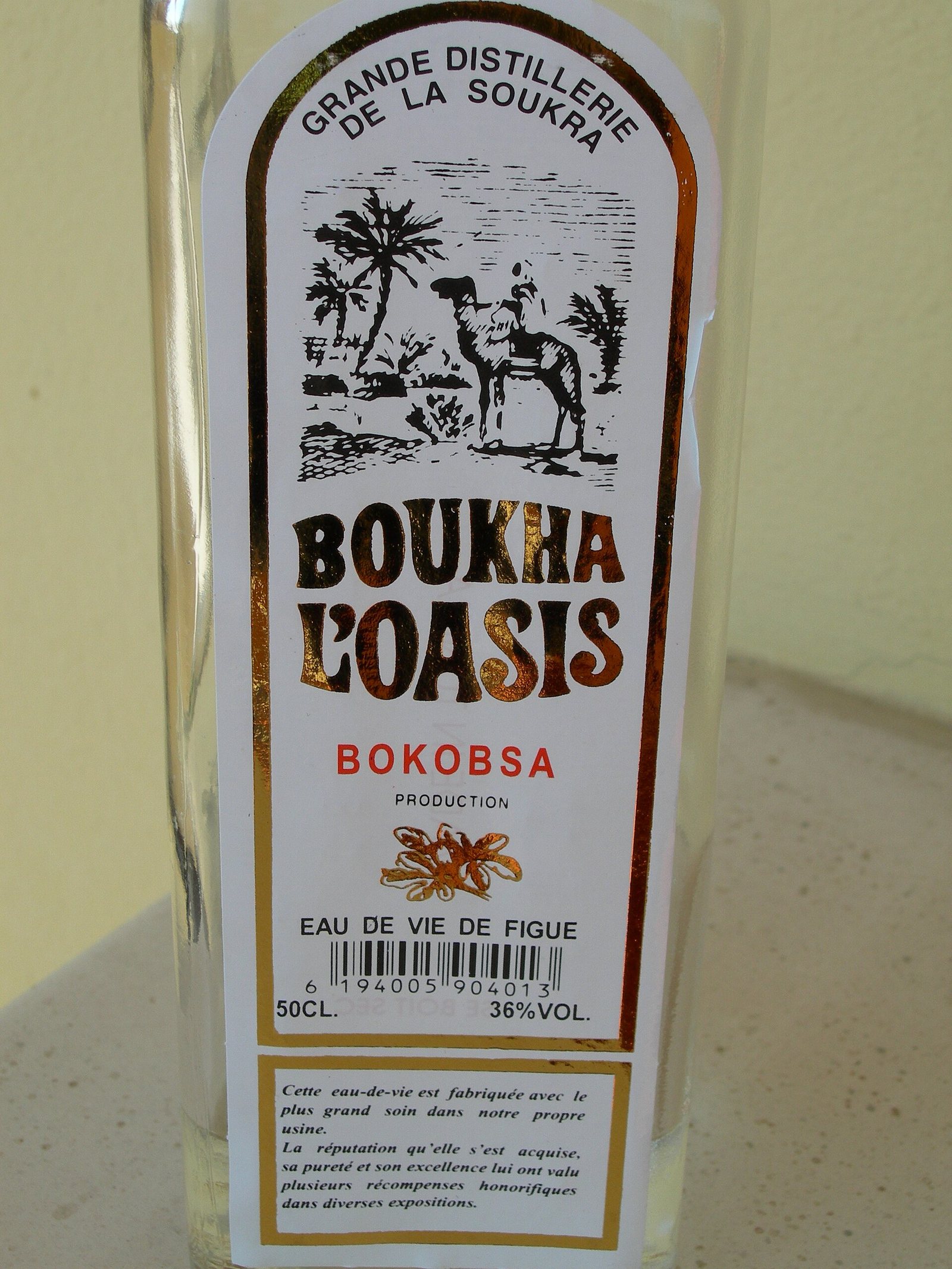
Boukha is a clear spirit distilled from figs, typically between 36% and 40% alcohol, with its roots in Tunisia’s Jewish community. It’s traditionally served chilled, either neat as a digestif or mixed, and it makes a more interesting souvenir than another fridge magnet. Treat it with respect: it’s strong.
Thibarine
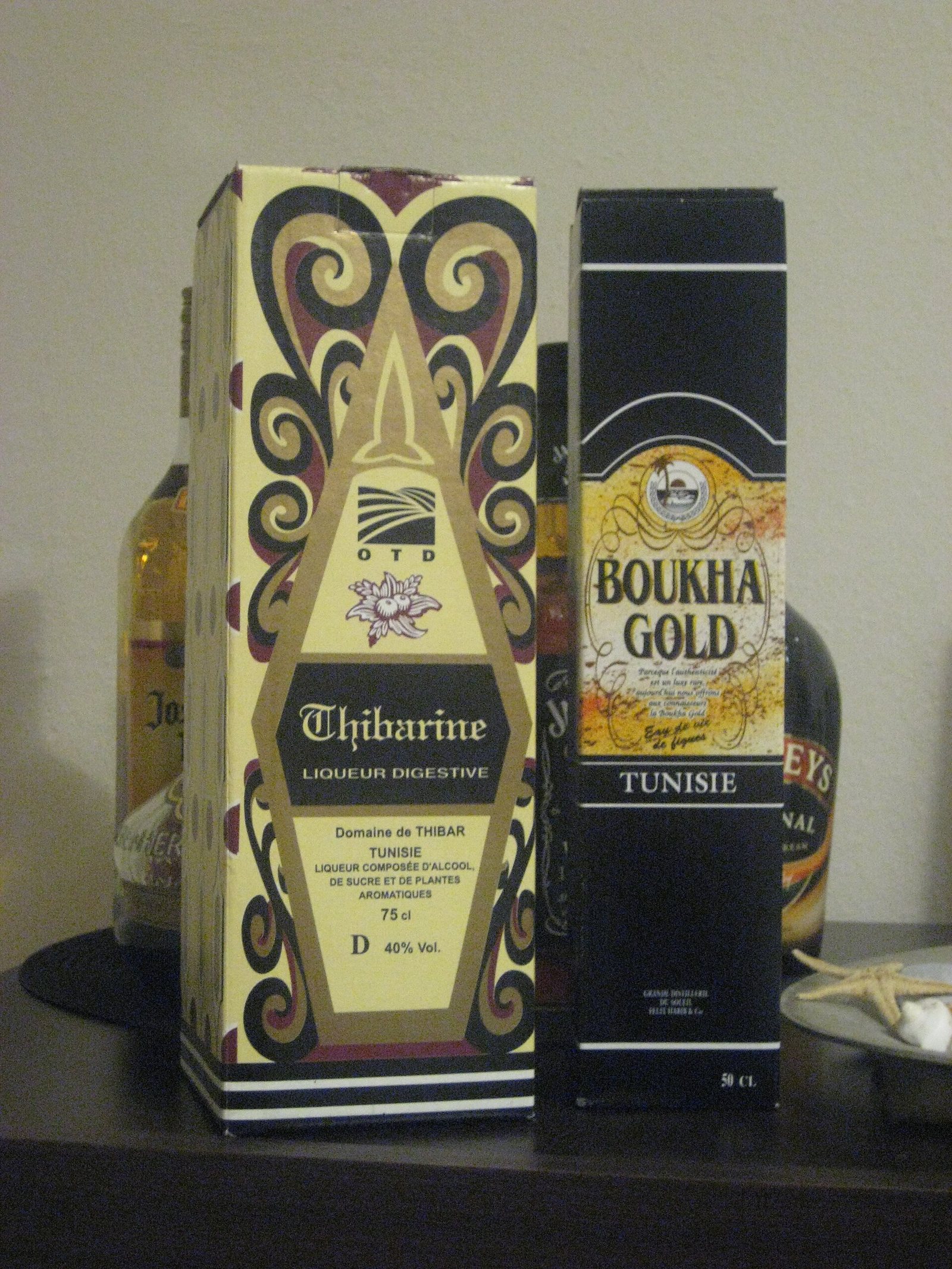
Thibarine is a sweet, herbal liqueur named after Thibar, in the north-west of Tunisia. It’s served as a digestif after dinner, and it is sold as a Tunisian souvenir bottle.
Tunisian wine
Wine has been made in what is now Tunisia since antiquity, as the vine-filled mosaics of Roman Carthage show, and the country still has a wine industry today. The vineyards are mainly in the north, and Cap Bon is known for its muscat. Local reds, rosés and whites appear on most hotel and restaurant wine lists, usually at much better value than imported bottles, and a chilled Tunisian rosé is a good match for grilled fish on a hot evening. If you’re touring the area, our guide to the Cap Bon peninsula covers the region.
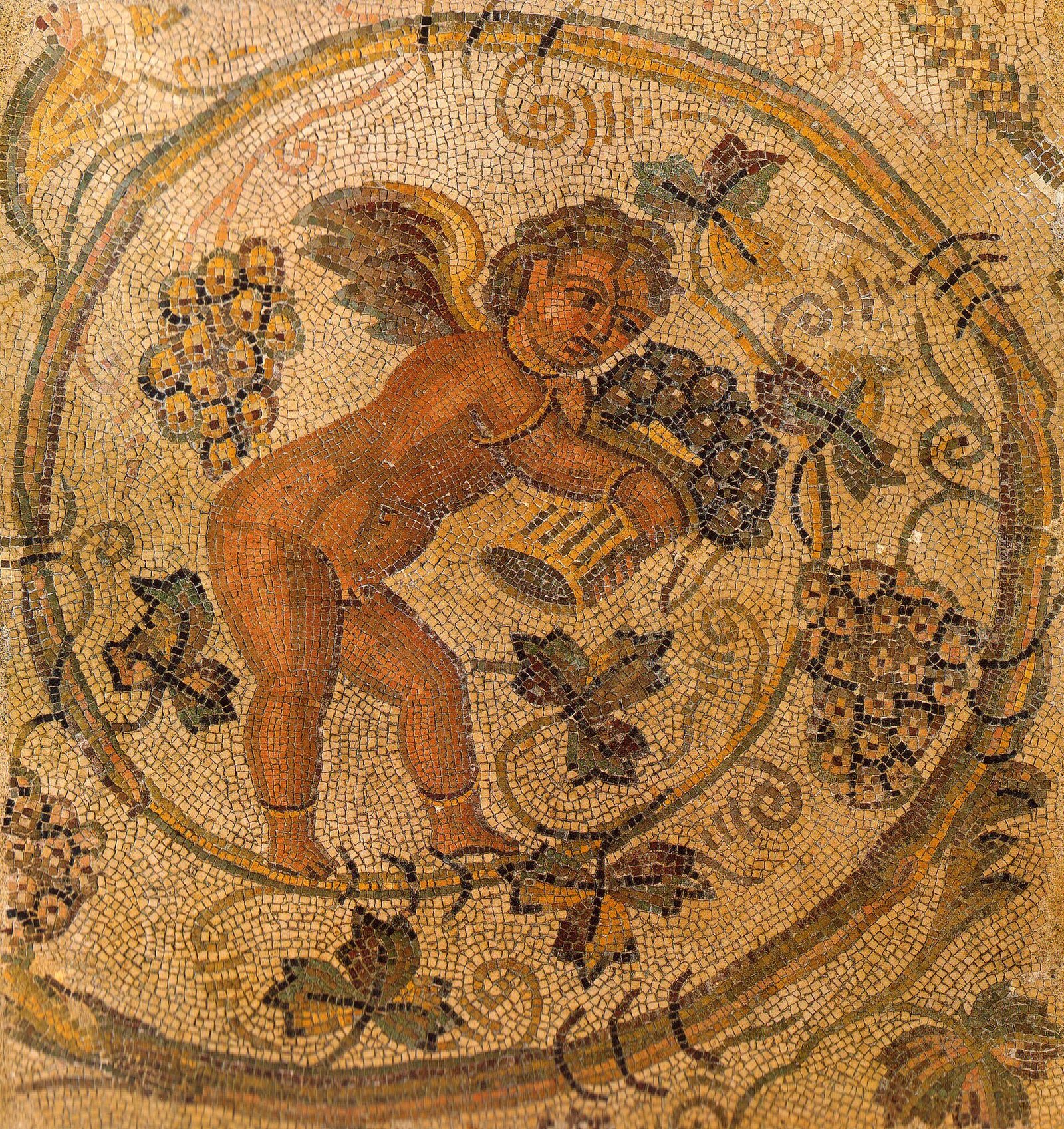
Lagmi
In the oases of the south, you may come across lagmi, the sap of the date palm, drunk fresh as a sweet, milky drink. Left to ferment, it becomes mildly alcoholic. It’s a local speciality rather than something you’ll find in a hotel bar.
What does alcohol cost in Tunisia?
Alcohol is the one area where Tunisia doesn’t feel like a bargain. Prices vary enormously by venue and change often, so here’s the shape of it:
- Cheapest: local beer and wine bought in a supermarket.
- Mid-range: local beer and wine in licensed restaurants and town bars.
- Most expensive: hotel bars, beach bars and lounges in the resort zones, and anything imported, especially wine and spirits.
Two practical tips. Check the menu, or ask the price, before you order, particularly at beach bars and lounges where prices aren’t always displayed. And if a drink in the evening is a big part of your holiday, do the sums on an all-inclusive package that includes local drinks; for many people it works out cheaper than paying as you go. For the wider picture of holiday costs, see our guide to whether Tunisia is expensive, and don’t forget a tip for bar staff: our tipping guide covers how much.
Bringing alcohol in, and taking it home
Arriving in Tunisia
Tunisian customs sets a duty-free allowance for alcohol brought into the country. The allowance can change, so check the Tunisian customs authority’s site (douane.gov.tn) or ask your airline before you pack a bottle. Airport duty-free shops are another option on the way home.
Flying home to the UK
Tunisia is outside the UK, so the UK’s allowances for goods brought in from abroad apply. HMRC’s allowance for Great Britain is 42 litres of beer and cider, 18 litres of wine (still or sparkling), and either 4 litres of spirits and other drinks over 22% alcohol or 9 litres of fortified wine and other drinks up to 22%. That’s plenty of room for a bottle of boukha and a couple of bottles of Tunisian wine. Check gov.uk’s duty-free goods page before you travel, and remember liquids rules for your hand luggage if you buy outside the airport.
What to expect, by type of trip
A resort or all-inclusive week
Expect no difference from a holiday in Spain or Turkey as far as your hotel is concerned: bars, a drink with dinner and the odd cocktail by the pool. The only planning is reading your package’s drinks policy, and remembering that the town’s supermarkets won’t sell alcohol on Fridays if you want a bottle for the balcony.
A city break in Tunis
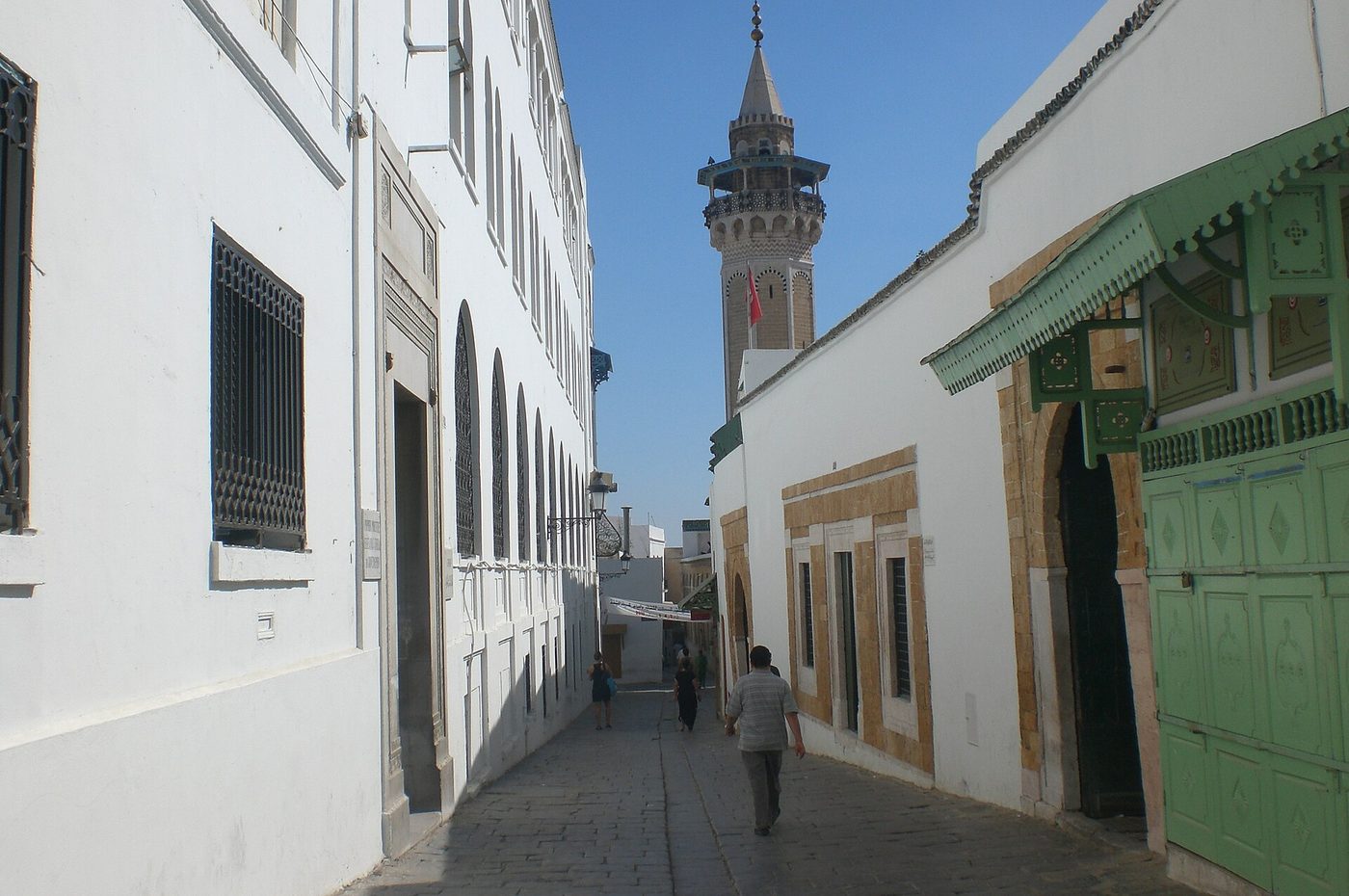
Drinking is a little more deliberate. Hotel bars, licensed restaurants and a handful of bars in the city centre and the seaside suburbs serve alcohol; the medina’s cafés and most traditional restaurants don’t. Our guide to Tunis covers the city’s neighbourhoods and where to base yourself.
A road trip
Two rules: don’t drink and drive, given the 0.3 g/l limit, and don’t assume your guesthouse or the restaurant in the next small town will have a licence. If a glass of wine with dinner matters to you, ask when you book your accommodation, or buy from a supermarket in a bigger town before you head inland.
A Sahara trip
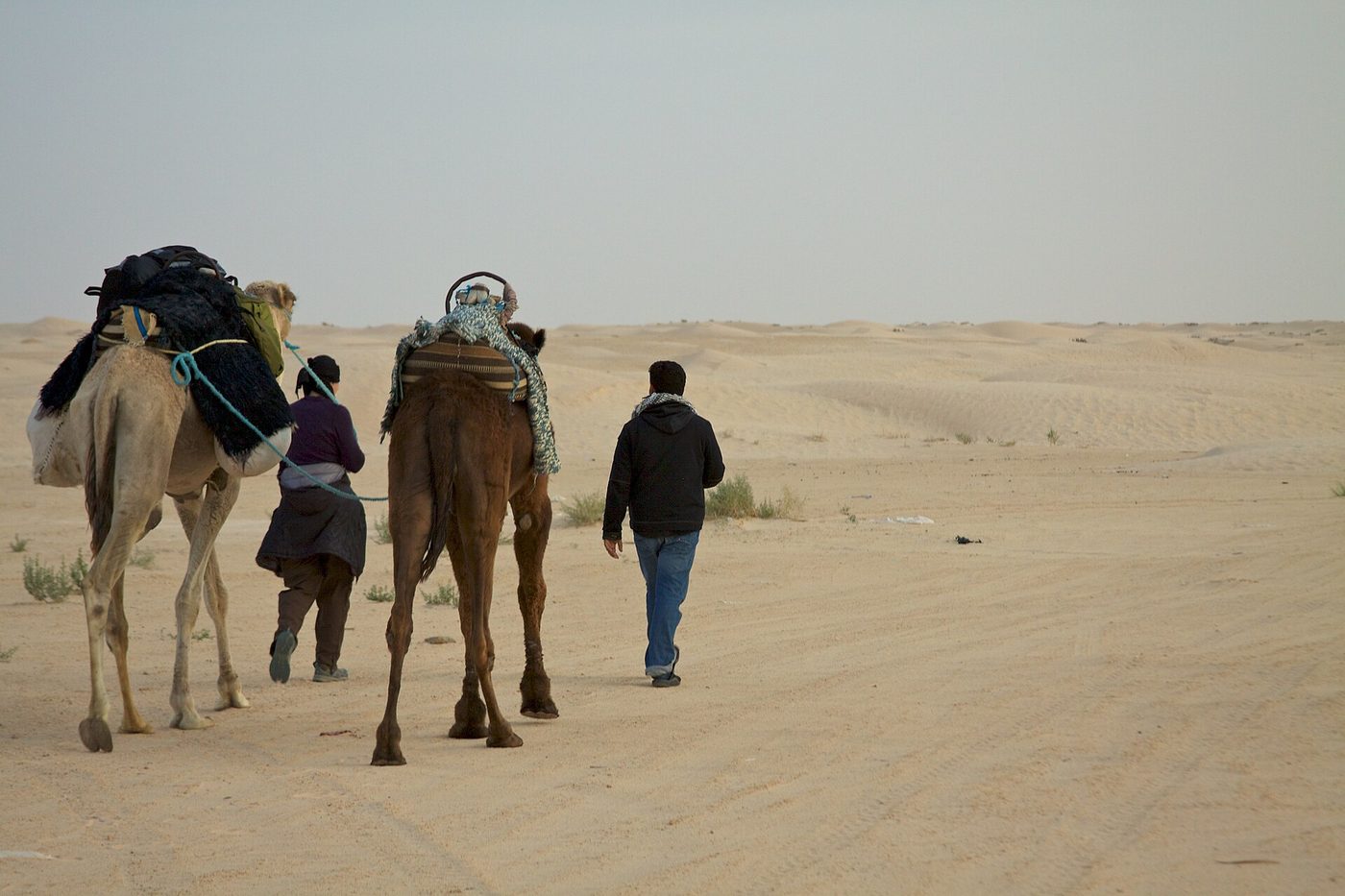
Desert camps vary. Some sell drinks, some don’t, and some are happy for you to bring your own. Ask when you book rather than assuming, and remember that alcohol, fierce desert sun and a long drive the next morning don’t mix well.
Etiquette: drinking respectfully
Tunisians are used to visitors drinking, and nobody in a resort will bat an eyelid at a beer by the pool. Outside the resorts, a few courtesies go a long way:
- Drink in licensed venues or your accommodation, never in the street, in a park or on a public beach.
- Don’t be visibly drunk in public. It’s frowned upon everywhere and can attract unwelcome attention from police or anyone else.
- Don’t assume everyone drinks. Many Tunisians don’t, for religious or personal reasons. Don’t press drinks on a guide, a driver or a new acquaintance; offer a coffee or tea instead.
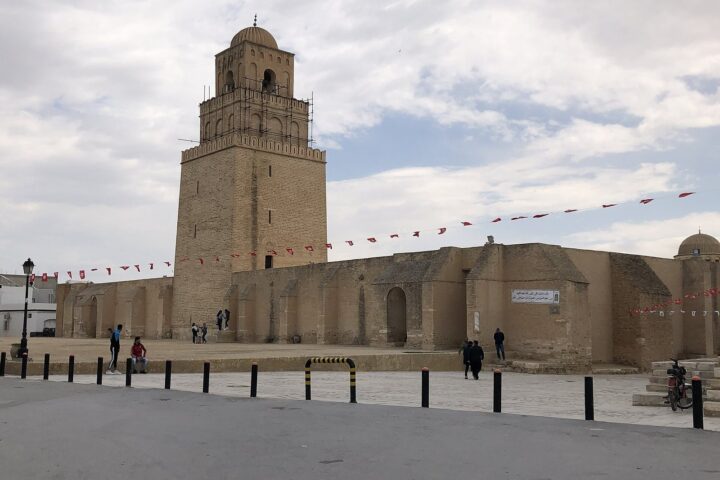
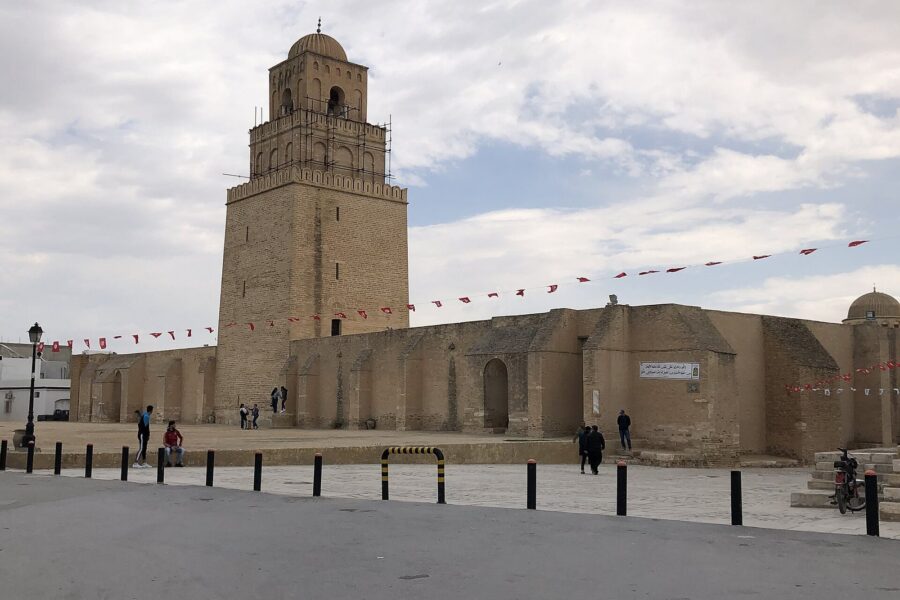
- Be extra careful near mosques and in conservative towns such as Kairouan, and during Ramadan.
- Look after yourself in the heat. Sun and alcohol together dehydrate you fast. Alternate with water, and remember that a hangover in 35°C heat is no fun at all.
- Watch your drink in busy bars and clubs, as you would anywhere, and don’t leave it unattended.
For the wider picture on staying safe, read our guide to whether Tunisia is safe.
If you don’t drink: Tunisia’s non-alcoholic drinks
Plenty of visitors find they drink less in Tunisia, and not just for the price. The non-alcoholic options are excellent. Mint tea, often served with pine nuts, is everywhere. Tunisian coffee is strong and cheap, whether a short express or a café crème. Fresh orange juice is a treat in season, and many cafés make citronnade, a refreshing drink of blended lemons, sugar and water. On a hot afternoon in a medina café, it beats a beer.
Alcohol in Tunisia: frequently asked questions
Can you drink alcohol in Tunisia?
Yes. Alcohol is legal and sold in licensed hotels, bars and restaurants, and some supermarkets sell it, though not on Fridays. Tourists can drink freely in their hotel and in licensed venues. During Ramadan, sales are banned and fewer places serve outside holiday resorts, where the rules don’t apply. Drinking in the street or being drunk in public is best avoided.
Do all-inclusive hotels in Tunisia serve alcohol?
Yes. Tourist hotels have licensed bars, and many all-inclusive packages include local beer, local wine and cocktails made with local spirits, with imported brands charged as extras. What’s covered, and at which bars and hours, varies by hotel, so check your package details before you book. The FCDO says Tunisia’s Friday and Ramadan restrictions don’t apply at holiday resorts.
Can you buy alcohol in Tunisian supermarkets?
Some larger supermarkets in the cities and resort areas have an alcohol section, while small grocery shops generally don’t sell alcohol. The FCDO says supermarkets are banned from selling alcohol on Fridays, and sales stop during Ramadan outside the resorts. Carry what you buy in an opaque bag and drink it in your accommodation.
Can you drink alcohol in Tunisia during Ramadan?
In holiday resorts, yes: the FCDO says the Ramadan restrictions don’t apply there, so hotel bars keep serving. Elsewhere, alcohol sales are banned for the month and consumption is limited to a smaller number of restaurants and bars. Ramadan 2027 is provisionally expected to begin around 8 February, subject to the official announcement.
What is the drink-driving limit in Tunisia?
The government decree on drink-driving, as reported in the Tunisian press, sets the limit at 0.3 grams of alcohol per litre of blood for ordinary drivers and zero for learner and professional drivers. That’s well under half the limit in England and Wales. The FCDO warns you could face a fine and prison if you’re over the limit. If you’re driving, don’t drink.
What is the local beer in Tunisia?
Celtia, a light lager made by the Tunisian brewer SFBT, which dates the brand’s launch to 1951. It’s sold in hotels, bars and licensed restaurants across the country, in cans and bottles. SFBT also makes Stella, its original brand. Imported beers are available in many tourist venues, usually at a higher price.
What is boukha?
Boukha is a Tunisian spirit distilled from figs, typically 36% to 40% alcohol, with roots in Tunisia’s Jewish community. It’s served chilled, neat as a digestif or in mixed drinks. It’s sold in licensed shops and hotels in Tunisia and makes a good souvenir, within your UK duty-free allowance.
Is it rude to drink alcohol in Tunisia?
Not in the right places. In hotels, resorts and licensed bars and restaurants, drinking is completely normal. What causes offence is drinking in public spaces, being visibly drunk, pressing drinks on Tunisians who don’t drink, or drinking openly during Ramadan outside the resorts. Be discreet and respectful and nobody will mind.
Is alcohol expensive in Tunisia?
Relative to everything else in Tunisia, yes. Local beer and wine bought in a supermarket are the cheapest options, while hotel bars, beach bars and anything imported cost noticeably more. Prices vary widely by venue, so check the menu before you order. If drinks are a big part of your holiday, an all-inclusive package that covers local drinks can be the better deal.
Final thoughts
Alcohol is easy to find in Tunisia as long as you know where to look: in your hotel, in licensed bars and restaurants, and in supermarkets except on Fridays and during Ramadan. The rules tighten during Ramadan and away from the resorts, and the drink-driving limit is strict enough that the only sensible approach behind the wheel is not to drink at all. Respect that, try a Celtia and a glass of boukha, and you’ll find Tunisia an easy place to enjoy a drink. Before you go, brush up on which languages Tunisians speak, check our advice on what to wear in Tunisia, and plan your evenings with our guide to Hammamet, one of the liveliest resorts.
Written by the Tunisia Tourism Guide team — an independent UK-focused guide to travelling in Tunisia. We don’t sell tours or take hotel commissions. Prices and advice were checked at publication; always confirm current details before you book.
Photo credits
All images via Wikimedia Commons, used with thanks: Celtia beer bottle © Habib M’henni (CC BY-SA 4.0); Café des Délices, Sidi Bou Said © Helder da Rocha (CC BY-SA 2.0); A bottle of boukha © Maxx1972 at Italian Wikipedia (CC BY-SA 3.0); Thibarine and Boukha Gold © Ali Utku Selen (CC BY-SA 2.0); Grape-harvesting cupid mosaic from Carthage (Louvre): Unknown 300s (Public domain); A can of Celtia beer: Habib M’henni (Public domain).