By the Tunisia Tourism Guide team · Last updated 2 July 2026 · We don’t sell tours or take hotel commissions — this is independent advice, written to be useful.
If your idea of a good night out is a strip full of clubs, cheap shots and a foam party at 3am, we need to have an honest chat before you book. Tunisia isn’t Magaluf, and it was never trying to be. But that doesn’t mean the evenings are dead — far from it. So let’s set the record straight, resort by resort, and work out where you’ll actually have the night you’re after.
So here’s the short version. Tunisia nightlife is real but resort-based: think hotel shows, marina bars, a handful of proper clubs and long, warm evenings out rather than a full-on club strip. It’s a Muslim country, so alcohol is served in licensed hotels and bars rather than everywhere, and the liveliest scene is around Yasmine Hammamet. Sousse and Port El Kantaoui come close behind; Djerba is deliberately calm, and Tunis is the real year-round local scene. Pick the right resort and you’ll be delighted.
This is the conversation we’d have with a mate who’d found a cheap package and wanted to know, honestly, what the nights are like. It’s part of our wider guide to things to do in Tunisia, and if you’re still deciding whether to come at all, start with whether Tunisia is worth visiting first.
Nightlife at a glance: which resort suits your night?
If you only read one thing, read this. It’s the summary we’d give you at the airport.
| Resort | What the night’s actually like | Who it suits |
|---|---|---|
| Yasmine Hammamet | The closest thing Tunisia has to a party strip — marina bars, a couple of big clubs, hotel entertainment | Couples and groups who want a proper night out without going far |
| Sousse & Port El Kantaoui | Marina bars, beach clubs and hotel discos; genuinely lively May–September, quieter off-season | Anyone wanting a summer buzz with a beach-club feel |
| Monastir | Mostly hotel-based, with cafés and bars around the marina; borrows Sousse’s scene by taxi | Relaxed couples happy with a marina drink and a hotel show |
| Djerba | Low-key by design — hotel bars, a few clubs on the Midoun strip, café-and-shisha evenings | Couples and families who want calm, not clubbing |
| Tunis, La Marsa & Gammarth | The real local scene: rooftops, live music, upscale lounges, sunset terraces — and it runs all year | City-breakers and culture-first travellers, not package clubbers |
Bottom line: Tunisia does a lovely, low-pressure evening far better than it does a big night out. Match your resort to the mood you want and you’ll be happy. Here’s the honest detail behind each one.
What Tunisia nightlife is actually like (read this first)
This is the bit every glossy “10 best clubs in Tunisia” list skips, and it’s the bit that decides whether you’ll love your evenings or feel a little flat. So we’ll say it plainly, because it’s genuinely the most important thing to understand before you pick a resort.
Tunisia is a Muslim country, and its nightlife is overwhelmingly built around resorts, hotels and marinas rather than town centres. You won’t find rows of open-fronted bars spilling onto the pavement the way you would in a Spanish or Greek resort. Instead you’ll find a hotel with an evening show and a bar, a marina lined with cafés and a few licensed bars, and — if you’ve chosen the right resort — a nightclub or two you can taxi to. It’s a different rhythm, and once you get it, it’s a really pleasant one.
Alcohol is legal and easy enough to find, but only in licensed places: hotels, dedicated bars, restaurants with a licence and the clubs. It isn’t sold in corner shops, and outside the tourist zones people don’t drink openly. Inside your resort a cocktail by the pool is completely normal and nobody bats an eyelid; step into a residential neighbourhood and it’s a more conservative picture. We call it the “tourist-zone bubble”, and the trick is simply to read the room — relaxed on the strip, discreet off it.
The other thing nobody tells you is that the coastal scene is seasonal. The beach clubs, the outdoor bars, the “big night out” energy — that’s a summer phenomenon, roughly May to September and peaking in July and August. Come in March or November and the resorts are quieter, the beach clubs are shut, and the evenings shrink to hotel bars and animation shows. Only Tunis and its coastal suburbs really run all year. If a lively night matters to you, our best time to visit guide is worth a look before you book.
So, to set expectations honestly: if a wild club strip is the entire point of your holiday, Tunisia isn’t it, and we’d rather tell you now than have you feel short-changed. But if you want warm evenings, a decent bar, a proper hotel show, a marina stroll and the option of a club when the mood takes you, you’ll get exactly that — and for a fraction of what it’d cost elsewhere.
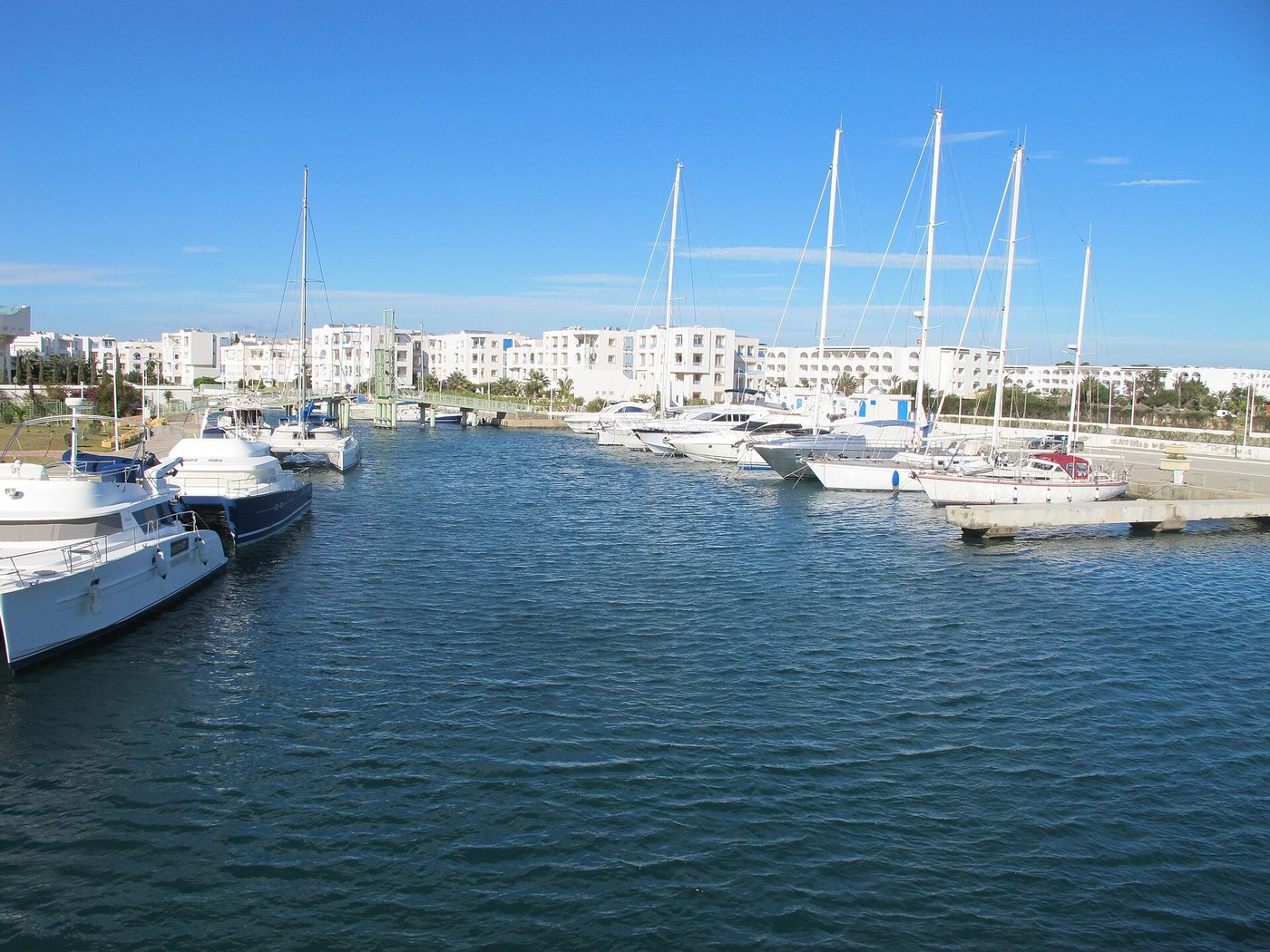
Nightlife by resort: where should you actually go?
Right — the part you came for. Here’s what each resort really delivers after dark, with a straight verdict on each, because no two are the same and the brochures won’t tell you the difference.
Yasmine Hammamet & Hammamet — the closest thing to a party strip
If nightlife is high on your list, this is where we’d point you. Yasmine Hammamet is a purpose-built resort zone just south of the old town, and its marina — the Medina-styled port area — is the liveliest after-dark spot in the country. You’ll find waterfront bars, cafés, restaurants, shisha lounges and the odd club all within a walkable stretch, which is a rarity in Tunisia. Wander down on a summer evening and it genuinely hums.
For actual clubbing, the landmark is Calypso, one of Hammamet’s longest-running clubs — it’s been going since 1971, which in nightlife terms is practically prehistoric, and it was still listed as trading in early 2026. There are also larger clubs out in the Hammamet Sud area, the sort of big venues that draw a young summer crowd. We’ll be honest, though: a few Hammamet clubs pick up recurring complaints about overpriced drinks and murky bills, so treat these as long-running spots rather than guaranteed fixtures, check they’re still going before you build a night around one, and always agree drink prices or check the tab before you rack up a round. It saves a nasty surprise.
The old town of Hammamet has a gentler, more atmospheric evening — a floodlit kasbah by the sea, seafront restaurants and a relaxed stroll — which suits couples who want charm over volume. Between the two Hammamets you’ve got the widest range of evenings in Tunisia, from a quiet dinner to a proper late one. For everything else the town does, see our full Hammamet guide.
Our verdict: the best all-round choice for a lively holiday. Base yourself in Yasmine Hammamet if a real night out matters; pick the old town if you’d rather have romance than a dance floor.
Sousse & Port El Kantaoui — bars, beach clubs and a marina
Sousse is the big, buzzy resort city of the Sahel coast, and just up the road sits Port El Kantaoui, a pretty purpose-built marina resort that’s where most of the after-dark action happens. In summer it’s genuinely lively: marina-side bars, beach clubs that run into the evening, hotel discos and a walkable waterfront where families and groups mingle over ice creams and cocktails alike.
You’ll hear names like Bananas, Living and various marina clubs mentioned on forums, but a lot of those references are old, so we’d file them under “long-running Kantaoui-area spots — check they’re still open” rather than promise you they’re waiting for you. The Hard Rock Cafe at Port El Kantaoui is a reliable, current fixture if you want a known quantity. In Sousse city itself, the seafront Boujaafar area and the bigger hotels host the evening scene, though the city has a rougher, more local edge than the polished marina.
One honest note. Some readers will remember the terrible 2015 attack on a beach near Sousse; it would be wrong to pretend it didn’t happen, and equally wrong to let it define a normal, working resort a decade on. Security was overhauled afterwards and the area has long since returned to being an ordinary, busy holiday destination — but if it’s on your mind, read our full, date-stamped guide to whether Tunisia is safe, which sets out the current picture properly. For everything the resort offers by day, our Sousse guide has you covered.
Our verdict: a strong second to Hammamet for a lively holiday, best enjoyed May to September. Stay in or near Port El Kantaoui for the marina scene; expect it to wind down noticeably in the shoulder months.
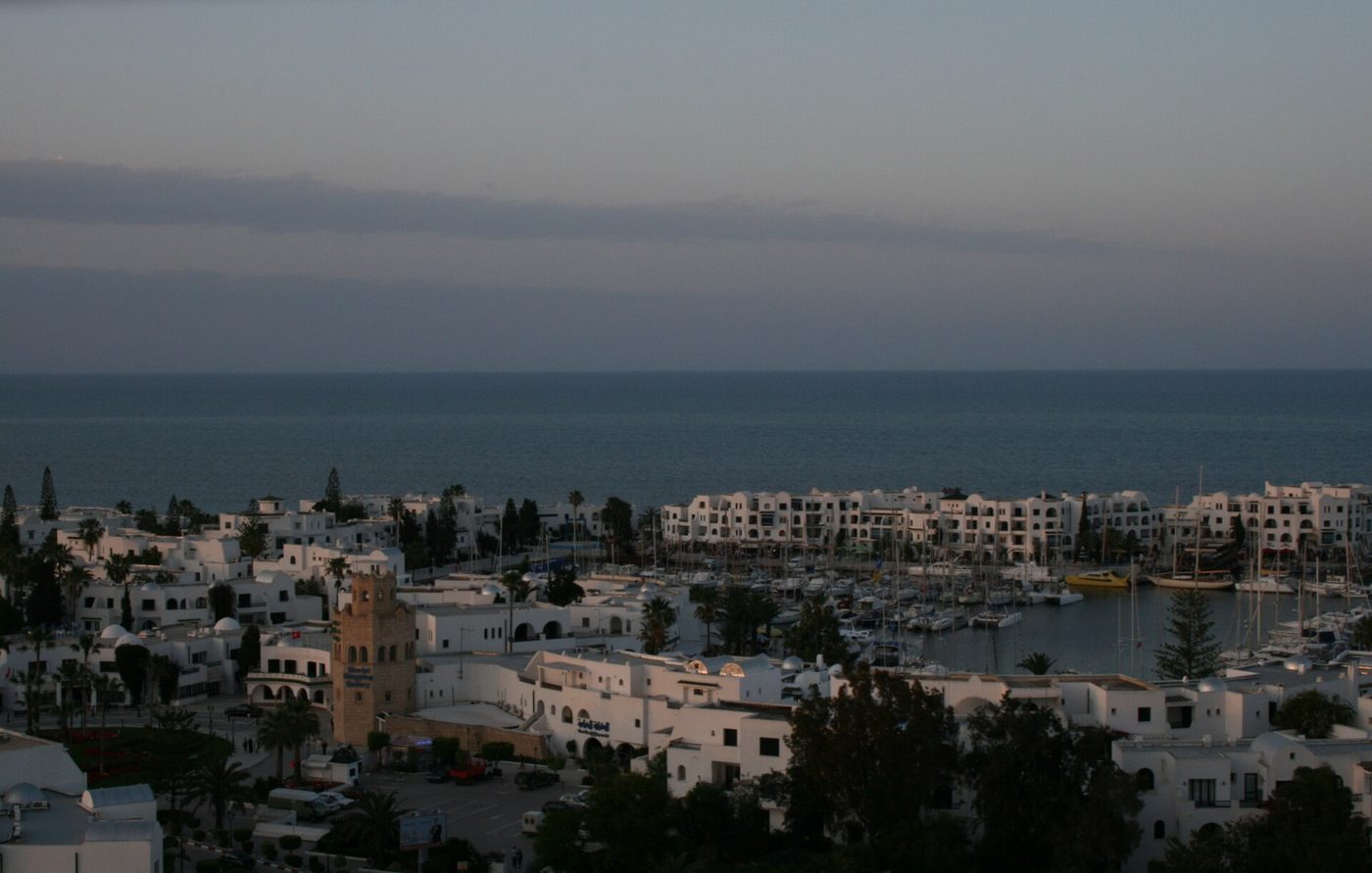
Monastir — mostly hotel-based, borrow Sousse’s scene
Monastir is a smaller, more laid-back resort town a short hop south of Sousse, and its nightlife is honestly pretty gentle. The focus is Marina Cap Monastir, a smart little harbour ringed with cafés, restaurants and a few bars — lovely for an evening stroll, a leisurely dinner and a drink watching the boats, but not somewhere you’ll find a thumping club scene.
Most of the evening entertainment happens inside the hotels: animation teams, live music, cabaret-style shows and the resident bar. It’s perfectly pleasant, and if you’re after a relaxed couple’s holiday with the odd nice night out, it does the job. If you want more, Sousse and Port El Kantaoui are a cheap, quick taxi away, so plenty of Monastir visitors simply borrow that scene for their bigger nights. Just sort the return taxi in advance — more on getting home safely below.
Our verdict: choose Monastir for calm evenings and a pretty marina, not for clubbing. Treat Sousse as your overflow when you want livelier.
Djerba — low-key by design
We love Djerba, but let’s be straight: you don’t come to this island for the nightlife. The whole appeal of Djerba is that it’s mellow — sandy beaches, whitewashed villages, palm groves and a slower pace — and the evenings match. What you get is hotel bars, resort entertainment, and a small cluster of clubs and bars along the Midoun and Aghir tourist strip in the island’s east, which perk up in high summer and go quiet the rest of the year.
The nicest Djerba evenings, for our money, aren’t about alcohol at all. Head into Houmt Souk, the island’s main town, and you’ll find atmospheric squares, seafood restaurants and traditional cafés where locals and visitors sit over a mint tea and a shisha late into the warm night. It’s sociable, safe and completely charming — a different kind of night out, and arguably a better one. For the full picture of the island, see our Djerba guide.
Our verdict: come to Djerba for calm, not clubbing. If a lively strip is essential you’ll be disappointed; if you want warm, easygoing evenings and a great café culture, it’s a joy.
Tunis, La Marsa & Gammarth — the real local scene
Here’s the twist most package holidaymakers never discover: the best, most genuine nightlife in Tunisia isn’t in the resorts at all — it’s in and around the capital. Tunis and its coastal suburbs of La Marsa, Gammarth and Sidi Bou Said have a proper, year-round scene aimed at locals and well-heeled Tunisians rather than tour groups, and it’s a completely different world.
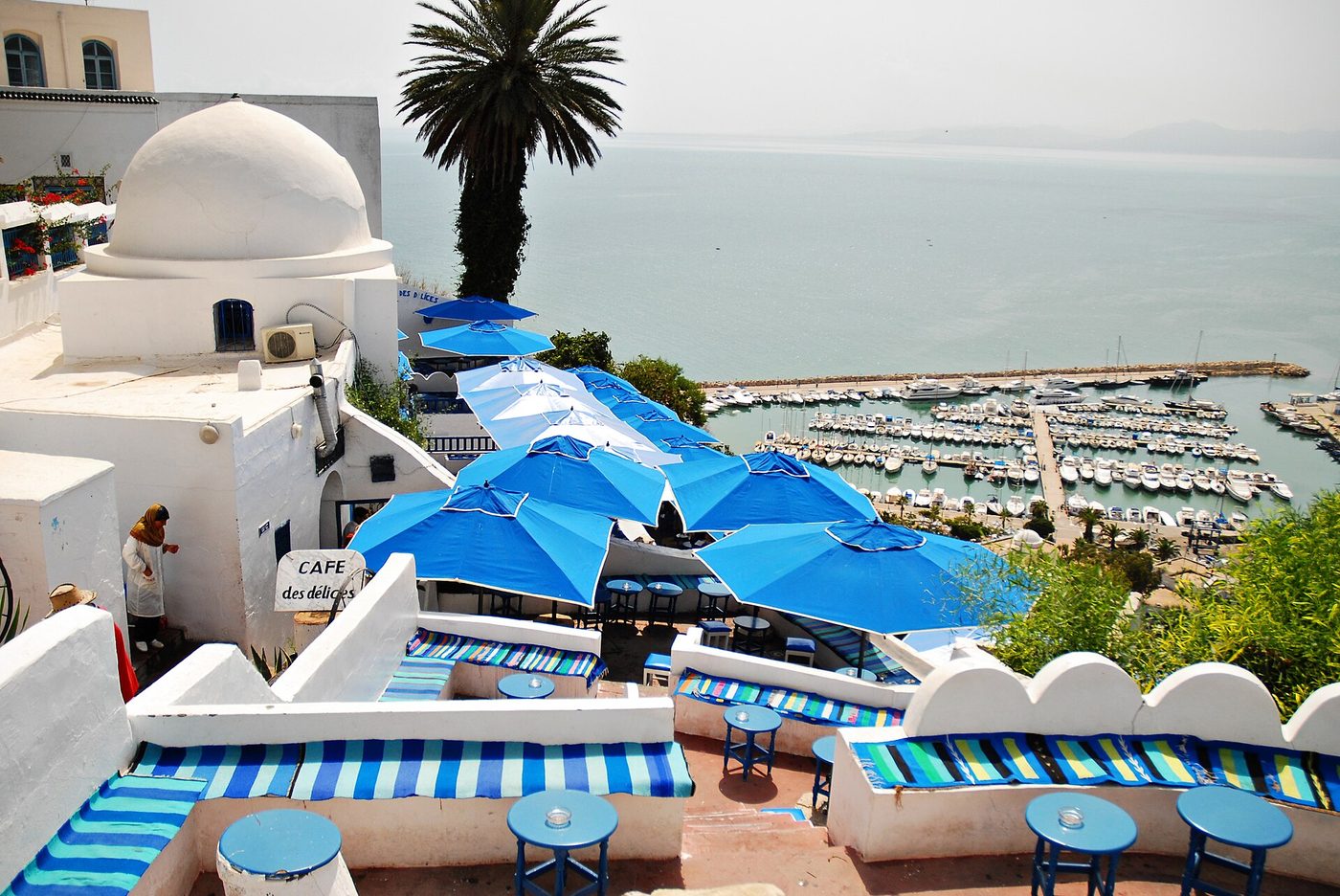
Think rooftop bars with skyline views, upscale lounges, live-music venues, cocktail spots along the Berges du Lac district, and beach clubs at Gammarth in summer. La Marsa’s seafront has a string of bars and cafés that stay busy into the night, and Sidi Bou Said — the famous blue-and-white clifftop village — has a handful of gorgeous terrace cafés and wine bars where you can watch the sun drop into the Gulf of Tunis with a glass of local white. It’s the most romantic drink in the country and we recommend it to everyone.
Because this is a real-city scene rather than a seasonal resort one, it runs all year, which makes Tunis the pick if you’re travelling outside summer and still want atmosphere after dark. It’s dressier and a touch pricier than the resorts, but the quality is a clear step up. Dive into our guide to Tunis for where to stay and what to do, and read up on Tunisian culture to get the most from an evening out here.
Our verdict: the best nightlife in the country if you define nightlife as quality bars, live music and rooftops rather than package clubs. Ideal for a city break, a couple’s trip or any visit outside peak summer.
Can you drink alcohol in Tunisia? (and where to buy it)
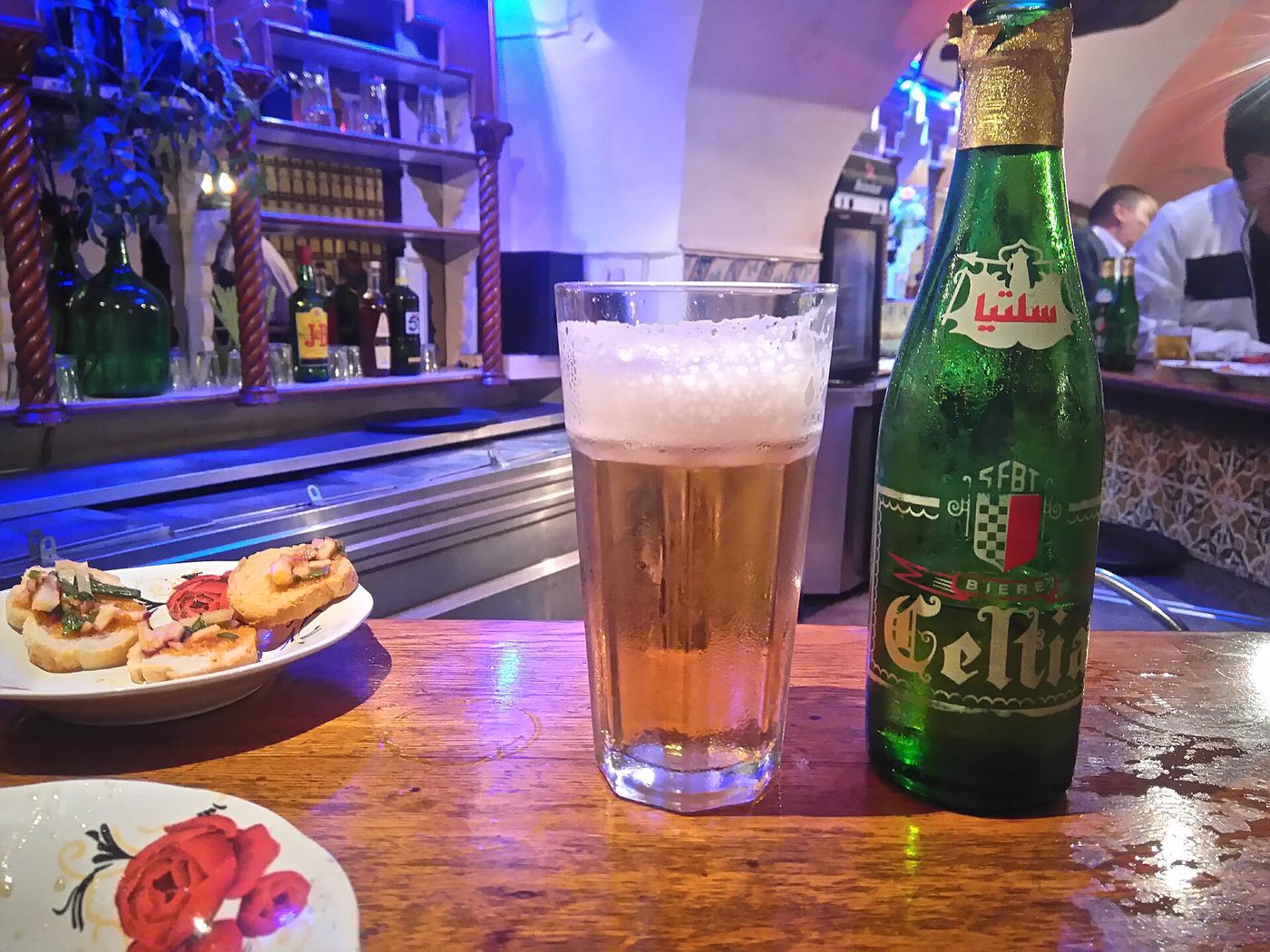
Yes, you can — this is one of the most common worries we hear, and it’s a needless one for a resort holiday. Alcohol is entirely legal in Tunisia. The legal drinking age is 18, and both locals and visitors can buy and drink it. What’s different from Europe is that it’s a bit scarcer and a bit pricier, and it’s sold in licensed places rather than everywhere.
The official FCDO guidance puts it neatly, and it’s worth quoting exactly because it clears up the confusion: “The sale of alcohol is permitted in Tunisia but is banned from sale in supermarkets on Fridays. You can still order and drink alcohol in hotels and bars. During Ramadan, sale of alcohol is banned and the consumption of alcohol is restricted to fewer restaurants and bars. These rules do not apply at holiday resorts.” That last line is the one to hold onto — your resort keeps serving regardless.
If you want to buy a bottle to take back to your room, you won’t find it in the little corner shops (the hanouts). Instead, head for the bigger supermarkets — Carrefour, Monoprix and Géant branches usually have a dedicated alcohol section. As a rough guide these sections tend to open around midday and close by early evening, and they shut on Fridays, so plan around that rather than assuming you can grab a bottle at 8pm on the way back from the beach.
As for what to try, the local lager is Celtia — a light 5% beer that’s been brewed in Tunisia since the 1950s and is what you’ll be handed almost everywhere. Tunisia also makes decent wine, with Magon the best-known red, mostly grown on the Cap Bon peninsula. And for a proper local nightcap, look out for Boukha, a fig brandy, or Thibarine, a date liqueur — both make good souvenirs, and a sealed bottle travels home fine in your checked luggage. Pair any of it with a proper dinner first; our Tunisian food guide is the place to start.
What a night out actually costs (in £)
Good news: even with drinks being pricier than corner-shop cheap, a night out in Tunisia is a bargain by UK standards. Nobody else seems to bother converting the prices into sterling, so here’s a rough guide. Bear in mind the dinar is a closed currency — you can’t buy it before you fly or take it home — and that £1 was worth roughly 3.8–3.9 dinars in mid-2026. Treat these as ballpark figures and always check the current rate and the actual menu.
| What you’re buying | Rough cost in dinar | Roughly in £ |
|---|---|---|
| A local Celtia beer in a bar | ~5–10 TND | ~£1.30–£2.60 |
| A cocktail in a marina bar | ~15–30 TND | ~£4–£8 |
| Nightclub entry (often includes a drink) | ~20–50 TND | ~£5–£13 |
| A short late-night taxi across a resort | ~5–15 TND | ~£1.30–£4 |
A few honest caveats. Imported drinks and hotel-bar prices run higher than the figures above, and prices climb in the fancier Tunis venues. Tipping isn’t obligatory but rounding up or adding around 10% is normal and appreciated. And keep some small dinar notes on you for taxis and tips — you don’t want to be handing a driver a large note at 1am and haggling over change.
The one thing that catches people out is the drinks bill in a handful of clubs, where “buy a girl a drink” scams and mystery charges do crop up. It’s not common and it’s easily dodged: ask the price before you order, keep an eye on your tab, and don’t accept drinks from strangers who then expect you to pay a fortune for them. Sensible habits you’d use anywhere.
Nightlife during Ramadan: what changes
This is the single biggest thing that can quietly reshape your trip, and most guides barely mention it. During the holy month of Ramadan, the whole rhythm of the country shifts, and if you’re picturing a lively holiday it pays to know the dates before you book. In 2026 Ramadan falls roughly from mid-February to mid-March — confirm the exact dates before you commit, as they move each year.
Here’s what actually changes. Away from the resorts, supermarket alcohol sales stop for the month, many non-hotel bars and restaurants thin right out or close, and daytime is deliberately quiet as people fast between dawn and dusk. Eating, drinking or smoking in public in the daytime can cause genuine offence, so it’s a time to be considerate. After the fast breaks at sunset (iftar), towns come alive in a warm, family-focused, non-alcoholic way — it’s a lovely cultural experience, just not a boozy one.
The crucial exemption, in the FCDO’s own words, is this: “During Ramadan, sale of alcohol is banned and the consumption of alcohol is restricted to fewer restaurants and bars. These rules do not apply at holiday resorts.” In other words, your all-inclusive hotel bar carries on serving, and the resort bubble stays largely intact. But the wider town scene is much quieter, so if a full-on lively holiday is the goal, we’d simply avoid the Ramadan window and travel in summer instead — our best time to visit guide lays out the calendar so you can plan around it.
Getting home safely (taxis, apps and common sense)
This is the part of a night out that every other guide fumbles, and it’s the one worth getting right. Tunisia is a safe place to holiday and going out is no exception, but the practicalities of getting back to your hotel at night are worth a proper word, because taxis are where most hassle happens.
The golden rule with taxis is to sort the fare before you set off. In the daytime you can usually insist on the meter — ask for the “compteur” — but late at night many drivers simply won’t use it, so agree a price up front instead, and don’t be shy about it. Tourists are routinely quoted several times the going rate, and hotel-arranged taxis in particular can cost roughly double the street price, so it pays to know the rough cost of your journey before you get in. Keep small dinar notes handy so you can pay the agreed fare without a fuss over change.
In the cities the easy answer is Bolt, the ride-hailing app, which operates in Tunis and works in the bigger resort areas too — the fare is fixed and shown in advance, which takes all the negotiation out of it. There’s no Uber in Tunisia, but Bolt fills the gap nicely where it’s available. For late returns from a resort, a hotel-arranged or hotel-recommended taxi is the safest bet even at the higher price; agree the fare, note the driver, and you’re set.
A couple of sensible-precaution notes from the official advice. The FCDO records that reports of harassment and assault “statistically increase in the summer months”, including “trouble in busy public places at night”, so stick with your group, keep an eye on your drink and your belongings in busy nightlife spots, and trust your instincts as you would anywhere. Petty theft can happen where crowds gather. On dress, beach clothing is fine inside resorts, but cover up a little when you’re heading out into town or anywhere away from the tourist zone — it’s respectful and it draws less attention. For more on the practicalities, see how getting around Tunisia actually works.
Culture after dark: nights out beyond the clubs
Some of the best evenings we’ve had in Tunisia had nothing to do with a bar. If you think of “nightlife” a little more broadly — which, honestly, is the right way to approach this country — a whole extra layer opens up, and it’s brilliant for couples, families and anyone who isn’t fussed about clubbing.
In summer, the star turns are the festivals held in ancient Roman theatres. The Carthage International Festival runs through July and August in the open-air Roman theatre near Tunis, with concerts, dance and drama under the stars. The El Jem Symphonic Nocturnes bring orchestral music to the floodlit amphitheatre — one of the best-preserved in the Roman world — on summer nights. And the Hammamet International Festival stages theatre and music at its seafront open-air venue. Sitting in two-thousand-year-old stone tiers watching a show is a genuinely unforgettable night; our guide to Roman ruins like El Jem explains why these places are so special by day, too.
Beyond the festivals, the everyday evening culture is a joy. Wander a floodlit medina after dark, browse the souks as they wind down, settle into a traditional café for a mint tea and a shisha, or take that sunset terrace drink in Sidi Bou Said we keep banging on about. These are the nights that make people fall for Tunisia, and they cost almost nothing. There’s plenty more in our roundup of things to do in Tunisia beyond the bars.
Going out with the kids
If you’re travelling as a family, the good news is that Tunisian resort evenings are built for exactly this. Hotels run nightly animation — kids’ discos, mini shows, cabaret and live music — so there’s entertainment on the doorstep without a babysitter or a late taxi. Come summer, an early-evening stroll around a lit-up marina like Yasmine Hammamet or Port El Kantaoui, ice cream in hand, is a lovely, safe, easygoing way to spend a night out with children in tow.
It’s a gentle, wholesome kind of after-dark that most package resorts do very well, and it fits neatly around younger bedtimes. For much more on making the trip work with children, from choosing the right resort to keeping everyone happy, see our full guide to going to Tunisia with kids.
Nightlife in Tunisia: your questions answered
Is there much nightlife in Tunisia?
There’s a decent amount, but it’s resort-based rather than a club-strip scene. Expect hotel entertainment, marina bars, café-and-shisha culture and a handful of proper nightclubs, mostly around Yasmine Hammamet and Port El Kantaoui. It’s livelier in summer and much quieter off-season. If you want warm evenings and the option of a club, you’ll be happy; if you want a Spanish-style strip, you won’t.
Which Tunisian resort has the best nightlife?
Yasmine Hammamet is the liveliest, with the country’s best cluster of marina bars and clubs in one walkable stretch. Sousse and Port El Kantaoui come a close second, especially May to September. Djerba and Monastir are deliberately low-key. For quality bars, live music and rooftops rather than package clubbing, Tunis and its suburbs are the best of all, and they run year-round.
Can you drink alcohol in Tunisia, and where can you buy it?
Yes. Alcohol is legal from age 18 and served in hotels, licensed bars, restaurants and clubs. To buy a bottle, use the bigger supermarkets (Carrefour, Monoprix, Géant) rather than corner shops; those alcohol sections tend to open midday to early evening and close on Fridays. Inside resorts a drink is completely normal; away from tourist zones, drink discreetly. The local lager is Celtia.
Is Yasmine Hammamet good for nightlife, and what clubs are there?
It’s the best resort in Tunisia for a night out. The marina is lined with bars, cafés and shisha lounges, and there are clubs including Calypso, one of the country’s longest-running (since 1971), plus larger venues in Hammamet Sud. Some clubs attract overpricing complaints, so check they’re still trading, agree drink prices and keep an eye on your bill.
What is there to do at night in Sousse and Port El Kantaoui?
Port El Kantaoui is the after-dark hub: a pretty marina with bars, beach clubs, hotel discos and a walkable waterfront, at its best from May to September. The Hard Rock Cafe there is a reliable fixture. Sousse city has a livelier, more local edge around the Boujaafar seafront and the bigger hotels. Many venues you’ll read about online are old, so check they’re still open.
Does Djerba have any nightlife?
Some, but it’s intentionally low-key. You’ll find hotel bars, resort entertainment and a small cluster of clubs and bars along the Midoun and Aghir strip that liven up in high summer. The nicest Djerba evenings are the café-and-shisha scene in Houmt Souk, over mint tea into the warm night. Come here for calm, not clubbing — if a lively strip is essential, choose Hammamet instead.
What happens to nightlife during Ramadan, and when is Ramadan 2026?
Ramadan in 2026 runs roughly mid-February to mid-March (confirm the exact dates before booking). During the month, supermarket alcohol sales stop, many non-hotel bars thin out, and daytime is quiet as people fast. Crucially, the FCDO confirms these rules “do not apply at holiday resorts”, so your hotel bar keeps serving. For a lively holiday, travel in summer instead.
How much does a beer, cocktail or club entry cost in Tunisia?
Roughly: a local Celtia beer around 5–10 TND (about £1.30–£2.60), a cocktail around 15–30 TND (about £4–£8), and club entry around 20–50 TND (about £5–£13), often including a drink. Hotel and imported-drink prices run higher, and Tunis venues are pricier. These are ballpark figures — check the current exchange rate and the actual menu.
Is it safe to go out at night in Tunisia?
Generally yes, and millions holiday here every year. Take the same sensible precautions you would anywhere: stay with your group, watch your drink and belongings in busy spots, and arrange your taxi home. The FCDO notes harassment reports rise in the summer months, including in busy places at night, so trust your instincts. See our date-stamped safety guide for the full picture.
How do I get back to my hotel safely at night?
Agree the taxi fare before you set off — at night many drivers won’t use the meter, so settle a price first, and expect hotel-arranged taxis to cost more. In the cities, the Bolt app gives you a fixed fare shown in advance and takes the haggling out of it (there’s no Uber in Tunisia). For late returns from a resort, a hotel-recommended taxi is safest. Keep small dinar notes for the fare.
What should I wear on a night out in Tunisia?
Inside resorts and at the clubs, normal holiday and going-out clothes are fine — smart-casual works for the marina bars and Tunis lounges, which can be a touch dressier. When you head out into a town or anywhere away from the tourist zone, cover up a little more; it’s respectful in a Muslim country and draws less attention. There’s no strict dress code at resort venues.
Do bars and clubs overcharge tourists?
It can happen in a small number of clubs, usually via inflated drink prices, mystery charges or “buy this stranger a drink” scams. It’s easily avoided: ask the price before you order, keep an eye on your tab, don’t accept drinks from strangers who then expect payment, and use reputable, well-reviewed venues. The vast majority of bars are straightforward and cheap by UK standards.
The final word: which resort is right for you?
So, to bring it home. Tunisia won’t give you a wild club strip, and if that’s non-negotiable you should book elsewhere with a clear conscience. But it does warm, sociable, great-value evenings beautifully — and it does them in more ways than the listicles let on.
Want the liveliest night? Head for Yasmine Hammamet, with Sousse and Port El Kantaoui close behind in summer. Want calm, with a lovely café culture and the odd hotel show? Djerba or Monastir. Want the real, year-round scene — rooftops, live music, sunset terraces? Base yourself in or near Tunis. And whichever you choose, remember it’s a Muslim country with a resort bubble, that the coast comes alive in summer, and that the smartest thing you can do on any night out is agree your taxi fare before you climb in.
Get the resort right and you’ll have exactly the evenings you were hoping for. Next, sort where you’re staying with our where-to-stay guide to build out the rest of your trip.
Written by the Tunisia Tourism Guide team — an independent UK-focused guide to travelling in Tunisia. We don’t sell tours or take hotel commissions. Prices, opening times and venue details were checked at publication and can change quickly; always confirm current details, and never assume a specific bar or club is still open before you build a night around it.
Photo credits
All images via Wikimedia Commons, used with thanks: the marina at Yasmine Hammamet © Kritzolina (CC BY-SA 4.0); Port El Kantaoui marina at dusk © tormentor4555 (CC BY-SA 3.0); a café terrace at Sidi Bou Said © Mstyslav Chernov (CC BY-SA 3.0); a bottle of Celtia beer © Habib M’henni (CC BY-SA 4.0).


One response to “Nightlife in Tunisia: Resort-by-Resort Guide”
[…] down the coast in Sousse city, and easily reached by taxi. We cover the scene in our guide to nightlife in Tunisia. In short: come here for calm evenings, not for dancing till […]