By the Tunisia Tourism Guide team · Last updated 18 October 2026 · We don’t sell tours or take hotel commissions — this is independent advice, written to be useful.
Search for a Tunisia visa and you’ll meet a slick website offering to sell you one, complete with a fee and a form for your passport details. So do you actually need a visa for Tunisia, and what catches people out at the border?
For most UK holidaymakers the Tunisia visa question has a simple answer: you don’t need one. British citizens can visit Tunisia without a visa for up to 90 days, and your passport is stamped on arrival. Irish, Canadian and Australian tourists don’t need a visa for short stays either. If you do need a visa, apply through the Tunisian embassy or consulate.
This guide is part of our Tunisia travel tips, because “no visa” isn’t quite the same as “nothing to think about”. It covers the rules nationality by nationality, the passport-validity confusion, why you should ignore e-visa websites, what border officials can ask you for, the currency rules that apply the moment you land, the hotel tax, and what to do if you need to stay longer than 90 days.
Tunisia visa rules at a glance
The table below summarises what each government’s own travel advice says for its citizens on a tourist trip. Always check your own government’s page and, if in doubt, the Tunisian embassy before you travel; rules can change at short notice.
| Passport | Visa for a tourist trip? | Passport validity advice | Source |
|---|---|---|---|
| British citizen | No, for up to 90 days | Valid for the duration of your stay | FCDO (gov.uk) |
| British Crown Dependency (Jersey, Guernsey, Isle of Man) | May need to buy a visa on arrival | Check with the Tunisian Embassy in London | FCDO (gov.uk) |
| Irish | No visa required | At least 6 months from the date you enter Tunisia; the Passport Card isn’t accepted | Department of Foreign Affairs (ireland.ie) |
| Canadian | No, for up to 90 days | At least 6 months beyond your expected departure date | Government of Canada (travel.gc.ca) |
| Australian | No, for 90 days or less | Many countries expect 6 months; check with the Tunisian embassy | Smartraveller |
| US, EU and other passports | Check before you book | Check before you book | Your government’s travel advice and the nearest Tunisian embassy |
Do UK citizens need a visa for Tunisia?
No. The Foreign, Commonwealth & Development Office (FCDO) is clear: “You can visit Tunisia without a visa for up to 90 days.” That applies to people travelling on a full British citizen passport. There’s no form to fill in before you go, no online application and no fee. You queue at immigration, hand over your passport, and the border official stamps it.
That stamp matters. The FCDO advises you to make sure your passport is stamped, because officials check the length of your stay when you leave. If you stay longer than 90 days without a valid reason, you’ll have to pay a fine, either at the airport on departure or in advance at some police stations.
The entry rules quoted here come from the FCDO’s Tunisia entry requirements page. FCDO advice, last updated 24 July 2026 and still current on 15 October 2026; always check gov.uk/foreign-travel-advice/tunisia before you book.
Crown Dependency passports
If your passport was issued in Jersey, Guernsey or the Isle of Man, the visa-free rule doesn’t automatically apply. The FCDO says holders of Crown Dependency passports may need to buy a visa on arrival, and points you to the Tunisian Embassy in the UK for how to apply. Contact them well before you travel rather than finding out at the desk.
British-Tunisian dual nationals
If you hold both nationalities, the FCDO advises entering and leaving Tunisia on the same passport. And to get back into the UK, British citizens need a valid British passport or a certificate of entitlement, so don’t leave yours at home just because you’re travelling on your Tunisian one.
Passport validity: duration of stay, or six months?
This is the single most confusing part of Tunisia’s entry rules, because different governments say different things.
- The FCDO says that, to enter Tunisia, your passport should be valid for the duration of your stay.
- Ireland’s Department of Foreign Affairs says Irish passports should have at least six months’ validity from the date of entry.
- Canada says your passport must be valid for at least six months beyond the date you expect to leave Tunisia.
- Australia’s Smartraveller notes that many countries require six months’ validity and tells travellers to check with the Tunisian embassy.
Our practical advice: if your passport runs out within six months of your return date, renew it before you go. The UK government’s own rule may only ask for your passport to cover your stay, but airlines and tour operators sometimes apply stricter checks at the departure gate, and a passport with plenty of life left avoids any argument. It also gives you breathing room if a flight home is cancelled.
Damaged passports
The FCDO warns that if you enter Tunisia with a damaged or torn passport, you may run into difficulties when you try to leave. A loose page, water damage or a torn photo page is worth sorting out before you travel. And if you’ve reported a passport lost or stolen and then found it, don’t use it: you’ll be denied entry on a passport that’s been reported.
Other nationalities
Tunisia’s visa rules work by nationality, so it’s your passport, not where you live or fly from, that counts. Here’s what other governments tell their citizens.
Ireland
Ireland’s Department of Foreign Affairs says Irish citizens do not require a visa to enter Tunisia. Your passport should have at least six months’ validity from the date of entry, and the Irish Passport Card is not accepted for travel to Tunisia: you need the full passport book.
Canada
The Government of Canada says a tourist visa isn’t required for stays of up to 90 days. Your passport must be valid for at least six months beyond your expected date of departure. For longer stays, Canada advises contacting the nearest Tunisian embassy or consulate before you leave home.
Australia
Smartraveller says Australians don’t need a visa for stays of 90 days or less. For any other type of travel, you’ll need a visa before you arrive. It also stresses that entry conditions can change at short notice, so contact the nearest Tunisian embassy for the latest.
United States
Americans should check the US State Department’s Tunisia country information page, which sets out the current length of stay and passport requirements for US citizens, and confirm with the Embassy of Tunisia in Washington if anything is unclear.
EU and other passports
Many nationalities can visit Tunisia visa-free, but the list and the permitted length of stay vary by country. Check your own foreign ministry’s travel advice and the Tunisian embassy in your country before you book. If you do need a visa, it is arranged through a Tunisian embassy or consulate, not online.
There is no official Tunisia e-visa
This is the part that costs people money. Tunisia has talked for years about launching an electronic visa, and a tender to build an e-visa platform went out in September 2024. But Tunisian press reported in August 2025 that the Ministry of Communication Technologies had declared the tender unsuccessful in an official note of 26 August 2025. Travellers who need a visa still apply through Tunisian embassies and consulates.
So what are those e-visa websites selling? At best, a paid middleman service to help with an embassy application; at worst, a worthless document and a copy of your passport details in someone else’s database. If your passport is visa-exempt, you need nothing at all. If it isn’t, go to the Tunisian embassy direct. Treat any site that offers a “Tunisia e-visa” or “Tunisia ETA” with suspicion, and never upload your passport to one. Our guide to common Tunisia scams covers the ones you’re more likely to meet once you arrive.
What happens at border control
For most visitors, immigration takes a few minutes: you hand over your passport, it’s stamped, and you’re through. But border officials do have the right to ask for more, and it’s worth being ready.
According to the FCDO, officials can ask for:
- your contact details;
- your onward or return travel tickets;
- proof of a hotel booking or other accommodation details.
The FCDO adds that a small number of visitors have been refused entry, or delayed, because they couldn’t provide enough evidence of accommodation. On a package holiday it’s rarely an issue: your booking confirmation usually covers it. If you’re travelling independently, have your first nights’ booking and your return flight saved on your phone and, ideally, printed out too. Phone batteries die at exactly the wrong moment.
Additional checks for some passengers
The FCDO also notes that Tunisian border officials check passenger names against an immigration database. A small number of travellers with the same or similar names to those on the database have been delayed and questioned on arrival and departure while their identity is confirmed, occasionally with searches. The FCDO says this has disproportionately affected British nationals of South Asian descent.
If it happens to you, stay calm and cooperative; it is about confirming identity. The British Embassy in Tunis can’t override decisions made by the Tunisian authorities, but the FCDO says you can contact the embassy on +216 71 108 700, or the Tunisian Embassy in London, if you’re affected.
Money at the border: Tunisia’s currency rules
Tunisia doesn’t need a visa from most British visitors, but its currency rules are strict, and they’re where people do get caught out. The Tunisian dinar (TND) is a closed currency.
- You can’t take dinars out of Tunisia. The FCDO is explicit about this, and the Canadian and Australian governments say importing and exporting dinars is prohibited. So you can’t buy dinars in the UK before you go, and you should spend or change back what you have before you fly home.
- Keep your exchange receipts. The FCDO advises keeping official exchange receipts and any declaration documents.
- Large amounts of foreign currency must be declared. Canada’s travel advice says foreign currency equal to or above 20,000 TND must be declared on arrival, departure and in transit, and a Tunisian customs official quoted in La Presse in June 2026 gave the same threshold.
- Declare above 5,000 TND if you might take it home. Canada advises that if you bring in more than 5,000 TND worth of foreign currency, you should declare it to customs at the airport so that the unspent amount isn’t confiscated when you leave.
- There’s a ceiling on taking it back out. Canada says you can’t leave with 30,000 TND or more, even if you declared it.
| Amount of foreign cash (TND equivalent) | Roughly in pounds | What to do |
|---|---|---|
| Up to 5,000 TND | Up to about £1,260 | Nothing special; keep exchange receipts |
| More than 5,000 TND | More than about £1,260 | Declare on arrival if you may take some of it home |
| 20,000 TND or more | About £5,050 or more | Declaration required on arrival, departure and in transit |
| 30,000 TND or more | About £7,580 or more | Can’t be taken out in cash, even if declared |
Sterling equivalents use the Banque Centrale de Tunisie’s rate of 3.96 dinars to the pound on 13 October 2026, and the dinar moves, so treat the pound figures as a guide. The FCDO itself simply says to check the applicable rules and whether you need to make a declaration on arrival, because failure to declare foreign currency may result in confiscation. For a normal week in the sun, with a few hundred pounds in cash and a debit card, none of the declaration thresholds will touch you.
For more on changing money, ATMs and cards, see the money advice in our essentials guide.
The hotel tax you’ll pay on arrival
One cost that surprises people: Tunisia charges a hotel tax per person per night. The FCDO gives the rates as 8 TND per person per night at 3-star hotels (about £2) and 12 TND at 4- and 5-star hotels (about £3). It is charged for a maximum of ten nights, so a longer stay only pays for the first ten, and you can’t reclaim it if you leave early.
On a fortnight at a 4-star all-inclusive, that’s 120 TND each, or around £30 per person. The FCDO says it is payable on arrival, so have dinars or a card ready, and ask your tour operator whether your package covers it. Our guide to all-inclusive holidays in Tunisia covers the other extras worth budgeting for.
What not to pack: drones, gadgets and customs
Tunisia’s customs rules are strict, and the FCDO highlights a few that trip up holidaymakers.
- Drones. It is illegal to bring a drone into Tunisia without authorisation. Any drone detected is confiscated and stored until you leave.
- Smart and transmitting devices. Some devices with recording, transmission or smart-function capabilities may be restricted, or confiscated on arrival for the length of your visit. The FCDO names Ray-Ban Meta smart glasses and walkie-talkies, including toy ones, and advises checking with the Tunisian authorities before you travel with them.
- Prohibited or dutiable goods. You must declare anything that may be prohibited or subject to tax or duty.
Duty-free allowances for tobacco and alcohol are set by Tunisian customs; check the customs authority’s site or ask your airline before you stock up.
Health: no visa, but don’t skip the homework
The FCDO doesn’t list vaccine requirements on its entry page; it sends travellers to TravelHealthPro for health entry requirements and recommended vaccinations. Check the TravelHealthPro Tunisia page at least a few weeks before you go, and speak to your GP practice or a travel clinic about anything it recommends for your trip.
One rule that matters more than any visa: your UK Global Health Insurance Card (GHIC) is not valid in Tunisia. Medical treatment has to be paid for, so comprehensive travel insurance with medical cover is essential, not optional. Make sure it covers everything you plan to do, from quad bikes to a night in the Sahara.
Staying longer than 90 days
The 90-day visa-free period is for visits. If you want to stay longer, sort it out before you go rather than after you arrive. Canada advises its citizens to contact the nearest Tunisian embassy or consulate before departure for stays beyond 90 days, and that’s sensible advice for any nationality. The Tunisian Embassy in London is the place for British citizens to start.
Overstaying without a valid reason means a fine, which the FCDO says you can pay at the airport when you leave or in advance at some police stations. It’s not worth the hassle at the end of a long winter-sun stay: if you’re planning several months in Tunisia, get advice from the embassy first.
Arriving by air or sea
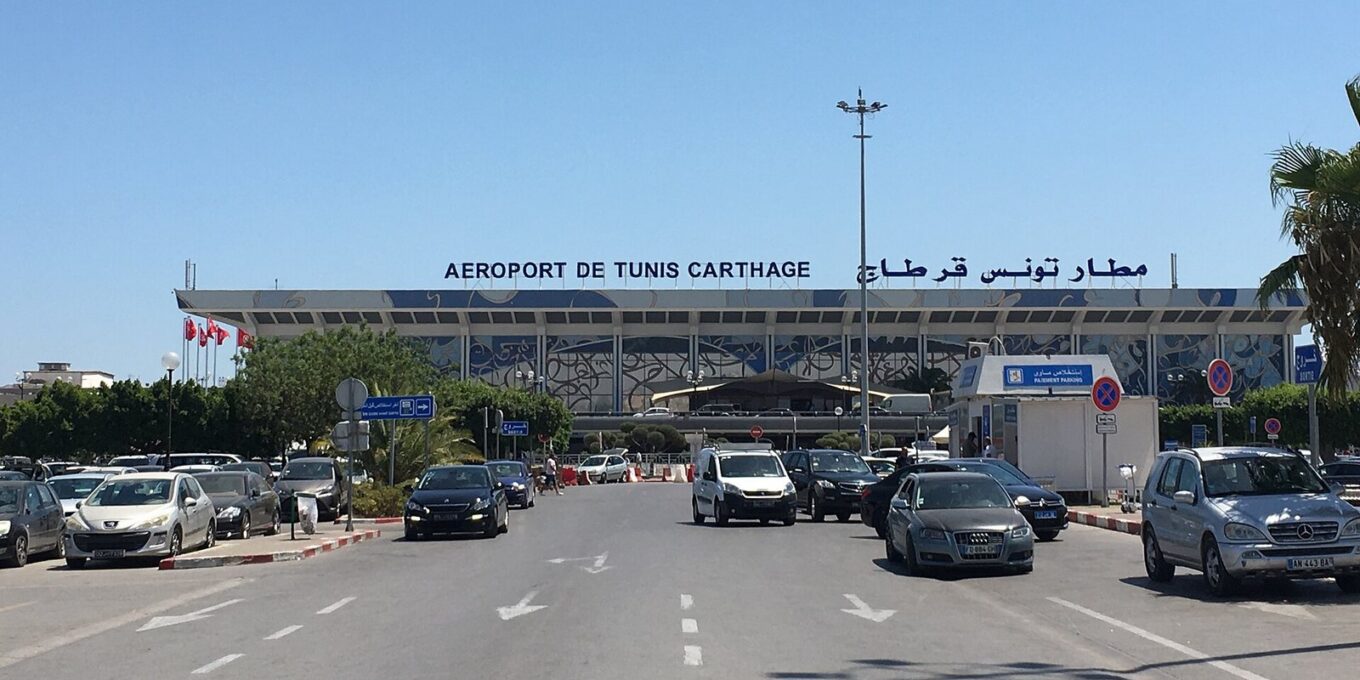
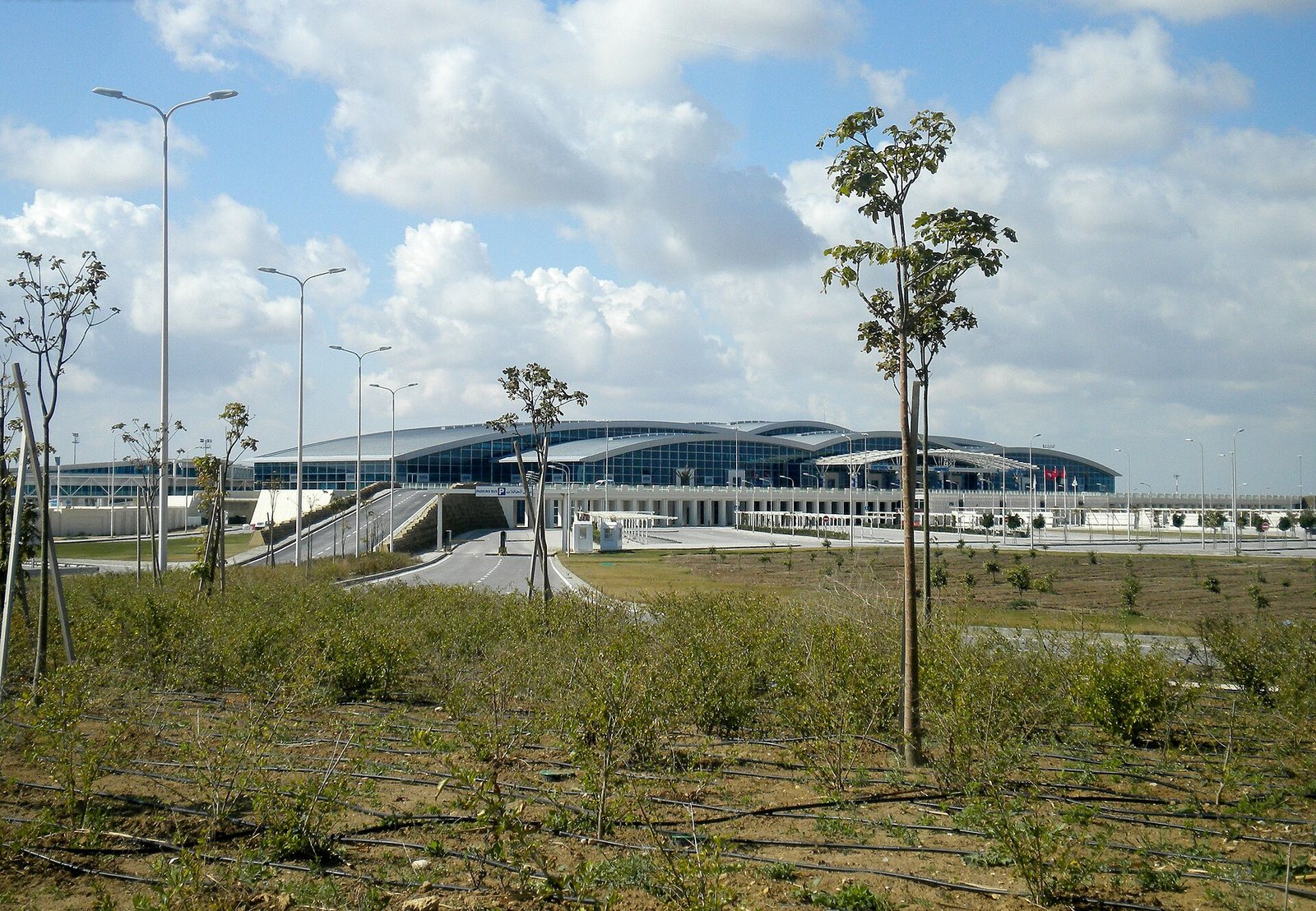
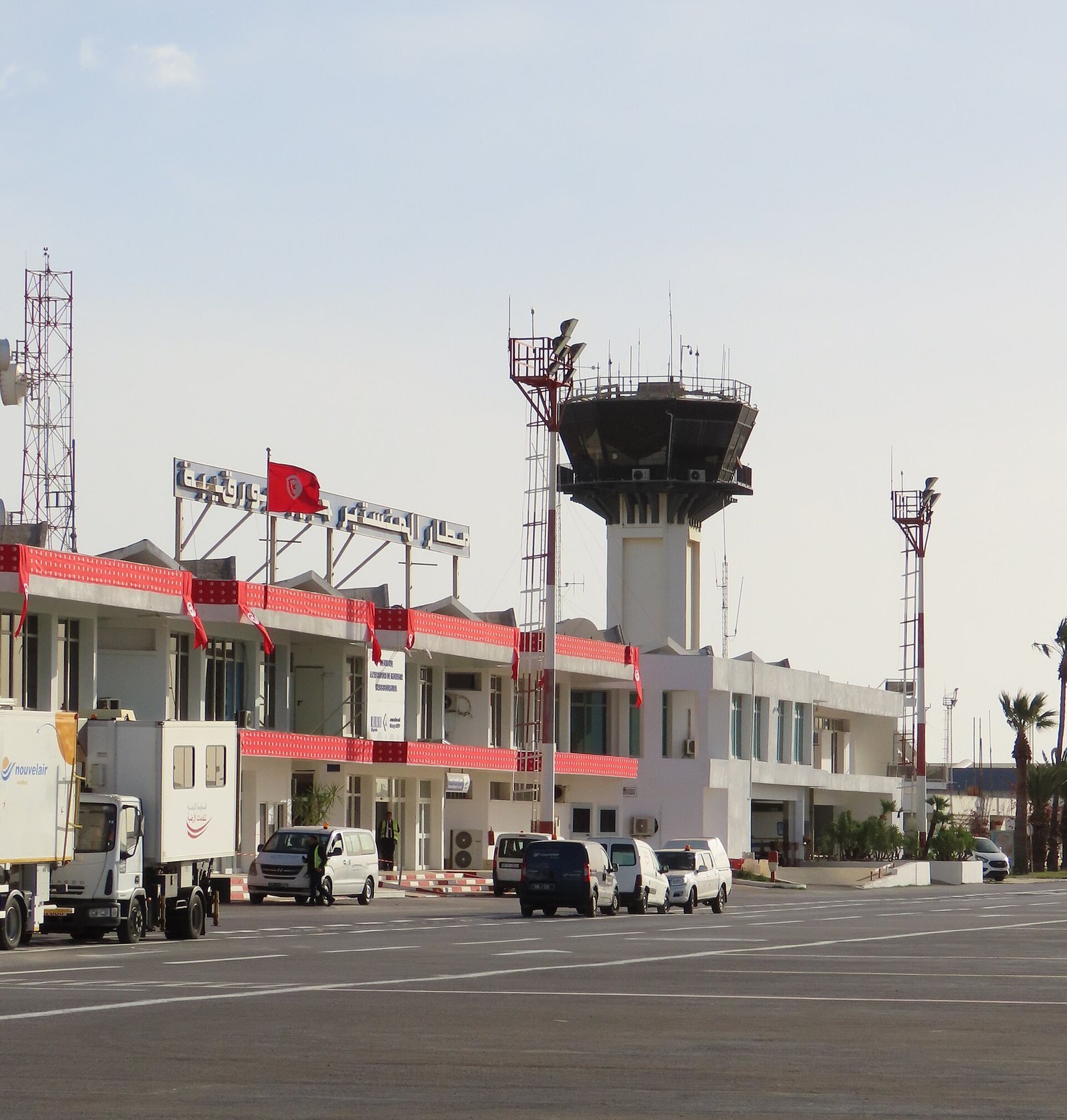
Many UK visitors fly into one of four international airports: Tunis-Carthage for Tunis and the north, Enfidha-Hammamet and Monastir for Hammamet, Sousse and the Sahel coast, and Djerba-Zarzis for the island of Djerba and the south. Some travellers arrive by ferry at La Goulette, the port of Tunis. Wherever you come in, it’s your passport and nationality that determine the rules, and the currency and customs rules above apply at every border.
Once you’re through, our guide to getting around Tunisia covers airport transfers, taxis, louages and trains.
Is Tunisia safe to travel to?
The visa side is easy; the question many people are really asking is whether they should go at all. The short answer is that the main holiday areas are busy with European holidaymakers year after year, while the FCDO advises against travel to specific areas, mainly near the Algerian and Libyan borders, that sit well away from the resorts. FCDO advice, last updated 24 July 2026 and still current on 15 October 2026; always check gov.uk/foreign-travel-advice/tunisia before you book. Our full guide to whether Tunisia is safe quotes the advice word for word and explains what it means for your insurance.
Your Tunisia entry checklist
- Passport: a full passport book in good condition, ideally with at least six months left on it.
- Visa: not needed for UK, Irish, Canadian or Australian tourists on short stays; check your own government’s advice for any other passport.
- Crown Dependency passport: contact the Tunisian Embassy in London before you go.
- Return ticket and accommodation: booking confirmations saved on your phone and printed.
- Money: pounds or euros to change on arrival, a debit card, and no plans to take dinars home.
- Hotel tax: 8-12 TND per person per night, for up to ten nights.
- Insurance: comprehensive cover with medical treatment; the GHIC is not valid.
- Leave at home: drones, and check before you pack smart glasses or walkie-talkies.
- Ignore: any website selling a Tunisia e-visa.
Planning when to go? Our guide to the best time to visit Tunisia takes you month by month, and where to stay in Tunisia helps you pick a base.
Tunisia visa: frequently asked questions
Do I need a visa for Tunisia from the UK?
No. The FCDO says British citizens can visit Tunisia without a visa for up to 90 days. Your passport is stamped on arrival and checked when you leave. Holders of Crown Dependency passports from Jersey, Guernsey or the Isle of Man may need to buy a visa on arrival, so they should contact the Tunisian Embassy in London first.
How long can I stay in Tunisia without a visa?
British, Canadian and Australian citizens can stay up to 90 days on a tourist visit, according to their governments’ travel advice. Ireland’s advice says no visa is needed; check its page for the permitted length of stay. If you overstay without a valid reason, the FCDO says you’ll pay a fine, at the airport on departure or in advance at some police stations.
How many months must my passport be valid for Tunisia?
For British citizens, the FCDO says your passport should be valid for the duration of your stay. Ireland asks for six months from entry and Canada for six months beyond your departure date. Because airlines can apply stricter checks, we’d renew any passport with less than six months left before you travel.
Is there a Tunisia e-visa?
No official one. A tender for an e-visa platform was declared unsuccessful in August 2025, and travellers who need a visa still apply through Tunisian embassies and consulates. Websites selling a “Tunisia e-visa” are not official, and visa-exempt travellers, including British, Irish, Canadian and Australian tourists, don’t need anything at all.
Do US citizens need a visa for Tunisia?
Check the US State Department’s Tunisia country information page, which gives the current length of stay and passport rules for American citizens, and confirm with the Embassy of Tunisia in Washington if your plans are unusual. As with every nationality, there’s no official e-visa to buy online.
Do I need to show a return ticket to enter Tunisia?
You may be asked to. The FCDO says Tunisian border officials can ask for your contact details, your onward or return tickets and proof of a hotel booking or other accommodation. A small number of visitors have been refused entry or delayed for lacking evidence of accommodation, so keep your bookings to hand.
Can I bring Tunisian dinars into or out of the country?
No. The dinar is a closed currency: the FCDO says you are not allowed to take dinars out of Tunisia, and Canada and Australia’s advice says importing and exporting them is prohibited. Bring pounds or euros, change money on arrival, keep your receipts and spend or change back your dinars before you fly home.
How much cash can I take to Tunisia?
You can bring foreign currency, but large amounts must be declared. Canada’s advice says foreign currency of 20,000 TND or more must be declared, and recommends declaring anything over 5,000 TND so you can take the unspent cash home. You can’t leave with 30,000 TND or more.
Do I have to pay a tourist tax in Tunisia?
Yes. The FCDO says hotels charge a tax of 8 TND per person per night at 3-star hotels and 12 TND at 4- and 5-star hotels, for a maximum of ten nights. It can’t be reclaimed if you leave early, and the FCDO says it is payable on arrival, so check whether your package price includes it.
Can I take my drone to Tunisia?
Not without authorisation. The FCDO says it is illegal to bring a drone into Tunisia without permission, and any drone detected will be confiscated and stored until you leave. Some smart devices, such as Ray-Ban Meta glasses and walkie-talkies, may also be restricted, so check with the Tunisian authorities before you pack them.
Final thoughts
For British holidaymakers, Tunisia is easy to get into: no visa, no forms, no fees, just a stamp in your passport. The things worth your attention are the details around it. Keep your passport in good shape with plenty of validity, have your bookings to hand at immigration, understand the currency rules before you land, budget for the hotel tax, and close the browser tab on anyone selling you an e-visa.
Next, read our full guide to planning a Tunisia trip, check the latest Tunisia travel advice explained, and plan your arrival with our guide to airport transfers, taxis and louages.
Written by the Tunisia Tourism Guide team — an independent UK-focused guide to travelling in Tunisia. We don’t sell tours or take hotel commissions. Prices and advice were checked at publication; always confirm current details before you book.
Photo credits
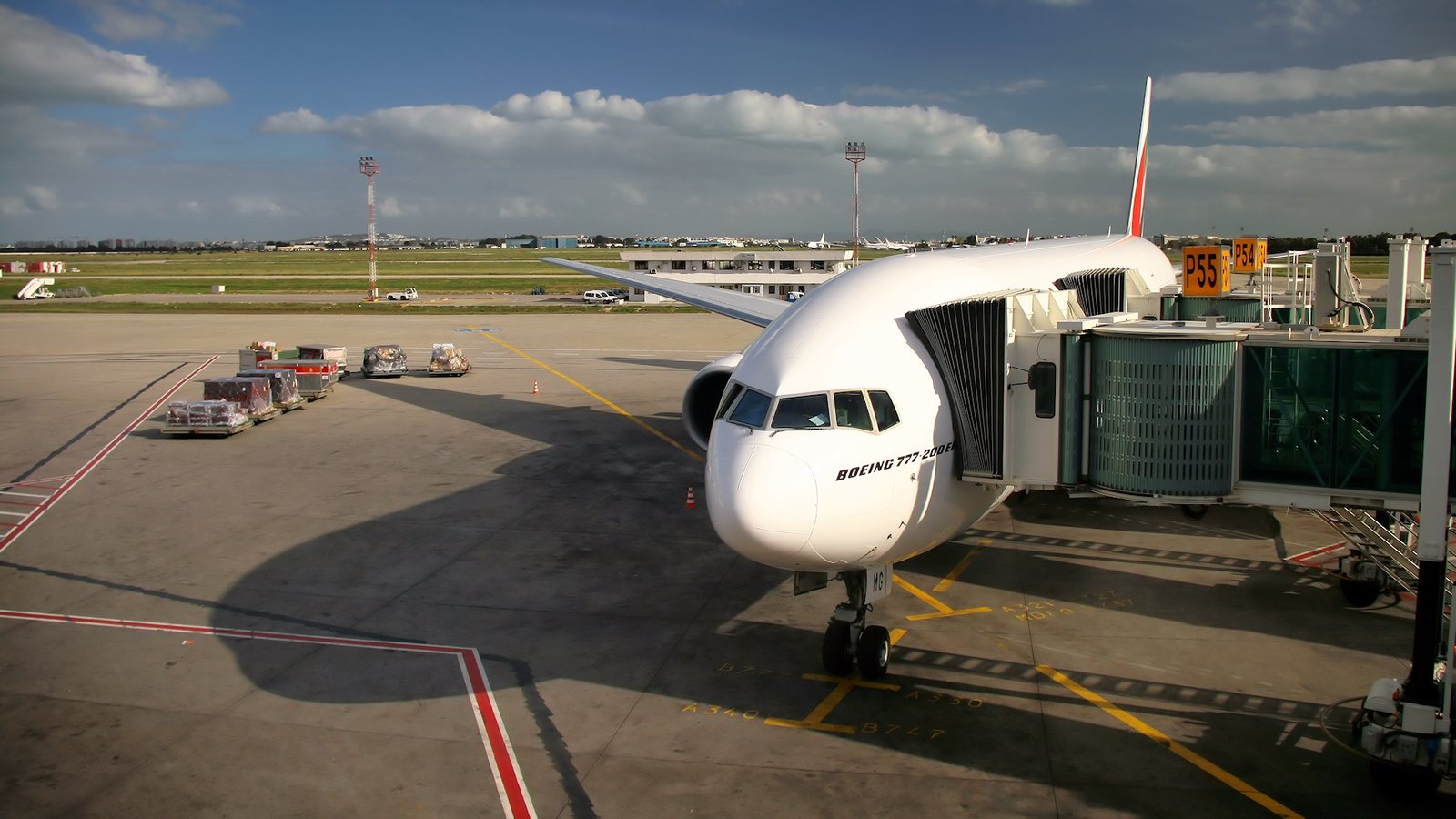
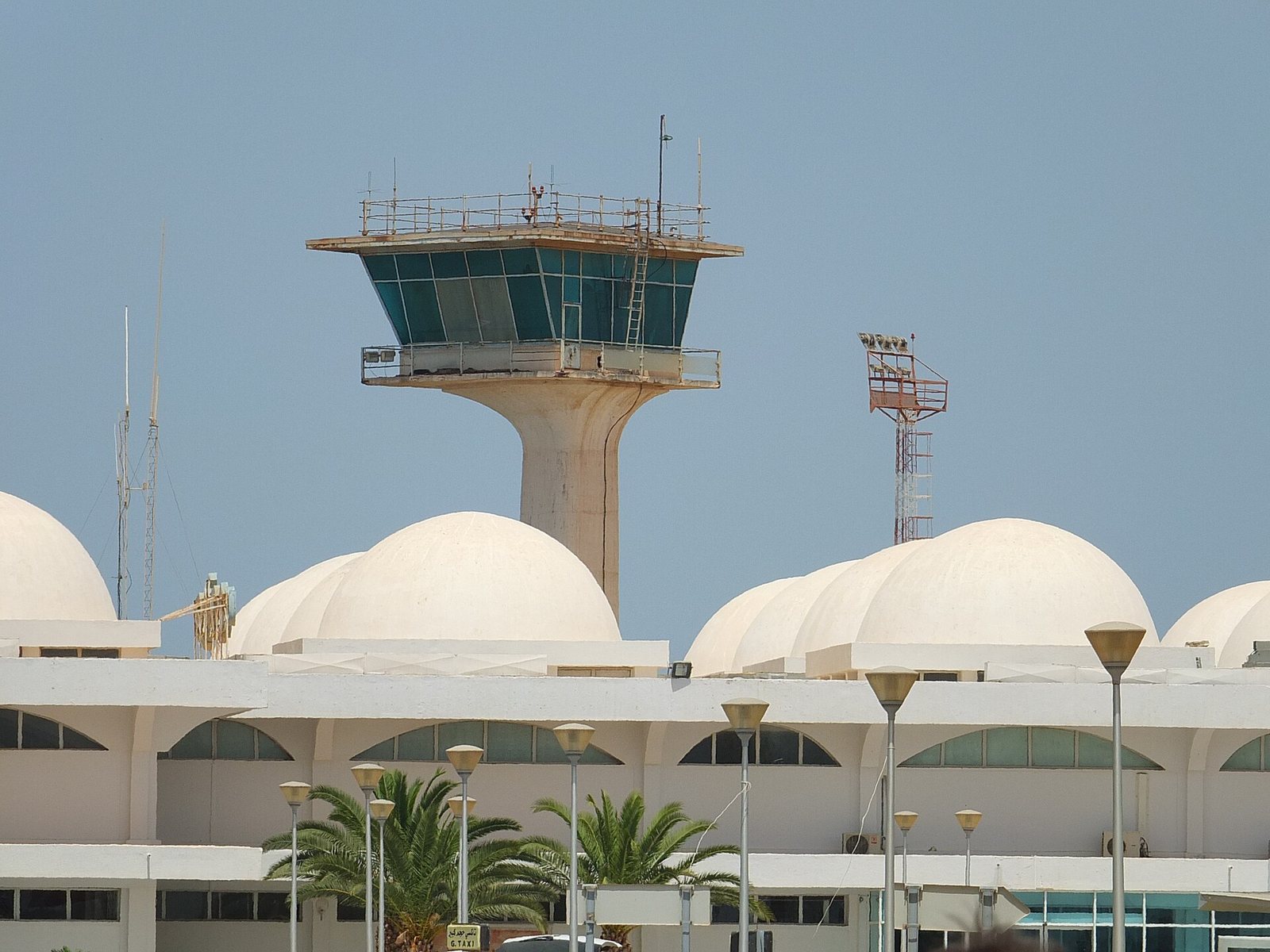
All images via Wikimedia Commons, used with thanks: Enfidha-Hammamet International Airport © Waiwaq (CC BY-SA 4.0); A jet on the stand at Tunis-Carthage airport © Jorge Franganillo (CC BY 3.0); Djerba-Zarzis International Airport © Ad Meskens (CC BY-SA 4.0); Monastir Habib Bourguiba International Airport © Ad Meskens You are free to use this picture for any purpose as long as you credit its author, Ad Meskens. Example: © Ad Meskens / Wikimedia Commons If you use this work outside of the Wikimedia projects, a message or a copy is very much appreciated. This image is not in the public domain. A statement such as “From Wikimedia Commons” or similar is not by itself sufficient. If you do not provide clear attribution to the author you do not comply with the terms of the file’s license and you may not use this file. If you are unable or unwilling to provide attribution you should contact Ad Meskens to negotiate a different license. (CC BY-SA 4.0); Tunis-Carthage International Airport © Mohatatou (CC BY-SA 4.0).