By the Tunisia Tourism Guide team · Last fact-checked 2 July 2026 · FCDO advice last updated 23 February 2026, re-checked word for word 2 July 2026 (unchanged) · We don’t sell tours or take hotel commissions — this is independent advice, and we review it whenever a government advisory changes.
You’ve found a Hammamet deal that looks almost too good, you’re half-booked, and then you make the mistake of googling “is Hammamet safe” at eleven at night. Up comes a “safety index” score you can’t interpret, a wall of twelve scams, and a decade-old news clip. So here is the straight answer before anything else.
Yes — Hammamet is one of Tunisia’s safest resort areas, and among the safest places most UK holidaymakers will ever go. It’s a purpose-built resort zone on the Cap Bon peninsula, heavily touristed and heavily policed, sitting hundreds of miles from any area the UK Foreign Office restricts. The things that’ll actually test your patience here are minor — pushy vendors, a haggle in the medina, a taxi driver whose meter has mysteriously broken — and they’re irritations, not dangers. This guide gives you the honest detail behind that yes.
We’ll quote the FCDO word for word and date-stamp it, split Hammamet into the two very different places it actually is (the polished Yasmine marina versus the old town), and walk you through beaches, taxis, night walks, the scams by name, women travelling solo, day trips and the health basics. It’s the Hammamet chapter of our wider guide to whether Tunisia is safe, so if you want the full national picture, that’s where to go next.
Is Hammamet safe? The 30-second verdict
If you read one thing, read this. It’s the summary we’d give a friend at the departure gate.
| Question | The short answer (July 2026) |
|---|---|
| Overall | Very safe for tourists. A mainstream, purpose-built resort zone millions holiday in every year |
| UK government position | No advisory against travel to Hammamet, Yasmine Hammamet, Nabeul or anywhere on Cap Bon. Restricted zones are all far away — quoted in full below |
| Nearest restricted area | Hundreds of miles away, on the western Algerian border and the far south by Libya — the opposite corner of the country |
| Biggest real risk | The roads, statistically, then petty theft and overcharging. Not violence, not terrorism |
| Main annoyance | Touts and haggling in the old medina; the odd “broken” taxi meter. Wearing, not threatening |
| Yasmine vs old town | Yasmine Hammamet is gated, polished and low-hassle; the old town is charming but touty. Both are safe |
| Solo women | Resort zones relaxed; catcalling possible outside them, tiresome not dangerous. Manageable with firm refusals |
| Insurance | Essential. Your GHIC is not valid in Tunisia, so travel insurance with medical cover is a must |
| Emergency numbers | Ambulance 190 · Police 197 · Fire 198 · National Guard (rural) 193 |
Bottom line: Hammamet is about as risky as a large, sunny garden centre with a beach attached. Take the same sense you’d take to any Mediterranean resort, keep a hand on your phone in a crowd, and the rest is holiday. Here’s the honest detail.
What the FCDO says — and why Hammamet is nowhere near the risk zones
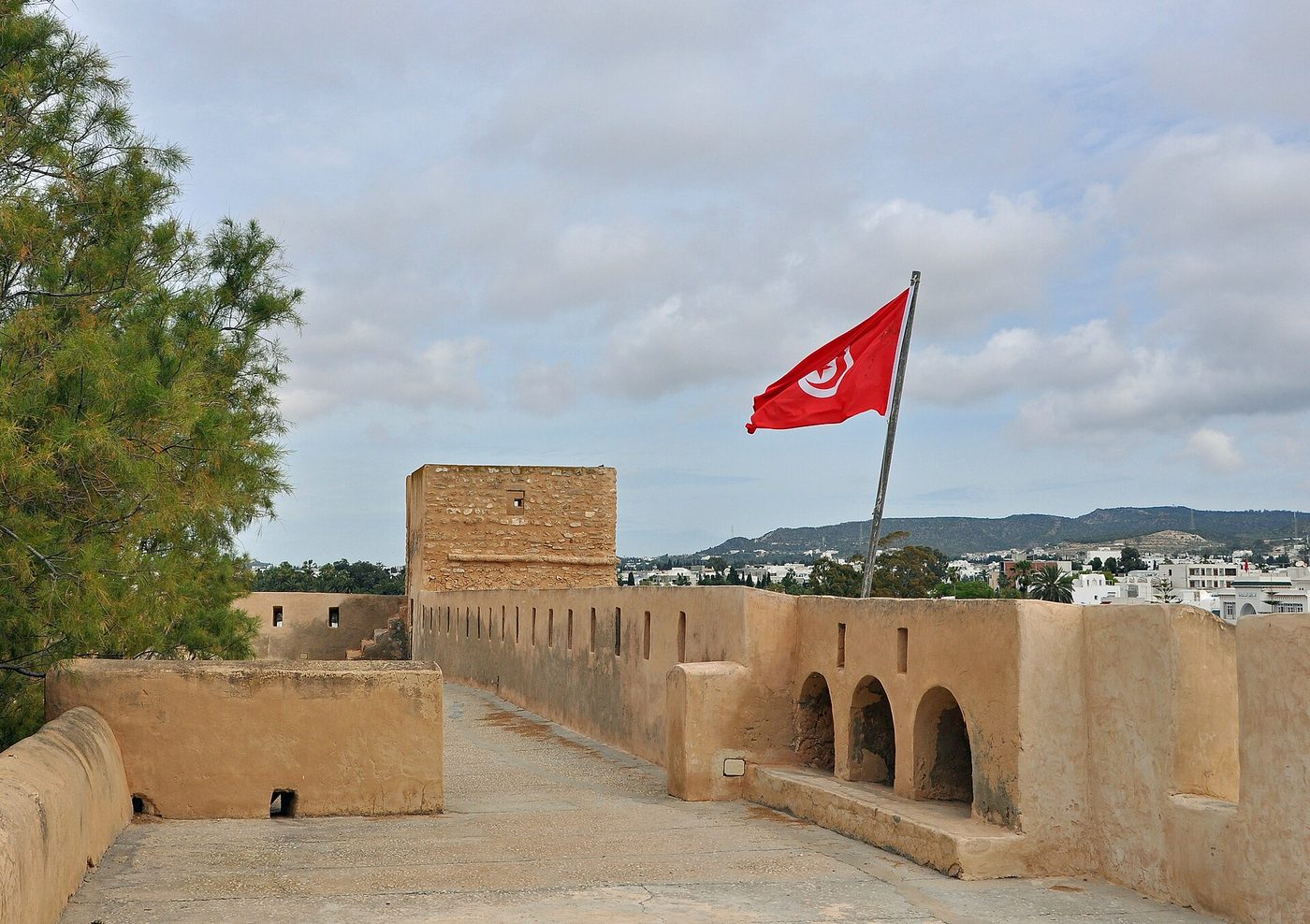
Most safety pages paraphrase the Foreign, Commonwealth and Development Office until the meaning turns to mush. Here’s the real thing, from gov.uk’s Tunisia travel advice, last updated 23 February 2026 and re-checked by us, word for word, on 2 July 2026 (unchanged).
The headline reads: “FCDO advises against all travel to parts of Tunisia” — the operative words being parts of. Two lists follow, and Hammamet is on neither.
Where the FCDO advises against ALL travel
In western Tunisia, along the Algerian border: “the Chaambi Mountains National Park and the designated military operations zones: Mount Salloum, Mount Sammamma, Mount Mghila” — due to, in its words, “cross-border terrorist activity and operations by the Tunisian security forces.” And in the south, along the Libyan border: “the militarised zone south of the towns of El Borma and Dhehiba; within 20km of the rest of the Tunisia-Libya border area north of Dhehiba; the town of Ben Guerdane and immediate surrounding area.”
Where it advises against all but essential travel
Quoting again: “areas north and west of the town of Ghardimaou in Jendouba Governorate, including El Feidja National Park; within 20km of the Tunisia-Algeria border in El Kef and Jendouba governorates, south of the town of Jendouba; Kasserine Governorate, including the town of Sbeitla; within 10km of the rest of the Tunisia-Algeria border south of Kasserine Governorate; within 10km of Mount Mghila; Mount Orbata”; and in the south, “within 75km of the Tunisia-Libya border, including Remada and El Borma but excluding Zarzis, the C118 road and all areas in Medenine Governorate north of the road.”
Now look at a map. Every one of those places is a border strip or an inland mountain range in the far west or the deep south. Hammamet sits on the Cap Bon peninsula, on the north-east coast, roughly 60km south-east of Tunis — about as far from those zones as it’s possible to be while staying in the country. The nearest restricted area, Kasserine Governorate, is several hours’ drive inland through territory no beach excursion goes anywhere near. Hammamet, Yasmine Hammamet, the wider Cap Bon coast and the market town of Nabeul next door carry no FCDO advisory against travel of any kind. If a page has told you otherwise, it’s reading an out-of-date map.
Two more FCDO lines worth quoting precisely. On terrorism, the advice says: “Terrorists are likely to try to carry out attacks in Tunisia” — wording it also applies, incidentally, to France and Spain — and it notes that “a formal state of emergency has been in place since a terrorist attack against a police bus took place in 2015.” We’ll deal with the terrorism question honestly in a moment, because it’s the one under all the others. But the geography is the headline: on the security map, Hammamet is in the calmest corner of a country whose troubles sit at the far edges. Our full, date-stamped guide to whether Tunisia is safe puts the whole national picture in context.
What about 2015? The honest context
You can’t write honestly about Tunisian resort safety without 2015, so let’s do it properly rather than hiding behind “past incidents.” The FCDO records it plainly: “in June 2015, 38 foreign tourists were killed, including 30 British nationals, in a terrorist attack at Port El Kantaoui near Sousse”, and earlier that year, “in March 2015, 21 tourists were killed, including a British national, in a terrorist attack at the Bardo Museum in the centre of Tunis.” Anyone old enough to have watched the news that summer remembers it, and plenty of people googling “is Hammamet safe” are really asking about that day.
Two things you deserve to know. First, the geography: the beach attack was at Port El Kantaoui, near Sousse — roughly 90 minutes down the coast from Hammamet, not in it — and the museum attack was in central Tunis. Second, what changed. Since 2015 Tunisia rebuilt its tourist security from the ground up: a thousand armed tourist-security officers deployed along the coast and inside hotels, perimeter gates and vehicle checks became standard, scanners appeared at airports and big sites, and armed patrols — sometimes on quad bikes — began working the resort beaches. The UK Foreign Office formally lifted its advice against travel to the coast in July 2017, TUI and the other big operators returned, and the recovery has compounded every year since: more than 11 million people holidayed in Tunisia in 2025, an all-time record, with no terrorist incident affecting tourists since May 2023. None of that erases what happened. It’s simply the honest other half of the story, and it’s why the resorts you’d book today, Hammamet chief among them, run behind a decade-old wall of visible security.
Is Yasmine Hammamet safe? And how it differs from the old town
Here’s the thing nobody else spells out clearly, and it’s the single most useful thing to understand before you go. “Hammamet” is really two places with two different characters, and which one you stay in shapes your whole trip. Both are safe. They just feel different.
Yasmine Hammamet — the polished, low-hassle option
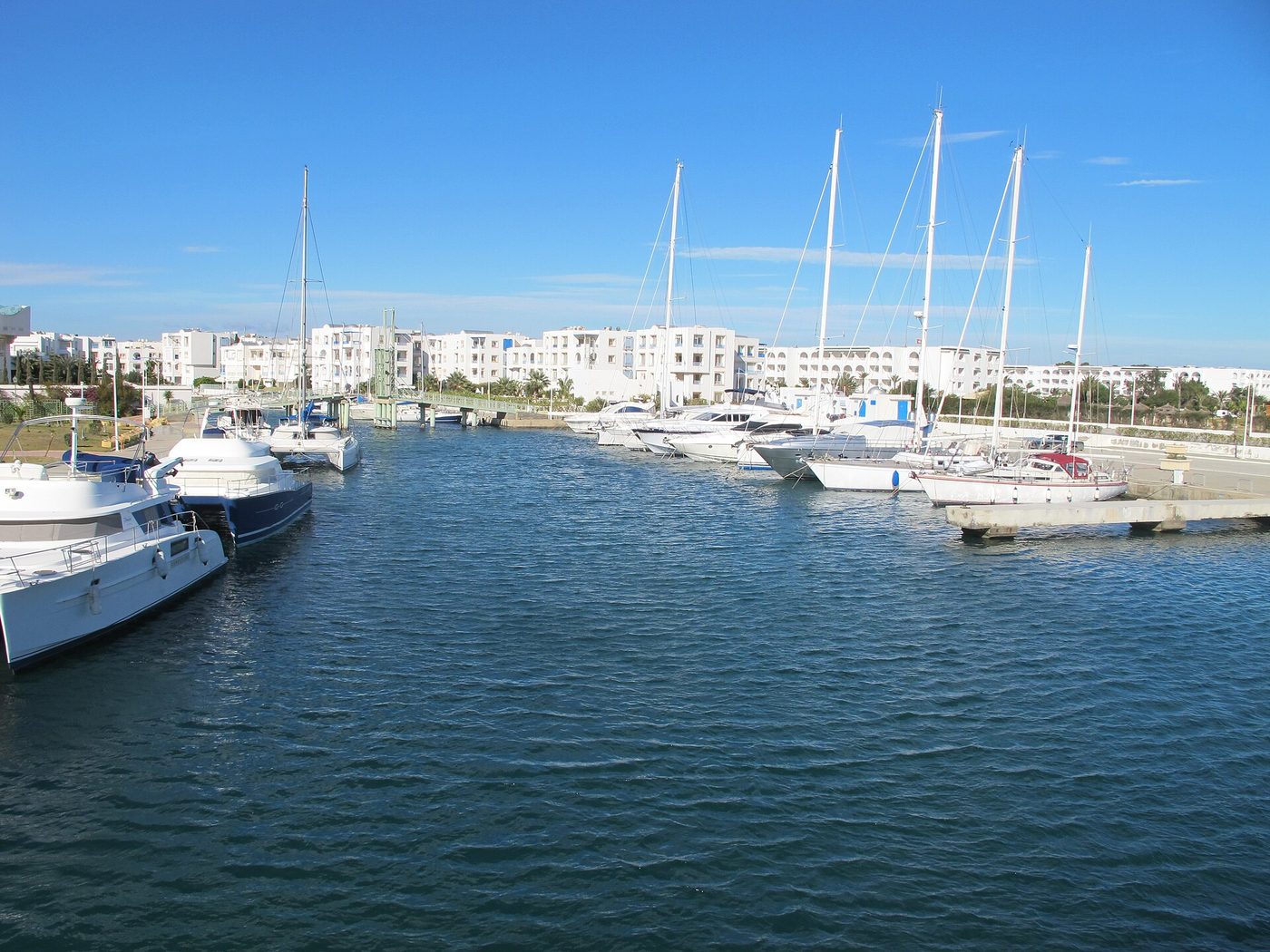
Yasmine Hammamet is the newer, purpose-built resort zone a few kilometres south of the old town, and it’s where most UK package hotels sit. Think gated hotel compounds, a smart marina full of yachts and pirate-ship excursion boats, a medina-themed shopping-and-entertainment complex, and wide, clean promenades. Police are visible but relaxed, bag checks happen at the bigger hotel entrances, and the whole zone is built around keeping tourists comfortable. If you’re a first-timer, travelling with children, or simply want the lowest-friction version of Hammamet, this is it — the hassle level here is genuinely low, and evenings around the marina are busy and easy. Our full Hammamet guide covers what there actually is to do in the resort.
Hammamet Centre and the old medina — charming, but this is where the hassle lives
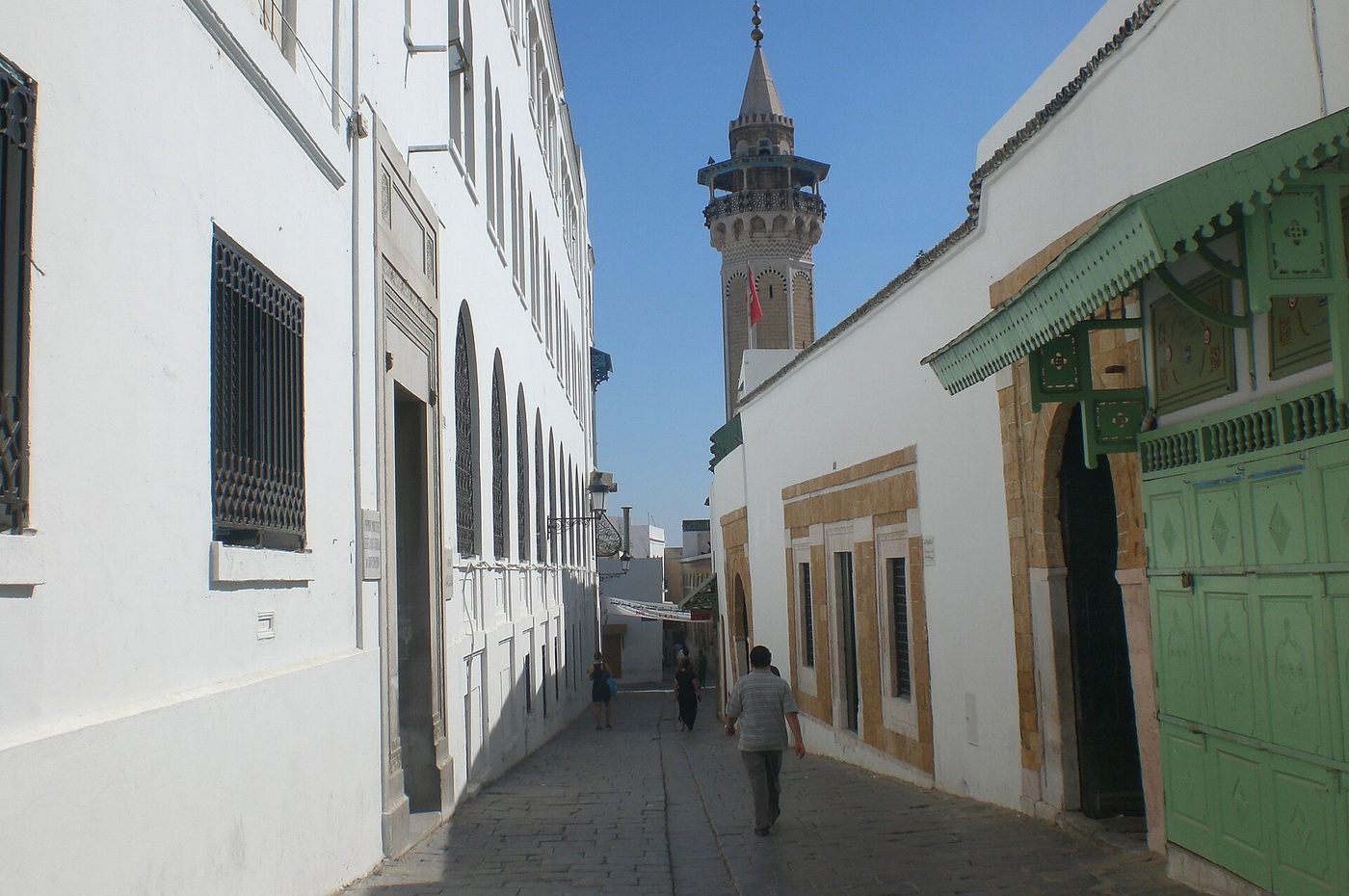
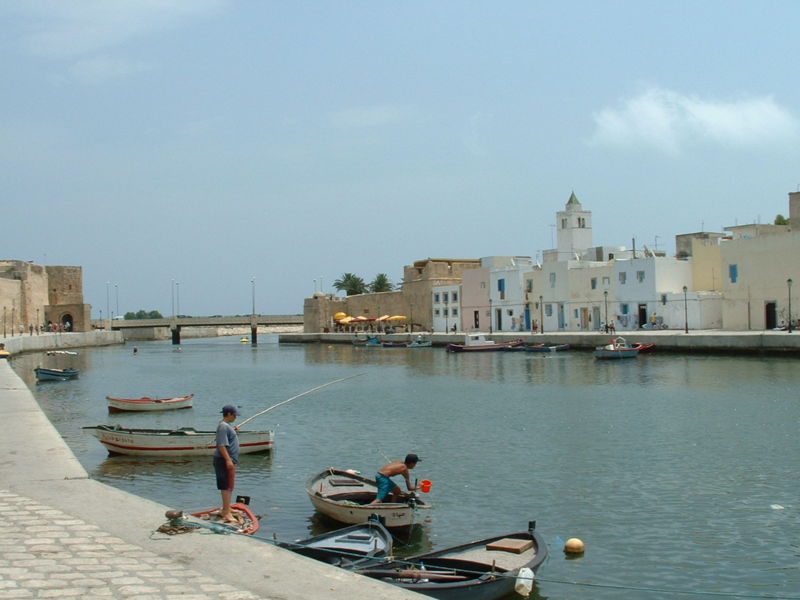
The old town, a few kilometres north, is where Hammamet keeps its soul: a compact walled medina, a photogenic kasbah rising straight out of the sea, whitewashed lanes and a working souk. It’s lovely, entirely walkable, and safe to explore by day. But be honest with yourself about what it is — a place that makes a living from tourists — because this is where the touts, the carpet-shop invitations and the five-to-ten-times mark-ups concentrate. None of it is dangerous. It’s just the part of Hammamet where you’ll need your polite-but-firm “no” most often. Plenty of people love the old town precisely because it has more character than the marina; just go in knowing you’re on the vendors’ turf.
So which should you stay in?
If you want easy, gated and family-friendly, base yourself in Yasmine Hammamet. If you want character and don’t mind brushing off a sales pitch, the old town and the strip between the two suit you better. Many people do both — sleep in Yasmine, wander the old medina by day. Our guide to where to stay in Tunisia helps you choose the right base for the trip you actually want.
Crime and scams: the honest day-to-day
Time for the part the fear-led articles bury and the scared-straight articles overdo. The FCDO’s crime section opens with a sentence worth framing: “The majority of visits to Tunisia are unaffected by crime. The most common crime experienced is theft.” That’s the calibration. Almost nothing here is about your safety; nearly all of it is about your wallet and your patience. Here’s the realistic list, most common first.
Petty theft and bag-snatching
Phones lifted in a medina crush, a bag left on a beach lounger while you swim, the occasional moped rider snatching a bag from a shoulder — the FCDO specifically flags bag-snatching by people on mopeds in Tunisia’s tourist areas. Standard discipline defeats nearly all of it: a crossbody bag worn to the front, phone zipped away in crowds, nothing valuable on the sand while you’re in the water, passports in the hotel safe, and cash drawn from ATMs inside a bank rather than a quiet street machine. Do that and you’ve closed off the commonest problem in Hammamet before it starts.
The medina and souk — haggling and mark-ups
In the old medina, opening prices are often pitched at five to ten times what a thing is worth — not a con so much as the local sport, but a shock if you’re not ready for it. Haggling is expected: counter at roughly a fifth to a quarter of the first quote and work up from there, and remember you are never, ever obliged to buy, however much tea you’ve been poured. Walking away is a perfectly normal move and often improves the price on your way out the door. Be a little wary of “handmade” and “genuine” craft that’s neither; if it matters, buy from a fixed-price government artisan shop.
Touts and the “I’m a waiter from your hotel” trick
A classic Hammamet opener is a warm “Hello! Do you remember me? I’m a waiter from your hotel!” — from someone who is not, in fact, a waiter from your hotel. The move is designed to build false familiarity and steer you to a shop where he earns commission, and some read your hotel wristband to name the property and sound convincing. The counter is simple: tuck your wristband out of sight, and meet the whole thing with a friendly, firm “no thank you” before walking on. It’s rarely more than a minor pester, and once you’ve done it a few times it fades into background noise.
The jasmine-seller move
Hammamet’s emblem is jasmine, and sellers will sometimes drape a sprig on you, tuck one behind an ear or press it into a child’s hand “as a gift” — then ask for money, sometimes firmly. It targets women and families most. No drama needed: hand it straight back with a smile and a “no thank you,” and don’t accept it onto your person in the first place if you can help it.
Restaurant and menu tricks
In the touristy stretches, watch for menus priced in euros rather than dinar (always confirm the currency), for bread, olives and harissa arriving “free” then appearing on the bill, and for the total not quite matching what you ordered. None of it is universal — most places are straight — but glance at the bill before you pay, agree prices for anything not clearly listed, and you’ll head it off.
Bezness — the romance long game
One you may not have heard named. In some resorts, a minority of young locals pursue relationships with visitors “either to enrich themselves or to come to” a Western country, as Canada’s official advisory bluntly puts it — it’s common enough across North African resorts to have earned a local name, bezness. It can move from holiday romance to requests for money, gifts, visa sponsorship or marriage with practised speed. Nobody’s policing who you fall for on holiday; just know the pattern exists, be a little sceptical of fast-moving devotion from staff or beach acquaintances, and never send money once you’ve flown home.
Taxis and getting around safely
Physically, taxis in Hammamet are fine. Financially, they’re where tourists most often get gently fleeced, so this is the section to actually remember.
The rule is simple: insist on the meter — the “compteur” — or agree a price before you get in. Yellow metered taxis are everywhere and cheap; the meter starts low and short hops cost very little. The scam, such as it is, is the “broken” meter followed by a tourist price several times the real one. If the meter’s “broken,” either agree a firm price first or wave the taxi on and take the next — there’s always another.
On the specific journeys people ask about, with every figure hedged because these things move and drivers vary:
- Hammamet centre to Yasmine Hammamet is a short hop that should cost only a few dinars on the meter. Expect to pay more if you take a hotel-arranged car, and note there’s a legitimate night surcharge (commonly around 50%) after roughly 9pm — that one’s real, not a scam. Always confirm the current fare with your hotel desk.
- From the airport. Most UK packages land at Enfidha (about 40–45 minutes away) with the transfer already included — the easy option. If you arrive independently at Tunis-Carthage (around 65km, roughly an hour), the meter should come to somewhere in the region of 70–90 dinars, but touts routinely quote 150–200, blaming a “broken meter” or a “toll surcharge.” Agree the meter or a fixed price before you load your bags. Treat these numbers as ballpark and check the current rate.
If you’re hiring a car, know that the FCDO says plainly “driving standards can be low,” and that’s not snobbery — lane discipline is loose, overtaking is enthusiastic, and rural roads at night can hide unlit vehicles, livestock and sand. You’ll need a 1968 international driving permit alongside your UK licence and a green card from your insurer. Avoid driving rural roads after dark, and approach the routine police and military checkpoints slowly with your documents ready — they’re standard, not sinister. For the full picture, see our guide to getting around Tunisia.
Is Hammamet safe to walk around at night?
In the busy zones, yes. The Yasmine marina and the main resort strip are lively and well-lit into the evening, and walking them after dinner is completely normal — the same street sense you’d use in any Spanish resort applies here. What to skip: empty residential back-streets away from the tourist areas, and dark, unlit stretches of beach late at night. If you’re coming back from somewhere quiet or it’s a long walk in the dark, take a licensed taxi rather than trek it. And apply the usual bar-and-club awareness — keep an eye on your drink, don’t wander off alone with people you’ve just met. None of this is Hammamet-specific; it’s just sense.
Beaches, pools and water safety
The beaches are a genuine draw — long, sandy and, in the resort zones, cleaner and calmer than Tunisia’s reputation suggests. Hotel beaches are monitored and the public stretches are busy and generally supervised in season. The real water risks are the ordinary ones. The FCDO notes that “some beaches have a flag system” and advises you to “make sure you understand the system and follow any warnings” — red means out, even when the sea looks perfectly inviting. Lifeguard cover varies by hotel and stretch, so watch children closely, especially where there’s no lifeguard on duty. If you’re taking a jet ski or a water-sports ride, use a visibly reputable operator, check the equipment, and don’t let anyone talk you into something beyond your confidence. Our roundup of Tunisia’s beaches has more on the coast.
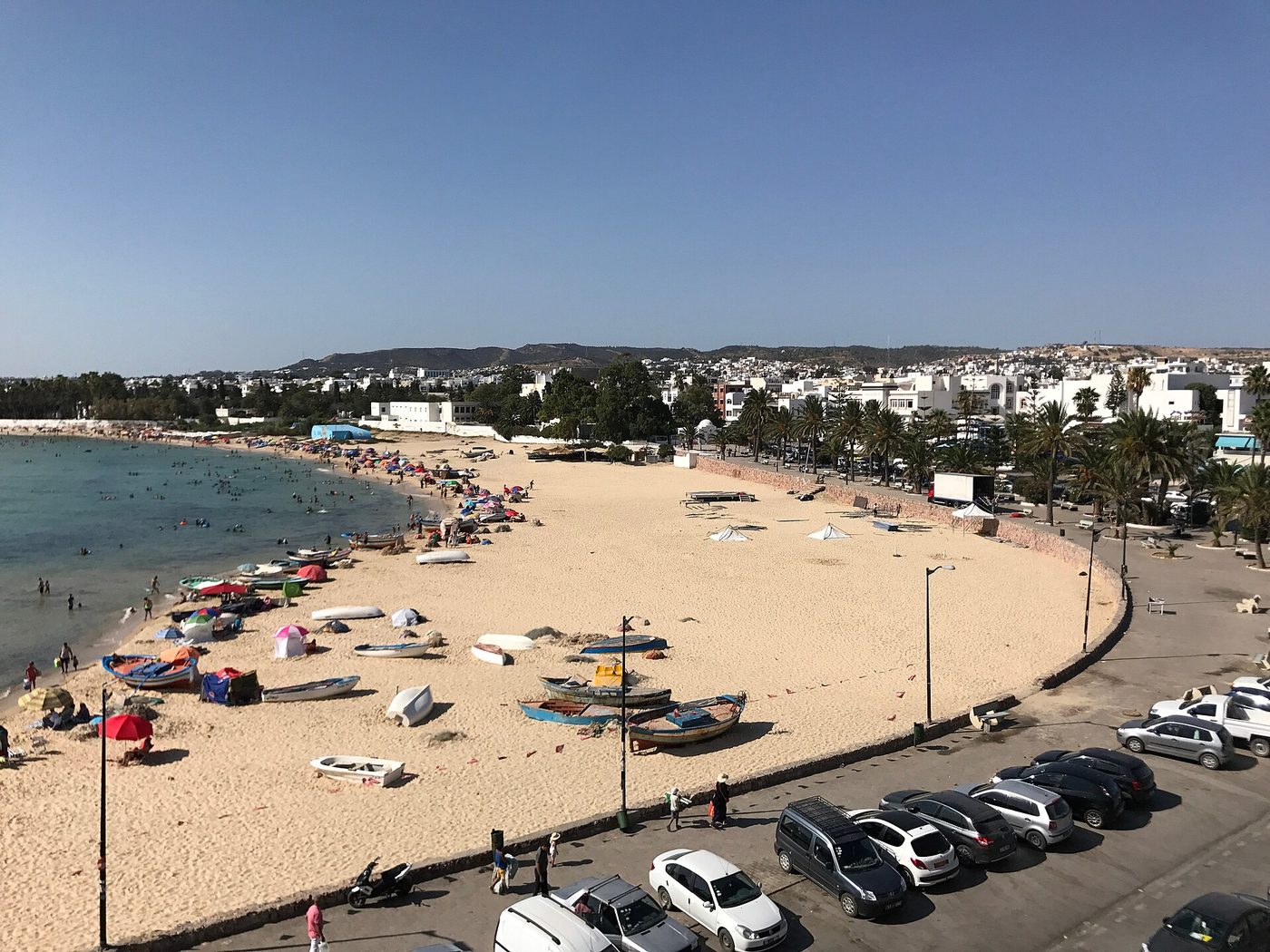
Excursions: quad bikes, buggies and day trips
Two very different excursion risks are worth flagging, because nobody else seems to.
Quad bikes and buggies
Quad-bike and buggy trips are among Hammamet’s most-sold excursions, and they’re where a genuinely avoidable injury risk lives. The FCDO’s wording is worth heeding: “Quad bikes are popular in desert resorts. Take the same precautions as you would in the UK. Safety standards can vary considerably. Always wear a crash helmet.” In practice: book through your hotel rep or a clearly reputable operator, insist on a helmet and confirm the gear’s actually provided before you pay (some budget outfits hand you nothing), don’t let a guide goad you into going fast, and make sure your travel insurance covers quad bikes — they’re a classic exclusion, as are jet skis and camel rides. Ride sensibly and it’s good fun; treat it as a race and it’s the likeliest way to spoil your holiday.
Day trips from Hammamet
The good news for day-trippers: everything you’d realistically visit from Hammamet is well outside the restricted zones and safe with a reputable operator. The market at Nabeul next door, the capital and its suburbs — Tunis, Carthage, blue-and-white Sidi Bou Saïd — the vast Roman amphitheatre at El Djem and the holy city of Kairouan are all comfortably in bounds. You’ll pass routine police and military checkpoints on the Tunis road, and you may see soldiers checking vehicles; that’s the visible edge of the post-2015 security, not a sign of danger. Book through your rep or a trusted operator rather than a stranger on the beach, and see our guides to the best Tunisia excursions and the Roman ruins worth the drive.
Is Hammamet safe for solo female travellers?
The honest version, because the brochure version helps nobody. Most solo women report warm, often protective hospitality in Hammamet — and, outside the resort bubble, a level of verbal attention that ranges from tedious to genuinely wearing: catcalls, persistent vendors, the self-appointed “guide” who won’t take a first no. It’s an annoyance far more than a danger, but you deserve to know it’s there. The FCDO notes that “reports of sexual harassment and sexual assault statistically increase in the summer months”, with “trouble in busy public places at night and quieter public parks and beaches during the daytime” — so calibrate accordingly.
What works, from women who travel here often: the resort zones and the marina are easy and relaxed; dress a little more covered once you’re off the hotel beach and into the medina (shoulders and knees, and it reads as respect and buys you calmer streets — bikinis are entirely normal on the beach itself); a confident, unsmiling “la, shukran” — no, thank you — ends most exchanges; sunglasses and simply not engaging work wonders; sit in the back of taxis and use hotel-called cars at night; and be aware of the bezness pattern above. Reassuringly, Tunisian women around you will step in without hesitation if someone genuinely oversteps. Our Tunisia travel tips go deeper on solo and first-timer practicalities.
Is Hammamet safe for families?
It’s one of the best places in Tunisia to bring children, and the resort machine was built with families in mind. Yasmine Hammamet in particular gives you gated hotels, a calm marina, shallow supervised beaches, kids’ clubs and a culture that genuinely adores children — expect yours to be fussed over and fed. The family-specific things to watch aren’t about crime at all: the sun (it’s fierce from late spring to early autumn — shade hours, hats, high-factor cream), the beach and pool flag system, and the classic first-few-days tummy bug (bottled water, sensible buffet choices). Pack the usual children’s medicines so you’re not hunting a pharmacy at midnight — though there’ll be a good one nearby if you are.
Health, water and insurance
Start with the one that catches people out: your GHIC (or old EHIC) is not valid in Tunisia. It isn’t an EU country and there’s no reciprocal healthcare deal, so public hospitals expect foreign nationals to pay, and anything serious means a private clinic that wants a card or cash before treatment — with repatriation, if it ever comes to that, running well into five figures. Comprehensive travel insurance with medical cover and repatriation isn’t optional here; it’s the price of the trip. Check it covers the activities you’ll actually do — quad bikes, jet skis and camel rides are the usual exclusions — and remember the FCDO’s warning that travelling into a restricted zone can invalidate your policy entirely.
For the everyday health stuff, the sensible source is the NHS-linked TravelHealthPro Tunisia page (Tunisia is country 226), which sets out the standard vaccine and food-and-water advice — check it before you travel, as guidance changes. The practical version: stick to bottled water (it costs pennies), use it for brushing your teeth if you’re cautious, skip ice from anywhere that looks iffy, and be sensible at buffets — go for things served properly hot and freshly cooked. “Tunisia tummy” is the country’s most common holiday complaint, nearly always food-and-water hygiene rather than anything sinister, so pack rehydration sachets just in case. Pharmacies are excellent and everywhere, and pharmacists usually speak enough English or French to sort you out fast. Two more: the sun and heat (35°C-plus in high summer) are a bigger real risk than any crime, so pace yourself; and Tunisia is a rabies-risk country, so don’t approach or pet stray dogs or cats, however friendly they look.
Alcohol, dress and local etiquette
You can drink in Hammamet without a second thought. Resort hotels and licensed bars serve beer (the local lager is Celtia), wine and spirits, and a poolside drink is entirely normal. The FCDO’s own note is useful here: “The sale of alcohol is permitted in Tunisia but is banned from sale in supermarkets on Fridays. You can still order and drink alcohol in hotels and bars. During Ramadan, sale of alcohol is banned” — but crucially, “these rules do not apply at holiday resorts.” So your resort keeps serving through Ramadan and Fridays; it’s only supermarket shelves that go dry. If you’re driving, note the drink-drive limit is stricter than the UK’s — just don’t.
On dress and etiquette, the FCDO puts it neatly: “Beach-appropriate clothing in holiday resorts is acceptable, however when visiting religious sites or remote areas of the country, local custom is to dress modestly.” In other words, beachwear on the beach, a bit more cover in the medina and at mosques. One legal-practical note the FCDO also makes: “As a foreign national, you must carry ID, such as a copy of the photo page of your passport” — so keep a photocopy on you and the original in the safe.
A quick safety checklist for Hammamet
- Insist on the taxi meter (the compteur) or agree the fare first; wave on any “broken” meter.
- Tuck your hotel wristband away in town — it’s the tell touts read.
- Crossbody bag to the front in the medina; phone zipped; nothing valuable on the sand while you swim.
- Haggle from about a fifth of the first price and never feel obliged to buy.
- Hand jasmine straight back unless you fancy paying for it.
- Follow the beach flags — red means out — and watch children in the water.
- Wear a helmet on quad/buggy trips and check your insurance covers them.
- Stick to bottled water and pack rehydration sachets.
- Get proper travel insurance with medical cover — your GHIC won’t work here.
- Carry a passport photocopy and keep the original in the hotel safe.
- Emergency numbers: ambulance 190, police 197, fire 198, National Guard 193 — but in a resort, your hotel front desk is usually the fastest first call.
So, should you go to Hammamet?
Yes — with your eyes open, but genuinely relaxed. Hammamet is a purpose-built, heavily policed resort zone in the safest corner of a country whose troubles sit hundreds of miles away at its edges, quoted exactly above so you can check them yourself. The honest downsides are the touts, the haggling and the occasional creative taxi fare — irritations you can manage with a firm smile and a bit of preparation, not dangers that should keep you home. Millions holiday here every year, the vast majority without a moment’s trouble. Sort your insurance, keep a hand on your phone in a crowd, respect the sun and the souk prices, and spend the worry you’ve been spending on this question planning the good part instead.
Ready to plan? See how Djerba compares on safety if you’re weighing up islands, dig into our full Hammamet guide for what to do once you’re there, and decide whether the country as a whole is your kind of trip with is Tunisia worth visiting.
Is Hammamet safe? Your questions answered
Is Hammamet safe for British tourists right now?
Yes. As of 2 July 2026, the FCDO has no advisory against travel to Hammamet, Yasmine Hammamet or anywhere on Cap Bon — its restricted zones are all on the far western and southern borders, hundreds of miles away. Hammamet is a mainstream UK package resort with a decade of post-2015 security, and hundreds of thousands of Britons holiday in Tunisia every year. Take normal resort precautions and you’ll be fine.
Is Yasmine Hammamet safe, and how is it different from Hammamet town?
Yasmine Hammamet is the purpose-built resort zone south of the old town: gated hotels, a marina, themed shopping, visible police, low hassle — ideal for families and first-timers. Hammamet town, a few kilometres north, has the historic medina and kasbah; it’s just as safe but this is where the touts and mark-ups concentrate. Both are safe; Yasmine is the more polished, lower-friction option.
Is Hammamet safe to walk around at night?
In the busy areas, yes. The Yasmine marina and the main resort strip are well-lit and lively into the evening, and walking them after dinner is normal. Stick to lit main roads, skip empty residential back-streets and dark beach stretches late at night, and take a licensed taxi back if it’s a long walk in the dark. Apply the same street sense you would at any Mediterranean resort.
Is Hammamet safe for solo female travellers?
Broadly yes, with one honest caveat: verbal harassment. Resort zones and the marina are relaxed, but outside them you may meet catcalling and persistent attention — wearing rather than dangerous, and worse in summer. Dress a little more covered off the beach, use a firm unsmiling “no,” sit in the back of taxis and use hotel-called cars at night. Most solo women find Hammamet easier and warmer than they feared.
How safe are the beaches in Hammamet?
Very. The resort-zone beaches are clean, busy and monitored, and Hammamet’s sea is among the calmer, sandier stretches of the Tunisian coast. Follow the flag system — red means don’t swim, even when the sea looks fine — watch children closely where there’s no lifeguard, keep valuables off the sand while you swim, and use a reputable operator for jet skis and water sports. The main risks are ordinary water-safety ones, not crime.
Are taxis safe in Hammamet, and how much should they cost?
Physically safe; financially, insist on the meter (the compteur) or agree a price first, because the “broken meter” overcharge is the main taxi scam. Hammamet centre to Yasmine is a short hop of only a few dinars on the meter (more via a hotel car, plus a legitimate night surcharge after about 9pm). From Tunis-Carthage airport (around 65km) the meter should be roughly 70–90 dinars, though touts quote far more — agree the fare first. Treat all figures as approximate and confirm current rates.
Is the Hammamet medina safe, and how do I handle the touts and haggling?
The medina is safe to explore by day; the challenge is commercial, not criminal. Expect opening prices five to ten times the real value — counter at about a fifth to a quarter and work up, and never feel obliged to buy. For touts, tuck your hotel wristband out of sight and use a friendly but firm “no thank you” before walking on. The “I’m a waiter from your hotel” line is a commission-hunting opener, not a real waiter.
What is the jasmine scam, and the “waiter from your hotel” trick?
The jasmine move: a seller drapes or hands you a sprig of jasmine “as a gift,” then asks for money — hand it straight back and don’t accept it in the first place. The “waiter” trick: someone greets you like an old friend, claims to work at your hotel (sometimes reading your wristband to name it), then steers you to a shop for commission. Both are harmless pesters, not dangers; a polite firm refusal ends them.
Is it safe to do a quad bike or buggy excursion in Hammamet?
Yes, if you’re sensible. The FCDO warns that quad-bike safety standards “can vary considerably” and to “always wear a crash helmet.” Book through your hotel rep or a reputable operator, insist on a helmet and confirm the gear is provided before paying, don’t be goaded into going fast, and check your travel insurance covers quad bikes — they’re a common exclusion. Ridden carefully it’s good fun; the real risk is a fall, not crime.
Was Hammamet affected by the 2015 Tunisia attacks, and is there still a threat?
No, Hammamet was not attacked. The 2015 beach attack was at Port El Kantaoui near Sousse, about 90 minutes down the coast, and the museum attack was in Tunis. Since then Tunisia has rebuilt resort security with armed tourist police, hotel screening and beach patrols, and there’s been no terrorist incident affecting tourists since May 2023. The FCDO notes a general threat nationally, as it does for France and Spain, but resort areas like Hammamet are heavily protected.
Can I drink the tap water in Hammamet, and do I need travel insurance?
Stick to bottled water — it costs pennies, and the first-few-days tummy bug is the commonest Tunisia complaint. Use bottled for brushing teeth if you’re cautious and be sensible at buffets. On insurance: it’s essential, because your GHIC is not valid in Tunisia and serious care means paying a private clinic up front. Get comprehensive medical cover with repatriation, and make sure it includes activities like quad bikes and jet skis. Check current health advice on NHS TravelHealthPro (country 226).
Is it safe to do day trips from Hammamet to Nabeul, Tunis or Carthage?
Yes. Nabeul, Tunis, Carthage, Sidi Bou Saïd, El Djem and Kairouan are all well outside the FCDO’s restricted zones and safe with a reputable operator. You’ll pass routine police and military checkpoints on the Tunis road — standard post-2015 security, not a warning sign. Book through your rep or a trusted excursion company rather than a stranger on the beach, and apply normal city sense with your phone and bag in busy medinas.
Written by the Tunisia Tourism Guide team — an independent, UK-focused guide to travelling in Tunisia. We don’t sell tours or take hotel commissions. Safety information was checked against FCDO and NHS/TravelHealthPro guidance at publication; advisories change, so always check the FCDO’s Tunisia page yourself before you book and again before you fly.
Photo credits
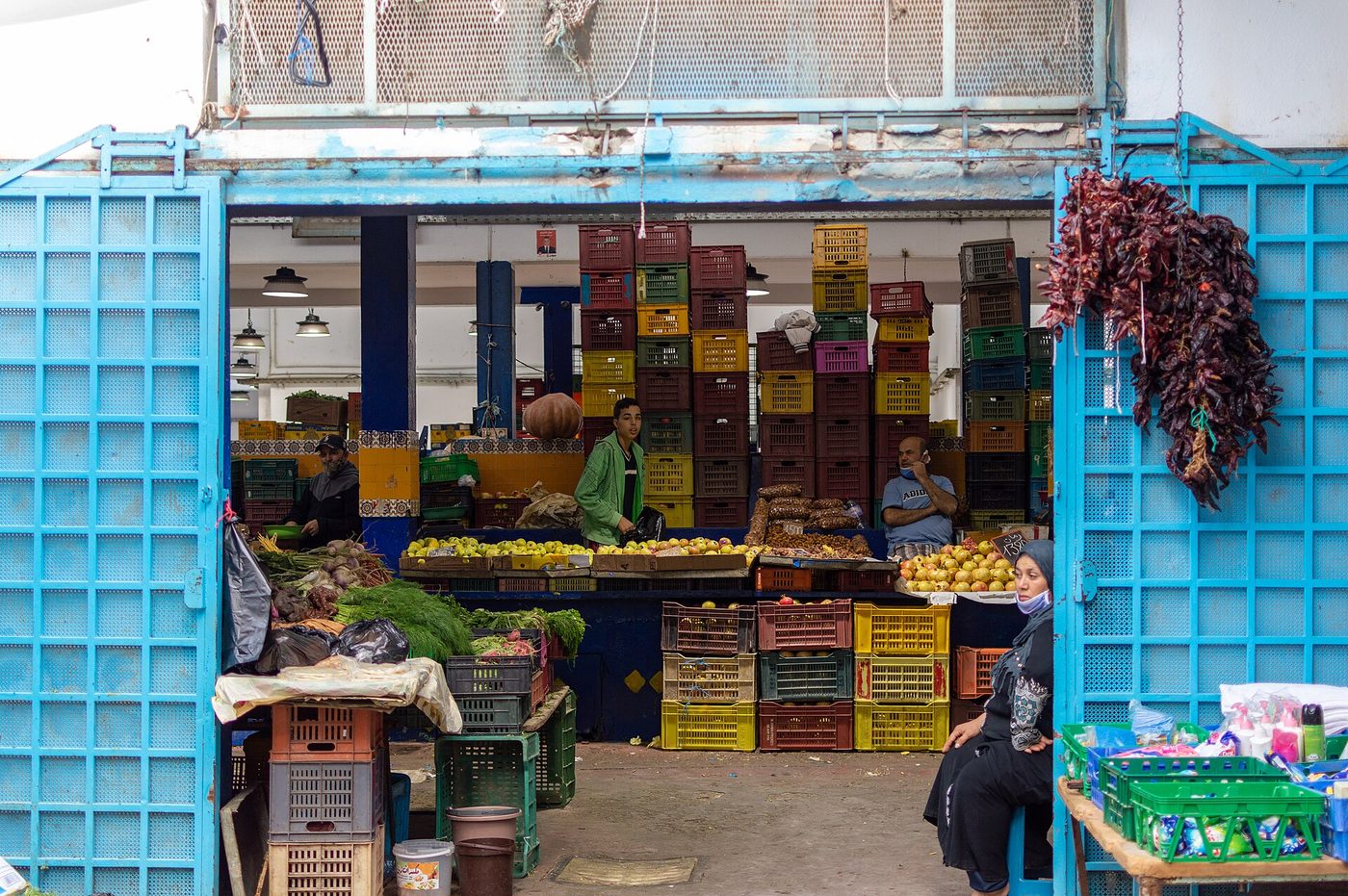
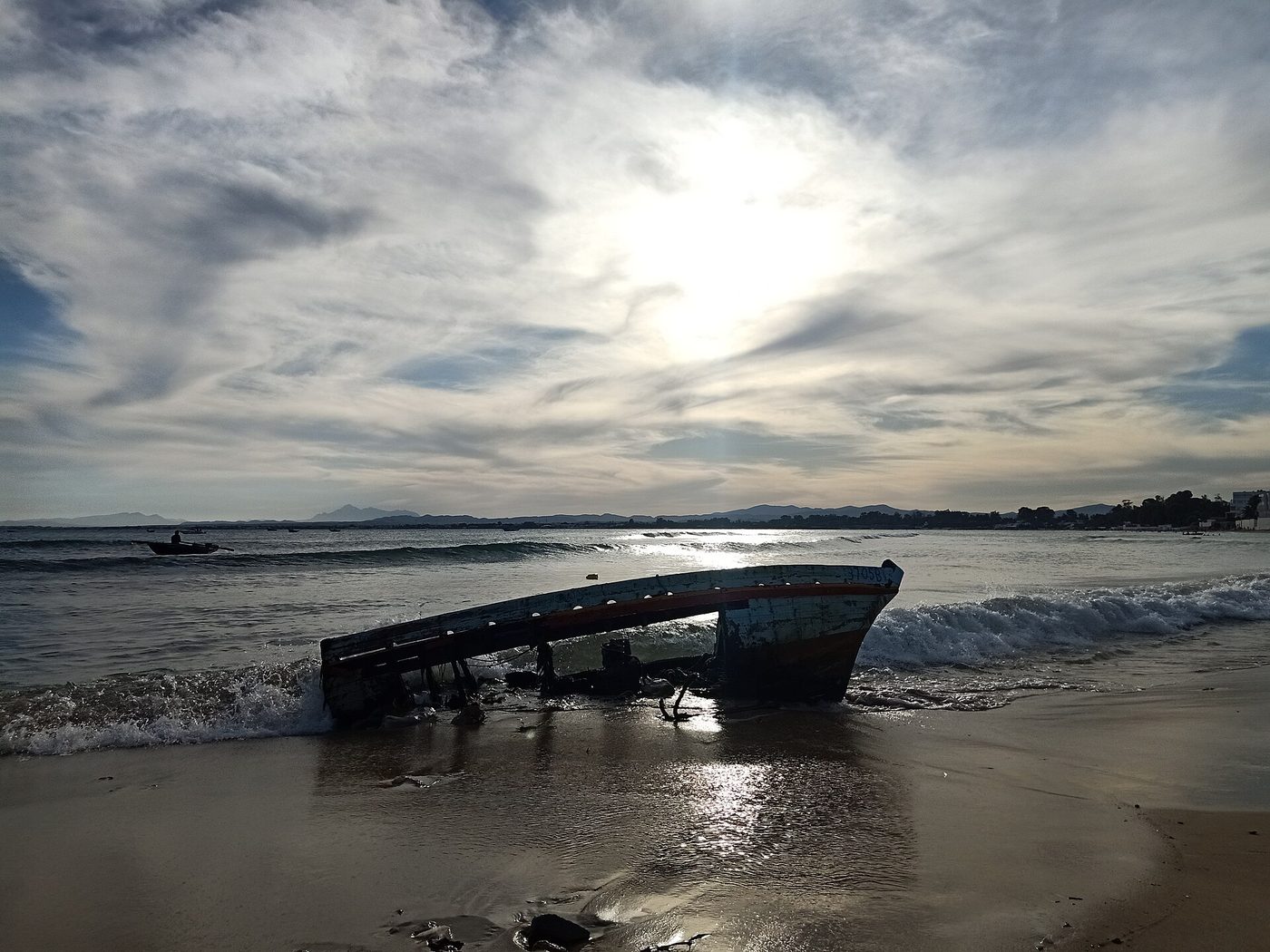
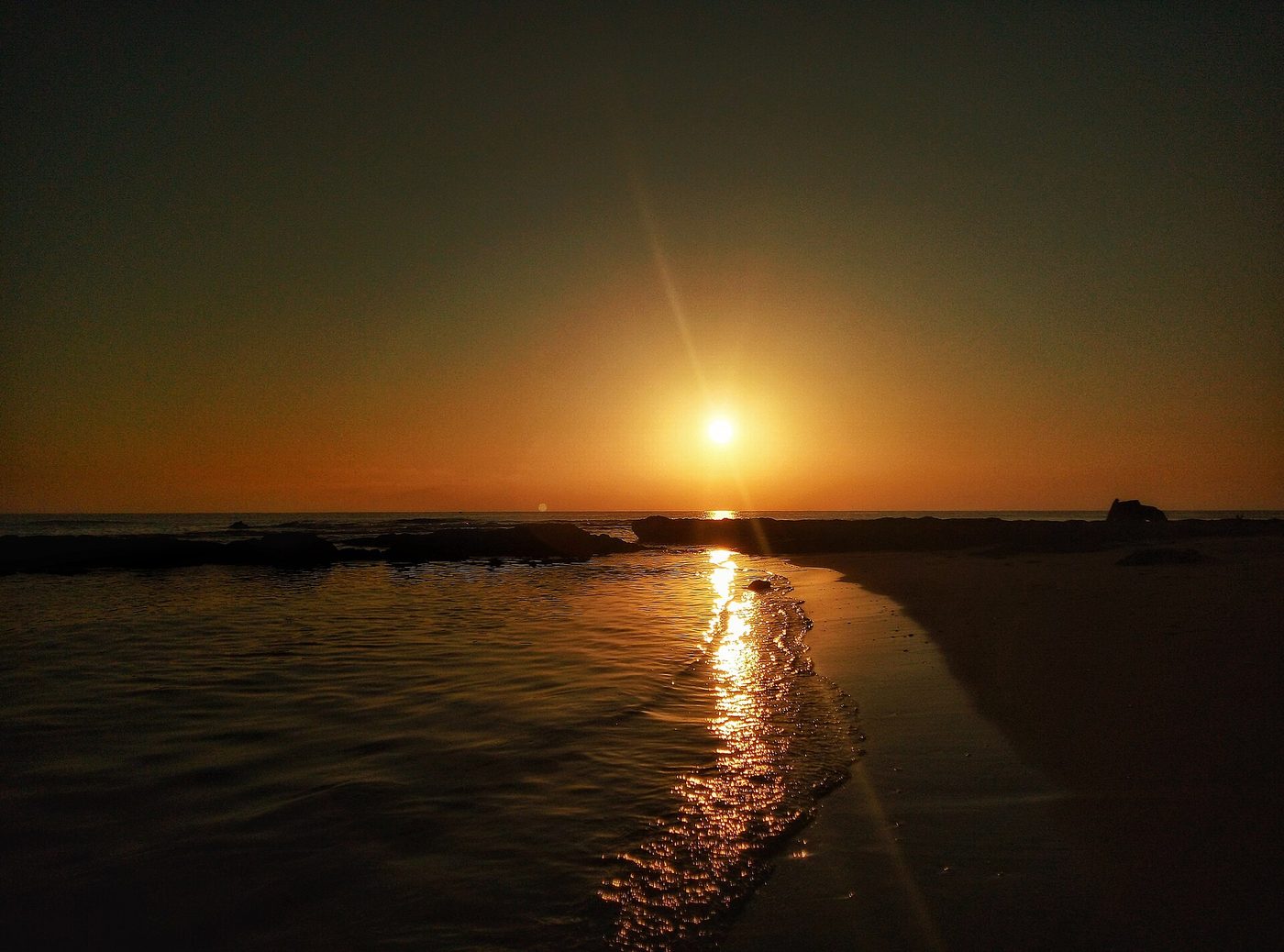
All images via Wikimedia Commons, used with thanks: the kasbah at Hammamet © Marc Ryckaert (MJJR) (CC BY 3.0); the marina at Yasmine Hammamet © Kritzolina (CC BY-SA 4.0); the beach at Hammamet © Mohatatou (CC BY-SA 4.0).