By the Tunisia Tourism Guide team · Last updated 2 July 2026 · We don’t sell tours or take hotel commissions — this is independent advice, written to be useful.
Every week someone asks us the same thing in slightly different words: is Tunisia worth visiting, or is it a bit of a gamble? Usually they’ve found a package that looks almost too cheap, read one glowing blog and one horror story, and come away more confused than when they started.
So here’s the honest answer. Yes — Tunisia is worth visiting for most UK holidaymakers, as long as you go with the right expectations. You get world-class Roman ruins with no queues, a genuine slice of the Sahara three hours from Gatwick, warm sea into October and some of the best value in the Mediterranean. What you don’t get is faultless five-star service, buzzing nightlife or pristine infrastructure. Match the country to what you actually want from a holiday and you’ll have a brilliant, cheap, memorable trip. Get the expectations wrong and you’ll spend a week feeling short-changed.
This guide is the conversation we’d have with a friend who was on the fence — the genuine draws, the real downsides UK travellers report, and a plain “who it’s for and who it isn’t.” It’s the first stop in our wider guide to things to do in Tunisia, so once you’ve decided, you’ll know where to go next.
The short answer: a quick verdict
If you only read one thing, read this. It’s the summary we’d give at the airport.
| Book Tunisia if you want… | Give it a miss if you want… |
|---|---|
| Great-value winter and shoulder-season sun | Faultless five-star, Dubai-grade service |
| Roman history you can have almost to yourself | A buzzing, late-night party-resort scene |
| A first, short-haul taste of North Africa | Pristine pavements and predictable infrastructure |
| A night in the Sahara without a long flight | A destination where nobody ever tries to sell you anything |
| A family all-inclusive that won’t wreck the budget | Guaranteed sunshine in the depths of winter |
Bottom line: Tunisia punches far above its price. It rewards curiosity and a relaxed attitude, and it frustrates anyone expecting Western Europe with a tan. Here’s the honest detail behind that.
Why visit Tunisia? The genuine draws
Let’s start with the good stuff, because there’s a lot of it, and it’s the reason we think most people should go.
Value that’s genuinely hard to beat
Tunisia is, year in year out, one of the cheapest Mediterranean packages a British traveller can book — often the cheapest. Low-season all-inclusive weeks routinely appear for a couple of hundred pounds a head, and even in summer it undercuts Spain, Greece and Turkey for the same star rating. On the ground it stays cheap: a sit-down lunch for the price of a coffee back home, a strong espresso for under a pound, a taxi across town for a few dinars. We won’t quote a fixed package price because they move constantly — but check the current fares and you’ll see why Tunisia keeps pulling people back. Just remember the dinar is a closed currency: you can’t buy it before you fly, and you can’t take it home, so you change money on arrival.
Roman ruins without the crowds
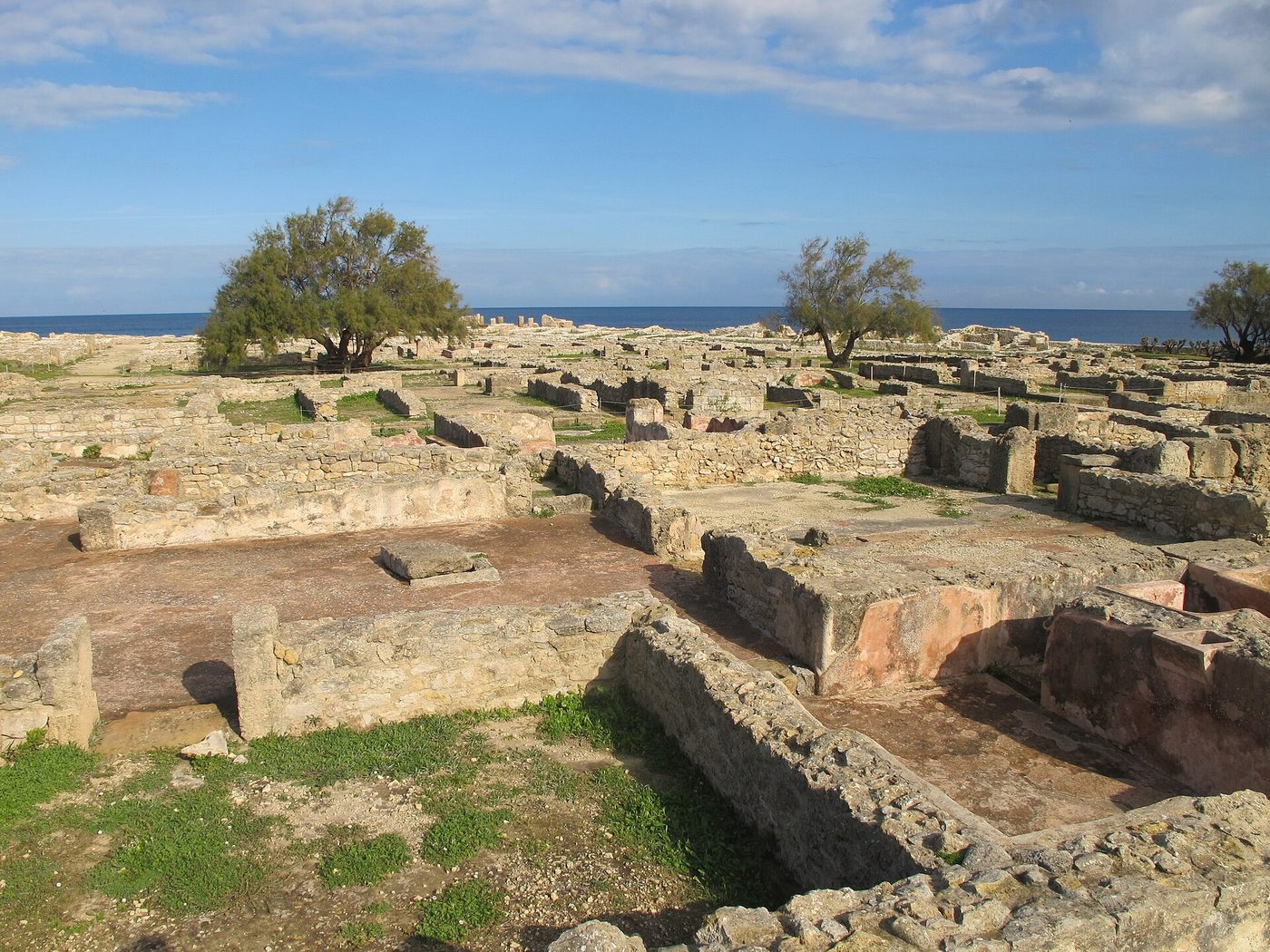
This is Tunisia’s secret weapon. The amphitheatre at El Djem is one of the largest and best-preserved in the entire Roman world — you can stand on the arena floor and climb the tiers with barely another soul around. Carthage, once Rome’s great rival, sprawls above the sea just outside the capital. Dougga is arguably the finest Roman town in North Africa and you’ll often have whole streets to yourself. If you’ve queued at the Colosseum, the contrast is almost comic. Our guide to Roman ruins in Tunisia maps out the best of them.

The Sahara — on a short-haul flight
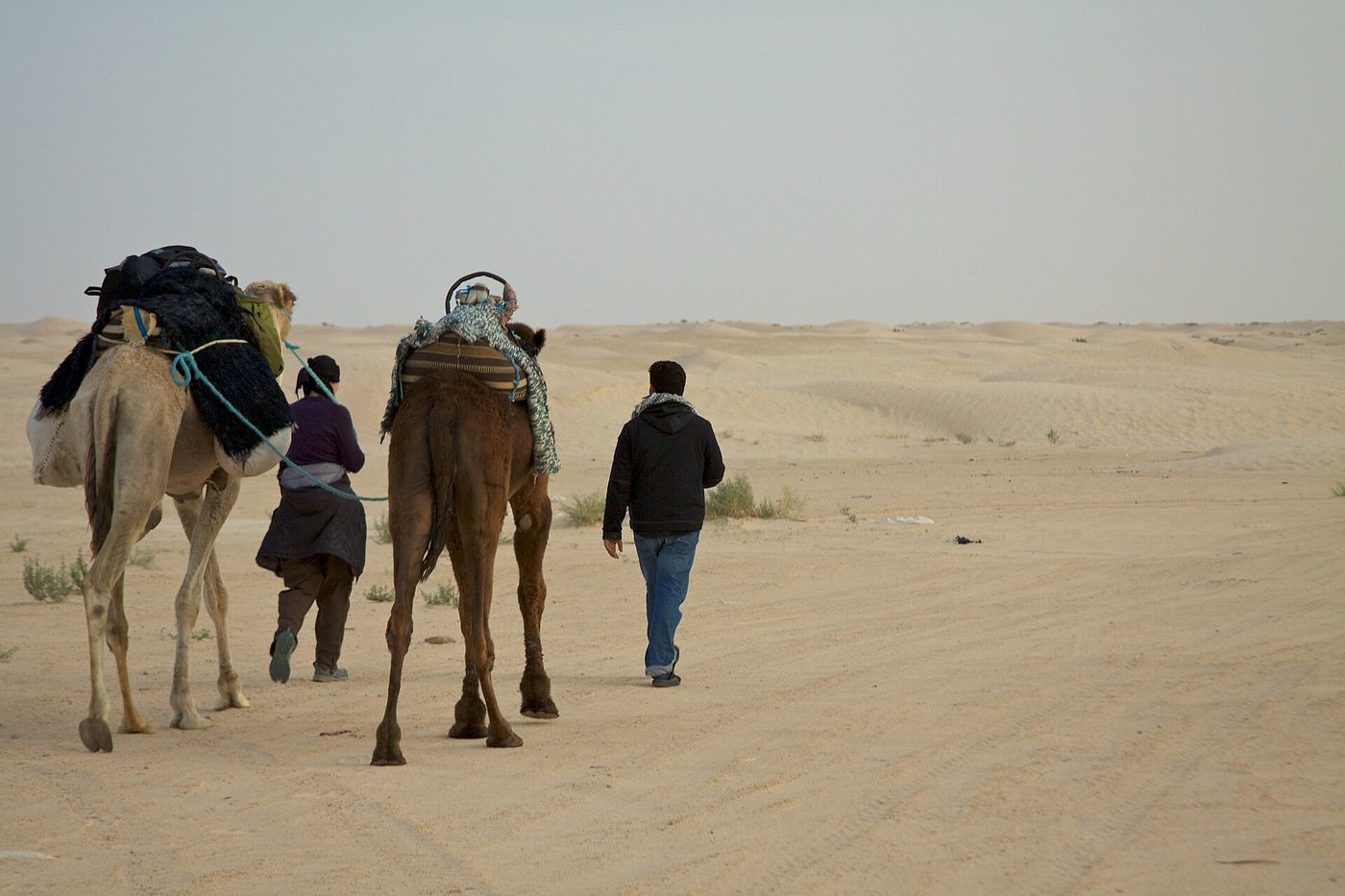
Very few places let you swim in the Med and sleep under Saharan stars in the same week. From the desert gateways of Douz and Tozeur you can ride a camel into real dunes, watch the sun come up over a sea of sand, and visit the salt flats and film sets that stood in for Tatooine. It is the single most memorable thing most of our readers do, and it’s genuinely accessible as a one- or two-night trip. Start with our guide to the Tunisian Sahara.
Beaches and a sea that stays warm
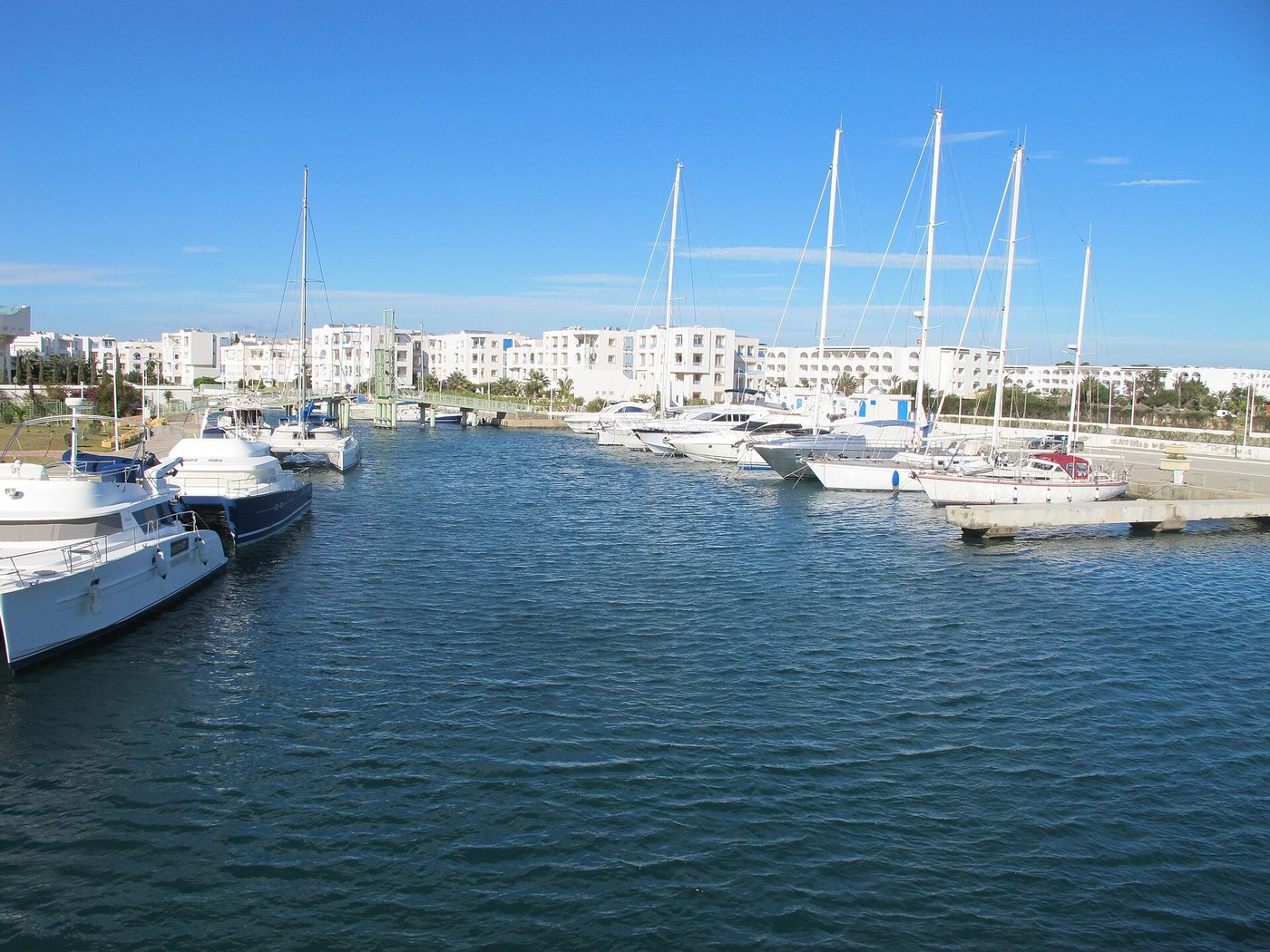
The coast is the reason most Brits come, and it delivers: long sandy strands at Hammamet, Sousse and the island of Djerba, with a sea that’s still swimmable well into the autumn. It isn’t the Maldives — some resort beaches are busier and scruffier than the brochure suggests — but there are genuinely lovely stretches if you know where to look. Our honest roundup of Tunisia’s best beaches separates the gems from the let-downs.
Food, souks and a warm welcome
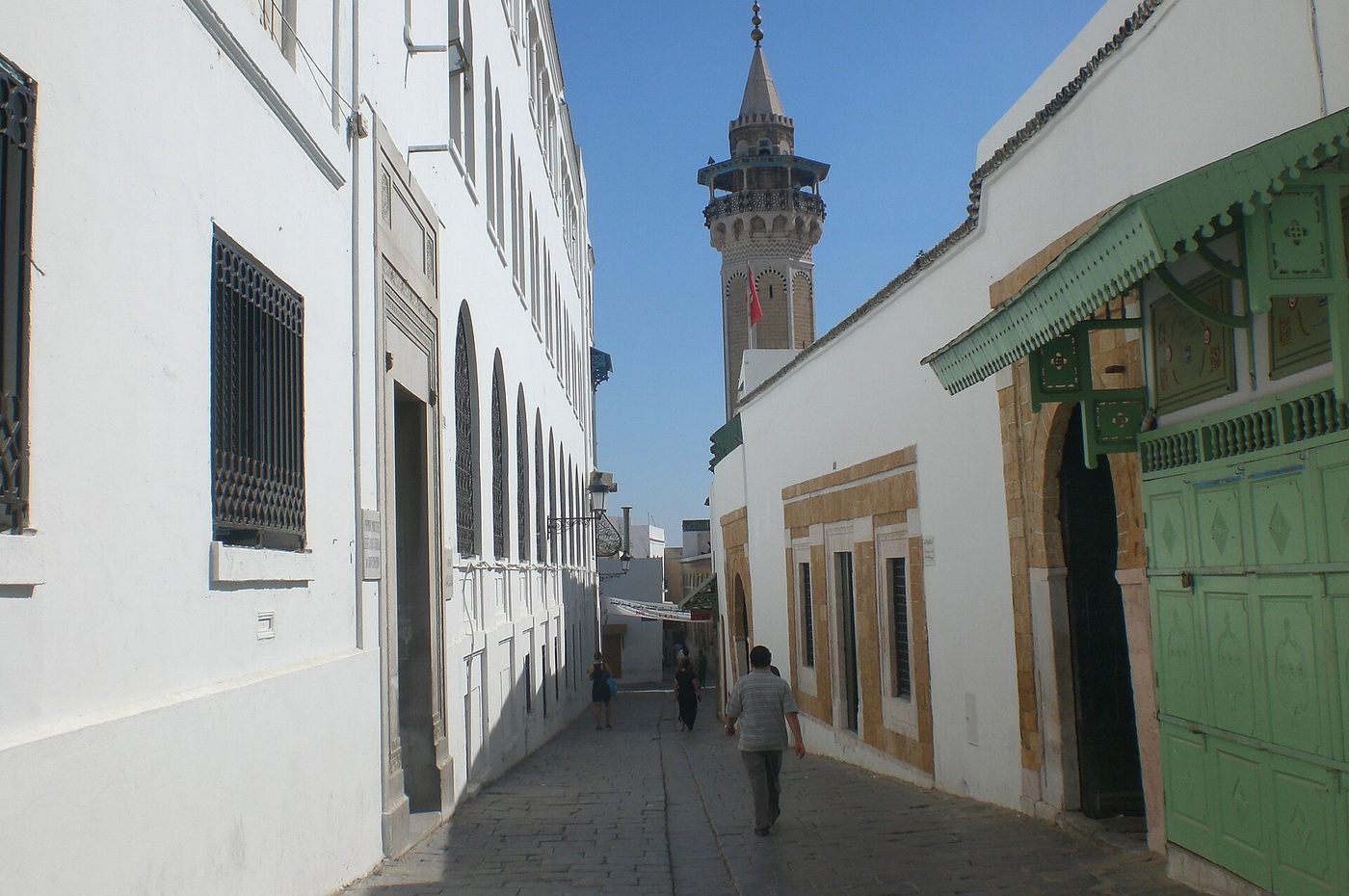
Tunisian food is underrated and dirt cheap: fiery harissa, crisp fried brik, slow-cooked couscous, fresh grilled fish, mountains of dates and pastries. The souks of Tunis, Sousse and Kairouan are a sensory overload in the best way. And the hospitality is real — for all the hassle we’ll get to in a minute, Tunisians are, on the whole, hugely welcoming to visitors. Get stuck into our Tunisian food guide before you go.
It’s genuinely easy to reach
Flights from the UK run about three hours — roughly the same as mainland Spain. easyJet and TUI fly direct into Enfidha (for Hammamet and Sousse), and there are direct routes to Djerba and Monastir too. For a destination that feels this different, the travel effort is minimal.
The honest cons — what UK travellers actually report
Here’s where we part company with the glossy “15 reasons to visit” lists. Tunisia has real downsides, and pretending otherwise helps nobody. None of these are dealbreakers on their own, but you should know them before you book.
Touts and hassle in the tourist spots
The most common complaint. In the medinas and around the resorts you’ll be approached — sometimes persistently — by people selling tours, carpets, camel rides and “genuine” bargains. A classic opener is a friendly “Hello! Do you remember me? I’m a waiter from your hotel!” — designed to steer you to a shop where he earns commission. It’s rarely threatening, but it can wear you down. A polite, firm “no thank you” and walking on works almost every time; tucking your hotel wristband out of sight helps too. Once you get the rhythm of it, it fades into background noise.
Tired resorts and variable service
Star ratings in Tunisia don’t map neatly onto UK expectations — a “four star” can feel like a well-worn three. Some hotels are dated, and buffet service at dinner can turn into a bit of a scrum. There’s also a tip-driven culture in some resorts where a little cash smooths everything; to some it feels friendly, to others forced. Read recent reviews of your specific hotel rather than trusting the brochure, and pick your resort with our where-to-stay guide.

The dreaded upset stomach
Travellers’ tummy is the single most-cited Tunisia downside, usually from resort buffets or drinks made with tap water. It’s far from guaranteed — plenty of people never have a moment’s trouble — but it’s common enough to plan around. Stick to bottled or sealed water (including for brushing your teeth if you’re cautious), be sensible at buffets, and pack rehydration sachets just in case. Our Tunisia travel tips cover the practical side.
Healthcare: fine in private clinics, thin elsewhere
Private clinics in the big cities and resort areas are decent, but public and rural facilities are under-resourced, and you’ll often be asked to pay up front — even in an emergency. Your UK GHIC card is not valid in Tunisia. Comprehensive travel insurance with medical cover and repatriation isn’t optional here; it’s essential. Check the NHS’s TravelHealthPro Tunisia page for jabs and food-and-water advice before you travel.
Alcohol is available — but it’s not a party destination
You can drink in Tunisia: resort hotels and licensed bars serve beer (the local lager is Celtia), wine and spirits, and no one minds a poolside drink. But this is a Muslim country, alcohol isn’t sold everywhere, and it’s pricier and less central to the scene than in Spain or Greece. During Ramadan (roughly mid-February to mid-March in 2026) daytime sales largely stop and the atmosphere is quieter, though tourist hotels keep serving.
The weather isn’t a dead cert off-season
Summer is reliably hot. But if you’re tempted by those cheap March or November deals, know that shoulder-season weather is a gamble — you might get glorious sun or a run of grey, breezy days when the sea’s too cold to enjoy. If sunbathing is the whole point of the trip, our best time to visit guide will save you from booking the wrong week.
Getting around takes patience
There’s no Uber. Taxis are cheap but you’ll want to insist on the meter (the “compteur”) or agree a price first, because tourists are routinely quoted several times the going rate — hotel-arranged taxis in particular can cost double the street price. Shared louages (minibuses) and trains are cheap and characterful but not always punctual. It’s all part of the adventure, but if you want everything to run to a Swiss timetable, this isn’t your country. Here’s how getting around Tunisia actually works.
Is Tunisia safe? The honest picture
This is the question underneath all the others, usually because people remember the 2015 attacks in Sousse and at the Bardo Museum. It would be wrong to gloss over them, and wrong to let them define the country a decade later.
Since 2015 Tunisia overhauled tourist security, and the recovery has been dramatic: 2025 was a record year with more than 11 million international visitors. This is a mass-market destination that millions of Europeans holiday in every year, not a frontier.
The UK Foreign Office does advise against travel to specific areas — chiefly the Chaambi Mountains and remote stretches of the Algerian and Libyan borders, and against all but essential travel to parts of the interior including Kasserine Governorate. That advice was “still current at 2 July 2026 (last updated 23 February 2026)” as we write. Crucially, every place you’d actually holiday — Hammamet, Sousse, Djerba, Tunis and the main Sahara circuit — sits far from those zones. We’ve written the whole thing up, with the exact wording and dates, in our guide to whether Tunisia is safe. Read it, and you’ll feel a lot calmer about booking.
Tunisia vs Morocco vs Spain — how it really compares
Most people weighing up Tunisia are also eyeing Morocco or a safe Spanish package. Here’s the honest trade-off.
| Tunisia | Morocco | Spain | |
|---|---|---|---|
| Value | Cheapest of the three | Cheap, but dearer than Tunisia | More expensive |
| Service & polish | Variable | Variable, more tourism depth | Slick and predictable |
| Culture shock | Gentle intro to North Africa | Bigger, more intense | Minimal |
| Beaches | Good, warm sea | Not the main draw | Excellent, developed |
| Best for | Value + history + first Sahara | Souks, mountains, riads | Reliable, easy sun |
In short: Tunisia is cheaper than Morocco for almost everything and an easier first step into the region, while Morocco has more depth and Spain more polish. If value and uncrowded history are your priorities, Tunisia wins.

So, who is Tunisia actually for?
This is the part the listicles skip, and it’s the part that actually decides whether you’ll love your holiday.
You’ll love Tunisia if…
- You want maximum holiday for minimum money and you’re relaxed about a bit of wear and tear.
- You’re a history lover who’d rather have El Djem to yourself than queue at the Colosseum.
- It’s your first trip to North Africa and you want a gentle, short-haul introduction.
- You’re Sahara-curious and love the idea of a desert night without a long-haul flight.
- You’re a family after a cheap, sunny, all-inclusive base with day trips on the side.
- You’re chasing shoulder-season warmth and you’ll take the small gamble on the weather.
You might not, if…
- Nightlife and clubbing are the whole point of your holiday.
- You expect flawless five-star service and get genuinely annoyed when things are a bit rough around the edges.
- You want spotless infrastructure and everything running exactly on time.
- You hate being approached by vendors and can’t let it wash over you.
- You never plan to leave the sunlounger — in which case a cheaper-to-reach Spanish resort may suit you better.
Practical must-knows before you book
A few things that quietly make or break a Tunisia trip:
- The dinar is a closed currency. You can’t get it in the UK and can’t take it home — change money on arrival, keep your receipts, and convert leftover cash back before you fly. Reckon on roughly £1 to 3.8–3.9 dinars, but check the current rate.
- Budget beyond the package. An all-inclusive covers the basics, but day trips, tips, taxis and souvenirs add up. A modest daily spend goes a long way here.
- Time it right. May–June and September–October are the sweet spot for sun without the peak-summer heat; our month-by-month guide has the detail.
- Have a rough plan. Even from an all-inclusive, two or three excursions transform the trip. A first-timer’s itinerary helps you slot them in.

The verdict: is Tunisia worth visiting?
Yes — with your eyes open. For value, uncrowded history, a genuine desert adventure and a warm sea a short flight away, few places come close for the money. It isn’t polished, and it isn’t for everyone, but the things it does well are things most sunshine destinations can’t offer at any price. Go for the ruins, the Sahara and the value; make peace with the rough edges; and you’ll almost certainly come home glad you took the chance.
Ready to plan? Browse the most beautiful places in Tunisia, seek out its quieter hidden gems, or start with the full guide to things to do in Tunisia.
Is Tunisia worth visiting? Your questions answered
Is Tunisia worth visiting in 2026?
Yes. After a record 2025 with more than 11 million visitors, Tunisia in 2026 is firmly back as a mainstream, well-run holiday destination. For value, Roman history and a taste of the Sahara on a short-haul flight, it’s one of the best-value trips a UK traveller can book — provided you’re relaxed about the rough edges.
Is Tunisia a good holiday destination for families?
It’s a strong family choice: cheap all-inclusives, warm shallow sea, waterparks and camel rides, and a short flight. Service and hygiene standards vary, so read recent reviews of your specific hotel, pack rehydration sachets, and choose a family-focused resort. Many UK families return year after year.
Is Tunisia safe for tourists right now?
The tourist areas are considered safe and are heavily visited. The Foreign Office advises against travel only to specific border and mountain zones, all far from the resorts. Take normal precautions with taxis and valuables. See our full, date-stamped Tunisia safety guide for the exact FCDO wording.
Is Tunisia cheaper than Morocco or Spain?
Generally yes on both counts. Tunisia is usually the cheapest of the three for packages, food, taxis and entry fees — cheaper than Morocco for almost everything and well under Spain. Morocco offers more tourism depth and Spain more polish, but for sheer value Tunisia is hard to beat.
What is the downside of visiting Tunisia?
The main gripes are persistent vendors and touts in tourist areas, tired resorts with variable service, the risk of an upset stomach from buffets or tap water, and infrastructure that doesn’t always run on time. None are dealbreakers, but they’re worth knowing so you arrive with the right expectations.
How long is the flight to Tunisia from the UK?
Around three hours — much like mainland Spain. London to Enfidha is roughly three hours; Manchester and other UK airports are a little longer. easyJet and TUI fly direct into Enfidha, with direct routes to Djerba and Monastir too.
Can you drink alcohol in Tunisia?
Yes. Resort hotels and licensed bars serve beer, wine and spirits, and a poolside drink is completely normal. It’s a Muslim country, so alcohol isn’t sold everywhere and it’s pricier than in Europe. During Ramadan daytime sales largely stop, though tourist hotels continue to serve.
Is Tunisia worth it just for a beach holiday, or only for culture?
Both work, but the magic is combining them. The beaches and warm sea justify a pure resort week, yet what sets Tunisia apart is how easily you can add Roman ruins, a Sahara night or a souk day trip. Treat it as a beach base with brilliant excursions and you’ll get the most out of it.
Will I get food poisoning in Tunisia?
Not necessarily — many visitors never have a problem — but an upset stomach is the most commonly reported issue, usually from buffets or tap water. Drink bottled or sealed water, be sensible at buffets, wash or sanitise hands, and pack rehydration salts. Sensible caution makes it far less likely.
Is Tunisia better than Egypt or Turkey?
It’s usually cheaper and quieter than both, with better-preserved Roman sites and an easier Sahara trip. Egypt wins on ancient wonders and Red Sea diving; Turkey on infrastructure and variety. For value, uncrowded history and a gentle first taste of the region, Tunisia holds its own.
How much spending money do I need for a week in Tunisia?
Less than almost anywhere in the Med. On top of an all-inclusive, a modest daily budget covers meals out, taxis, tips and a couple of excursions comfortably. Remember you can only get dinars on arrival, so budget in pounds and change money once you land.
When is the best time of year to go to Tunisia?
May–June and September–October give the best balance of warmth and comfort, with hot, reliable summers in between. Winter is mild but not beach weather, and shoulder-season sun is a gamble. Our best time to visit guide breaks it down month by month.
Written by the Tunisia Tourism Guide team — an independent UK-focused guide to travelling in Tunisia. We don’t sell tours or take hotel commissions. Prices and advice were checked at publication; always confirm current details before you book.
Photo credits
All images via Wikimedia Commons, used with thanks: the amphitheatre at El Djem © Agnieszka Wolska (CC BY-SA 3.0); Sidi Bou Said © Rene Cortin (CC BY-SA 4.0); camels near Douz © Dennis G. Jarvis (CC BY-SA 2.0); the Antonine Baths at Carthage © Bengt Nyman (CC BY 2.0).