By the Tunisia Tourism Guide team · Last updated 1 September 2026 · We don’t sell tours or take hotel commissions — this is independent advice, written to be useful.
Nobody flies to Tunisia specifically to dive. That’s the honest starting point, and it’s also why the diving here is such a pleasant surprise — you turn up expecting a resort try-dive to fill an afternoon and end up being escorted along a reef by a grouper the size of a Labrador.
Here’s the short answer. Diving in Tunisia is temperate Mediterranean diving: green-blue rather than turquoise, built on rock architecture, wrecks and big resident groupers rather than coral gardens. Tabarka in the far north-west is the serious dive base; the resorts run friendly, cheap try-dives and courses. Season is roughly March to November, best May to October.
This guide sits under our main Tunisia beaches pillar, and it’s written for two different people: the certified diver wondering if it’s worth planning a trip around, and the package holidaymaker in Hammamet wondering if the dive shop on the marina is any good. Both answers are below, along with costs, sites, snorkelling for non-divers, and the safety realities that matter more here than in the Red Sea.
At a glance: where to dive in Tunisia
| Base | Best for | Signature sites | Honest verdict |
|---|---|---|---|
| Tabarka (north-west) | Certified divers, photographers | Tunnels Reef, Grouper Rock, Cap Galena, La Galite trips | The only place worth planning a whole trip around |
| Bizerte / Cap Zebib | All levels, quiet diving | Grouper Rock, Jwebi, Labyrinth | Underrated, little English spoken, few operators |
| Djerba | Try-dives, easy warm water, wrecks | Edda (Ricardo), Eso, Octopus Reef, Sidi Yati caves | Warmest water, sandiest visibility |
| Monastir / Port El Kantaoui | First-timers on a package | Pigeon Island (Ghedamsi), Groupers Hole | Convenient and cheap rather than thrilling |
| Mahdia | Wreck divers with a logbook | PLM 20, Napoli, Ariosto, Trapanis reef | Genuine deep WWII wrecks, short season |
| Hammamet / Yasmine | Resort convenience | Local reefs and war wrecks | Fine for a taster, not a destination |
Is diving in Tunisia actually any good?
Yes — with your expectations calibrated. This is the same conversation we have about the country generally.
If you’ve dived the Red Sea, put that picture away. There are no anthias clouds, no soft coral walls, no reef sharks. What Tunisia has instead is volcanic rock carved by millennia of swell into canyons, arches, caverns and swim-throughs, plus a marine population that decades of light fishing pressure in protected pockets has allowed to grow large and fearless.
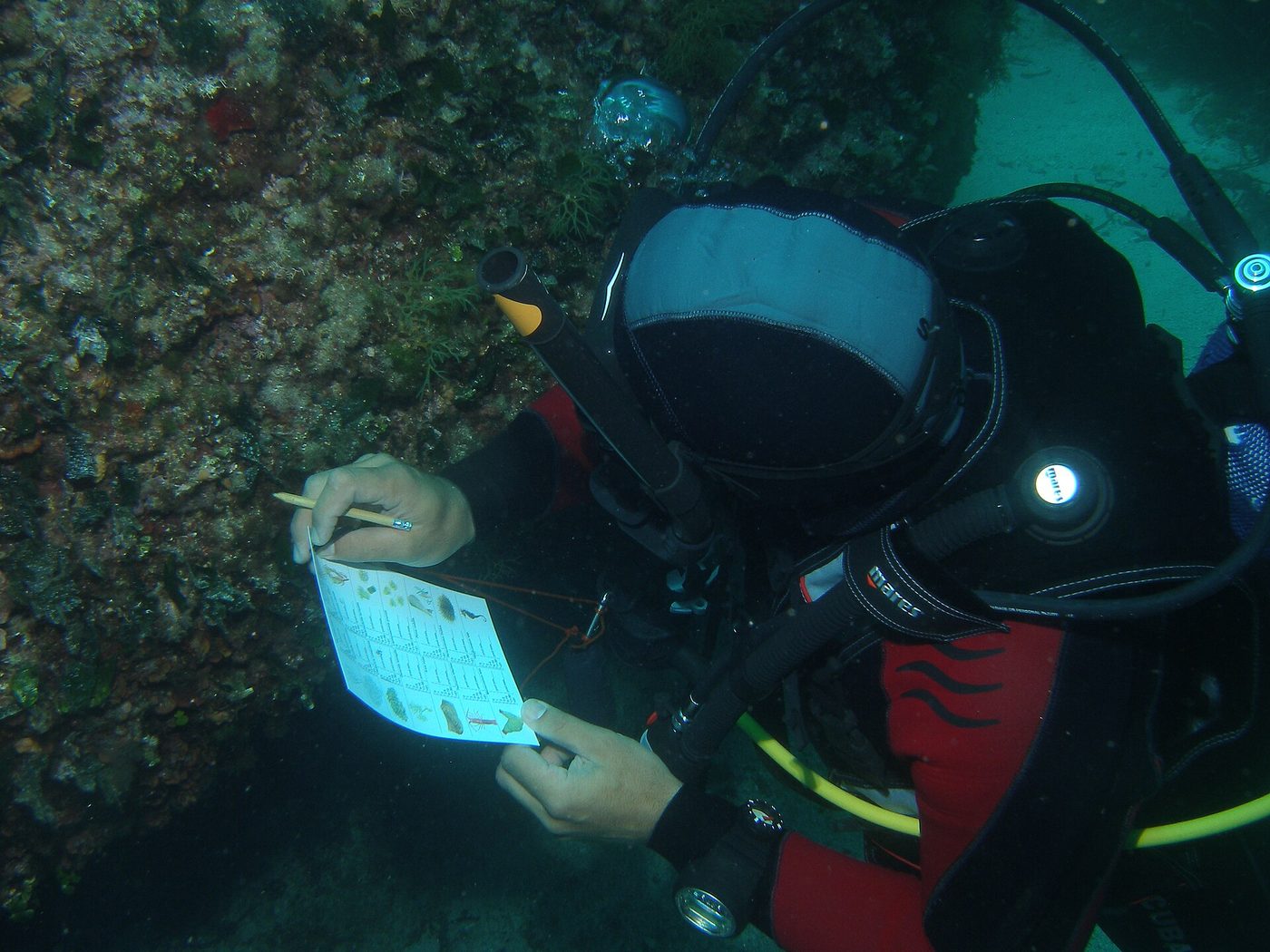
The star is the dusky grouper. At sites like Grouper Rock off Cap Tabarka, fifteen minutes from the harbour, there are individuals of 40 kilograms and up that treat divers as entertainment and will follow a group for most of a dive. Around them you’ll find moray eels, octopus, barracuda, nudibranchs, lobster, swallowtail sea perch, and in the deeper coralligenous zones the red coral — Corallium rubrum — that gave this coastline its name. It’s strictly look-don’t-touch.
Visibility is honest Mediterranean: often good, occasionally superb, sometimes disappointing. It depends heavily on wind — you want a westerly or north-westerly for the clearest water on the north coast — and it is not the 30-metre gin of Egypt. Anyone selling you Tunisia as a Red Sea alternative is overselling. Anyone dismissing it as not worth wetting a suit hasn’t dived the Tunnels.
Tabarka: the reason serious divers come
Everything good about Tunisian diving concentrates in one small town in the forested north-west corner, a couple of hours’ drive from Tunis and about as far from the package resorts as you can get. Our full Tabarka guide covers the town — the Genoese fort, the jazz festival, the cork-oak mountains — but the diving deserves its own explanation.
Tabarka’s relationship with what’s underwater predates tourism by five centuries. Genoese families held the offshore islet and its fortress from the 1540s to harvest precious red coral from these banks for the jewellers of Europe. The trade named the coastline — the Coral Coast — and the reefs it worked are still here.
The Tunnels
The signature dive. A reef complex stretching roughly 500 metres and riddled with something like twenty swim-throughs, most of them single-diver narrow, the deepest around 24 metres. Torchlit, disorienting in the best way, and consistently rated among the finest dives in the Mediterranean by people who’ve done a lot of them. Not a first-dive site.
Grouper Rock, Cap Tabarka
Fifteen minutes out of the harbour. A rocky mount where the big duskies live. If you only do one dive in Tunisia and you’re already certified, this is the one that will make you a convert.
Les Aiguilles
The needles of rock rising out of the water beside the old harbour are Tabarka’s landmark above the surface and continue below it. Locals swim and jump here in summer; divers work the rock faces around them.
Le Sec de Cernie and Cap Galena
Le Sec de Cernie is the lobster wall. Cap Galena drops to around 40 metres and is firmly an advanced site, though the best of the life sits nearer 25. Both need decent conditions and a logbook to match.
La Galite: the expedition dive
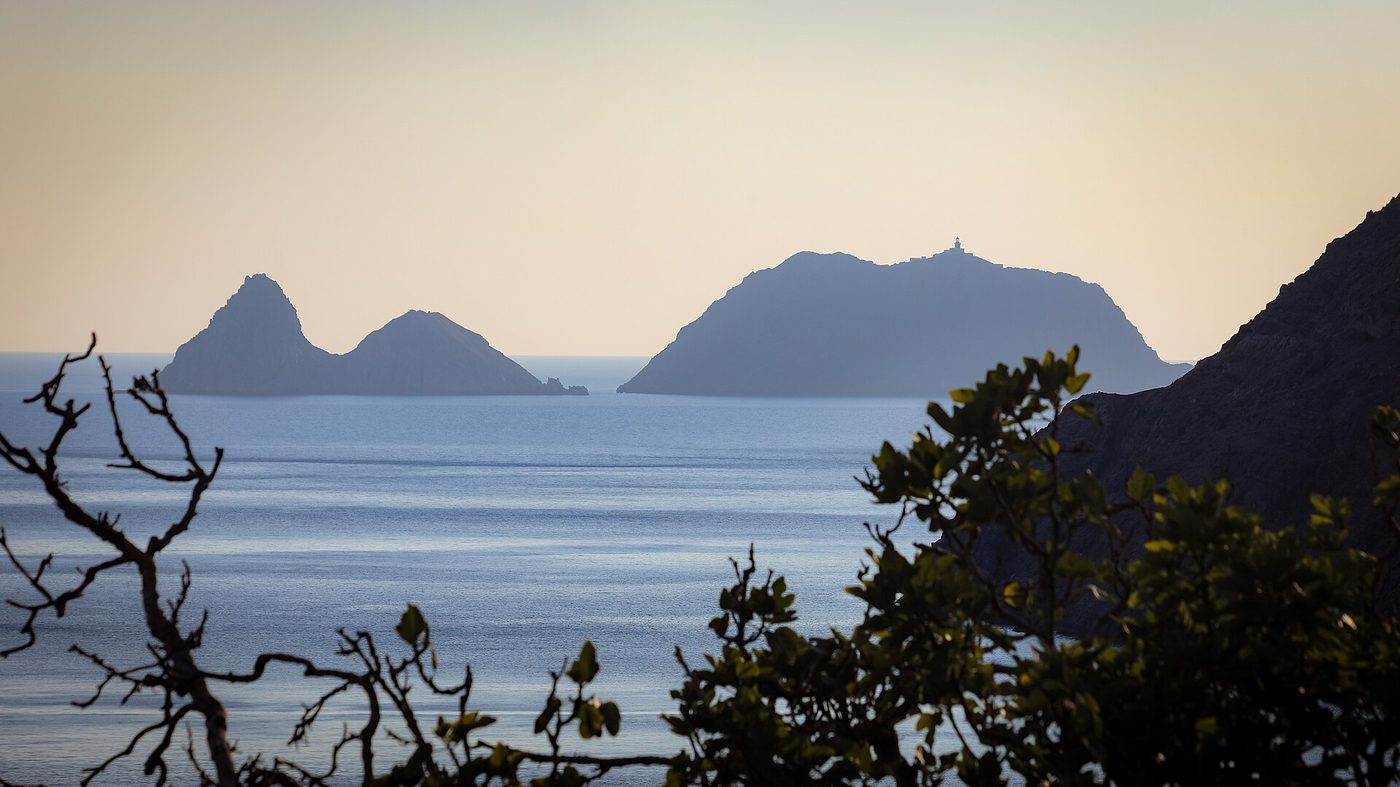
Fifty kilometres offshore lies the trip that genuinely separates Tunisia from other budget Mediterranean diving. La Galite is a seven-island volcanic archipelago protected as a full nature reserve under the Barcelona Convention: no fishing, minimal landing, maximum life.
The crossing takes around three hours each way, sea permitting, so it’s a long day run in season by the marina’s nautical club in Tabarka. What you get for it is the wildest water in Tunisian diving — dense fish life, intact coralligenous reef, the endangered fan mussel Pinna nobilis, dolphins on the crossing, and a small colony of Mediterranean monk seals, among the rarest marine mammals on the planet.
Seeing a seal is a lottery ticket, not a booking guarantee. Divers have been buzzed by curious ones here; most trips don’t see them at all. And the weather cancels these crossings regularly. If La Galite is the point of your trip, build in a spare day — ideally two.
Diving from the resorts
Most British divers in Tunisia aren’t in Tabarka at all. They’re on an all-inclusive somewhere on the east coast with an afternoon free. That’s a perfectly good way to dive here, as long as you know what you’re getting.
Djerba
The south’s warm, shallow, forgiving water makes Djerba the easiest place in Tunisia to learn. There’s a cluster of centres in the Midoun tourist zone — La Sirène, Archimede, Blue Dolphin and Abyss among them — affiliated variously to PADI, SSI and CMAS, running from roughly March to mid-November.
The sites are seagrass meadows, low rocky canyons and a genuinely good set of wrecks. The Edda — often called the Ricardo, after the crockery still aboard — was a 123-metre Italian cargo ship torpedoed by the British submarine HMS Unbroken and now rests at about 22 metres, which puts her inside recreational limits for a newly qualified diver. The Eso, an Italian navy vessel from 1919, went down to the same submarine in January 1943. Octopus Reef is a kilometre-long rocky canyon that lives up to its name; turtles, grouper and oysters turn up too.
The trade-off is clarity. Djerba’s shallow sandy shelf means warm water and often milky visibility, particularly after wind. See our guide to Djerba’s beaches for where the water is clearest.
Monastir and Port El Kantaoui
Two CMAS centres work the Monastir marina, diving Pigeon Island (Ghedamsi) with its seagrass meadow and twin cliff walls, plus Little Rocks and Groupers Hole. It’s pleasant, undemanding diving. Port El Kantaoui runs similar trips for the Sousse resorts, and plenty of people log their genuine first open-water dive there. Combine it with the rest of things to do in Monastir if you’re based nearby.
Mahdia
Mahdia is the wreck stop, and it’s a serious one. Ten minutes out by boat there are WWII wrecks lying between 38 and 45 metres — beyond recreational limits for most holiday divers, but the local school works them. The PLM 20 is the famous one: a French-owned cargo steamer built in England in 1920, torpedoed by HMS Unbeaten in 1942 five nautical miles east of Mahdia while carrying phosphates from Sfax. She lies on her right side between roughly 36 and 50 metres, 110 metres long, with crockery and bottles still visible and amberjack shoaling around her. Trapanis, a rocky reef to about 15 metres studded with caves and canyons, is the accessible alternative. The Mahdia school typically runs mid-May to the end of October only.
Hammamet and Cap Bon
There’s a dive centre at Port Yasmine in Yasmine Hammamet working local reefs and war wrecks. It’s convenient rather than spectacular. Further round the peninsula, El Haouaria on Cap Bon offers deeper, clearer, more advanced water — worth the drive if you’re staying in Hammamet and hold an advanced ticket.
Bizerte
The most overlooked option. A club at Cap Zebib near Bizerte dives Grouper Rock at around 30 metres, the Labyrinth — a set of rock corridors at 10 metres, ideal for a newly qualified diver — and Jwebi, a six-metre garden of Mediterranean flora and fauna that makes a lovely second dive or try-dive. Very little of the north coast sees British divers, which is rather the appeal.
What it costs
Tunisia is among the cheapest places in the Mediterranean to put a tank on. These are the figures reported in mid-2026 — treat them as a starting point and confirm with the centre, because fuel costs and the exchange rate move them.
- Single guided dive: around 50–70 TND (2026 — check current), roughly £13–18.
- Two-tank boat day: around 90–120 TND (2026 — check current).
- Equipment hire: around 25–40 TND a day (2026 — check current).
- Try-dive / Discover Scuba: one Djerba centre lists around €70 for a four-hour session including a confined-water practice and one open-water dive, minimum age 10 (2026 — check current).
- Multi-dive packages: weekly bundles carry meaningful discounts almost everywhere.
Remember the currency mechanics before you budget: the Tunisian dinar is a closed currency. You cannot buy it before you fly and you cannot take it home, so you change money on arrival and convert what’s left before you leave. Reckon on roughly 3.8–3.9 dinars to the pound as we write in mid-2026, but check the current rate. Most dive centres want cash. Our Tunisia travel tips cover the money side properly.
Certification: the CMAS thing
This trips people up. Most Tunisian dive clubs run on the CMAS or French federation model rather than PADI, which means the culture is a bit more club-like and a bit less commercially slick than you might be used to. Some centres — La Sirène, Archimede and Abyss on Djerba, for instance — carry PADI affiliation as well; others are CMAS or SSI.
In practice, PADI equivalencies are handled routinely. Bring your certification card and your logbook, both of them, physically. Some centres will want to see recent dives; if you haven’t been in the water for a couple of years, expect and accept a refresher. Nitrox availability is patchy — ask before you count on it.
If you’re learning from scratch, a full open-water course in Tunisia costs a fraction of the UK equivalent, and the warm shallow water off Djerba is a kind classroom. The catch is that instruction is often in French or Arabic first and English second. Ask specifically if your instructor teaches in English before you pay.
When to dive: season and water temperature
The season runs roughly March to November, with a handful of sheltered sites diveable year-round. May to October is the sweet spot, and September is arguably the best month of the lot — warm water, settled weather, and Tabarka’s Coralis underwater photography festival, one of the Mediterranean’s oldest, filling the marina with camera divers.
| Period | Surface water | What to expect |
|---|---|---|
| December–March | About 14.5–17°C | Most centres shut. Thick suits, hardy locals only. |
| April–May | About 16–19°C | Season opening. Cold, clear, quiet. 7mm suit. |
| June–July | About 22–25°C | Warming fast, everything open, good conditions. |
| August–September | About 25–26°C north, up to 28°C at Djerba | Peak water temperature. September is the pick. |
| October–November | About 20–23°C | Still warm, thinning crowds, more weather risk. |
Two things worth knowing. First, the surface figure is not the figure at depth — below the thermocline you can lose several degrees, which is why centres hand you a 5mm or 7mm suit even in August. Second, the sea lags the air by about six weeks, so October water is warmer than June water. We’ve set out the full month-by-month picture in our guide to Tunisia’s sea temperature.
Snorkelling in Tunisia for non-divers
Honest assessment first: Tunisia is not a great snorkelling country by Mediterranean standards. The best resort beaches — the long sandy ones at Hammamet, Sousse and Djerba — are exactly the wrong habitat, because sand and gentle shelving mean nothing to look at. You need rock.
Where it does work:
- Tabarka and the north-west. Rocky coves, clearer water, and the Aiguilles area itself. The best snorkelling in the country, comfortably.
- Cap Bon and Kelibia. Rocky headlands, decent clarity, and far fewer people. Our Kelibia guide has the beach detail.
- The Bizerte coast. Small coves with rock structure; Jwebi at six metres is snorkellable on a calm day from a boat.
- Djerba’s rockier eastern edges, though most of the island is sand. Boat trips to Flamingo Island usually include a snorkel stop of variable quality.
- Monastir’s Pigeon Island, reachable on a dive-boat trip, has seagrass and cliff walls in shallow water.
Bring your own mask. Hotel and boat-trip kit is usually old, leaky and one-size-fits-nobody, and a mask that seals is the entire difference between enjoying yourself and treading water in frustration. Water shoes are worth packing too — sea urchins are common on the rocky sections that are otherwise the good bits.
If you want the sea without the mask, the broader picture is in our watersports in Tunisia guide, and the organised boat trips are covered under Tunisia excursions.
Safety, insurance and the chamber question
This section matters more in Tunisia than it does in a Red Sea resort, and we’d rather be blunt about it than reassuring.
Your GHIC is not valid here
Tunisia is outside the reciprocal healthcare arrangements, so a UK Global Health Insurance Card gets you nothing. Private clinics in the resort areas are decent and will expect payment up front, including in an emergency. Comprehensive travel insurance is not optional.
Diving cover is a separate box
Standard travel insurance frequently excludes scuba diving altogether, or covers it only to 18 or 30 metres, or only with a qualified guide, or excludes it entirely if you’re diving on a try-dive rather than a certification. Read the policy wording, not the summary page. If you’re diving deep wrecks at Mahdia or the outer sites at Tabarka, you need a specialist diving policy — DAN and the UK dive-insurance specialists both write them cheaply — and you want it to include hyperbaric treatment and medical repatriation.
Recompression facilities
Hyperbaric chambers exist in Tunisia, but they are few, not always staffed for diving emergencies, and potentially a long way from where you’re diving — Tabarka in particular is remote. Do not plan a trip on the assumption that a chamber is close at hand. Ask your dive centre directly what their emergency plan is and where the nearest working chamber is, dive conservatively within no-decompression limits, and make sure your insurance covers evacuation as well as treatment. This is the single strongest argument for proper diving cover.
The no-fly rule
Flying with residual nitrogen in your tissues can trigger decompression sickness. The Divers Alert Network guidance, echoed by PADI and every other agency, is a minimum 12-hour surface interval after a single no-decompression dive and at least 18 hours after multiple dives or several days of diving. Anything involving decompression stops needs longer still — many professionals treat 24 hours as the working rule.
On a one-week package this is genuinely constraining. If your flight home leaves Enfidha or Djerba at lunchtime on Saturday, your last dive needs to be Thursday. Plan the diving to the front of the holiday, not the back, and don’t let a dive centre talk you into a Friday afternoon boat.
General health
Check the NHS-backed TravelHealthPro page for Tunisia (country 226) at travelhealthpro.org.uk/country/226/tunisia before you travel, for vaccination and food-and-water advice. An upset stomach is the most commonly reported Tunisia problem and it’s a genuinely bad thing to take on a boat. Our Tunisia safety guide carries the current, date-stamped FCDO advisory wording.
Getting to the dive sites
Tabarka is the awkward one: roughly three hours’ drive from Tunis, with no useful public transport for a dive trip. Car hire is the sane option, and it opens up the coves along the north coast towards Bizerte as a bonus. Everywhere else — Djerba, Monastir, Mahdia, Hammamet — the dive centre is on the marina, walkable or a short cheap taxi from most resorts. Our guide to getting around Tunisia covers the taxi-meter etiquette and the louage system.
Should you plan a diving trip to Tunisia?
If you’re a certified diver looking for a cheap, uncrowded, characterful week in the Mediterranean, and you’d be genuinely pleased by big groupers and rock architecture rather than disappointed by an absence of colour — then yes, go to Tabarka, and give La Galite two chances at the weather.
If you’re already going to Tunisia on a package and wondering whether to dive: do it. Two dives will cost you less than a decent dinner at home, the centres are friendly, and the wrecks off Djerba and Mahdia have real history to them.
If you’re choosing between Tunisia and Egypt purely for the diving, Egypt wins and it isn’t close. But then you’d be swapping Roman ruins, a Sahara night and a medina for a reef, which is a different holiday altogether — the trade-off we set out in Tunisia vs Egypt.
Diving in Tunisia: your questions answered
Is diving in Tunisia worth it?
For temperate Mediterranean diving at a very low price, yes. Tabarka in particular offers swim-through reefs, red coral and 40kg-plus dusky groupers that approach divers. It won’t compete with the Red Sea for colour or clarity, but as an add-on to a Tunisian holiday, or a cheap week’s diving for a certified diver, it delivers.
Where is the best diving in Tunisia?
Tabarka, on the north-west coast, without much argument. It has the Mediterranean’s largest coral banks in Tunisian waters, more than thirty documented sites minutes from the marina, the Tunnels Reef swim-throughs, Grouper Rock, and it’s the only base running trips to the protected La Galite archipelago.
How much does it cost to dive in Tunisia?
Expect around 50–70 TND for a single guided dive and 90–120 TND for a two-tank boat day, with equipment hire around 25–40 TND a day (2026 figures — check current). That works out at roughly £13–18 a dive, which is remarkable value against European Mediterranean pricing. Weekly packages discount further.
What is the best time of year to dive in Tunisia?
May to October, with September the standout month — the water peaks at 25–28°C depending how far south you are, the weather is settled, and Tabarka hosts its Coralis underwater photography festival. The season proper runs March to November; most centres close over winter.
What is the water temperature for diving in Tunisia?
The surface ranges from about 14.5°C in February to about 26°C in August on the north and resort coasts, and up to 28°C at Djerba. Below the thermocline it’s several degrees colder, so centres issue 5mm or 7mm suits even in high summer. Don’t dive in a shorty here.
Can beginners learn to dive in Tunisia?
Yes, and cheaply. Try-dives and full open-water courses run from Djerba, Monastir, Port El Kantaoui, Hammamet and Tabarka. The warm shallow water off Djerba is the kindest classroom. Confirm before booking that your instructor will teach in English — many centres work in French or Arabic first.
Is my PADI qualification recognised in Tunisia?
Yes. Most Tunisian clubs run the CMAS or French federation model, but PADI equivalencies are handled routinely and several Djerba centres carry PADI affiliation directly. Bring both your certification card and your logbook — some centres want to see recent dives before they take you to the deeper sites.
Are there shipwrecks to dive in Tunisia?
Plenty, mostly Second World War casualties of British submarines. Djerba has the Edda (also called the Ricardo) at around 22 metres and the Eso nearby. Mahdia has the deeper set — the 110-metre PLM 20 lies between roughly 36 and 50 metres — plus the Napoli and Ariosto. Hammamet has war wrecks still carrying cargo.
Can you see monk seals or dolphins in Tunisia?
At La Galite, occasionally. The archipelago is a full nature reserve and holds a small colony of Mediterranean monk seals, one of the rarest marine mammals in the world, and dolphins are regularly seen on the three-hour crossing. Treat a seal sighting as a bonus, never as the reason you booked.
How long should I wait to fly after diving in Tunisia?
Follow DAN guidance: at least 12 hours after a single no-decompression dive, and at least 18 hours after multiple dives or several consecutive days of diving. Many divers use 24 hours as a safety margin. On a one-week package, dive early in the trip and leave the last two days clear.
Do I need special insurance to dive in Tunisia?
Almost certainly. Standard travel policies often exclude scuba entirely or cap it at shallow depths. Your UK GHIC is not valid in Tunisia at all. Buy a policy that names diving, states a depth limit that covers your plans, and includes hyperbaric treatment and medical repatriation.
Is there a decompression chamber in Tunisia?
Hyperbaric facilities exist but are limited in number and may be a long way from where you’re diving, particularly at Tabarka. Ask your dive centre for their emergency plan and the nearest operating chamber before you get in the water, dive well within no-decompression limits, and make sure your insurance covers evacuation.
Is snorkelling good in Tunisia?
Patchy. The famous sandy resort beaches have little to see. The rocky north-west around Tabarka is genuinely good, Cap Bon and Kelibia are decent, and parts of the Bizerte coast reward a boat trip. Bring your own mask — rental kit is generally poor.
Is diving in Tunisia safe?
The diving itself is straightforward, with well-established clubs and sites minutes from harbour. The risks are the ordinary ones — currents at the outer sites, deep wrecks beyond recreational limits, and thin emergency infrastructure compared with a dedicated dive destination. Dive conservatively, dive with a guide, and be properly insured.
Written by the Tunisia Tourism Guide team — an independent UK-focused guide to travelling in Tunisia. We don’t sell tours or take hotel commissions. Prices and advice were checked at publication; always confirm current details before you book.
Photo credits
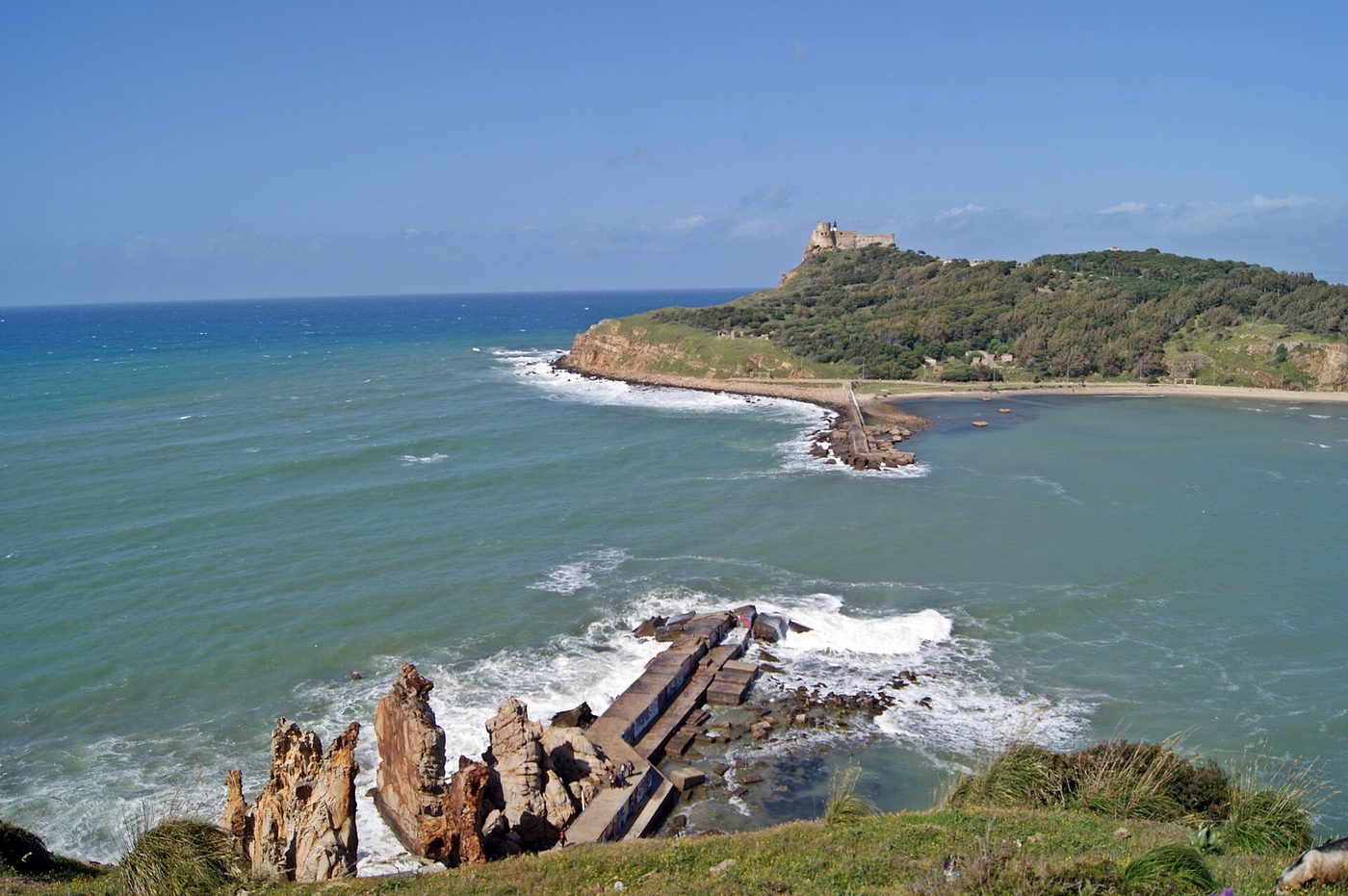
All images via Wikimedia Commons, used with thanks: The Genoese fort above Tabarka with the Needles rocks below © Selma Jmii (CC BY-SA 3.0); A scuba diver recording marine life on a rocky Mediterranean © Massimo Ponti (CC BY-SA 4.0); The volcanic La Galite archipelago off northern Tunisia © Majbri wael (CC BY-SA 4.0).