By the Tunisia Tourism Guide team · Last updated 1 September 2026 · We don’t sell tours or take hotel commissions — this is independent advice, written to be useful.
Search “Bizerte Tunisia” and you get the same three photographs of the old fishing harbour and not much you could plan a day around. Which is a shame: this is one of the last places in the country where you can wander for an afternoon and not be sold a single thing.
Bizerte Tunisia — the northernmost city in Africa — sits roughly 65km north of Tunis, about an hour by shared louage, and it deserves a full day at minimum. Come for the old port, the walled Kasbah, Cap Angela at the literal top of the continent, the UNESCO wetland at Lake Ichkeul and some of the best grilled fish in the country.
It pairs naturally with our full guide to Tunis and northern Tunisia, and with our roundup of the best day trips from Tunis if you’re basing yourself in the capital. Our honest view, though, is that Bizerte is better with a night in it. The city changes character after about five in the afternoon, when the harbour cafés fill up and the light goes gold, and you miss all of that on a coach.
Bizerte at a glance
The short version, for anyone deciding whether it’s worth the detour.
| The honest answer | |
|---|---|
| Where | Far north coast, about 65km from Tunis, on a channel linking the sea to Lake Bizerte |
| Getting there | Louage (shared minibus) from Tunis Bab Saadoun, roughly an hour; train also runs but is slower |
| How long to stay | One full day at a push; two days if you want Cap Angela and Ichkeul as well |
| Best for | Old harbours, seafood, birdwatching, empty beaches, standing at the top of Africa |
| Not for | Resort facilities, nightlife, big-ticket monuments, English-language signage |
| Best months | April–June and September–October; November–February for the birds at Ichkeul |
| Language | Arabic and French; English patchy outside a couple of hotels |
Why bother with Bizerte at all?
Almost every package traveller in Tunisia heads south — to Hammamet, to Sousse, to Djerba. Bizerte points the other way, and that geography has kept it honest. There is no hotel strip, no line of coaches, no one in a waistcoat trying to steer you towards a carpet shop. What there is instead is a real working city of a couple of hundred thousand people that happens to have a very photogenic old harbour at its heart.
It is also very old. The Phoenicians founded it as Hippo Diarrhytus, choosing the spot for the natural channel that connects the Mediterranean to the inland lake behind the city — a piece of geography so useful that Romans, Arabs, Spaniards, Ottoman corsairs and the French navy all wanted it in turn. That last one matters more than you’d expect. When Tunisia became independent in 1956, France kept the naval base at Bizerte, and in July 1961 the standoff turned into open fighting. Hundreds of Tunisians were killed before the French finally withdrew in 1963. Bizerte was, in effect, the last part of the country to be freed, seven years after everywhere else. Locals have not forgotten it, and there’s a quiet pride about the place that you pick up on quickly.
The other reason to come is that it’s the natural base for three genuinely unusual things: the top of the African continent, a UNESCO-listed lake that changes salinity with the seasons, and a lagoon village where people still farm vegetables on sandbanks using a seventeenth-century Andalusian technique. None of those is more than 45 minutes away.
The old port: the best hour in Bizerte
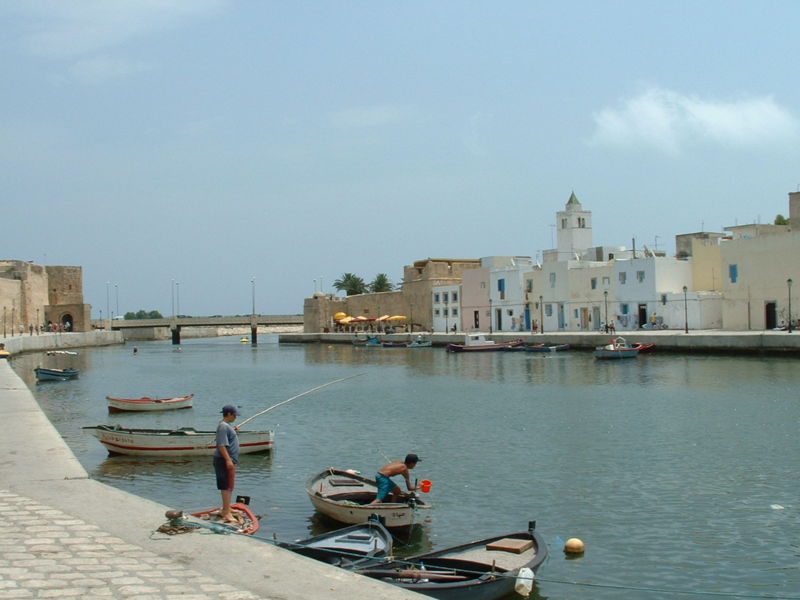
Everything here begins at the Vieux Port, the old fishing harbour, and honestly it’s the whole reason to make the trip. It’s a tight rectangle of water, maybe 200 metres end to end, lined with wooden fishing boats painted in blues, reds and greens, backed by pastel houses and a row of cafés, with the Kasbah’s walls rising at one end and the fort of Sidi el Henni at the other.
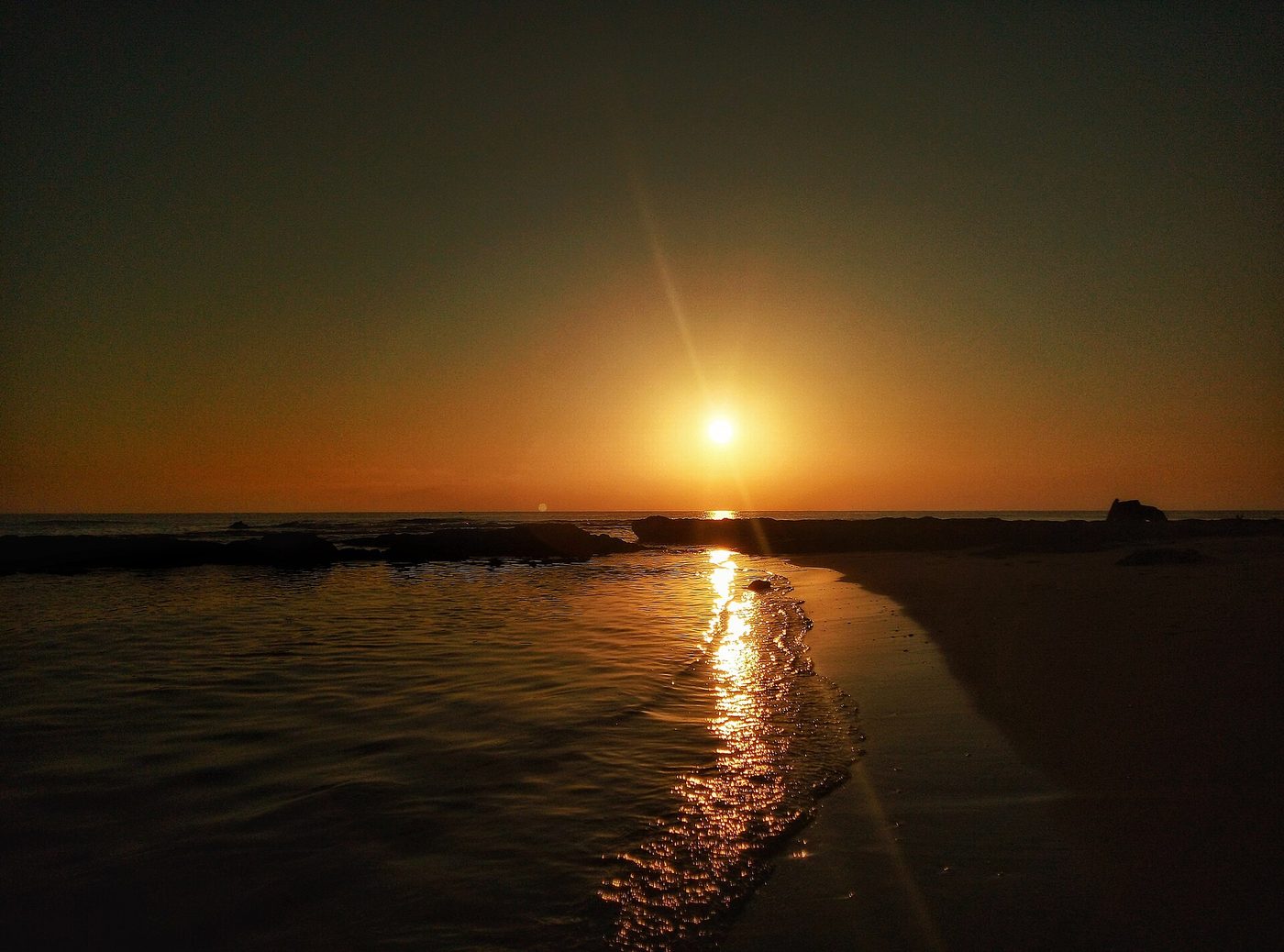
You don’t do anything at the Bizerte old port. That’s the point. You order a coffee for a dinar or two, you watch men mend nets and unload crates of sardines, you let an hour disappear. The best light is early — before about eight, when the boats are coming in — or from six in the evening, when the café terraces spread out across the quay and half the city seems to walk past.
For the photograph everyone takes, walk out onto the bridge on the northern side and shoot back across the water towards the Kasbah. It’s a two-minute detour and it’s the shot that makes people ask where you’ve been.
The Kasbah, the medina and the forts
The Kasbah guards the mouth of the channel and is the single most atmospheric corner of the city. Its origins go back to the Byzantine period, though what you walk through now is largely Ottoman: enormously thick walls enclosing a warren of whitewashed lanes, low doorways, small mosques and washing lines. Crucially, it is a lived-in residential quarter, not a museum. There are almost no souvenir shops. Children play football in the squares and someone will nod at you rather than sell you something.
You can climb sections of the ramparts for views back over the harbour. There’s no ticket desk that we’ve ever seen — you simply walk in through the gate off the port. Allow 45 minutes to an hour, wear something with sleeves out of courtesy, and accept that you will get mildly lost, which is the correct outcome.
The adjacent medina is small by Tunisian standards, and after the scale and intensity of the Tunis medina it can feel almost sleepy. That’s a feature, not a bug. If big medinas overwhelm you, Bizerte’s is the gentle version: mostly residential, a modest covered market, a few workshops, and nobody following you down an alley.
Fort d’Espagne — the best view in the city
Above the medina sits the Spanish Fort, a sixteenth-century stronghold on the hill. It’s a stiff ten-minute walk up through the back streets and worth every step: from the top you get the channel, the old port, the roofs of the medina, the lake glinting inland and the open Mediterranean all in one sweep. Go an hour before sunset. In summer the site sometimes hosts open-air concerts as part of the Bizerte International Festival, so it may be shut for rehearsals — worth checking locally on the day.
Fort Sidi el Henni and the Oceanographic Museum
On the southern side of the port entrance is the smaller fort of Sidi el Henni, built in the seventeenth century alongside the Kasbah to cover the other side of the channel. It now houses the Musée Océanographique, a modest aquarium-and-specimens affair. Be realistic about it: this is a small provincial museum, not a big attraction, and entry is a few dinars (2026 — check current). Children usually like it; adults are generally done in twenty minutes. Hours have a habit of changing, so don’t build the day around it.
Cap Angela: standing at the top of Africa
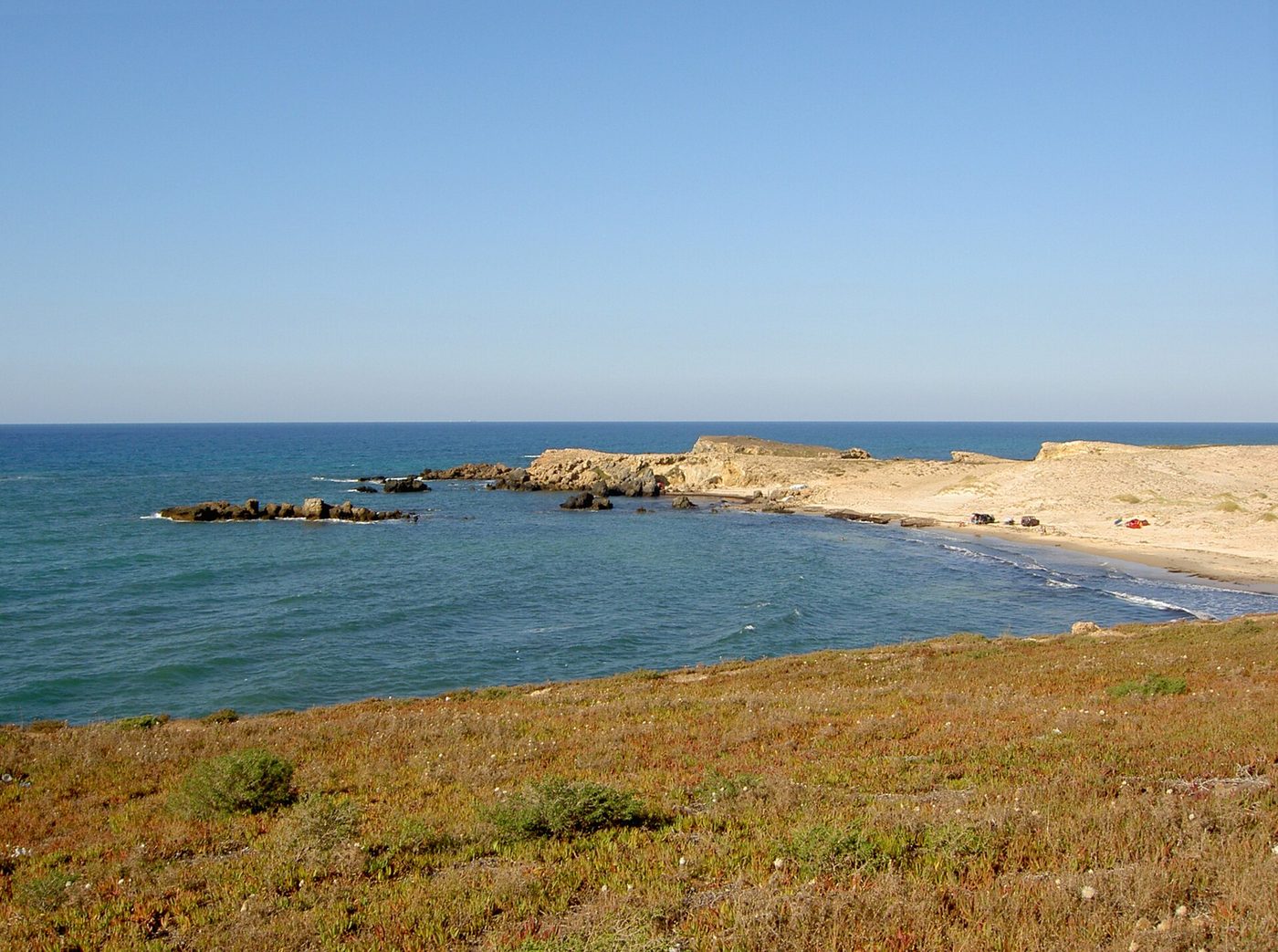
This is the thing that turns a nice day into a memorable one. Cap Angela — Ras ben Sakka on some maps — is the northernmost point of mainland Africa. Everything on the continent, all fifty-odd countries, sits behind you; ahead there is nothing but sea until Sardinia. There is a monument shaped like the map of Africa, and at its base an arrow pointing south towards Cape Agulhas in South Africa, some 8,060km away. It is a slightly absurd pleasure and we thoroughly recommend it.
A note on geography, because it confuses people: Cape Blanc, a few kilometres west, was long assumed to be the northern tip, and older guidebooks still say so. Cap Angela is fractionally further north. There’s also a rocky outcrop just offshore from the monument that appears to reach further still. Do not swim to it. The water between is broken and the swell on this coast is real; you are a long way from anyone who could help.
How to get to Cap Angela
It’s about half an hour from Bizerte by road. Two realistic options:
- Taxi. The simplest choice. Agree the fare and, more importantly, the return arrangement before you get in — travellers have paid around 20 TND each way (2026 — check current) and then been stranded when the driver didn’t come back. Ask him to wait, and expect to pay for the waiting time.
- Louage towards Ras Angela. Cheaper and more flexible, but you need to find the right louage station — Tunisian cities usually have several, sorted by destination. Ask a taxi driver for “la station de louage pour Cap Angela”. Louages leave when full.
Either way, there’s a catch nobody mentions on the listicles: the last stretch is a dirt track and most drivers will not take a saloon car down it. Expect to walk roughly 20 minutes each way from where the tarmac gives up. It’s flat and easy, but it’s exposed, and in July and August it is brutally hot with no shade whatsoever. Take water and a hat. There is one petrol station on the main road that sells cold drinks and snacks and that is the entire retail offering for several kilometres.
Wind is the other constant. This headland catches everything the Mediterranean throws at it. We’ve been up there on a mild spring day and struggled to hold a phone steady. Bring a layer even in summer.
Ghar el Melh: the lagoon, the forts and the floating gardens
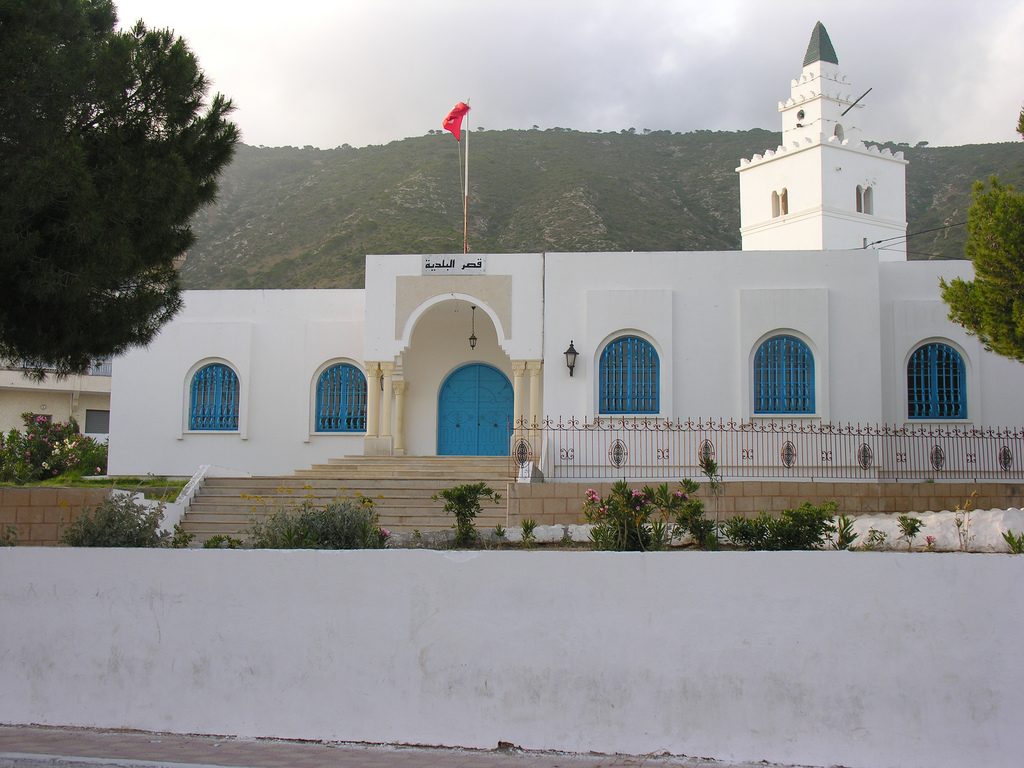
Half an hour east of Bizerte, and one of the most quietly extraordinary places in the country. Ghar el Melh — the name means “cave of salt” — was a seventeenth-century corsair harbour, and three Ottoman forts still stand around the lagoon, one of them half-swallowed by silt and used as a fishing shelter.
What makes it remarkable, though, is agricultural. Andalusian refugees who settled here in the 1600s worked out how to grow vegetables directly on the sandbars that separate the lagoon from the sea, using the freshwater lens that floats above the salt water beneath. They call it the ramli system — literally, “on sand”. Reed screens break the wind and salt spray; hedges of fruit trees fix the dunes. The plots are tiny — the great majority run to under five hectares — and they still produce potatoes, onions and beans this way, four centuries on. The FAO designated it a Globally Important Agricultural Heritage System in 2020, alongside the hanging gardens of Djebba, and the wider lagoon has been a Ramsar wetland since 2007.
You can see the gardens from the road along the sandbar, and the drive out to Sidi Ali El Mekki at the tip is one of the best short drives in Tunisia. That whole strip is covered properly in our guide to northern Tunisia’s wild beaches, which is where you should head next if this sounds like your kind of coast.
Lake Ichkeul: Tunisia’s only natural World Heritage Site
About 25km southwest of Bizerte, Ichkeul is the country’s sole natural UNESCO inscription (listed in 1980), and it also carries Biosphere Reserve and Ramsar status. The lake does something unusual: six wadis pour fresh water in over winter, and in summer the flow reverses and brackish water pushes back from Lake Bizerte. That seasonal swing makes it one of the most important migratory bird stopovers in the Mediterranean basin, with more than 180 species recorded.
Practicalities, and please treat all of these as 2026 figures to confirm on the day: entry has been running at around 5 TND including the little ecomuseum at the gate, with opening hours of roughly 7am–6pm in summer and 7.30am–5pm in winter. A return taxi from Bizerte is typically quoted at 20–28 TND. There is no useful public transport to the entrance, so a taxi that waits is the sensible approach.
Timing matters enormously here. November to February is when the lake fills with wintering ducks, geese and cranes; March and April bring flamingos. In July and August it can look close to empty, and the mosquitoes near the shore in late summer and autumn are not a rumour. There’s also a marked trail up Jbel Ichkeul, a 500m limestone hump rising straight out of the wetland — about ninety minutes return for a panorama over the marshes all the way to Bizerte. Look out for the park’s water buffalo, which are the descendants of a herd introduced centuries ago and are now something of a mascot.
Beaches around Bizerte
Bizerte is a beach city, just not a resort one. Nothing here has a sunbed concession or a beach club with a DJ; these are strands where Tunisian families set up for the day with a cool box and a parasol.
| Beach | Distance from town | What it’s like |
|---|---|---|
| The Corniche | Walkable / short taxi | The city beach, backed by cafés and a few hotels. Busy, convenient, unremarkable. |
| Sidi Salem | Around 10 minutes | The big local favourite — long, pale sand, popular with families at weekends. |
| La Grotte | Around 20 minutes | The most dramatic: sand framed by cliffs and sea caves you can poke about in. Our pick. |
| Rimel | Around 20 minutes | Long, pine-backed, empty on weekdays. Very few facilities. |
| Near Cap Angela | 30–40 minutes | White sand, no facilities at all, and often nobody else. Walk east from the cape. |
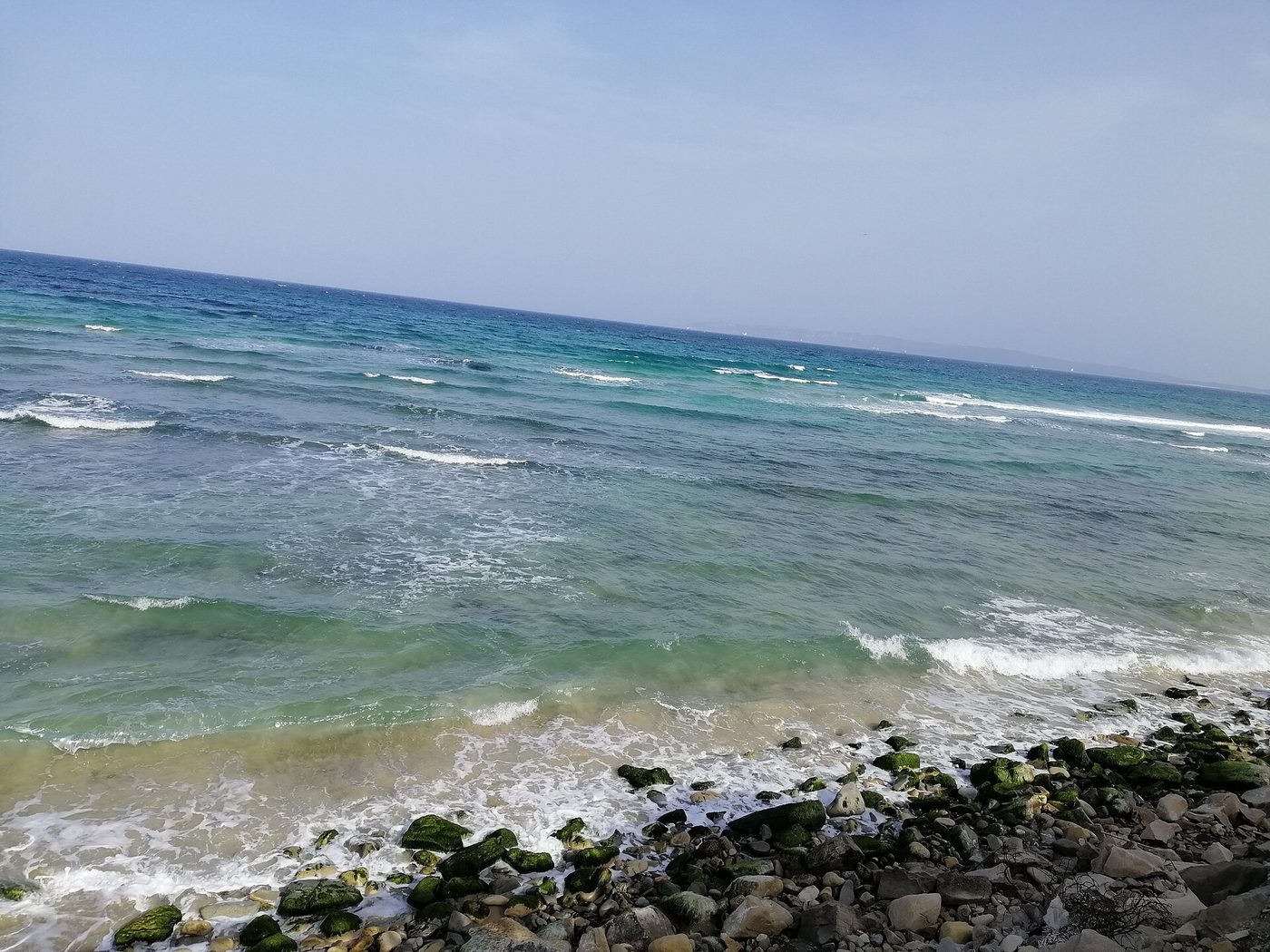
Two honest warnings. First, the north coast has real surf and real wind — this is not the bathtub Mediterranean of Djerba’s beaches, and outside July and August the water is noticeably cooler. Second, litter is a genuine problem on some stretches after busy summer weekends. Weekday mornings are cleaner and emptier.
Getting to Bizerte from Tunis
This is straightforward, and cheap, but it helps to know how the system works before you’re standing in a louage yard being shouted at helpfully in Arabic. Our full explainer on getting around Tunisia covers the mechanics; here’s the Bizerte-specific version.
| Option | Journey time | Rough cost (2026 — check current) | Verdict |
|---|---|---|---|
| Louage from Bab Saadoun, Tunis | About 1 hour | Single figures in dinars | Fastest and cheapest. Leaves when full, usually within minutes. |
| SNCFT train | Around 1.5 hours | A few dinars | Scenic and cheap, but slower and less frequent. Check times before relying on it. |
| Hire car | About 1 hour via the A4 | Varies | The best choice if you also want Ichkeul, Ghar el Melh or the wild beaches. |
| Private taxi / driver | About 1 hour | Negotiated; ask for a day rate | Comfortable, flexible, and reasonable value split between three or four. |
| Organised excursion | Full day | Varies by operator | Convenient, but you’ll be back on the bus just as the port gets lovely. |
Louages leave Tunis from the Bab Saadoun station beside the northern bus terminal. You don’t book; you turn up, find the vehicle with “Bizerte” on the card in the windscreen, take a seat and wait for the last passenger. Because it’s a busy route, the wait is usually short. In Bizerte you arrive at the station just south of the bridge into town — about fifteen minutes’ walk from the old port, or a very cheap taxi.
Getting around once you’re there
The old port, Kasbah, medina and Spanish Fort are all within walking distance of each other — you will not need transport for the city itself. For Cap Angela, Ichkeul, Ghar el Melh and the outlying beaches you need wheels. Yellow city taxis are metered and cheap; insist on the compteur. For a half-day of sightseeing it’s usually simpler and better value to agree a flat rate with one driver for the whole circuit than to hail a new cab at every stop.
Our strong recommendation, if your budget stretches: hire a car for the far north. This is the one region of Tunisia where public transport genuinely constrains you, and where the good stuff is spread out along coast roads that no bus serves.
Where to stay in Bizerte
Choice is limited — this is not a hotel town — and standards are modest. Broadly you have three options.
- In the medina or old town. A handful of small guesthouses in restored traditional houses, generally the cheapest and by far the most characterful. You wake up two minutes from the harbour, which is the whole reason to be here.
- On the Corniche. Mid-range seafront hotels with pools and beach access, a short taxi from the centre. Dated in places, but fine, and usually good value.
- Out towards the beaches. A few larger resort-style properties further from town. Good if you want a pool and a private stretch of sand; frustrating if you want to wander into the old port for dinner. Check the location on a map before booking — at least one well-known property is pinned in the wrong place on the booking sites.
For how Bizerte fits into a wider trip, our where to stay in Tunisia guide compares the regions properly. If you only have one night, take the old-town option.
Where to eat: fish, and then more fish
A working fishing port eats well. The default order along the harbour is grilled whole fish — sea bream, sea bass, whatever came in that morning — priced by weight, with a plate of slata mechouia (grilled pepper and tomato salad), bread and harissa alongside. Ask what’s fresh rather than reading the menu; the answer changes daily.
Bizerte also has a serious local claim on lablabi, the chickpea soup ladled over torn bread that is Tunisia’s great cheap breakfast. Bizertins will tell you theirs is the country’s best, usually in a version served up as a sandwich. On a windy northern morning, they have a point. Our Tunisian food guide explains what to order and how; if you’re comparing with the capital, we’ve written up where to eat in Tunis separately.
Two practical notes. Fish sold by weight is where visitors most often get a shock at the end — ask for the price per kilo and roughly how heavy your fish is before it goes on the grill. And alcohol is far less available here than in the resorts: a few licensed restaurants and hotels serve beer and wine, most places don’t. Nobody minds either way, but don’t plan an evening around it.
Day trip or overnight? Two plans that work
The day trip from Tunis
Leave the capital by 8am on a louage. Coffee at the old port by half nine. Kasbah and medina until about eleven. Taxi out to Cap Angela — allow two and a half to three hours door to door including the walk. Back for a late fish lunch on the harbour at around two. Spanish Fort for the view at four, and the last louage back to Tunis. Tight, but entirely doable, and it’s the version most people take.
The overnight (much better)
Day one: arrive late morning, drop your bag, wander the old port and Kasbah, swim at La Grotte in the afternoon, then dinner on the quay and a slow evening watching the town promenade past. Day two: early start for Lake Ichkeul, back via Ghar el Melh and its ramli gardens, with a stop at Sidi Ali El Mekki if the weather’s good, then Cap Angela late afternoon when the light is best and the heat has broken. Return to Tunis in the evening. That’s the trip we’d take, and it needs a car.
Bizerte also slots neatly into a longer loop of the north — pair it with Tabarka on the coral coast to the west, or the orchards and beaches of Cap Bon across the gulf. Our full Tunisia itinerary shows how to string them together.
When to go
April to June and September to October are the sweet spot: warm without the summer glare, calmer seas, and that soft northern light that makes the harbour photograph so well. July and August are hot and lively — this is when Tunisian families holiday here and when the international festival runs — but also when the beaches fill up and Ichkeul’s birds have gone.
Winter is the surprise. It’s wet and windy by Tunisian standards, and the north gets meaningfully more rain than the south between October and March, but it is the only time Ichkeul truly performs. If birdwatching is the draw, come in January and pack a coat. Our best time to visit Tunisia guide breaks the whole country down month by month, and September in Tunisia is, for our money, the single best month for this stretch of coast.
What it costs
Very little, is the honest answer. Bizerte is a domestic destination, priced for Tunisians rather than tourists, and there’s no meaningful tourist premium on anything except taxis to Cap Angela.
Remember the currency rule that catches out every first-timer: the Tunisian dinar is a closed currency. You cannot buy it in the UK before you fly, and you cannot legally take it out when you leave. Change money on arrival, keep the receipts so you can convert what’s left back at the airport, and reckon on roughly £1 to 3.8–3.9 dinars in mid-2026, though it moves. Card acceptance in Bizerte is patchy outside hotels — carry cash. There are ATMs around the town centre and on the main avenue. More on all of this in our Tunisia travel tips.
The honest downsides
We like Bizerte a great deal, which is exactly why it’s worth being straight about what it isn’t.
- There is no big-ticket sight. No amphitheatre, no famous museum. If you tick attractions off a list, you’ll wonder what the fuss is about. The pleasure here is atmospheric, not monumental.
- Almost nothing is set up for foreign visitors. Signage is Arabic and French, opening hours are elastic, and English is thin on the ground. A few words of French go a very long way.
- The outlying sights need transport. Cap Angela and Ichkeul are the highlights and neither has usable public transport to the door. Budget for taxis or hire a car.
- Litter on some beaches. Particularly after busy summer weekends. It’s improving, but it’s real.
- Weather is genuinely changeable. The north catches Atlantic-flavoured weather systems the south never sees. A grey, blowy day in Bizerte is a much less charming proposition.
- Hotel stock is thin and dated. Perfectly comfortable, rarely smart. Adjust expectations accordingly.
If those sound like dealbreakers, you’d probably be happier in a resort. If they sound like the price of admission to somewhere real, you’ll love it. Bizerte is one of the country’s genuine hidden gems and it earns the phrase, which is not something we say often.
Is Bizerte safe?
Yes, in ordinary terms. Bizerte is a relaxed, family-oriented provincial city with far less of the vendor hassle you get in the resort medinas. Normal precautions apply: agree taxi fares or insist on the meter, don’t leave valuables on the beach, take the usual care with bags in crowded markets.
On the official picture: the UK Foreign, Commonwealth and Development Office advises against all travel to certain areas of Tunisia, including the Chaambi Mountains National Park area and remote parts of the Algerian and Libyan border regions, and advises against all but essential travel to a number of interior governorates. Checked on 1 September 2026, that guidance was last updated on 24 July 2026. None of the zones concerned is anywhere near Bizerte — they lie in the west and deep south of the country, hundreds of kilometres away. Always read the current wording yourself at gov.uk/foreign-travel-advice/tunisia before you travel, and see our fully date-stamped is Tunisia safe guide for the detail.
On health: check the NHS-backed TravelHealthPro Tunisia country page for vaccination and food-and-water advice well before you fly. Note that the UK GHIC is not valid in Tunisia — there’s no reciprocal healthcare arrangement — so comprehensive travel insurance with medical cover and repatriation is essential, not optional. Public facilities in the north are under-resourced and private clinics expect payment up front.
Bizerte: your questions answered
Is Bizerte worth visiting?
Yes, if you want the Tunisia that isn’t packaged. The old port, the Kasbah, Cap Angela and Lake Ichkeul add up to a genuinely rewarding day or two, and you’ll share them with almost no other foreign visitors. If you need resort facilities, organised excursions and English everywhere, it will frustrate you.
How far is Bizerte from Tunis?
About 65km, which works out at roughly an hour by road via the A4 motorway. A shared louage from the Bab Saadoun station in Tunis takes about that; the train takes nearer an hour and a half. It’s one of the easiest day trips from the capital.
Is Bizerte the northernmost city in Africa?
Yes. Bizerte is the northernmost city on the African continent, and Cap Angela — about half an hour away — is the northernmost point of the African mainland. If you count islands, the Galite archipelago off the Tunisian coast reaches slightly further north still.
How do you get to Cap Angela from Bizerte?
Taxi or louage, around 30 minutes. Whichever you choose, be aware the final approach is a dirt track most drivers won’t attempt, so expect a 20-minute walk each way. Agree the return arrangement in advance and take water — there is no shade and only one petrol station nearby.
Is there a beach in Bizerte?
Several. The Corniche is the city beach, Sidi Salem the big local favourite, La Grotte the prettiest with its cliffs and sea caves, and Rimel the emptiest. None has resort infrastructure. The sea here is cooler and choppier than on Tunisia’s east coast, so time your swim for July to September.
Can you visit Lake Ichkeul from Bizerte?
Easily — it’s about 25km southwest, roughly 25 minutes by taxi, with return fares typically quoted around 20–28 TND (2026 — check current). Entry has been running at about 5 TND including the ecomuseum. Come between November and April for the birds; midsummer the lake looks all but empty.
How long do you need in Bizerte?
One full day covers the old port, Kasbah, Spanish Fort and Cap Angela at a brisk pace. Two days lets you add Lake Ichkeul, Ghar el Melh and a proper afternoon on a beach, and gives you an evening in the port — which is when the city is at its best.
Is Bizerte safe for tourists?
It’s a calm provincial city with very little of the tourist-focused hassle found in resort medinas, and no specific concerns beyond ordinary common sense. FCDO advisory areas are all far to the west and south. Read the current advice at gov.uk before travelling and take out proper travel insurance — the GHIC is not valid in Tunisia.
What is Bizerte famous for?
Its old fishing harbour, its history as the last part of Tunisia to gain independence from France in 1963, its position at the top of Africa, and its seafood. Locals will also press the case for their version of lablabi, the chickpea-and-bread soup that is Tunisia’s great cheap breakfast.
Is Bizerte better than Tabarka?
Different jobs. Bizerte has the better old town, the more interesting history and easier access from Tunis. Tabarka has the better diving, the coral coast and cork-oak mountains behind it. If you’re driving the north coast, do both — they’re a few hours apart and complement each other well.
Do people speak English in Bizerte?
Not much. Arabic and French dominate, and outside a couple of hotels you’ll get further with basic French than English. It’s rarely a problem — people are patient and helpful — but download an offline translation app and learn a few phrases before you go.
Can you do Bizerte and Cap Angela in one day from Tunis?
Yes, with an early start. Leave Tunis by 8am, allow around three hours for the Cap Angela round trip including the walk, and you’ll still have time for the old port, Kasbah and lunch before the last louage back. Adding Lake Ichkeul as well is too much for one day without a car.
Where should I go after Bizerte?
West along the coast for the wild beaches and eventually Tabarka; east for Ghar el Melh, Rafraf and the Cap Bon peninsula; or back to the capital for Carthage and Sidi Bou Said. Our roundup of the most beautiful places in Tunisia maps out the options.
Written by the Tunisia Tourism Guide team — an independent UK-focused guide to travelling in Tunisia. We don’t sell tours or take hotel commissions. Prices and advice were checked at publication; always confirm current details before you book.
Photo credits
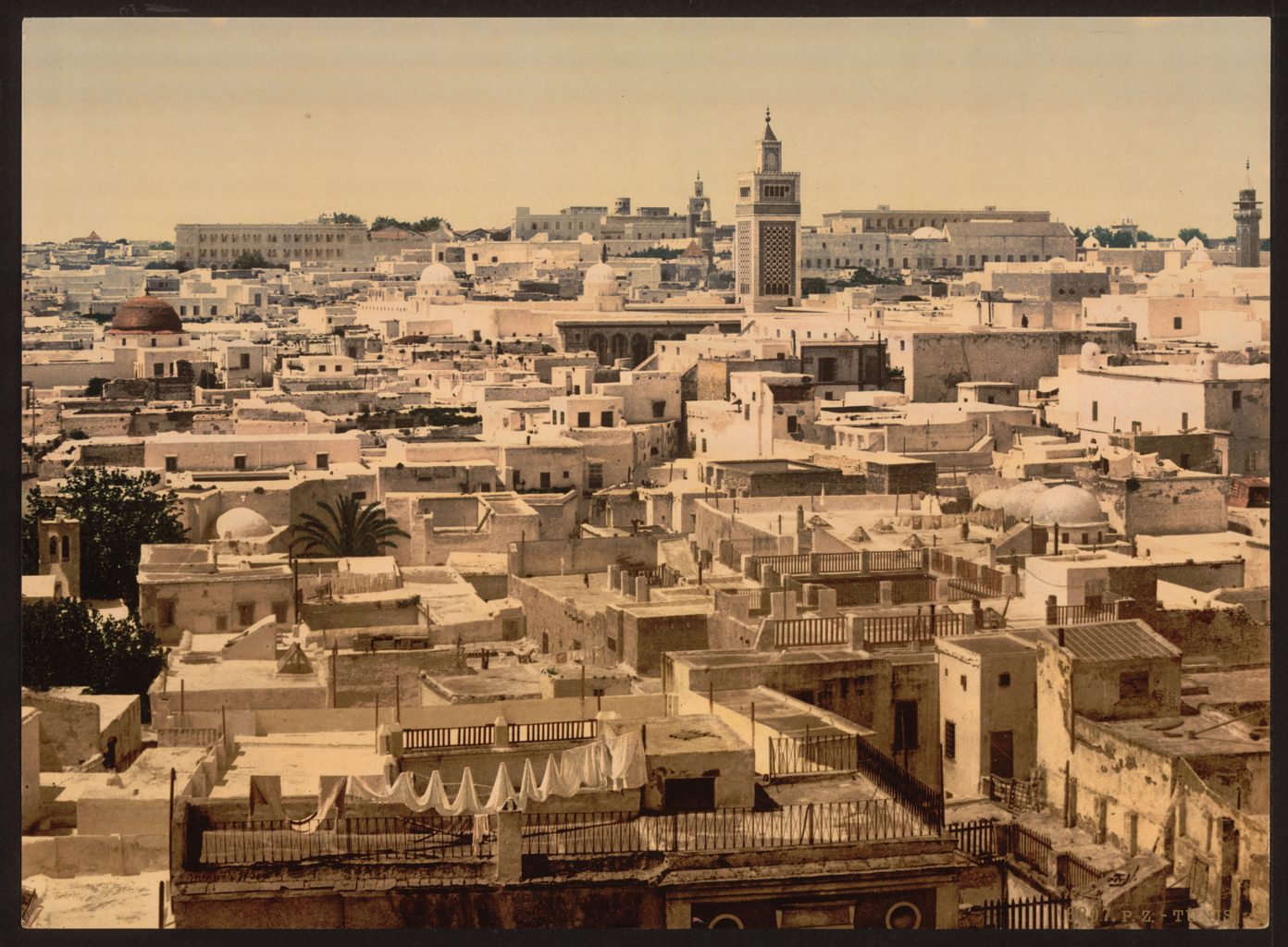
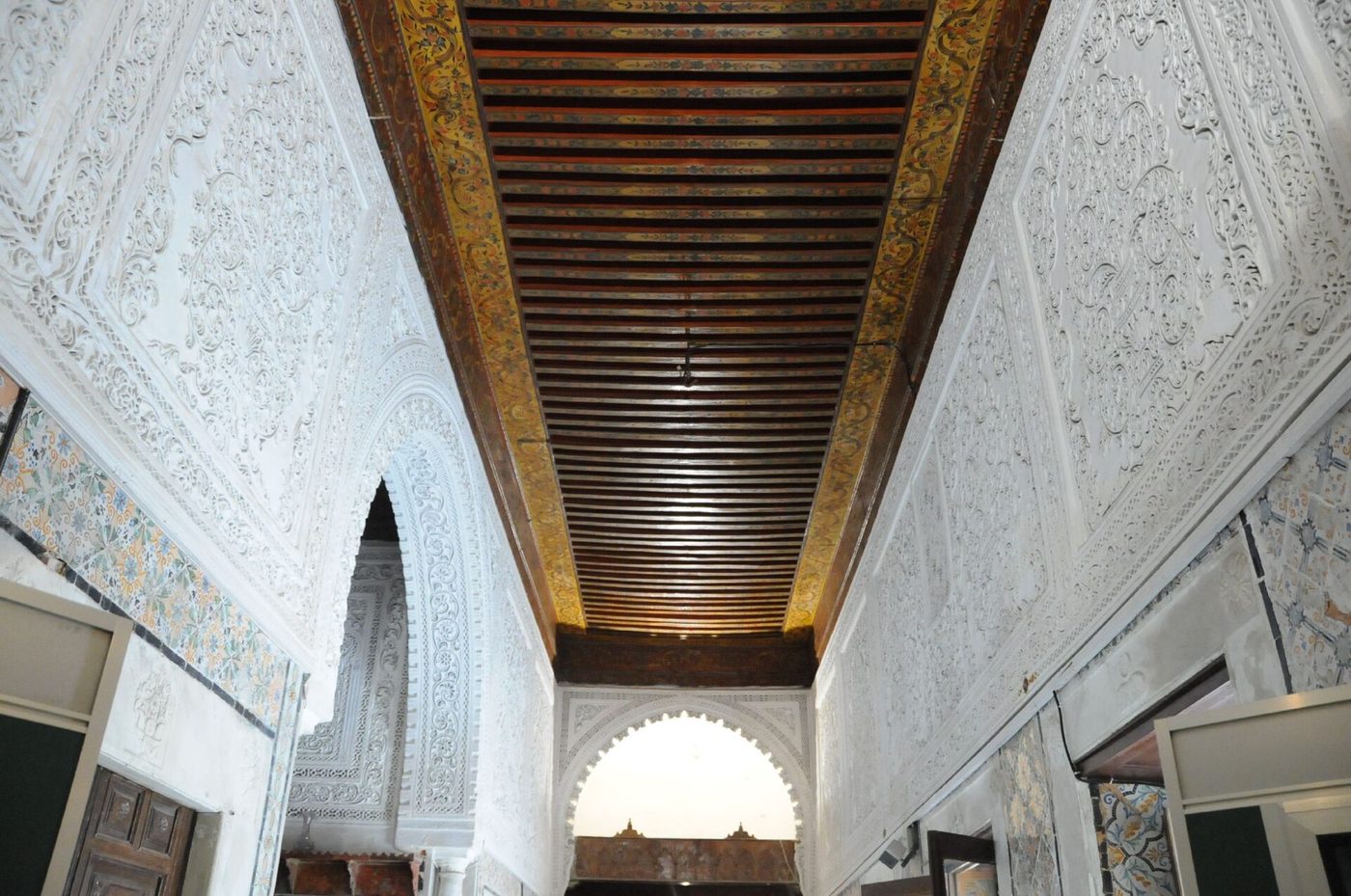
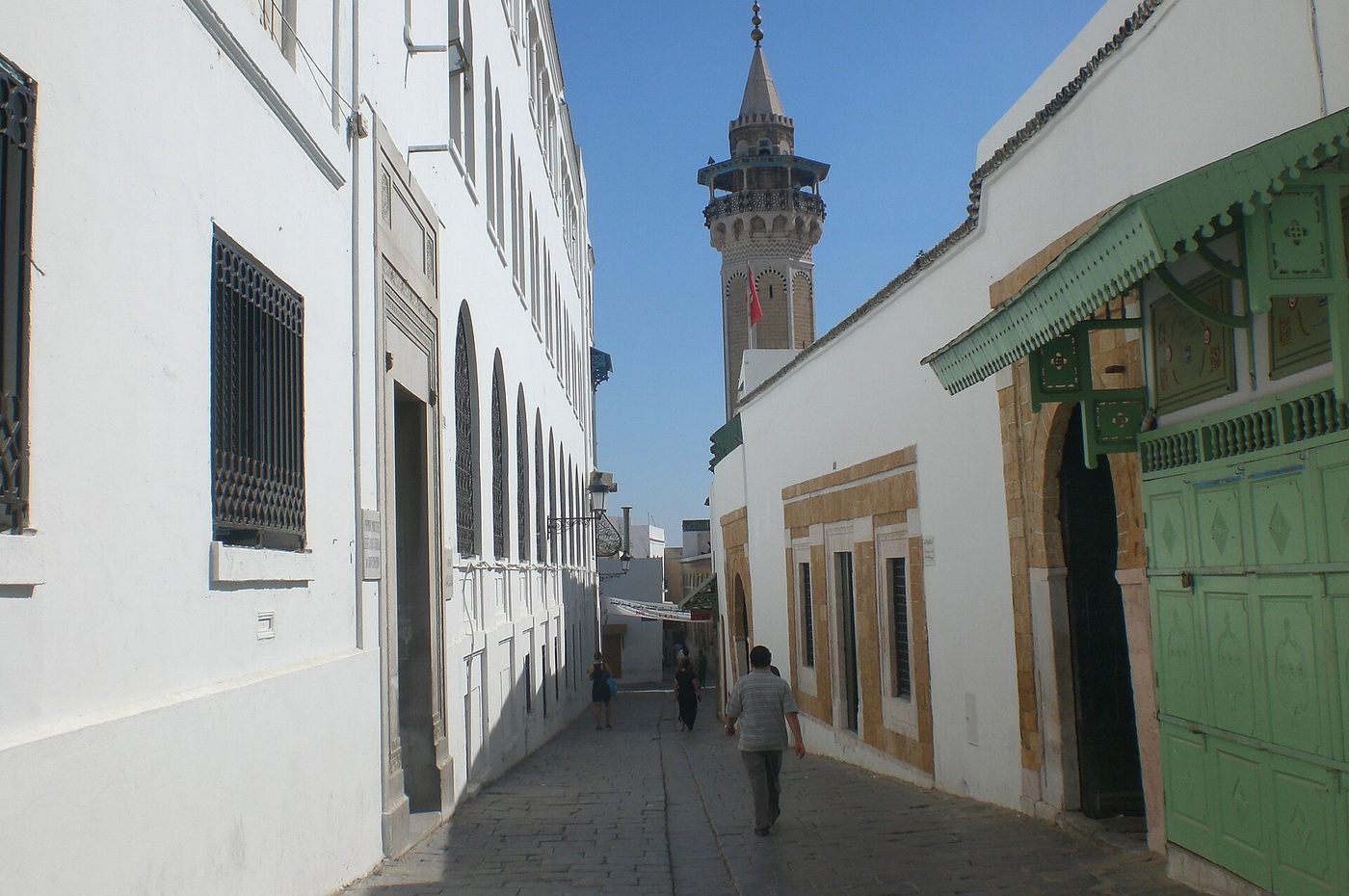
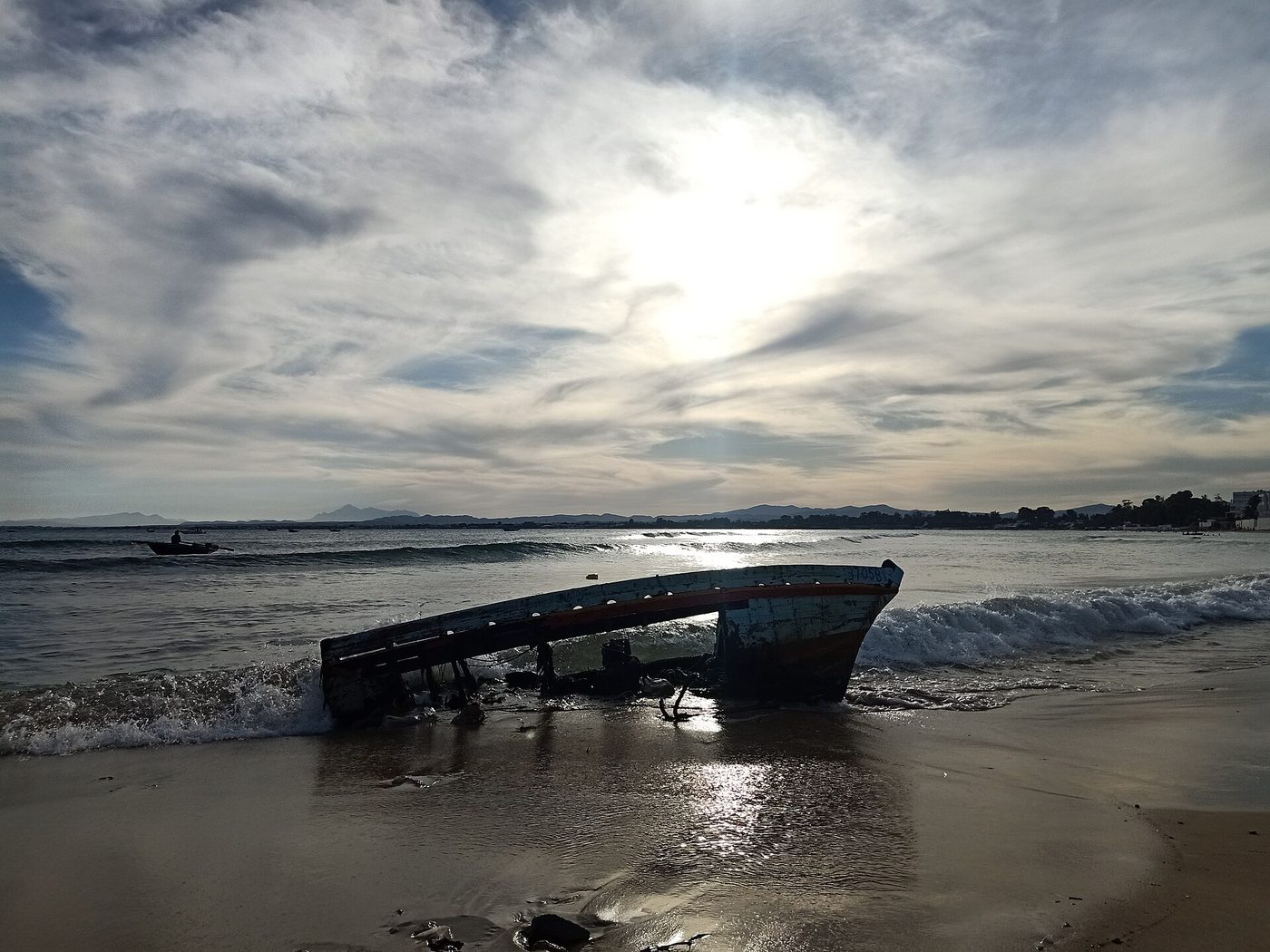
All images via Wikimedia Commons, used with thanks: Fishing boats on the old port canal at Bizerte © The original uploader was Asram at French Wikipedia. (CC BY-SA 3.0); The rocky corniche shoreline north of Bizerte’s old town © Hiba.dhaouadi (CC0); The low cliffs and small beach at Cap Angela © DrFO.Jr.Tn (CC BY-SA 3.0); The whitewashed municipal building at Ghar el Melh below the © Ghar El Melh Photo Citizen59 (CC BY-SA 2.0).