By the Tunisia Tourism Guide team · Last updated 19 August 2026 · We don’t sell tours or take hotel commissions — this is independent advice, written to be useful.
Hammamet gets sold as a single beach — one long golden crescent with a fort at the end of it. Spend a few days here and it’s really three or four different beaches wearing the same name, each with its own character and its own honest drawbacks.
The best Hammamet beach depends on what you want: the soft pale sand below the old medina wins for that postcard view of the kasbah over the water, Hammamet Nord (Mrezga) is the widest and best-kept for a quiet sunbathing day, and Yasmine Hammamet beach suits families who want groomed sand and watersports on the doorstep.
This stretch-by-stretch guide is the companion to our wider guide to things to do in Hammamet — the honest one we wish we’d had before our first trip. Here we’re only interested in the sand: where it’s softest, where the sea shelves gently enough for toddlers, where the seaweed piles up after a blow, and which end the jet-ski touts work hardest.
Hammamet’s beaches at a glance
If you only read one section, read this. Here’s how the main stretches of Hammamet Bay compare for a typical UK holidaymaker, with the honest “best for” note the hotel blogs tend to skip.
| Stretch | Where | Vibe | Sand & sea | Best for |
|---|---|---|---|---|
| Town (medina) beach | Below the old town, central | Local, lively, photogenic | Soft pale sand, very shallow | The view, a swim between sights, people-watching |
| Hammamet Nord / Mrezga | North of town, hotel zone | Broad, calmer, hotel-backed | Wide, well-kept, gentle | A quiet sunbathing day, couples, walkers |
| Barkoukech & the north | Further north, towards Nabeul | Quiet, undeveloped, local | Open sand, slightly deeper water | Space, picnics, a proper swim |
| Yasmine Hammamet beach | Roughly 8km south, resort zone | Groomed, resort-lined, busy | Fine light sand, raked daily | Families, watersports, all-inclusive guests |
A quick word on geography before we go on. Hammamet sits at the base of Cap Bon, the green peninsula that points out towards Sicily, and the Gulf of Hammamet swings past it in a long, gentle arc. The whole bay runs to somewhere between 10 and 15 kilometres of near-continuous sand depending where you draw the lines, so there’s far more coast here than any one week fills. The difference between the stretches is less about the sand — which is soft and pale almost everywhere — and more about who backs it: the old town, the package hotels, or the purpose-built resort down south.
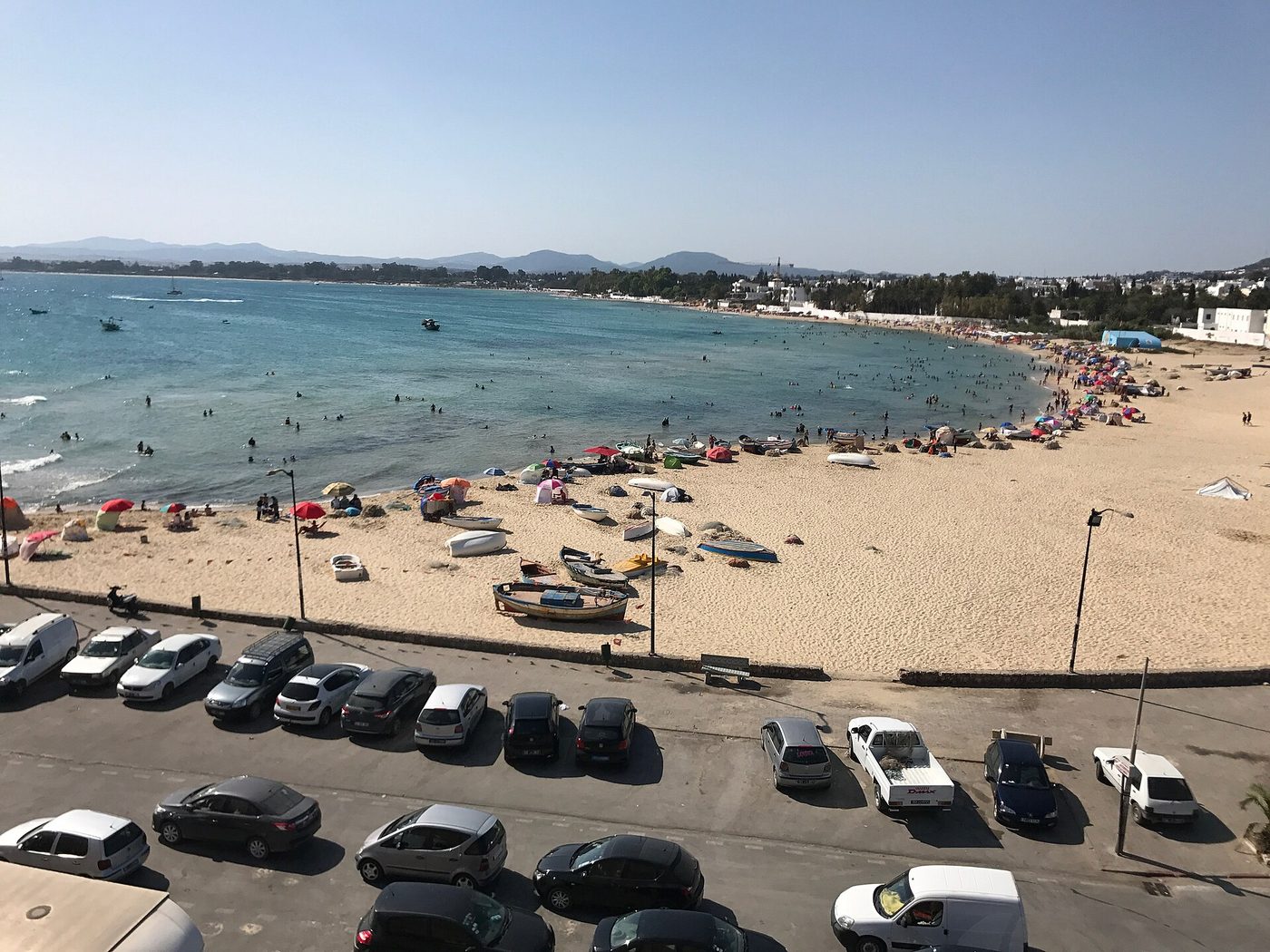
The town beach, below the medina
This is the Hammamet of the postcards. The sand runs right up to the walls of the old town, and from the water you get the shot everyone comes for: the honey-coloured kasbah on its headland, the whitewashed medina behind it, fishing boats pulled up on the beach. It’s the most photogenic stretch in the bay by a distance, and on a summer evening it’s where local families come to swim, picnic and stroll once the heat drops.
The sand here is soft and pale, and the sea shelves so gently that you can wade out a long way and still be waist-deep — the same gentle gradient that has drawn families with small children to Hammamet since the resort found its feet in the 1960s. That’s the appeal and the catch in one: it’s lovely for paddling and hopeless for anyone who wants to strike out into deep, cool water quickly.
We’ll be straight about the downsides, because this is the stretch where they show up. In peak summer it’s the busiest and most local beach in Hammamet, which is part of its charm but means it’s rarely quiet in July and August. The town end can also collect litter — it’s a working beach beside a working town, not a raked hotel frontage — so if a spotless strand matters more to you than the view, you’ll be happier a little way north. There’s no shortage of cafés, ice-cream shops and stalls along the promenade behind it, which makes it the natural choice for a swim wedged between a morning in the Hammamet medina and a late lunch.
Our take: come here for the setting and the atmosphere, not for a full day flat on a lounger. It’s the beach to pair with sightseeing, and it’s genuinely beautiful in the softer light of early morning or the hour before sunset.
Hammamet Nord and Mrezga — the quiet sunbathing stretch
Head north from the old town and the beach opens out. The Hammamet Nord and Mrezga strip is the widest and best-kept part of the bay, a broad ribbon of pale sand fringed in places with palms and backed by the older generation of package hotels along the coastal road. It draws noticeably fewer crowds than the town beach, and the hotels here tend to keep their frontage tidy, so it’s our pick for a straightforward sunbathing day where you want space and a clean stretch of sand without trekking far.
It’s a short metered taxi ride from the medina — agree the fare or insist on the meter first, as tourists are routinely quoted several times the going rate. Most of the beach is fronted by hotels running sunbed concessions, but the sand itself is public (more on that below), so you can always walk the strand and lay a towel on the open beach between the loungers.
If your idea of a good beach day is a wide, well-groomed stretch, a lounger, a long walk at the water’s edge and a coffee without a jet-ski roaring past every ten minutes, this is where we’d point you. It pairs naturally with our guide to where to stay in Hammamet, since a lot of the mid-range and family hotels sit along or just behind it.
Barkoukech and the wilder north
Keep going north, towards Nabeul, and the development thins out. Around Barkoukech and the beaches beyond it you find longer, emptier stretches of sand that locals use for weekend picnics far more than tourists do. The water is often a touch deeper here, which makes it better for an actual swim, and the trade-off is that facilities are thin on the ground — fewer loungers, fewer cafés, so bring water, shade and everything you’ll need for the day.
This is car-hire territory. If you’ve hired a car for the Cap Bon peninsula — and it’s the best way to see this corner of Tunisia — the quieter northern beaches are an easy detour, and worth it if you value space over service. Our guide to day trips from Hammamet covers the wider peninsula, from the Nabeul pottery workshops to the Kelibia coast, and several of these beaches string neatly onto that drive.
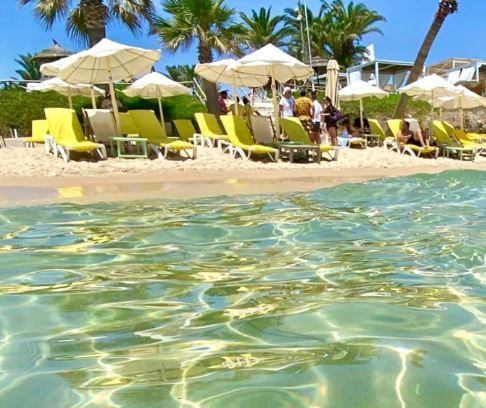
Yasmine Hammamet beach — the resort strand
About eight kilometres south of the old town sits Yasmine Hammamet, a purpose-built resort zone that went up around the turn of the millennium. It has its own marina — with several hundred berths, among the largest in Tunisia — a strip of four- and five-star hotels, a casino, the Carthageland theme park and a concrete “medina” built in the 1990s as a shopping-and-dining attraction rather than a real old town. If you’re on an all-inclusive holiday to Hammamet, there’s a fair chance this is where you’ll land.
The beach matches the setting: wide, well-maintained and raked daily, with finer, lighter sand than the town end and a full menu of watersports — jet-skis, parasailing, banana boats — run from beach clubs along the front. It’s the most groomed, most serviced stretch in the bay, and for families who want the sand tidy, the loungers plentiful and the kids entertained, it’s the easy answer. Our roundup of Tunisia’s family resorts weighs up how the Yasmine hotels compare if that’s your priority.
The honest flip side is that Yasmine can feel a little manufactured. The “medina” is a shopping centre in fancy dress, the frontage is wall-to-wall hotels, and the character that makes the old town special is exactly what was left out of the plan here. For a groomed beach day it’s excellent; for a sense of place, walk the old medina instead. We dig into the whole resort in our Yasmine Hammamet guide.
Public sand, private loungers: how beach access works
This trips up a lot of first-timers, so it’s worth spelling out. Every beach in Tunisia is public by law. Hotels can run a sunbed-and-parasol concession on the sand in front of them, and they can reserve those loungers for their guests, but they don’t own the beach — nobody can stop you walking the entire bay or laying your own towel on the open sand.
In practice that means two things. First, if you’re staying at a hotel on the Nord or Yasmine strips, your sunbeds are sorted. Second, if you’re in a self-catering flat or a hotel set back from the water, you can still use any stretch of beach you like; on the public sections you’ll usually find someone hiring loungers and parasols for a modest daily rate — reckon on very roughly 5 to 15 dinars a day, but check on the spot, as prices drift. A note on money throughout: the Tunisian dinar is a closed currency, so you can’t buy it before you fly or take it home. You change cash on arrival, and reckon on very roughly £1 to 3.8–3.9 dinars in mid-2026 — but treat that as a guide and check the current rate.
The honest bits: seaweed, touts and shallow water
We’d be doing you a disservice if we stopped at the pretty stuff. Three things come up again and again from UK visitors, and knowing them before you book is the difference between a lovely week and a grumpy one.
Seaweed and posidonia
After a windy spell, bands of dried seagrass wash up along the tideline — more often in autumn and winter than at the height of summer. It’s natural: posidonia seagrass is a protected, healthy part of the Mediterranean, and hotels aren’t always allowed to strip it out wholesale, so the better ones rake the worst away from their sunbeds rather than removing it entirely. It varies enormously from stretch to stretch and week to week. If a spotless, raked-white beach every single day is non-negotiable, read very recent reviews of your specific hotel’s frontage before you book, because the groomed resort strands (Nord, Yasmine) manage it far better than the public town beach.
Jet-ski touts and beach sellers
On the busier stretches — the town beach and Yasmine especially — you’ll be offered jet-skis, parasailing, boat trips, sunglasses and the odd camel or horse ride, sometimes persistently. It’s rarely aggressive, and a polite, firm “no thank you” does the job, but it’s part of the texture of a busy Tunisian beach. If you do fancy a watersport, agree the price before you get on anything and expect the first quote to be optimistic — the same friendly-but-firm haggling that applies in the souk. Our guide to common Tunisia scams and hard-sells is worth two minutes before you fly, so you know the routines and don’t overpay.
Shallow, gently shelving water
Hammamet’s gentle gradient is a feature for families and a frustration for swimmers. The sea shelves so slowly that on the town beach you can wade out a long way and still touch the bottom. Toddlers and nervous paddlers love it; anyone who wants deep, cool water fast will be underwhelmed and is better off at the northern beaches, where it drops away a little quicker, or heading out on a boat.
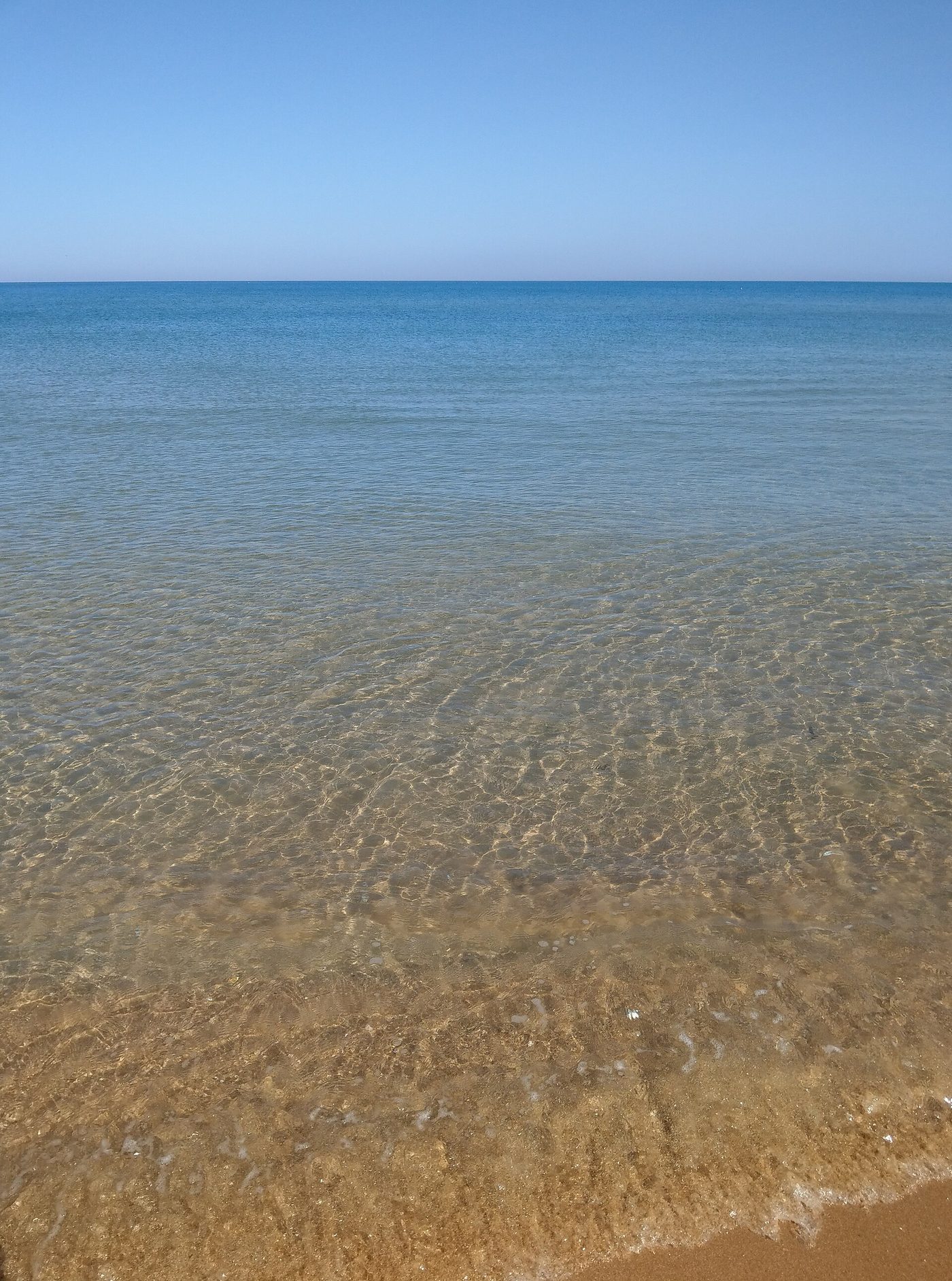
Watersports and things to do on the sand
Hammamet’s calm, shallow bay lends itself to easy, warm-water pottering rather than serious surf. Here’s the honest rundown of what’s on offer along the front.
- Jet-skis, parasailing and banana boats. The staple menu on the town and Yasmine beaches, run from beach clubs and freelance operators. Agree the price up front, in dinars, before you climb aboard.
- Windsurfing and water-skiing. Widely available off the hotel beaches, with the calm bay making it forgiving for beginners. The steadier breezes tend to build through the afternoon.
- Diving. Some of the larger hotels run open-water try-dives and courses; it’s a gentle, warm-water introduction rather than a big-drama dive destination.
- Waterparks. For families, there are aqua parks along the coastal road north of town and the Carthageland theme park in Yasmine — useful backup for a day when the kids have had enough of sand.
- Pedalos, paddleboards and boat trips. The flat water suits gentle paddling, and pirate-style boat excursions run along the bay in season. Again, fix the fare before you set off.
When is the sea warm enough to swim?
Hammamet sits on Tunisia’s north-central coast, so the sea here is a touch cooler and a touch later to warm up than Djerba’s down south. The reliable swimming window runs roughly from June to October, peaking in August. Treat every figure below as a typical average rather than a promise — any given week can run warm or cool.
| Month | Approx. sea temp | Beach verdict |
|---|---|---|
| January | ~15°C | Too cold to swim; bright days for a walk |
| February | ~14–15°C | Coldest sea of the year |
| March | ~15°C | Bracing; wetsuit weather at best |
| April | ~16–17°C | Warming, but chilly for swimming |
| May | ~18–19°C | Lovely on the sand; swimmable for the hardy |
| June | ~22°C | Comfortable swimming, fewer crowds |
| July | ~25°C | Warm sea, peak season, busiest beaches |
| August | ~26°C | Warmest of all; hot, busy, bath-like sea |
| September | ~25°C | Our sweet spot — warm sea, thinning crowds |
| October | ~22°C | Still swimmable, quiet, good value |
| November | ~19°C | Cooling fast; borderline for swimming |
| December | ~16–17°C | Too cold for comfort; mild for walks |
If we had to pick, we’d take June or September for the best balance of warm sea and thinner sand — the shoulders of the season, when the bay isn’t packed and the water is still comfortable. For the full month-by-month picture across the country, our guide to the best time to visit Tunisia lays it all out, and it’s worth a look before you lock in dates.
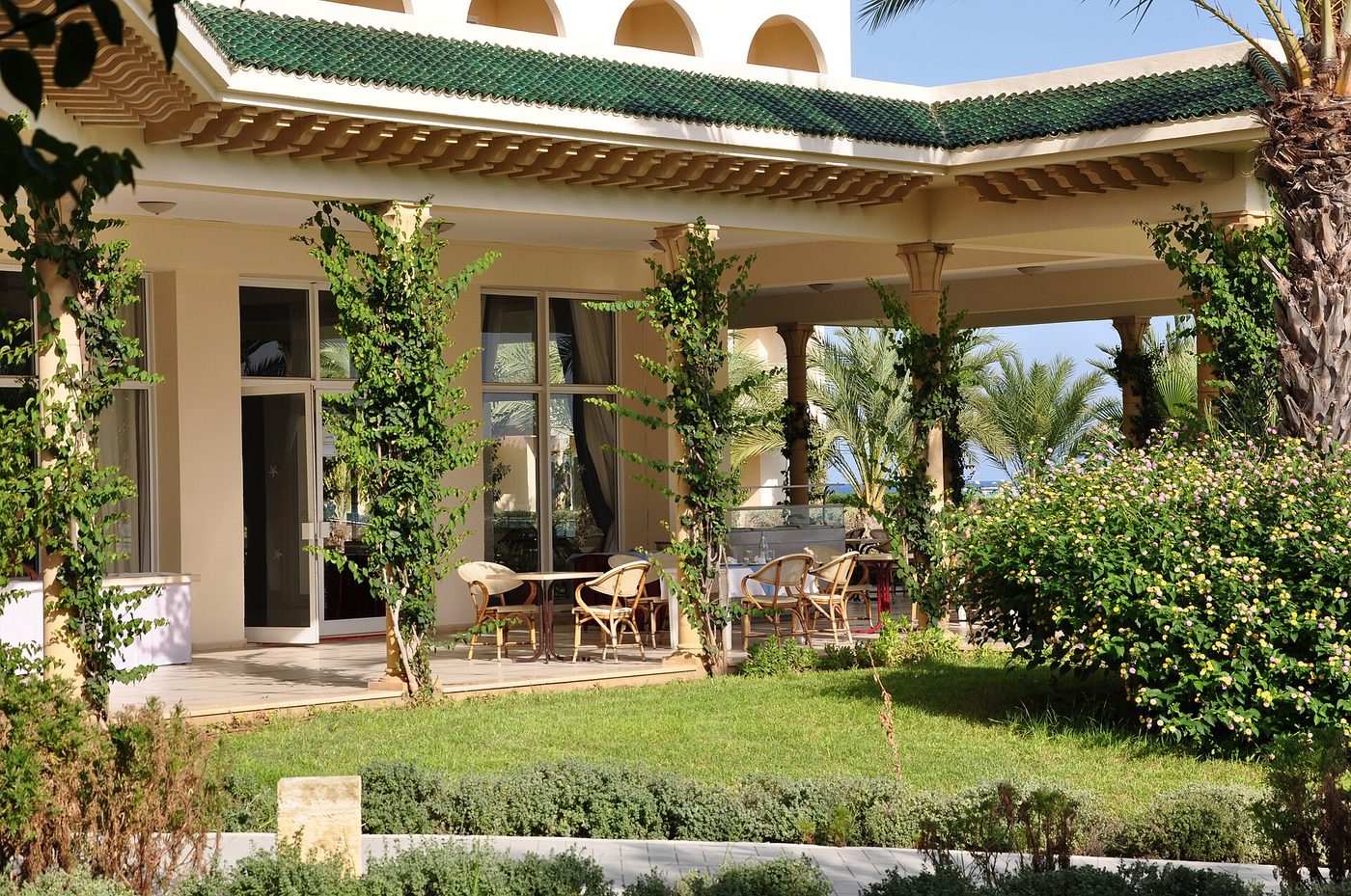
How Hammamet’s beaches compare to Sousse and Djerba
Honesty first: Hammamet doesn’t have the single most beautiful beach in Tunisia. What it has is a long, reliable, gently shelving bay with a genuinely lovely old-town setting at its heart, close to the airport and easy to reach — which for a lot of UK holidaymakers is worth more than a marginally prettier stretch of sand three hours further away.
Set against Sousse, an hour down the coast, Hammamet is calmer and greener, with a smaller, more characterful old town; Sousse has a longer, livelier tourist strip and a bigger nightlife scene. We compare the two head-to-head in Hammamet or Sousse, which is the question a lot of first-timers are really asking. Against Djerba, the island in the far south, the trade is warmth and water clarity versus convenience: Djerba’s sea is warmer for longer and its shallows are the famous turquoise, but it’s a longer haul and a very different, more low-key holiday — our Djerba or Hammamet comparison helps if you’re torn between the two.
For the national picture — the sandiest, clearest and quietest stretches from the north coast to the deep south — see our roundup of the best beaches in Tunisia. Hammamet earns its place on convenience and setting rather than raw drama, and that’s no bad thing.
Which Hammamet beach is right for you?
To pull it together, here’s the quick match-up we’d give a friend at the airport:
- Families with young children: Yasmine Hammamet beach for groomed sand, plentiful loungers and watersports on tap; the town beach for the same warm shallows with more local colour.
- A quiet sunbathing day: Hammamet Nord / Mrezga — wide, well-kept and calmer than the centre.
- The best walkable beach for sightseers: the town beach below the medina, hands down, for the view and the cafés at your back.
- Space and a proper swim: the wilder northern beaches around Barkoukech, ideally with a hire car.
- Watersports and beach clubs: Yasmine, no contest.
- Couples after character: the old-town beach at either end of the day, when the light is soft and the crowds have thinned.
Still weighing up where to base yourself for the whole trip? Our guide to where to stay in Tunisia sets Hammamet against the other resorts, and if you’re wondering whether the town earns a week of your holiday at all, we answer that squarely in is Hammamet worth visiting.
Hammamet beach: your questions answered
Which is the best beach in Hammamet?
For the setting, the town beach below the medina is the best beach in Hammamet — soft pale sand with the kasbah rising over the water. For a quiet, well-kept sunbathing day, Hammamet Nord (Mrezga) wins; for families who want groomed sand and watersports, Yasmine Hammamet beach is the easy choice. There’s no single “best” — it depends on the day you’re after.
Are Hammamet’s beaches sandy or pebbly?
Sandy. Hammamet Bay is a long arc of soft, pale, fine sand that shelves gently into shallow, calm water. There’s very little pebble or rock along the main stretches, which is a big part of why the resort suits families and paddlers so well.
Is the sea warm enough to swim in Hammamet?
From roughly June to October, yes, when the sea sits between about 22°C and 26°C, peaking in August. Hammamet is on the north-central coast, so the water is a little cooler and later to warm up than Djerba in the south. Winter and early spring are too cold for comfortable swimming, though the beaches are still lovely for a walk.
Are Hammamet’s beaches free and public?
Yes. Every beach in Tunisia is public by law, so you can walk the whole bay and lay your towel on the open sand for free. Hotels reserve their own sun loungers and parasols for guests, but they don’t own the beach itself. On the public stretches you’ll usually find someone hiring loungers and parasols for a modest daily rate.
Is there seaweed on Hammamet’s beaches?
Sometimes. Bands of dried seagrass wash up along the tideline, more often after windy spells and in autumn and winter. It’s natural and protected, so hotels can’t always remove it entirely — the groomed resort beaches at Nord and Yasmine manage it better than the public town beach. It varies a lot by stretch and week, so check recent reviews of your specific hotel.
What’s the difference between Hammamet beach and Yasmine Hammamet beach?
The town beach sits below the old medina and is the most local and photogenic, with the kasbah behind it. Yasmine Hammamet beach is about eight kilometres south, fronting a purpose-built resort zone with a marina, big hotels and a theme park. Yasmine’s sand is finer and raked daily and has more watersports; the town beach has more character and atmosphere.
Which Hammamet beach is best for families with children?
Yasmine Hammamet beach is the easiest family choice — groomed sand, plenty of loungers, gentle shallow water and watersports and waterparks nearby. The town beach has the same warm, gently shelving shallows with more local colour, and Hammamet Nord is a calmer, quieter alternative. All three are shallow and gentle rather than deep.
Can you do watersports on Hammamet beach?
Yes. Jet-skis, parasailing, banana boats, windsurfing and water-skiing are all available off the town and Yasmine beaches, and some larger hotels run try-dives. The calm, shallow bay makes it forgiving for beginners. Always agree the price in dinars before you get on anything, as the first quote is usually optimistic.
Is Hammamet beach safe?
Hammamet is one of Tunisia’s calmer, most established resort towns and sits well away from any Foreign Office advisory zone. The usual seaside common sense applies — watch your bag, keep an eye on children in the water, and agree taxi and watersport prices up front. For the full picture, including the current official wording, see our guide to whether Hammamet is safe.
Do I need a car to reach the best beaches in Hammamet?
Not for the main stretches. The town beach is walkable from the old town, and Hammamet Nord and Yasmine are short, cheap taxi rides away. But for the quieter northern beaches around Barkoukech and the wilder Cap Bon coast, a day’s car hire is the only realistic way to reach several in one trip. Use the taxi meter or agree the fare first.
When is the best time of year for Hammamet’s beaches?
June and September are our picks — warm sea, plenty of sun and thinner crowds than the July–August peak. High summer has the warmest water and the liveliest beaches but also the most people and the highest prices. Spring and autumn are lovely for the sand and sightseeing but the sea is on the cool side for swimming.
Written by the Tunisia Tourism Guide team — an independent UK-focused guide to travelling in Tunisia. We don’t sell tours or take hotel commissions. Prices and advice were checked at publication; always confirm current details before you book.
Photo credits
All images via Wikimedia Commons, used with thanks: The soft pale sand of Hammamet’s town beach with the © Mohatatou (CC BY-SA 4.0); The long sandy beach north of Hammamet towards Mrezga and © Youssefbhy (CC BY-SA 4.0); Clear shallow water on the beach at Yasmine Hammamet © Elycoupo² (CC BY-SA 4.0); Sunbeds and parasols along the calm © anagh (CC BY-SA 3.0).
One response to “Hammamet’s Beaches: Which Stretch Is Best?”
[…] got the full picture in our Hammamet guide, and a closer look at the sand in our guide to Hammamet beach. It also makes a natural stepping stone into Cap Bon if you fancy stringing a couple of days […]