By the Tunisia Tourism Guide team · Last updated 24 July 2026 · We don’t sell tours or take hotel commissions — this is independent advice, written to be useful.
Tunis is one of the great underrated eating cities of the Mediterranean, and almost none of the good stuff is where the tour buses stop. The best meal we’ve had in the capital cost about the price of a coffee back home — a paper bowl of chickpea soup eaten standing up — and the second-best was in a 400-year-old palace. This is a city that rewards the hungry and the curious in equal measure.
For the best of where to eat in Tunis, work down through the levels: cheap lablabi and brik from medina holes-in-the-wall, a tuna casse-croûte or grilled fish for lunch, and a restored merchant house for a special dinner, with seafood out at La Marsa. Café mint tea and patisseries fill every gap in between.
Our full guide to Tunis sets the scene; this is the hungry traveller’s companion to it — what to order, what it costs, and the honest difference between a place worth the detour and a tourist trap. It pairs with our national Tunisian food guide, which explains the dishes in more depth. Prices below are rough 2026 anchors in dinars — the dinar is a closed currency you change on arrival, and prices move, so treat every figure as “check the current price”. Reckon on roughly £1 to 3.8–3.9 TND.
Where to eat in Tunis at a glance
Five things to eat, what they are, and what you’ll pay. The detail follows below.
| Dish | What it is | Rough price (2026 — check current) |
|---|---|---|
| Lablabi | Cumin-and-harissa chickpea soup poured over torn bread with an egg | ~3–5 TND |
| Brik à l’oeuf | Crisp fried pastry triangle with a whole runny egg inside | ~1.5–3 TND |
| Casse-croûte tunisien | Baguette packed with tuna, harissa, egg, olives and salad | ~3–6 TND |
| Grilled fish lunch | Catch of the day, salad and bread at a seaside spot | ~45–70 TND a head |
| Mint tea with pine nuts | Sweet green tea on a café terrace | ~2–3 TND |
Now, where to actually find all this — starting, as any Tunisois cook would, at the market.
Start at the Marché Central
If you only do one food thing in Tunis, spend a morning at the Marché Central, the covered central market just off Avenue de la République in the new town. Built in 1891, it’s a handsome Art Deco hall that still feeds the city: three sections, each a world of its own.
The fish hall is the showstopper — the day’s catch from the Gulf laid out on ice, whole sea bream and red mullet, prawns, octopus and clams, sold with a lot of shouting and good humour. The central hall handles meat, olives glistening in a dozen cures, sheep’s cheeses, spices and, of course, tubs of fiery harissa, the chilli paste that underpins the whole cuisine. The back is a riot of fruit and vegetables, seasonal and cheap. Go early — by mid-morning the best fish is gone — and go hungry, because the streets around the market are lined with cheap eateries that will cook a fish you’ve just admired.
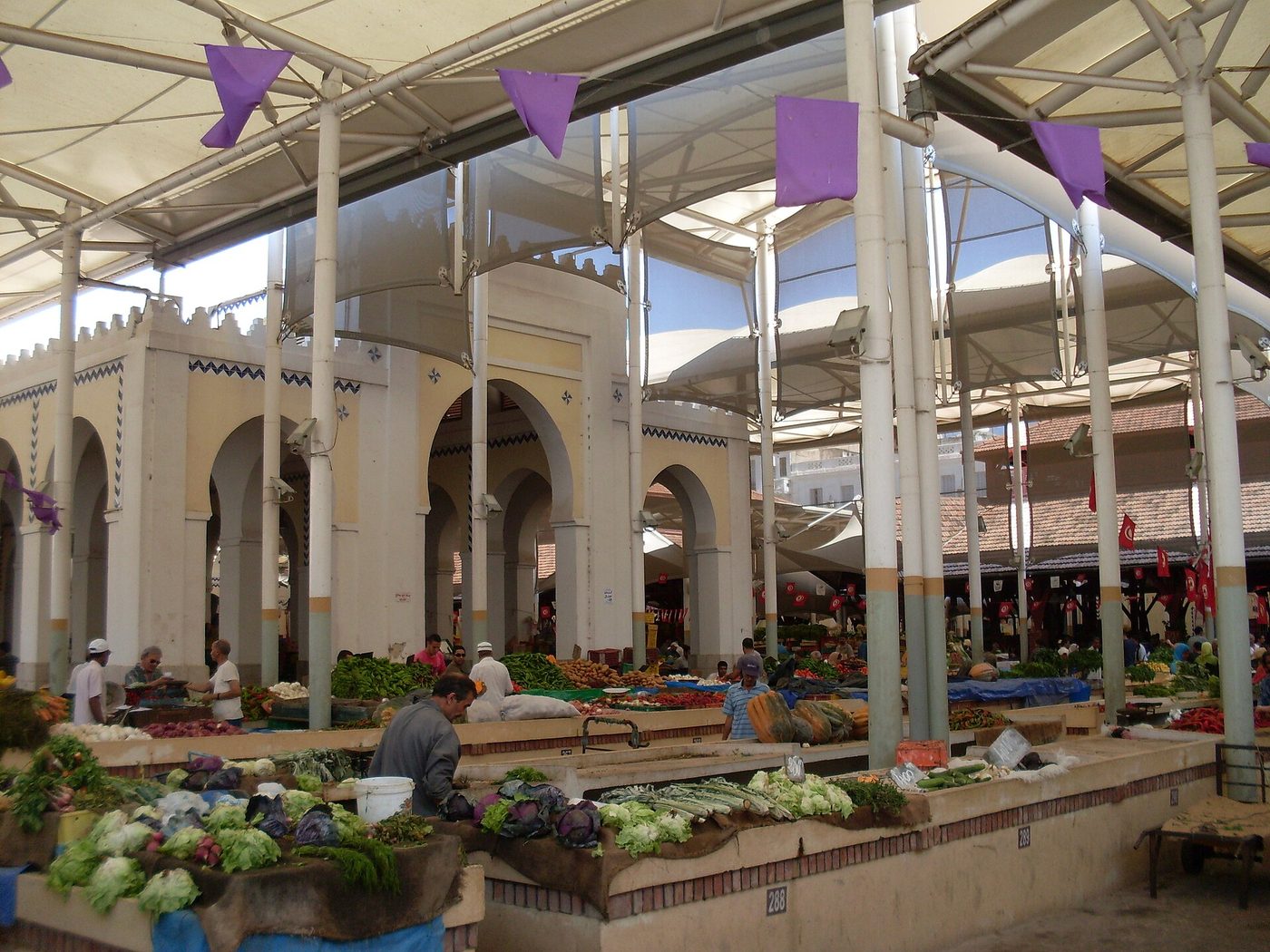
Even if you’re not cooking, the market is the single best crash course in Tunisian ingredients, and a lovely, unpolished slice of daily life. It’s a short walk from most new-town hotels; see our guide to where to stay in Tunis for how the neighbourhoods sit.
The street food you came for
Tunis does street food better than almost anywhere in North Africa, and it’s how locals actually eat — quick, cheap, standing at a counter or perched on a plastic stool. Here’s what to order and where it shines.
Lablabi — the one to try first
Lablabi is Tunis’s soul food: a bowl of chickpeas simmered soft in a garlicky, cumin-scented broth, ladled over torn-up stale bread, then finished at the counter with a raw egg stirred through the heat, a spoon of harissa, olive oil, capers, olives and sometimes tuna. You break it up, mix it into a rough porridge, and eat it with a spoon. It’s warming, filling, wildly cheap — around 3 to 5 TND — and utterly delicious. Traditional lablabi dens dot the medina and the working streets of the new town; look for a steamed-up window and a queue of locals rather than a menu in English. It’s usually a breakfast or lunch dish, so don’t go hunting for it at dinner.
Brik à l’oeuf — handle with care
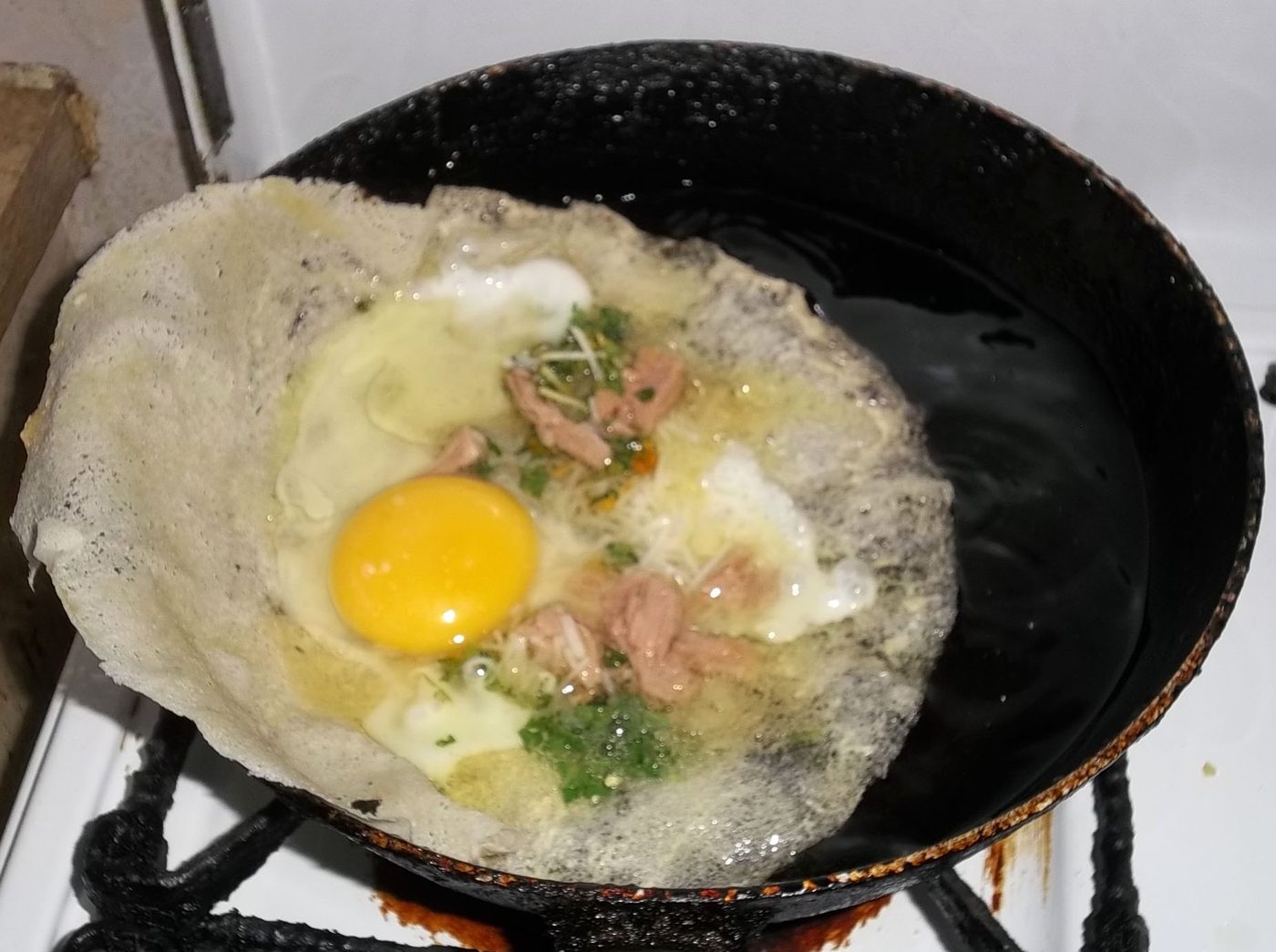
Brik is the one everyone falls for. A sheet of paper-thin malsouka pastry is folded around a whole raw egg, a little tuna, potato, parsley and capers, then deep-fried until crisp and golden — the yolk stays runny inside. The trick, and the entertainment, is eating it: pick it up, bite the corner, and tilt so the yolk doesn’t end up down your shirt. It costs next to nothing from a fried-food stall (roughly 1.5 to 3 TND) and appears as a starter in nearly every sit-down restaurant too. Order one on your first day and you’ll order it on every day after.
Casse-croûte, fricassé and the sandwich family
The Tunisian sandwich is a genre in itself. The casse-croûte tunisien is the daily staple — half a crusty baguette stuffed with tuna, harissa, olives, capers, hard-boiled egg, sometimes potato and a slick of oil, sold on nearly every corner for a few dinars. Its deep-fried cousin is the fricassé: a small, savoury fried-dough roll filled with the same tuna-harissa-egg-olive combination — greasy in the best possible way. Both are lunch sorted for under 6 TND.
Kafteji, mlawi and chapati
A few more to seek out. Kafteji is a plate of fried vegetables — potato, peppers, tomato, courgette, pumpkin — chopped up small with fried egg and harissa, served as a dish or crammed into a baguette. Mlawi is a flaky, pan-fried semolina flatbread, folded around cheese, tuna or egg like a Tunisian toastie. Chapati here means a soft, slightly sweet enriched flatbread, split and filled to order. None of it will trouble your wallet, and all of it is a proper taste of how the city eats between meals.
One more to sit down for: ojja, a soft, spicy scramble of tomatoes and peppers cooked with eggs and usually merguez sausage or prawns, served bubbling in the pan with bread to mop it up. It’s the Tunisian cousin of shakshuka and a brilliant, cheap breakfast or light supper. Speaking of breakfast, the local version leans savoury — bread, olives, harissa, cheese and often a brik or a bowl of soup — so come to it hungry and skip the hotel buffet at least once.
Sit-down Tunis: bistros and medina dining
When you want a table, a proper lunch or a memorable dinner, Tunis delivers across every price point. A few well-known names to point you in the right direction — all long-running places people actually talk about, though menus, prices and opening days change, so check ahead.
New-town bistros
In the ville nouvelle, the grid of French-built streets around Avenue Habib Bourguiba and Avenue de Paris, the classic call is Chez Slah — a long-established bistro founded by the Smooli family and a fixture of Tunis dining since the 1980s, known for carefully cooked seafood and Franco-Tunisian classics in a smart but unstuffy room. It’s a sit-down, order-wine sort of place rather than a cheap eat, and worth booking. The same family’s Dar Slah, over in the medina, is the more casual, creative sibling.
Medina fine dining and terraces
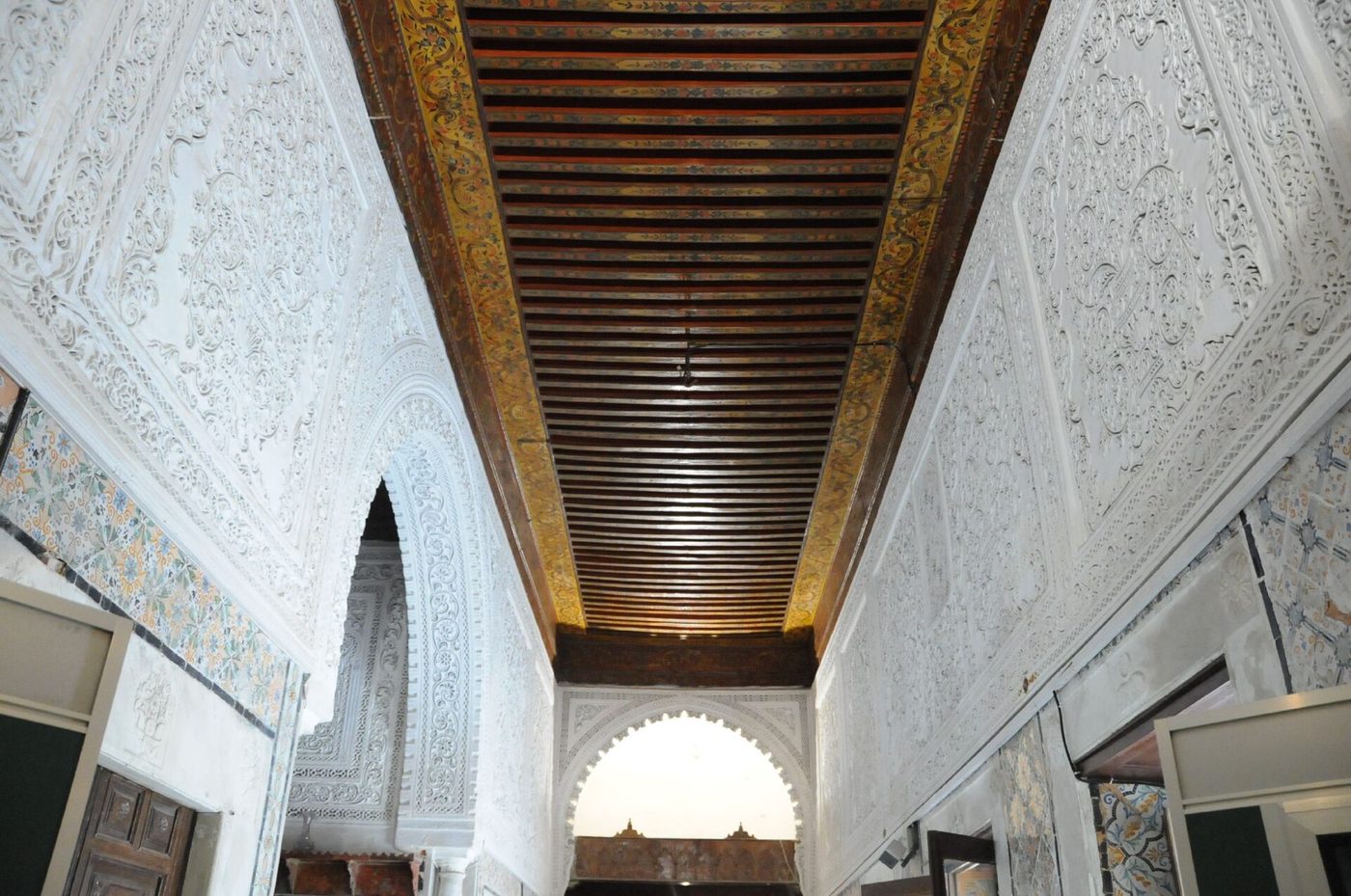
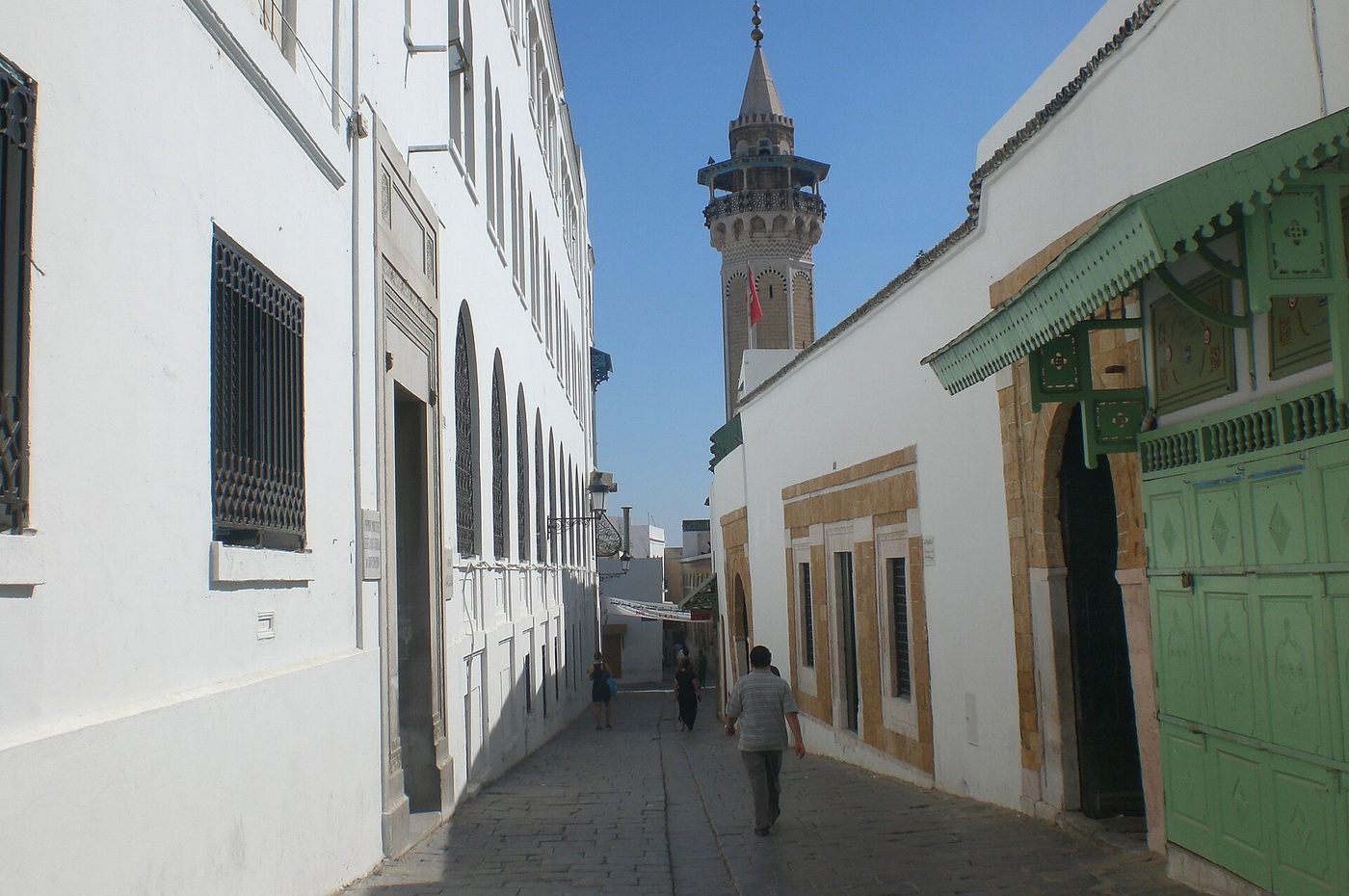
Some of the most atmospheric meals in the city are inside the old walls, in restored palaces and merchant houses. Dar El Jeld is the grand one — a sprawling historic mansion on the edge of the medina, now a smart hotel and restaurant, serving elaborate traditional Tunisian cooking (often with live oud music) to a crowd of locals marking special occasions. Dar Belhadj is a similarly beautiful courtyard house deeper in the medina, known for slow-cooked classics like lamb mosli. For something between a café and a restaurant, El Ali and the restored caravanserai Fondouk El Attarine both do lighter Tunisian plates with rooftop or courtyard terraces looking over the medina roofs — perfect for a mid-wander lunch. Dar Fatma is another dependable medina choice for home-style cooking — briks, slata mechouia (a smoky grilled-pepper and tomato salad) and couscous in a traditional setting. Wander the same lanes with our Tunis medina guide and you’ll pass several more.
None of these need a huge budget by UK standards — a blow-out three-course dinner with wine in a medina palace still comes in well under what the equivalent would cost at home — but they’re a world away in price from the street. That range, from a 4-dinar bowl of soup to a candlelit palace, is exactly what makes eating here so good. Fit a meal or two into our 2-day Tunis itinerary and the day plans itself.
Seafood by the sea: La Marsa and Gammarth
For a long, lazy seafood lunch, head out of the centre to the northern coastal suburbs. La Marsa, at the end of the TGM train line, and neighbouring Gammarth are where Tunisois go for fresh fish with a sea view — grilled sea bass and bream, calamari, prawns and platters of the day’s catch, often at smart terraced restaurants along the water. It’s dearer than the city — reckon on roughly 45 to 70 TND a head for a full fish meal with the trimmings — but the setting earns it. These are also among the more reliably licensed places if you want a glass of Tunisian wine or a cold Celtia lager with lunch.
Getting there is easy and cheap on the TGM from Tunis Marine; our guide to getting around Tunisia has the details, and the same line drops you at Sidi Bou Said, which has its own clutch of clifftop terraces if you’d rather eat with a view of the Gulf. Combine a coastal seafood lunch with the sights and you’ve a perfect day — see our day trips from Tunis for how to string it together.
Café culture and mint tea
To understand Tunis, sit in a café for an hour and watch it go by. Café culture here is serious business — strong espresso, French-style café au lait, and, above all, sweet green mint tea, often served with a scatter of pine nuts floating on top (ask for thé aux pignons). A pot costs a couple of dinars and buys you as long as you like on the terrace.
You’ll find pavement cafés all along Avenue Bourguiba, quieter courtyard ones tucked into the medina, and the famous terraces of Sidi Bou Said with their sea views. The rhythm of long, unhurried coffee-drinking is central to daily life, and it’s one of the easiest, cheapest ways to feel part of the city — more on this in our guide to Tunisian culture. Cafés are traditionally male-dominated in working neighbourhoods, though the new-town and coastal spots are thoroughly mixed and relaxed.
Sweet things: patisseries and pastries
Tunisians have a serious sweet tooth, and the pastries are a legacy of Ottoman, French and Andalusian influences all at once. The essentials to try:
- Makroud: diamond-shaped semolina pastries filled with date paste, fried or baked and soaked in honey — the town of Kairouan is the spiritual home, but every Tunis patisserie sells them.
- Baklava: the familiar layered filo, nuts and honey, done Tunisian-style with almonds, pistachios and sesame.
- Samsa: crisp triangles of pastry layered with ground almonds and sesame in a rosewater syrup.
- Kaak warka: delicate almond-paste rings scented with rosewater, a classic celebration sweet.
- Bambalouni: a hot, sugar-dusted doughnut best eaten from a street stall — the ones in Sidi Bou Said are an institution.
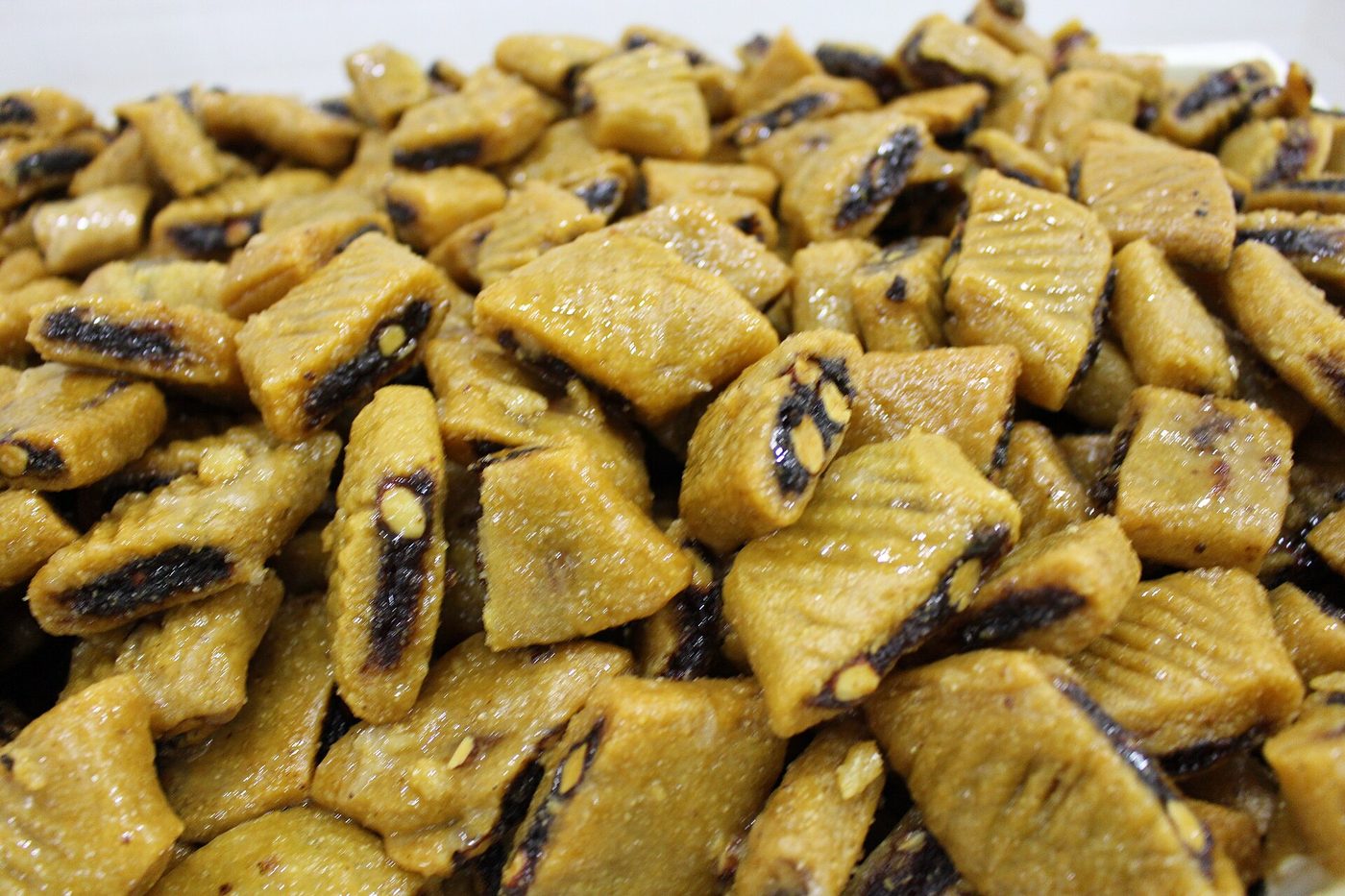
For a smart box to take home, Masmoudi is the best-known name — a patisserie founded in Sfax in 1972 and now all over the country, famous for its jewel-like petits fours studded with pine nuts and pistachio. Pastries are usually sold by weight, so you can buy a mixed 250g box and try a bit of everything for a modest sum. They travel well, and make far better souvenirs than a fridge magnet.
Know before you go: eating in Tunis
A few practicalities that smooth the way:
- Alcohol isn’t everywhere. This is a Muslim country; plenty of traditional restaurants, medina cafés and street stalls are dry. Licensed places cluster in the ville nouvelle and the coastal suburbs of La Marsa and Gammarth, where you’ll find local Celtia lager and Tunisian wine. If a drink with dinner matters, check before you sit down — and see our guide to Tunisia nightlife.
- Tipping is light and in cash. Around 10% in a sit-down restaurant is normal and appreciated; leave a dinar or two in a café. Hand it over directly, in dinars, rather than adding it to a card payment. Our Tunisia travel tips cover the etiquette.
- Ramadan changes everything by day. During Ramadan, many places close during daylight and the whole city eats after sunset, when the atmosphere is wonderful but the timings shift. Tourist-facing restaurants and hotels usually stay open through the day; smaller local spots often don’t.
- Play it safe with water and stomachs. Stick to bottled or sealed water, be a little cautious with salads washed in tap water if you’re sensitive, and choose busy stalls with a fast turnover — the crowds are the best hygiene guarantee. Our guide to whether Tunis is safe covers the practical side.
- Eat where the locals queue. The single best rule in Tunis: a place full of Tunisois at lunchtime is almost always better and cheaper than one with photos on the menu and a tout at the door.
Hungry for the wider picture? Our pillar guide to things to do in Tunisia and our note on the best time to visit both help you plan a trip built around the table.
Where to eat in Tunis: your questions answered
What food is Tunis famous for?
Tunis is famous for lablabi (a garlicky chickpea soup), brik (a crisp fried pastry with a runny egg), grilled Mediterranean fish, harissa-spiked couscous and a huge range of honey-soaked pastries. Street food and market seafood are the highlights, alongside atmospheric fine dining in the medina’s restored palaces.
Where do locals eat in Tunis?
Locals eat at market-side grills near the Marché Central, at hole-in-the-wall lablabi and brik counters in the medina and new town, and at casse-croûte sandwich stalls on every corner. For a treat they head to family bistros like Chez Slah or medina palaces such as Dar El Jeld. Follow the lunchtime queues.
What is lablabi and where can I try it in Tunis?
Lablabi is a hearty chickpea soup in a cumin-and-garlic broth, poured over torn bread and topped with a raw egg, harissa, olive oil and capers. It’s a breakfast and lunch dish, sold cheaply at steamy specialist counters throughout the medina and the working streets of the new town. Look for a local crowd.
How much does a meal cost in Tunis?
Very little by UK standards. A bowl of lablabi or a brik is a couple of dinars; a filling sandwich under 6 TND; a seaside fish lunch roughly 45–70 TND a head; and a blow-out dinner in a medina palace still well under the UK equivalent. Prices are 2026 estimates, so check current rates.
What is the best area to eat in Tunis?
The medina for atmosphere and traditional cooking, the ville nouvelle around Avenue Bourguiba for bistros and licensed restaurants, and the coastal suburbs of La Marsa and Gammarth for the best seafood with a sea view. The Marché Central area is unbeatable for cheap, fresh, market-side eating.
Can you drink alcohol in restaurants in Tunis?
In some, not all. Tunisia is a Muslim country and many traditional restaurants, medina cafés and street stalls are dry. Licensed restaurants and bars are concentrated in the new town and the coastal suburbs of La Marsa and Gammarth, serving Tunisian wine and Celtia lager. Always check before you sit down if it matters.
Is street food safe to eat in Tunis?
Generally yes, if you’re sensible. Choose busy stalls with a quick turnover, eat food that’s hot and freshly cooked, and stick to bottled water. Brik, lablabi and grilled items are cooked to order and low-risk. A little caution with tap-washed salads goes a long way if your stomach is easily upset.
What sweets and pastries should I try in Tunis?
Try makroud (date-filled semolina pastries), baklava, samsa (almond-and-sesame triangles in rosewater syrup) and kaak warka (almond rings). For a gift box, the Masmoudi patisserie chain is the smart choice. Pastries are sold by weight, so buy a small mixed selection and taste your way through.
Where can I eat seafood in Tunis?
The northern coastal suburbs of La Marsa and Gammarth are the seafood heartland, with terraced restaurants grilling the day’s catch by the water. Sidi Bou Said also has clifftop options with a view. All are a cheap, easy ride out on the TGM train from central Tunis Marine station.
What is a casse-croûte tunisien?
It’s the everyday Tunisian sandwich: half a crusty baguette packed with tuna, fiery harissa, olives, capers, hard-boiled egg and often potato, finished with olive oil. Sold on nearly every street corner for a few dinars, it’s the quickest, cheapest and most satisfying lunch in the city.
Do I need to book restaurants in Tunis?
For street food and casual lunches, never — you just turn up. For the well-known medina palaces like Dar El Jeld and popular bistros like Chez Slah, especially at weekends or for dinner, it’s worth booking ahead. Opening days and hours change, so a quick call the day before saves disappointment.
Where should I eat mint tea and pastries in Tunis?
Any pavement café on Avenue Bourguiba, a courtyard café in the medina, or a clifftop terrace in Sidi Bou Said. Order sweet green tea with pine nuts and a plate of pastries, and settle in — lingering over tea is a national pastime and one of the cheapest pleasures in the city.
Written by the Tunisia Tourism Guide team — an independent UK-focused guide to travelling in Tunisia. We don’t sell tours or take hotel commissions. Prices and advice were checked at publication; always confirm current details before you book.
Photo credits
All images via Wikimedia Commons, used with thanks: A Tunisian brik with egg and tuna frying in the © Meriemou (CC BY-SA 4.0); Produce and stalls at the Marche Central covered market in © Rais67 (Public domain); A tray of makroud © Zeinebtakouti (CC BY-SA 4.0).