By the Tunisia Tourism Guide team · Last updated 24 July 2026 · We don’t sell tours or take hotel commissions — this is independent advice, written to be useful.
Tunis catches people out. They picture a single city centre and a choice of hotels near it — then find the capital is really two places bolted together: a dense historic city around the medina, and a string of breezy seaside suburbs half an hour up the coast. Where you sleep decides which of those two holidays you get.
Where to stay in Tunis comes down to two worlds: the historic city — the atmospheric medina and the central Ville Nouvelle around Avenue Habib Bourguiba — or the coastal suburbs strung along the TGM line, chiefly Sidi Bou Said, La Marsa, Gammarth and Carthage. Sightseers pick the centre; beach and café days favour the coast.
Our wider Tunis travel guide covers what to see; this is its companion on where to sleep — the neighbourhood guide we wish existed when we first tried to book here. Honest pros and cons for each area, a few representative places to stay as illustrations, and a plain steer on which suits which kind of trip. We don’t quote live prices — Tunisian rates move about and the dinar is a closed currency — so treat any figures as rough, and check current rates before you book.
Where to stay in Tunis at a glance
Here’s the shape of it. “To the centre” means roughly how long it takes to reach the medina and Avenue Habib Bourguiba, the sightseeing core.
| Area | The feel | Best for | To the centre | Price feel |
|---|---|---|---|---|
| Medina | Historic, atmospheric, all on foot | Sightseeing, character, culture | You’re in it | Mid; few high-end |
| Ville Nouvelle (Bourguiba) | Faded grand avenues, very central | Transport, budget, first-timers | You’re there | Budget–mid |
| Sidi Bou Said | Pretty, upmarket, touristy | Couples, looks, quiet nights | ~25–30 min by TGM | Higher |
| La Marsa | Leafy, seaside, café culture | Local life, longer stays | ~35 min by TGM | Mid–higher |
| Gammarth | Beach resorts, spas, quiet | Beach comfort, families | ~30–40 min by taxi | Higher |
| Carthage | Residential, calm, near ruins | History lovers, couples | ~25 min by TGM | Mid–higher |
| Berges du Lac | Modern, safe, business district | Late flights, business, families | ~15 min by taxi | Mid–higher |
The single most useful thing to understand is the TGM — the Tunis–Goulette–Marsa light rail — which threads the coastal suburbs onto the city centre for a fare of under a dinar. It means you can sleep by the sea and still be in the medina in half an hour, which is why so many visitors base themselves on the coast. More on that below.
The Medina: dars and guesthouses with soul
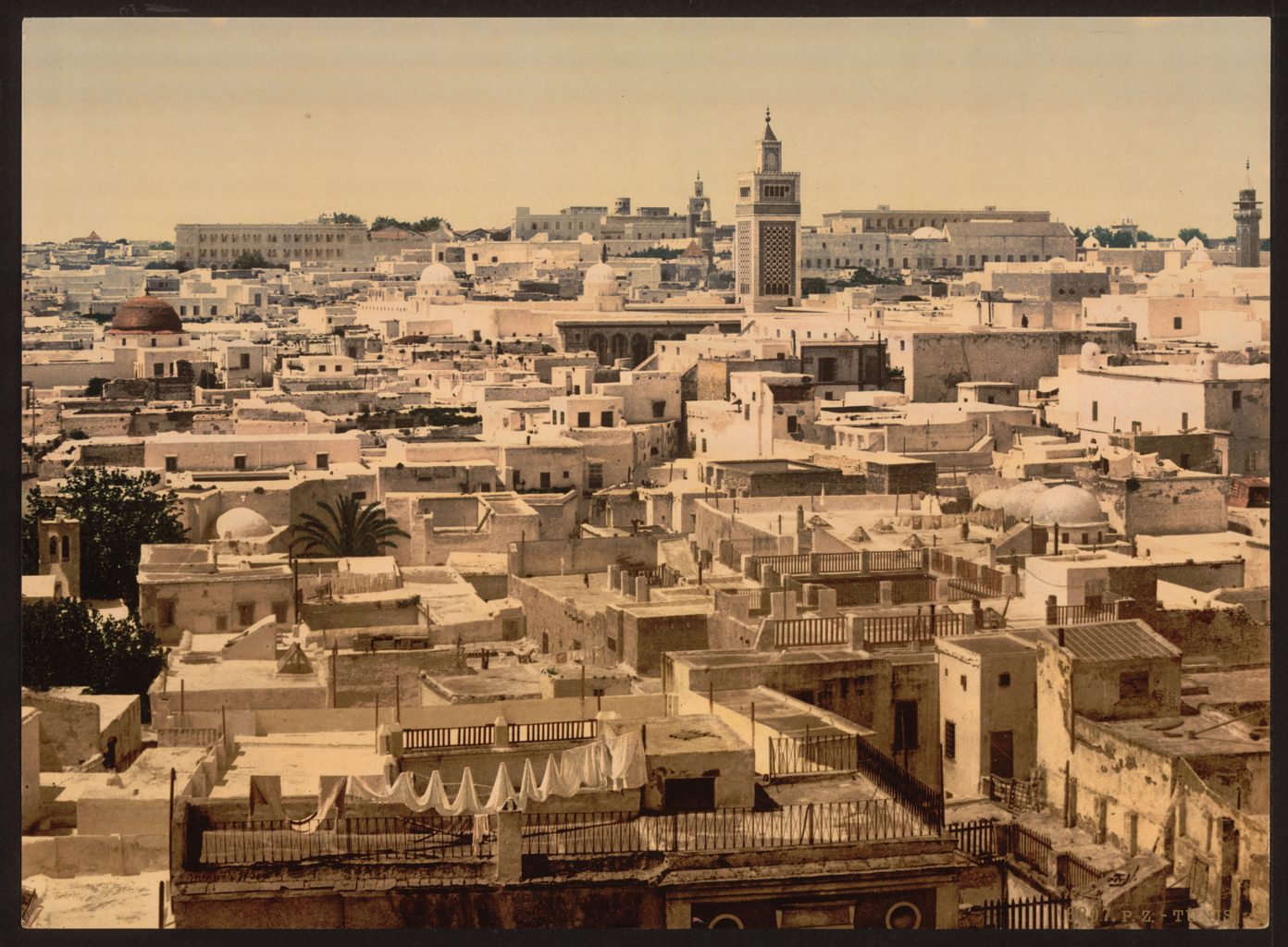
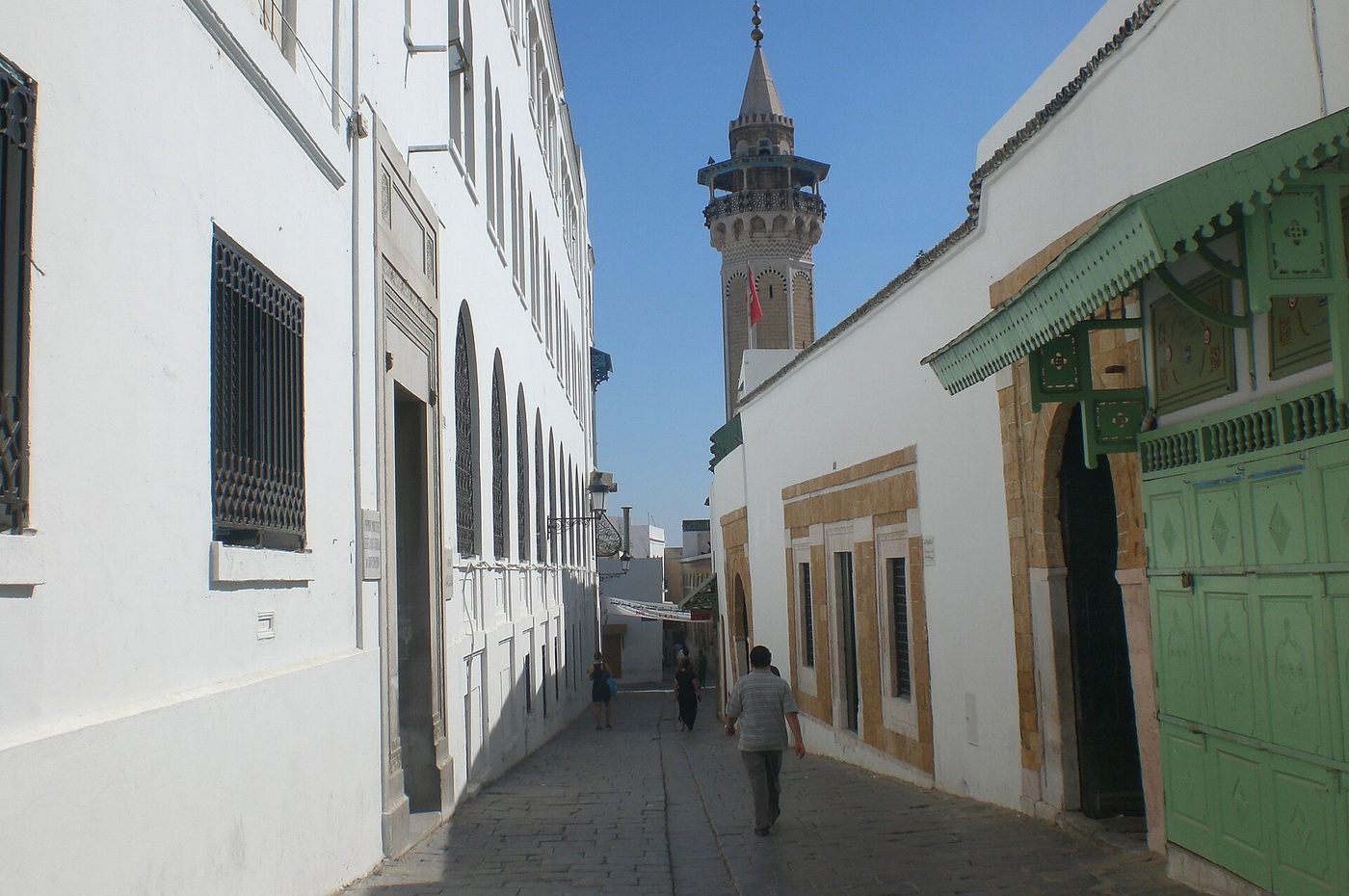
If your Tunis is about souks, monuments and atmosphere, sleep inside the medina. The old walled city — UNESCO-listed since 1979 and one of the best-preserved in the Arab world — is a warren of lanes around the great Zitouna Mosque, and waking up in the middle of it is an experience in itself. You’re on foot to everything that matters, minutes from Avenue Habib Bourguiba and a short ride from the Bardo.
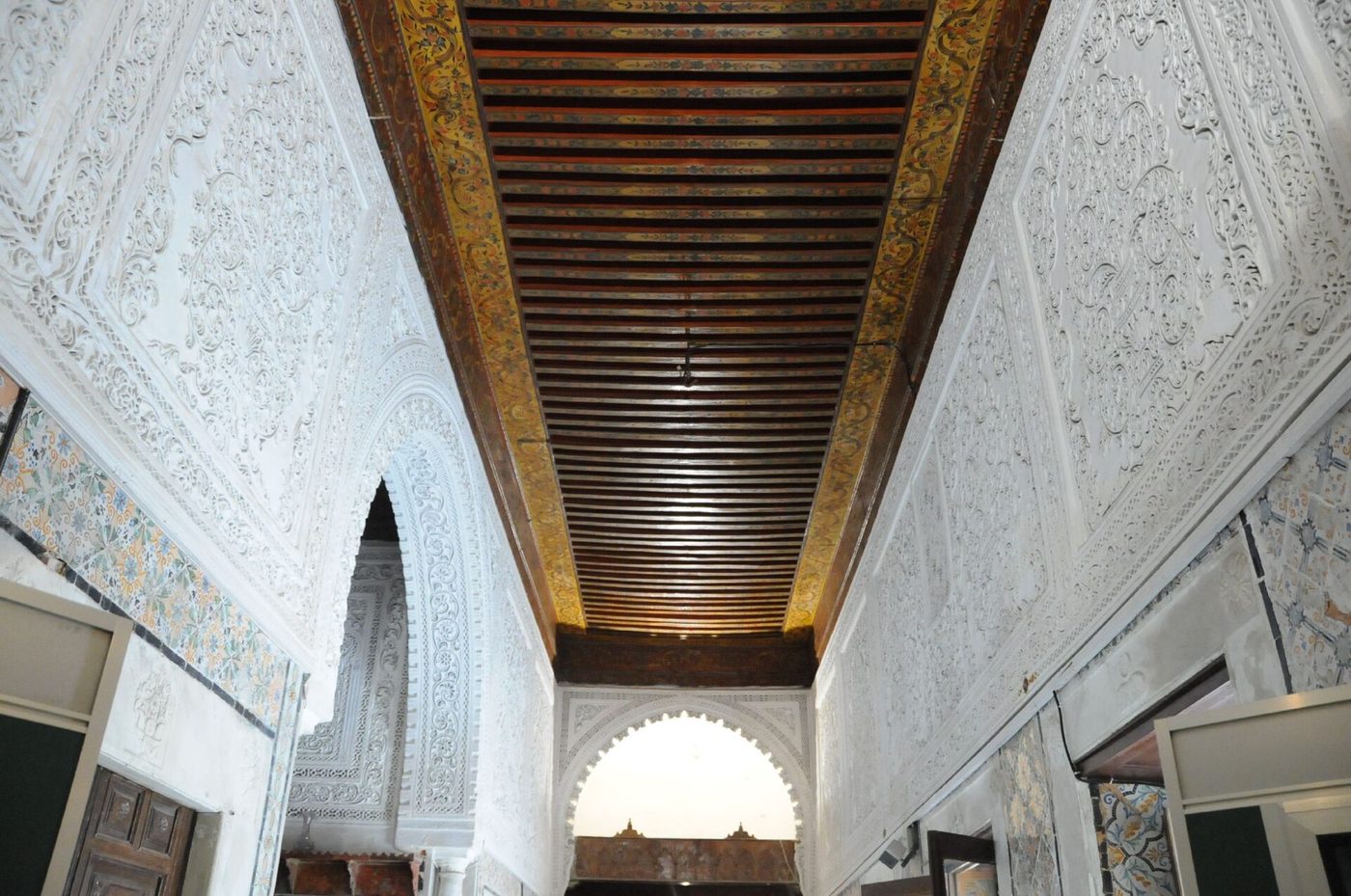
The places to stay here are the real draw: restored dars, the traditional courtyard townhouses, turned into intimate guesthouses. Two we’d hold up as the type to look for are Dar Ben Gacem, a pair of lovingly restored houses run as a social enterprise that ploughs profits back into the old city, and Dar El Medina, a long-standing family-run dar hotel. Both are characterful in a way no chain can fake — tiled courtyards, rooftop terraces, breakfast under the arches.
Be clear-eyed about the trade-offs, though. Cars can’t drive down the lanes, so arrivals mean meeting someone and wheeling your case over cobbles — choose a place that sends clear directions or a guide. The medina is lively by day and can fall quiet and slightly disorientating after the souks close. And if you’re a light sleeper, rooms near a mosque will hear the pre-dawn call to prayer. None of that is a dealbreaker; it’s simply the texture of staying somewhere real. Our Tunis medina guide covers what to see once you’re inside, and the Bardo Museum is an easy add-on.
The Ville Nouvelle: central and convenient
The Ville Nouvelle — the “new town” the French laid out around Avenue Habib Bourguiba — is the practical, unglamorous choice, and for a lot of trips it’s the right one. This is the transport hub: the TGM to the coast leaves from Tunis Marine at the avenue’s sea end, the main train station and the louage stations are close, and the medina begins where the avenue does. For a short, sightseeing-led stay with day trips attached, nothing beats it for convenience.
Accommodation here is mostly business and mid-range hotels rather than anything with soul. The landmark is the tall tower on the avenue long known as the Hotel Africa (latterly the Laico / El Mouradi Africa), an easy navigational anchor; the mid-range Hôtel Carlton sits right on Bourguiba too, and there are plenty of serviceable three- and four-star options around it.
The honest note: the avenue is grand but frayed, and while the main drag is busy and fine by day, some side streets feel grittier after dark, as in any big-city centre. Keep your wits about you at night, stick to well-lit streets, and you’ll be perfectly comfortable — this is a heavily policed central boulevard, not a no-go zone. For the fuller picture, see our guide to whether Tunis is safe. Eating is easy here too; our where to eat in Tunis guide has the spots.
The coastal suburbs: sea, cafés and the TGM
Now for the other Tunis. North of the city, past the ancient site of Carthage, the coast unspools into a run of seaside suburbs that feel a world away from the medina’s intensity — whitewashed villages, café terraces, beaches and a slower pulse. They’re linked to the centre by the TGM, so you don’t have to choose between coast and culture; you can have both. This is where we’d point most first-timers who want a bit of everything.
The four to know, running north along the line, are Carthage, Sidi Bou Said, La Marsa and — just off the TGM — Gammarth. Each has a distinct character, and choosing between them is mostly a question of how lively or how quiet you want your evenings, and how much you’re willing to pay for a sea view.
Sidi Bou Said: the pretty one
The famous blue-and-white village perched on its cliff is as lovely to stay in as it is to visit — and, inevitably, the priciest and most touristy patch of coast. Wake up here and you get the place at its best: quiet cobbled lanes and sea views before the day-trippers arrive, and cafés with a Gulf-of-Tunis panorama once they’ve gone. Boutique stays like Dar Saïd, a converted mansion of courtyards and jasmine, and La Villa Bleue, a small clifftop hotel with a pool and sweeping sea views, are the sort of thing on offer.
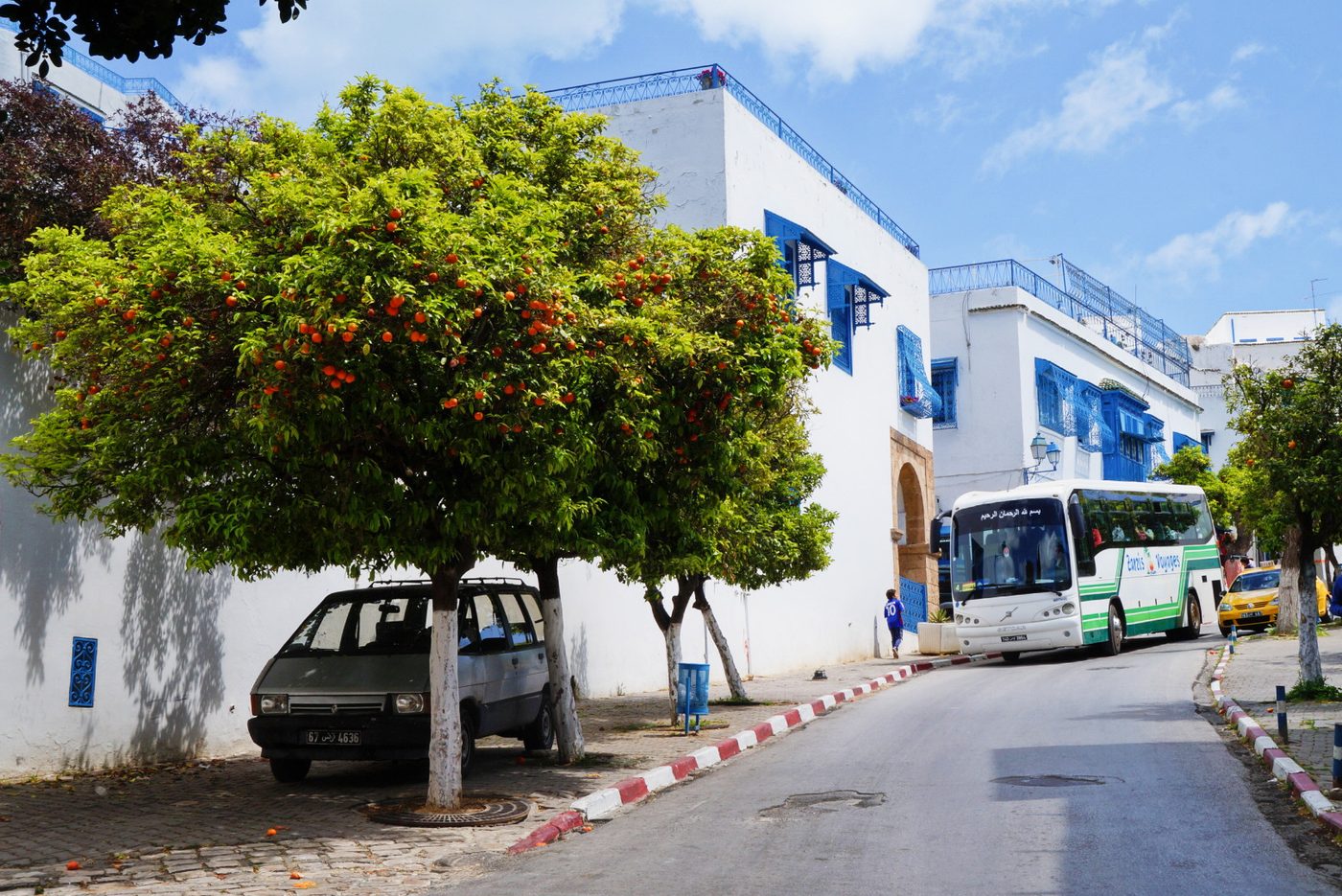
It’s a romantic, good-looking base for couples who value atmosphere over nightlife, and it’s a short TGM hop from both Carthage and La Marsa. The catch is simply cost and, by day, crowds. We’ve written it up fully in our Sidi Bou Said guide.
La Marsa: local life by the sea
Just up the line, La Marsa is our pick of the coast for a longer, live-like-a-local stay. It’s a leafy, well-heeled seaside town with a genuine café culture along its corniche, a market, restaurants and a beach that fills with Tunisois families at weekends. It’s popular with expats and diplomats, which tells you something about the quality of life, and it stays lively into the evening without ever feeling like a resort strip.
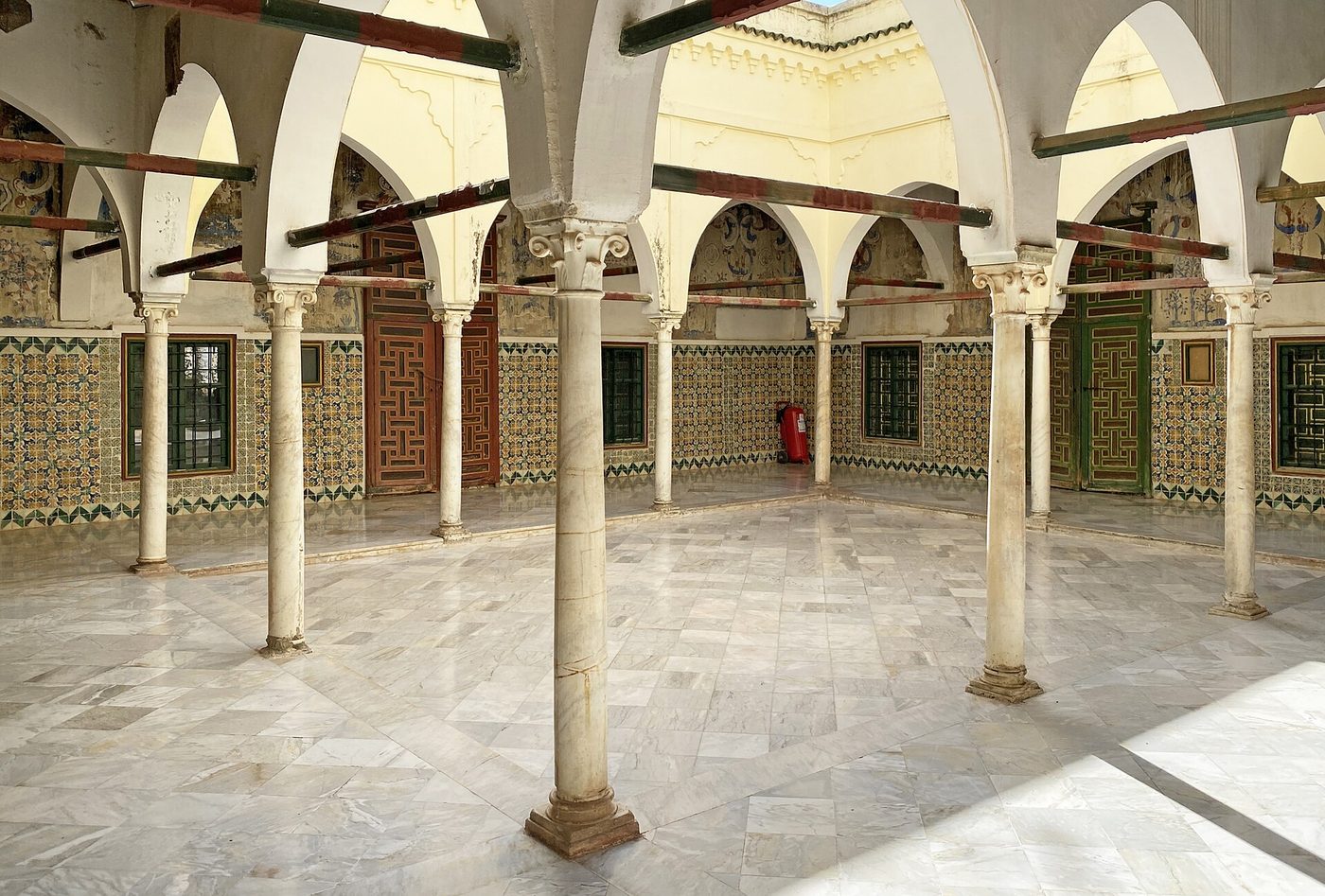
Accommodation runs from smart guesthouses and holiday apartments to a few larger hotels, and because it’s a real town rather than a beauty spot, you tend to get more for your money than in Sidi Bou Said next door. The TGM terminates here, so central Tunis is a direct, if leisurely, ride away. For beach context up and down the country, see our Tunisia beaches guide.
Gammarth: beach resorts and spas
Round the headland from La Marsa, Gammarth is where Tunis goes for a proper resort stay: five-star hotels along the sand, beach clubs, thalassotherapy spas and a marina, with far less local bustle and far more comfort. This is the address for a relaxed, low-logistics beach holiday where you barely need to leave the grounds — think The Residence Tunis, a low-slung Arab-Andalusian pile with a private beach, golf and a big spa, or the Mövenpick Hotel Gammarth Tunis overlooking the bay.
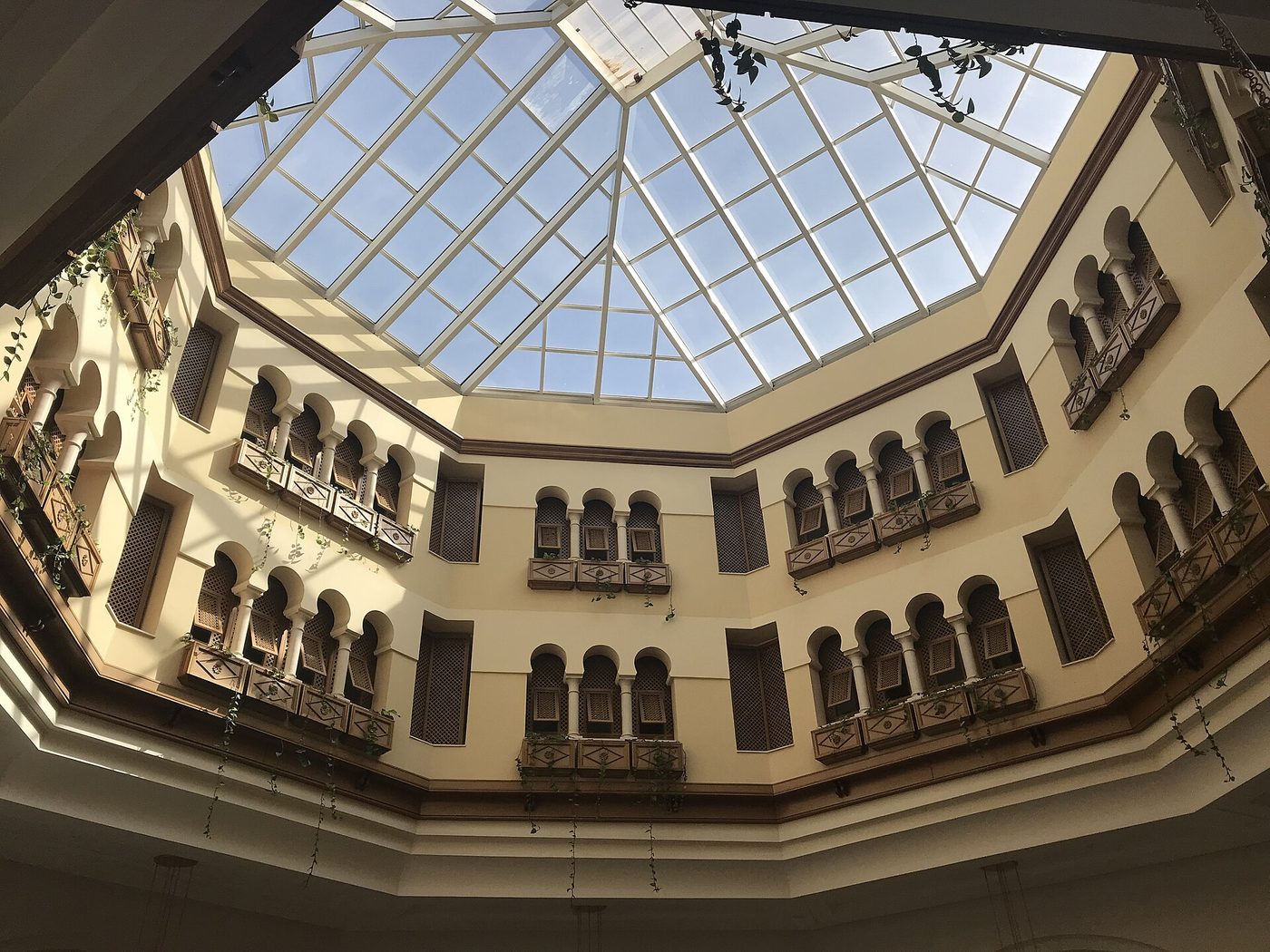
The trade-off is that Gammarth is set apart from everyday life and, crucially, the TGM doesn’t reach it — you’ll rely on taxis (cheap, but you’ll use them) or the hotel shuttle to get around. For families and anyone whose priority is unwinding by the sea with the airport close by, that’s a price worth paying. If you’re travelling with children, our Tunisia with kids guide has more on family-friendly bases.
Carthage: quiet, upmarket and steps from the ruins
Between the centre and the pretty villages, Carthage itself is a calm, green, residential suburb of villas dotted among the ancient sites. Staying here means having the Antonine Baths, the ports and the Byrsa Hill museum almost on your doorstep, with the sea close and the crowds thin. It’s spread out and upmarket, with characterful guesthouses and villa rentals rather than big hotels, and the TGM stops run right through it. Evenings are quiet, though, so expect to hop a stop or two to La Marsa or Sidi Bou Said for dinner.
We’d steer history lovers and couples after quiet here — it’s a serene base, if a slightly sleepy one, and it pairs naturally with our guides to Carthage and to the best day trips from Tunis.
Berges du Lac: modern, safe and near the airport
One more area worth knowing, even if it isn’t romantic: Berges du Lac, the modern business district built out over the lake. Wide boulevards, contemporary hotels, malls and embassies — it’s the least characterful part of Tunis, but it’s secure, well-equipped and, above all, close to Tunis-Carthage airport (about 5 km, under 15 minutes by taxi). International business hotels and a Mövenpick sit out here.
It earns its place for two situations: a very early flight or a late-night arrival when you just want a comfortable, reliable bed near the airport; and business travellers who need to be among the offices. For a sightseeing holiday it’s the wrong base — you’ll be taxiing everywhere — but for pure convenience it does the job.
Should you split your stay?
If you have four nights or more, it’s worth considering two bases. The medina and the coast are such different experiences that many of our readers spend a night or two inside the old city — for the souks, the monuments and the atmosphere — then move out to La Marsa or Sidi Bou Said to wind down by the sea for the rest of the trip. The TGM makes the switch painless, and you end up with the best of both Tuniases rather than compromising on one. It’s a little more faff and one extra check-in, but for a first, fuller visit it’s honestly how we’d do it ourselves.
Which area is best for…?
If you’d rather just be told, here’s our plain steer by trip type.
| Your trip | Stay in… | Why |
|---|---|---|
| First-timers, sightseeing-led | Ville Nouvelle or the Medina | On foot to the medina and souks; TGM and stations on the doorstep |
| Character and culture | The Medina | Sleep inside the old city in a restored dar |
| Beach and relaxation | Gammarth (or La Marsa) | Resorts, spas and sand, with the airport close |
| Café culture and local life | La Marsa | A real seaside town, good value, lively evenings |
| Romance and photos | Sidi Bou Said | The prettiest setting, best enjoyed early and late |
| Families | Gammarth or Berges du Lac | Space, comfort, pools and airport proximity |
| Late or early flights | Berges du Lac | Modern hotels minutes from the airport |
On nightlife, set expectations: Tunis is not a party capital, and what evening buzz there is clusters in the coastal suburbs — La Marsa’s bars and restaurants, and the beach clubs around Gammarth — rather than the centre, which winds down early. Our Tunisia nightlife guide sets the tone. For how Tunis fits a wider trip, our Tunis itinerary and the national where to stay in Tunisia guide help you join the dots.
Know before you book
A few practical things that quietly shape a Tunis stay:
- Prices move — so check. We’ve deliberately not quoted nightly rates. They swing with the season (the coast peaks in July–August) and the dinar is a closed currency you can only get on arrival, so always confirm the current price when you book. Reckon on roughly £1 to 3.8–3.9 TND as a guide.
- Match the base to the plan. Sightseeing every day? Stay central. Beach most days with the odd trip in? Stay on the coast and use the TGM.
- Learn the TGM. It runs from Tunis Marine through La Goulette, Carthage and Sidi Bou Said to La Marsa, cheaply and often. It’s the key to a coastal base — but note it doesn’t serve Gammarth. Our getting around Tunisia guide has the detail.
- Medina arrivals need a plan. No cars in the lanes, so pick a guesthouse that arranges to meet you and carry bags.
- Airport is close to everything. Tunis-Carthage sits between the centre and the coast, 15–20 minutes from most bases by taxi — handy, but agree the fare or insist on the meter.
- Time your visit. Spring and autumn are loveliest for the city and the sea is warm into October; see our best time to visit guide.
Where to stay in Tunis: your questions answered
Where is the best area to stay in Tunis?
There’s no single best area — it depends on your trip. For sightseeing, stay central in the Ville Nouvelle or the medina, on foot to the souks and monuments. For a beach-and-café holiday, base yourself on the coast at La Marsa, Sidi Bou Said or Gammarth and use the TGM to reach the centre. Many visitors happily combine both.
Is it better to stay in the Tunis medina or on the coast?
The medina is atmospheric and central for sightseeing, but noisier, harder to reach by car and short on high-end hotels. The coastal suburbs are relaxed and seaside, with the city half an hour away on the TGM. Choose the medina for culture and character, the coast for beaches, cafés and comfort.
Where should first-time visitors stay in Tunis?
First-timers who want to see the sights are usually best in the Ville Nouvelle around Avenue Habib Bourguiba: you’re walkable to the medina, and the TGM, trains and louage stations for day trips are all close. If you’d rather mix beach with culture, La Marsa on the coast is a comfortable, well-connected alternative.
Is La Marsa a good place to stay in Tunis?
Very much so, and it’s our pick for a longer stay. La Marsa is a leafy seaside town with a strong café culture, a beach, good restaurants and better value than pricey Sidi Bou Said next door. It’s popular with expats, stays lively in the evening, and the TGM runs straight into central Tunis.
Where should I stay in Tunis for the beach?
Head to the northern coast. Gammarth has the resort hotels, spas and quiet sand for a low-effort beach stay, while La Marsa offers a livelier town beach with more local life. Sidi Bou Said is prettier but less about swimming. Bear in mind the TGM doesn’t reach Gammarth, so you’ll use taxis there.
How do you get from the coastal suburbs to central Tunis?
The TGM light rail links La Marsa, Sidi Bou Said, Carthage and La Goulette to Tunis Marine station at the end of Avenue Habib Bourguiba, cheaply and frequently — around 25–35 minutes end to end. It’s the easiest way to combine a seaside base with city sightseeing. Gammarth is the exception and relies on taxis.
Do you need a car to stay in Tunis?
Not usually. In the medina, the Ville Nouvelle and along the TGM — Carthage, Sidi Bou Said and La Marsa — you can manage happily on foot, by cheap taxi and by light rail. A car helps most if you’re basing yourself in Gammarth or Berges du Lac, or planning several inland day trips; otherwise it’s more hassle than help.
Where should I stay near Tunis airport?
Berges du Lac is the closest convenient area, about 5 km and under 15 minutes from Tunis-Carthage airport, with modern, reliable hotels. It’s ideal for a late arrival or early departure. The coastal suburbs and the city centre are also only 15–20 minutes away by taxi, so airport proximity rarely dictates your whole choice.
Is the Tunis medina safe to stay in?
Yes, broadly — the medina is a living neighbourhood and staying in a reputable guesthouse is a well-trodden experience. As anywhere, keep valuables discreet and take normal care in quiet lanes at night. The bigger practical points are noise and access rather than safety. See our dedicated guide on whether Tunis is safe for the full picture.
Where should I stay in Tunis for nightlife?
Tunis is fairly low-key after dark, and what nightlife there is sits on the coast rather than in the centre. La Marsa has the liveliest concentration of bars and restaurants, and Gammarth has beach clubs and hotel bars. The city centre winds down early, so base yourself in the northern suburbs if evenings out matter.
Where is best to stay in Tunis with family?
For families, the coast usually wins: Gammarth for resort hotels with pools, beaches and space, or Berges du Lac for modern, well-equipped hotels near the airport and malls. Both are calmer and roomier than the dense centre. La Marsa suits families who want a real town with a beach and easy TGM access to the sights.
How much do hotels in Tunis cost?
Rates vary widely by area and season, and we don’t quote fixed prices because they change and the dinar is a closed currency you obtain on arrival. As a rule, the medina and Ville Nouvelle are cheaper, the coastal suburbs and Gammarth resorts dearer, and summer costs more on the coast. Always check current rates before booking.
Written by the Tunisia Tourism Guide team — an independent UK-focused guide to travelling in Tunisia. We don’t sell tours or take hotel commissions. Prices and advice were checked at publication; always confirm current details before you book.
Photo credits
All images via Wikimedia Commons, used with thanks: The ornately decorated interior of Dar Ben Abdallah © T A (CC BY-SA 2.0); The blue-and-white clifftop village of Sidi Bou Said above the © Rene Cortin (CC BY-SA 4.0); The Ahmed Bey Palace in La Marsa © Bernard Gagnon (CC BY 4.0); The glass-roofed atrium of a resort hotel at Gammarth © Benoît Prieur (CC0).

One response to “Where to Stay in Tunis: Medina, Centre or the Coast”
[…] unpolished slice of daily life. It’s a short walk from most new-town hotels; see our guide to where to stay in Tunis for how the neighbourhoods […]