By the Tunisia Tourism Guide team · Last updated 2 July 2026 · We don’t sell tours or take hotel commissions — this is independent advice.
If we had to pick a single month to send a first-time visitor to Tunisia — someone who wants to see the Roman ruins, spend a night in the Sahara and still enjoy some sun without frying — April would be near the top of the list. Yet people hesitate over it, usually worrying it’ll be too cold, or that the sea won’t be swimmable, or that the Easter school holidays will make it a scrum. So let’s settle it.
Here’s the honest verdict. Tunisia in April is one of the best months of the year to visit, with warm, largely dry spring days averaging around 22°C, long sunshine hours, wildflowers and near-perfect touring conditions for the Roman sites and the Sahara. The one catch is the sea: at roughly 17–18°C it’s warming but still brisk for a proper swim.
In other words, if your holiday is about sightseeing, exploring and getting good value before the summer heat and prices arrive, April is close to ideal. If it’s strictly about long days swimming in a warm sea, you’ll want to wait a little longer. Below we’ll walk through exactly what to expect — early versus late April, day and night temperatures, how realistic swimming is, rain and daylight, crowds and the Easter effect, the best regions, and what to pack. If you’re comparing months, our full best time to visit Tunisia guide sets April against the rest of the calendar.
Tunisia in April at a glance
A quick snapshot before the detail. These are coastal averages for the Hammamet–Sousse belt where most UK visitors stay; spring can still vary year to year, so check the forecast closer to your dates.
| What to expect | April on the coast |
|---|---|
| Average daytime high | Around 22–24°C |
| Average overnight low | Around 12–15°C |
| Sea temperature | Around 17–18°C — warming, but brisk for a full swim |
| Rainfall | Low; often only a day or two of rain all month |
| Daylight | Around 13 hours; sun setting near 7pm by late April |
| Crowds & prices | Quiet, apart from an Easter-week bump; still good value |
The short version: pack for pleasantly warm days and mild evenings, with barely any need to worry about rain, and you’ll have the country’s best sights in comfortable weather and light crowds.
Is Tunisia warm in April?
Yes — comfortably so, and that’s exactly what makes it such a good touring month. Coastal daytime highs average around 22°C, sometimes nudging 24°C, with the kind of long, bright, dry days that make being outdoors a pleasure rather than an endurance test. It’s the first month where the summer’s warmth starts to show its hand, but without the fierce heat of July and August that turns a walk round a Roman site into hard work.
Evenings are mild rather than balmy. Once the sun goes down the temperature eases to around 12–15°C — pleasant enough to sit out with a light layer, cooler than a Mediterranean summer night but a world away from the chill of early spring. You’ll want a jumper or light jacket for the evenings and, if you’re heading inland or into the desert, something warmer still.
There’s a noticeable difference between the start and end of the month, which the averages smooth over — and it’s worth knowing when you’re choosing your week.
Early April versus late April
Early April still carries a little of March’s freshness. Days are warm and mostly dry, but the odd cooler, breezier spell can appear, and evenings have more of a nip. It’s lovely for sightseeing, just not quite shorts-all-evening weather.
By late April the season has properly turned. Days are reliably warm, the light stretches out towards a 7pm sunset, and the whole country feels summery-in-waiting — greener, brighter and buzzier. The sea is at its warmest for the month by then, too, though still on the cool side. If you have a choice and want the warmest, longest days, the back half of April is the sweet spot. And if you’re weighing April against the month before, our guide to Tunisia in March lays out how the two compare.
Can you swim in Tunisia in April?
You can — but you’ll feel it. This is the honest caveat on an otherwise near-perfect month. The Mediterranean warms up slowly, lagging well behind the air, so even as afternoons hit the low 20s the sea is only around 17–18°C in April. That’s brisk: cool enough to make you gasp on the way in, and too cold for most adults to want a long, relaxed swim.
That said, it’s a different story from March’s genuinely cold water. Plenty of people — especially children, who seem impervious to it, and anyone used to British seas — will happily splash about, and once you’re in and moving on a sunny day it’s perfectly bearable for a quick dip. Hotel pools, many of them heated, pick up the slack for proper swimming. So April is swimmable in the sense that a hardy family can enjoy the beach and the shallows; it’s not swimmable in the sense of long, warm-water lounging. If a genuinely warm sea is the whole point of your trip, you’ll want later in the season — our Tunisia beaches guide explains when the water really warms up.
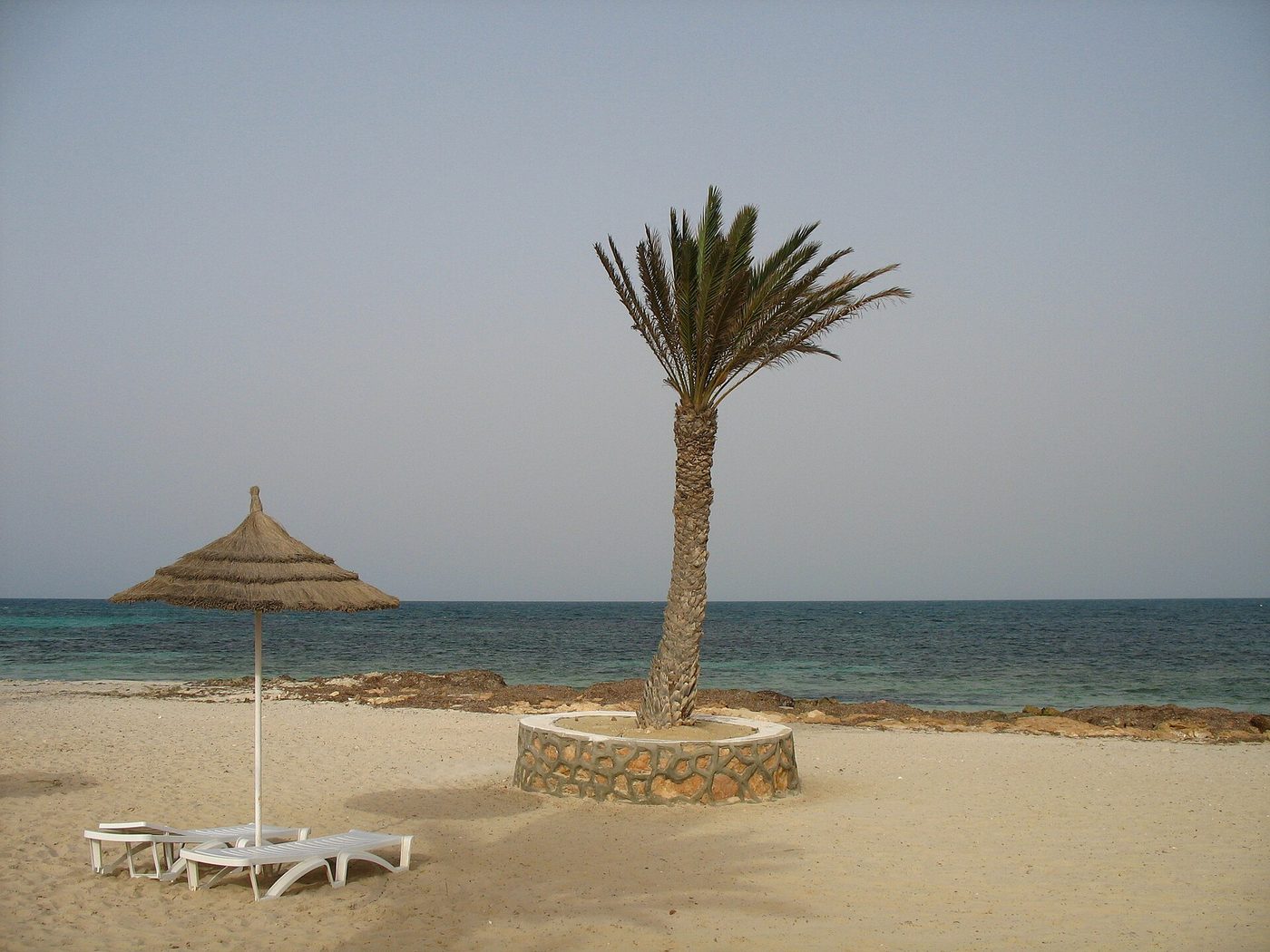
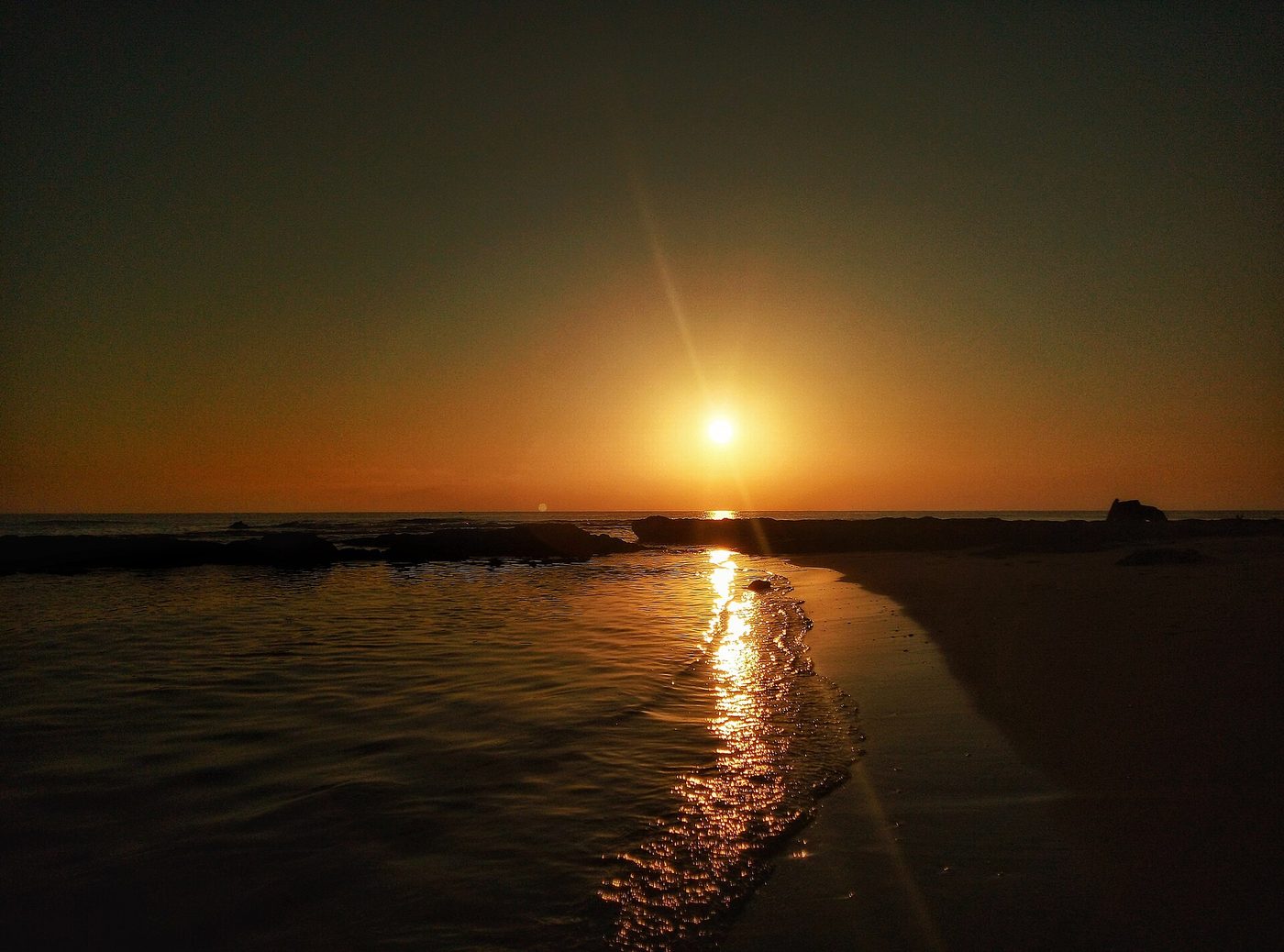
The upside of April’s cooler sea is everything else: the beaches are clean, uncrowded and lovely for walking, the light is beautiful, and you can happily combine a coastal base with the sightseeing that April does so well.
Rain, daylight and sunshine in April
April is one of the driest and sunniest months of the Tunisian spring. Rainfall drops right back — many years bring only a day or two of rain across the whole month — so the chance of a washed-out day is low, and you can plan excursions with real confidence. It’s a marked improvement on the showery edges of March.
Daylight is generous, too. By April you’re looking at around 13 hours of it, with the sun not setting until close to 7pm by the end of the month and plenty of bright sunshine hours in between. That combination — long days, dry weather, comfortable warmth — is exactly why April is such a productive sightseeing month: you can fit a lot into a week without ever feeling rushed or overheated. Add the wildflowers that carpet the countryside and even the desert fringes after the winter rains, and the landscapes are at their most photogenic.
Crowds, prices and the Easter effect
For most of April, Tunisia is still enjoyably quiet and good value — you’ll find the big sights uncrowded and prices well below the summer peak. There’s one exception to plan around: Easter.
Easter falls in spring, but its exact date moves each year — sometimes late March, sometimes well into April — so it doesn’t land in the same week annually. When it does fall in April, it brings a noticeable bump in demand: UK and European school holidays send more families abroad, and Tunisia’s resorts and flights get busier and dearer for that stretch. It’s nothing like the summer crush, but if your dates coincide with the Easter break, expect to book earlier and pay a little more, and the resorts to feel livelier. (Check exactly when Easter falls for your year of travel and decide for yourself: ride the buzz or dodge it.)
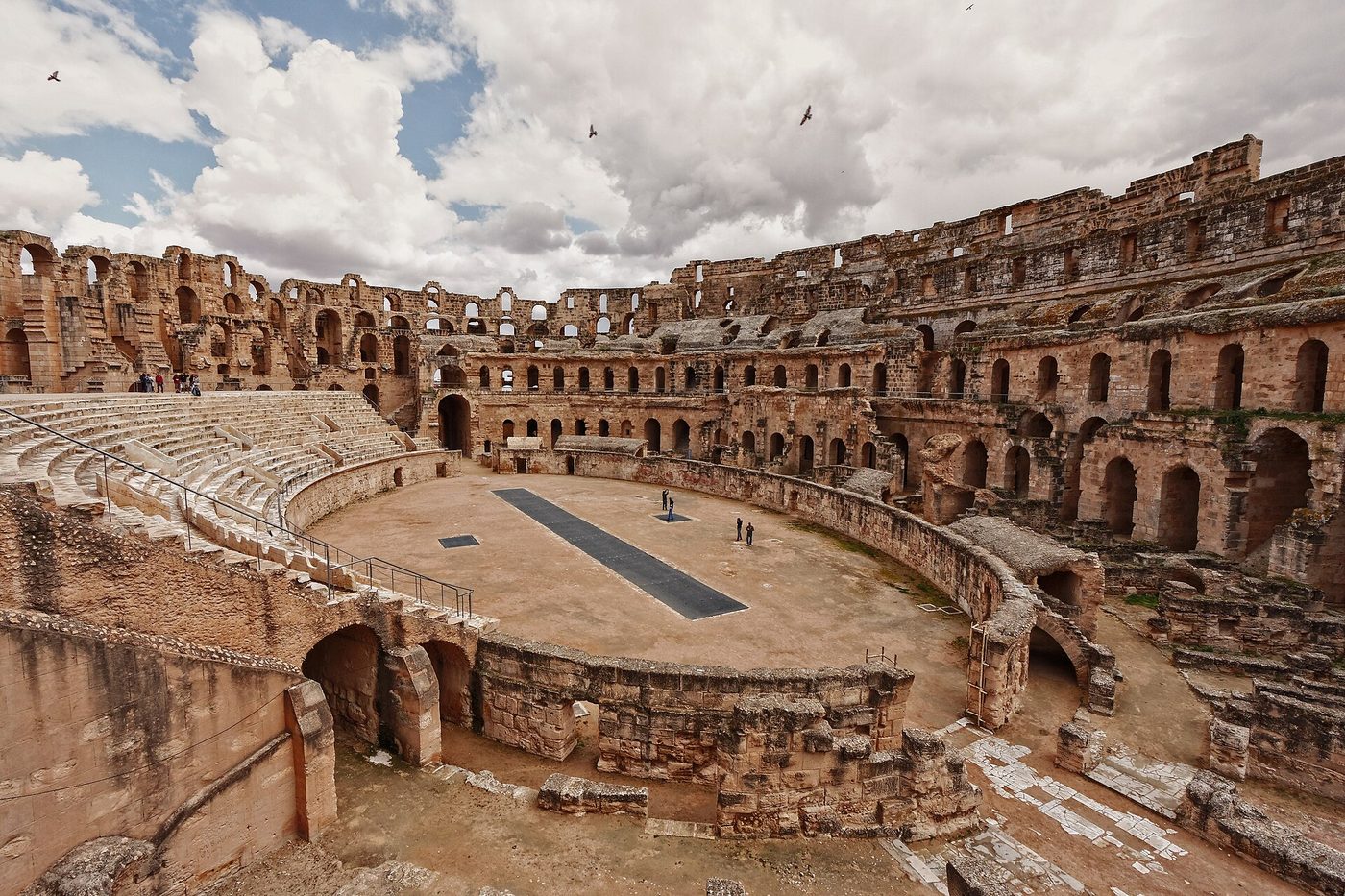
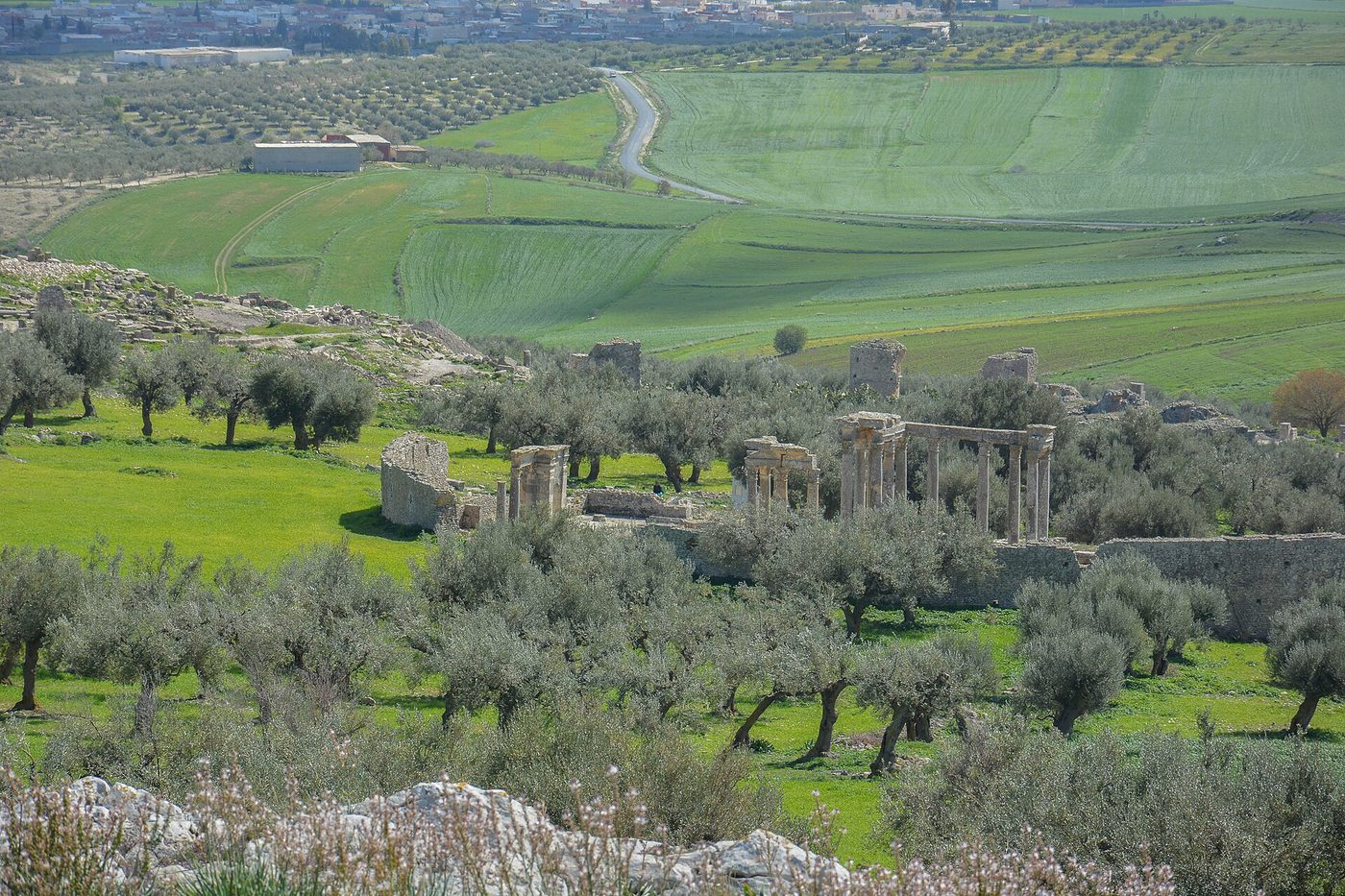
Outside that Easter window, April keeps the best of the shoulder season: calm sites, available restaurant tables, less vendor hassle and keen prices. The great Roman monuments — El Djem, Carthage, Dougga — reward an April visit precisely because you can wander them in warm, dry weather without the coach parties, which in high summer is a rare luxury. Our guide to the Roman ruins in Tunisia picks out the ones most worth your time.
April region by region
April flatters just about every part of Tunisia, but each region has its own case to make. Here’s how to choose your base.
Hammamet and Sousse — the all-rounder base
The familiar UK resort belt around Hammamet and Sousse is the natural pick for a first April trip. You get warm, dry days for lounging and beach walks, a sea that the brave (and the kids) can dip into, and — crucially — the best transport links for day trips. El Djem is an easy excursion, Sousse’s walled medina is on the doorstep, and the capital is within reach. Many hotels here have heated pools and spas to make up for the cool sea, so it’s an easy, comfortable base that keeps every option open.
Djerba — warm, bright and relaxed
The southern island of Djerba tends to run a touch warmer, drier and brighter than the northern coast, which makes it a lovely April choice for reliable sunshine and a slower pace. The sea is still brisk, but the island’s flat lanes are made for cycling between whitewashed villages, and the light is glorious. It’s the pick if you want the warmest, sunniest weather April can offer and are happy to fly into Djerba directly.
Tunis and Carthage — culture in perfect weather
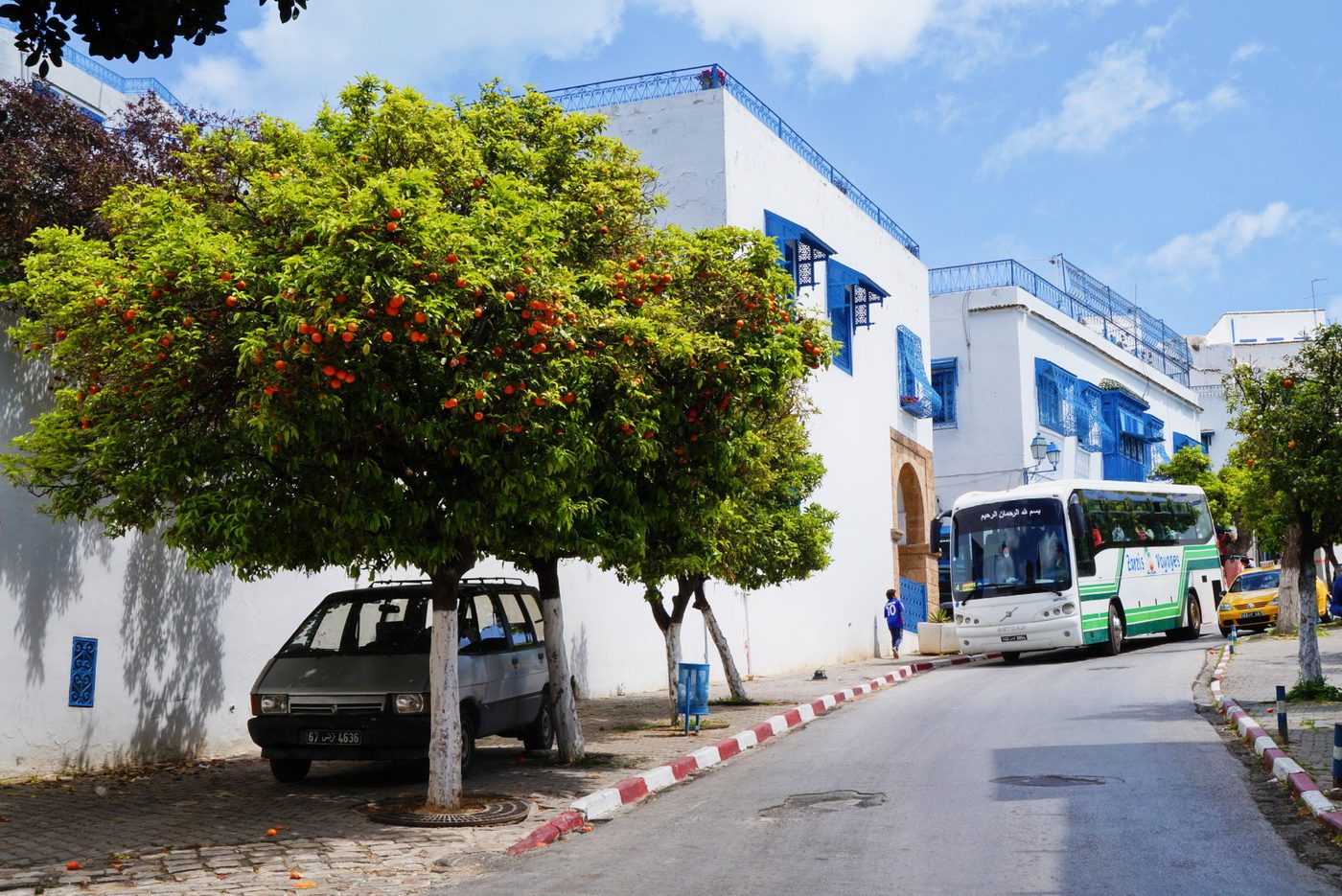
April is arguably the finest month for the capital. Tunis in spring is warm but never oppressive, ideal for exploring the medina, the mosaic-filled Bardo Museum, and the sea-fringed ruins of Carthage just outside the city. The blue-and-white cliff-top village of Sidi Bou Said is at its prettiest in April’s light and warmth, before the summer crowds descend. Pair a couple of days here with a coastal base and you’ve got the best of both.
The Sahara at Tozeur and Douz — near-perfect timing
If you want to see the desert, April is close to the ideal moment. The Sahara around Tozeur and Douz is in the last, comfortable stretch of its touring season — which runs roughly October to April, because summer out there is dangerously hot, often 40°C and beyond. In April the desert days are warm and sunny but not yet brutal, perfect for camel treks, 4×4 runs across the vast Chott el Jerid salt flats and visits to the mountain oases and film sets. Nights are milder than in deep winter but can still be cool, so bring a layer for a desert camp. After the spring rains you may even catch wildflowers blooming among the dunes. It’s one of Tunisia’s great experiences — our Tunisia Sahara desert guide covers how to do it, and film fans should see our Star Wars filming locations guide, since several sets sit out this way. If you leave a desert trip much later than April, the rising heat starts to close the season.
What to do in Tunisia in April
April’s warm, dry, long days open up practically the whole country. A shortlist of what works best this month:
- Tour the Roman ruins. El Djem, Carthage, Dougga and Bulla Regia in comfortable spring warmth, still refreshingly uncrowded outside Easter week.
- Spend a night in the Sahara. This is the tail end of the desert season and a superb time for a camel trek and a night under the stars at Douz or Ksar Ghilane.
- Explore Tunis and Carthage. The Bardo mosaics, the medina, Sidi Bou Said and the Carthage ruins make a rich two- or three-day cultural run in perfect weather.
- Enjoy the beach — as scenery. Warm, dry days for sunbathing and long walks; a dip for the hardy, with heated pools for proper swims.
- Wander the medinas. Sousse and Kairouan’s old quarters are a pleasure to explore before the summer heat and crowds.
- Chase the wildflowers. Spring blooms across the countryside and desert fringes make April a photographer’s month.
- Eat well. Warm-but-not-hot weather is made for long lunches — our Tunisian food guide points you at the best of it.
For the full range of options, browse our things to do in Tunisia guide, and if you’d like a ready-made route that strings the highlights together, the Tunisia itinerary guide does the planning for you. April’s mild weather and long days make it an especially good month to combine a beach base with two or three excursions.
What to pack for Tunisia in April
Pack for warm days and mild evenings, with a nod to the odd cooler spell and the cold desert nights. The essentials:
- Light, warm-weather clothes. T-shirts, shorts and summer dresses for the daytime.
- A jumper or light jacket. For mild evenings, which still cool off after dark.
- Sun protection. The spring UV is stronger than it feels — bring sun cream, sunglasses and a hat.
- Comfortable walking shoes. You’ll cover ground at ruins, medinas and in the desert.
- A swimsuit. For the beach (if you’re hardy), and for the hotel’s heated pool and spa.
- Warm layers for the desert. A fleece, hat and closed shoes if you’re overnighting in the Sahara.
- A light rain layer. Rare in April, but a packable jacket covers the occasional shower.
- Modest options. Handy for visiting mosques and religious sites; see our Tunisia travel tips for the etiquette.
Who April suits — and who it doesn’t
April is one of the most broadly appealing months, but it still pays to match it to the traveller.
| April is great for… | April is less ideal for… |
|---|---|
| Sightseers wanting warm, dry weather and long days | Anyone set on long swims in a genuinely warm sea |
| History lovers touring the Roman ruins | Sun-worshippers wanting to bask in peak-summer heat |
| Sahara-curious travellers (near the end of desert season) | Party-goers after a full-on summer resort scene |
| Families happy with a brisk sea and heated pools | Those needing warm-sea beach days above all else |
| Value-hunters (outside the Easter-week bump) | Travellers wanting to avoid busy Easter school-holiday crowds |
| Walkers and photographers loving green, flowering landscapes | — |
Is Tunisia safe to visit in April? Yes — as in any month. The resorts and tourist sights sit well away from the border and mountain zones the Foreign Office flags, and April’s easy weather makes for a relaxed, straightforward trip. For the full, date-stamped picture, see our guide to whether Tunisia is safe.
April compared to March and May
April sits at the heart of Tunisia’s spring, and seeing how it compares either side helps you pin down your dates.
Versus March: April is the warmer, drier, sunnier upgrade. March is lovely for touring too, and it’s cheaper and greener, but it’s cooler, has a colder sea, more showers and — in 2027 — an overlap with Ramadan. April carries all of March’s strengths (empty ruins, prime late-desert season, low-ish crowds) and adds more warmth, longer light and a slightly less-cold sea. If you can travel a few weeks later than March, April usually rewards you for it.
Versus May: May pushes things on again — warmer still, with a sea that’s finally edging towards genuinely swimmable, and it’s often cited alongside June as the pick for beach-and-sun trips. If a warm sea is your priority, May has the edge over April. What April holds over May is that it’s typically a touch quieter and cheaper (Easter week aside), the touring temperatures are arguably even more comfortable than late-spring warmth, and the wildflowers are at their peak. For sightseeing and value, April is hard to beat; for swimming, later spring wins.
Tunisia in April: your questions answered
Is Tunisia warm in April?
Yes — pleasantly so. Coastal daytime highs average around 22°C, sometimes nudging 24°C, with long, mostly dry, sunny days that are ideal for sightseeing. Evenings are milder, dropping to around 12–15°C, so you’ll want a light layer after dark. It’s warm without the fierce heat of high summer, which makes April one of the best touring months.
Can you swim in the sea in Tunisia in April?
You can, but it’s brisk. The sea sits at roughly 17–18°C in April — warming, but still cool enough to make most adults gasp on the way in and think twice about a long swim. Children and hardy swimmers will happily splash about on a sunny day. For proper warm-water swimming, wait for later spring, or rely on heated hotel pools.
Is April a good time to visit Tunisia?
It’s one of the best. April brings warm, largely dry days, long daylight hours, wildflowers and near-perfect conditions for the Roman ruins and the Sahara, with crowds still light outside Easter week and good value. The only real caveat is a sea that’s warming but still brisk. For sightseeing, exploring and value before the summer heat, April is hard to beat.
Does it rain much in Tunisia in April?
Very little. April is one of the driest spring months, often bringing only a day or two of rain across the whole month, so the risk of a washed-out day is low and excursions are easy to plan. A packable rain layer covers the occasional shower. The dry, sunny weather is a big part of what makes April such a strong touring month.
What is the sea temperature in Tunisia in April?
Around 17–18°C along the main coast at Hammamet, Sousse and Djerba. That’s warmer than March but still brisk — the Mediterranean warms slowly, lagging behind the air. It’s fine for a quick dip on a sunny day, especially for children, but too cool for most adults to enjoy a long, relaxed swim. The water keeps warming into late spring.
Is Tunisia busy at Easter?
Busier than the rest of April, yes. Easter’s date moves each year and doesn’t always fall in April, but when it does, UK and European school holidays bring more families and push resort and flight prices up for that week. It’s far from the summer crush, but if your dates coincide, book earlier, expect livelier resorts, and pay a little more.
What should I pack for Tunisia in April?
Pack for warm days and mild evenings: light summer clothes, plus a jumper or light jacket for after dark. Add sun protection, comfortable walking shoes, and a swimsuit for the beach or heated pools. If you’re doing a desert night, bring warm layers for cool Sahara nights, and a packable rain layer for the rare shower.
Can you do a desert tour in Tunisia in April?
Yes — April is near-ideal, at the comfortable tail end of the desert season. The Sahara around Tozeur and Douz is warm and sunny by day, perfect for camel treks and 4×4 salt-flat excursions, before the summer heat makes tours unbearable. Nights are milder than in winter but can still be cool, so pack a warm layer for overnight camps. You may even catch desert wildflowers.
Is April warmer than March in Tunisia?
Yes, noticeably. April’s coastal highs average around 22°C against March’s 18–20°C, with drier weather, longer daylight and a slightly warmer (though still brisk) sea. Evenings are milder too. Both are excellent touring months, but April is the warmer, sunnier, drier of the two — and, unlike March 2027, it falls clear of Ramadan.
Is April good for the Roman ruins in Tunisia?
Excellent. Warm, dry spring weather makes walking sites like El Djem, Dougga and Carthage a genuine pleasure, and outside Easter week you’ll often have them refreshingly uncrowded. It’s far more comfortable than the summer heat and less showery than early spring — arguably the finest all-round month to explore Tunisia’s Roman heritage.
Is the weather better in April or May in Tunisia?
It depends what you want. May is warmer, with a sea edging towards genuinely swimmable, so it wins for beach-and-sun trips. April is a touch cooler and often quieter and cheaper (Easter aside), with peak wildflowers and arguably more comfortable touring temperatures. For sightseeing and value, April; for a warmer sea and beach days, May has the edge.
Is Tunisia cheaper in April?
Mostly, yes. For most of April, shoulder-season prices keep flights and hotels well below the summer peak, and Tunisia’s low cost of living keeps meals, taxis and excursions cheap on the ground. The exception is Easter week, when demand and prices rise. Travel outside that window and April combines fine weather with strong value.
Written by the Tunisia Tourism Guide team — an independent UK-focused guide to travelling in Tunisia. We don’t sell tours or take hotel commissions. Weather figures are climate averages and dates such as Easter and Ramadan shift each year; always check current forecasts and confirm dates before you book.
Photo credits
All images via Wikimedia Commons, used with thanks: The Roman amphitheatre at El Djem © Agnieszka Wolska (CC BY-SA 3.0); Sidi Bou Said near Tunis © Rene Cortin (CC BY-SA 4.0); The Roman city of Dougga (Thugga) © IssamBarhoumi (CC BY-SA 4.0).