By the Tunisia Tourism Guide team · Last updated 16 August 2026 · We don’t sell tours or take hotel commissions — this is independent advice, written to be useful.
Most people who end up in Zarzis didn’t set out to. They booked Djerba, saw the name on a map of the mainland, and wondered what the quiet town across the water was actually like.
Zarzis is Djerba’s low-key mainland neighbour — a real working town on Tunisia’s south-east coast with long, quiet, sandy beaches, olive groves and a fishing port. Picture Zarzis Tunisia at half speed: it suits travellers who want space and calm over resort buzz, and it doubles as a base for the Sahara. Need nightlife and big sights? You’ll be bored.
This is our honest take on a place that rarely gets written up properly. If you’ve booked the island of Djerba, Zarzis is the quiet town across the water — and this guide covers where it is, how to get there, what the beaches and the town are really like, who’ll love it and who won’t, and a plain answer to the safety question people always ask about anywhere this far south. We don’t sell rooms here, so if Zarzis isn’t for you, we’ll say so.
At a glance: Zarzis in brief
The quick version, before the detail.
| Detail | The short version |
|---|---|
| What it is | A quiet working beach town on the south-east mainland coast |
| Where | Medenine Governorate, across the water from Djerba |
| From Djerba | Roughly an hour by road via the Roman causeway |
| Known for | Long sandy beaches, olive oil, a fishing and sponge port, calm |
| Best for | Quiet beach days, winter sun, wellness, a Sahara base |
| Not for | Nightlife, shopping, big sights, non-stop activity |
| Best time | May–June and September–October; mild for winter long-stays |
One thing to set straight early: Zarzis is not a resort in the Hammamet or Sousse mould. It’s a town of some tens of thousands of people that happens to have a beach strip and a handful of hotels, rather than a purpose-built holiday bubble. That’s exactly its appeal to some travellers and exactly the problem for others.
Where is Zarzis, and how do you get there from Djerba?
Zarzis sits on a low headland on Tunisia’s south-eastern coast, in Medenine Governorate, more or less south-east of Djerba across the shallow Gulf of Bou Grara. It’s part of the same coastal pocket as the island, which is why the two share an airport: the local hub is officially named Djerba–Zarzis International Airport (DJE), even though it sits on Djerba itself, roughly 55km from Zarzis town.
Getting there from the island is easy. You cross to the mainland on the Roman causeway at El Kantara — the low, six-kilometre road first built by the Carthaginians and Romans two thousand years ago — then follow the coast road south-east. All in, reckon on about an hour by car, give or take, depending where on Djerba you start; the north of the island adds time. There’s no need for the Ajim–Jorf ferry for this trip, since the causeway drops you on the right side of the water.
Without your own wheels, you’ve got shared louages (long-distance minibuses) and local buses linking Zarzis with Djerba and the wider south, plus taxis — cheaper if you agree the fare first. If you’d rather not drive Tunisia’s roads yourself, our guide to getting around Tunisia weighs up the options. Many people simply visit Zarzis as a half-day out from a Djerba base, which is a sensible way to test whether you’d want longer.
The beaches: long, quiet, and honestly a bit wild
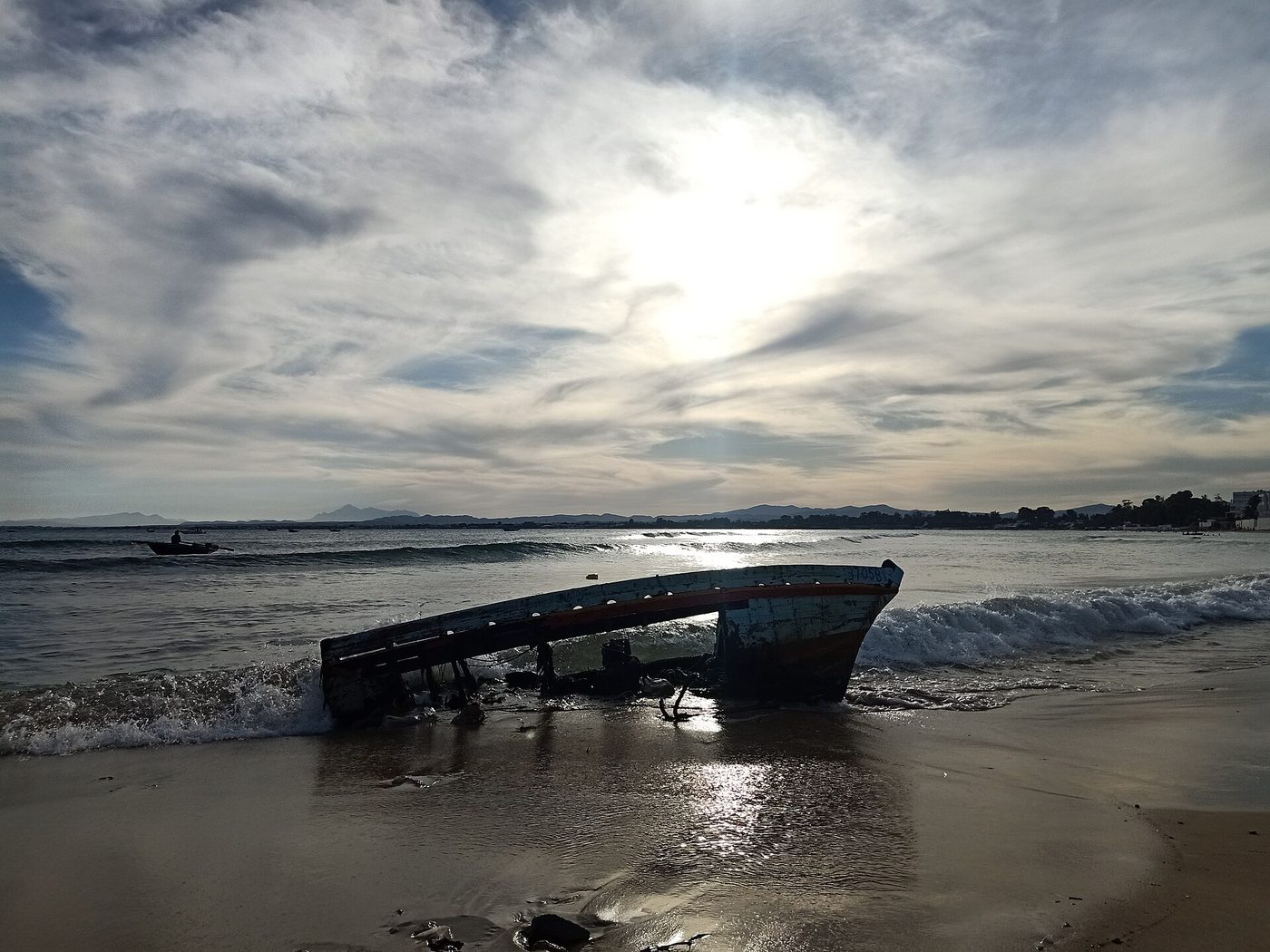
The beaches are the main reason to come, and they deliver a very particular thing: space. This is a wide, open coastline of pale sand that runs for kilometres, and outside the peak Tunisian holiday weeks in high summer you can walk a long way with barely another towel in sight. The water is shallow and gentle, good for a slow swim or a paddle with children, and the light at either end of the day is lovely.
Now the honest part, because we’d rather you knew. These are natural beaches, not manicured resort strands. Away from the hotels that rake their frontage, you’ll find drifts of dried seagrass — posidonia — washed up along the tideline, especially in the cooler months and after a blow. It’s completely harmless, a sign of a healthy sea in fact, but it isn’t the photoshopped white sand of a brochure, and some visitors are caught out by it. The stretches in front of the main hotels near Sangho are the tidiest; wander beyond them and it gets wilder and emptier.
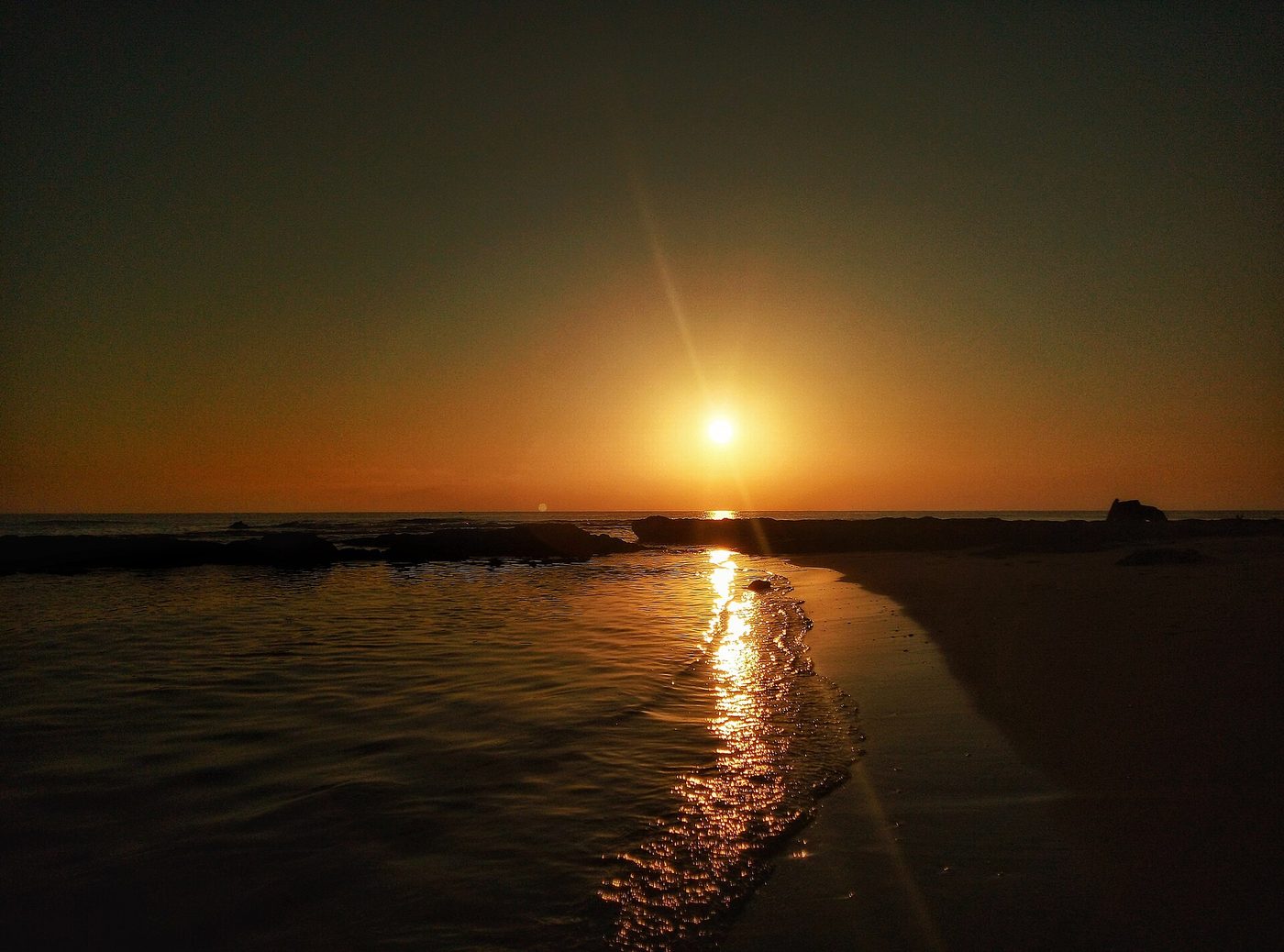
If pristine, groomed sand is non-negotiable for you, you may be happier on the best of Djerba’s beaches, or looking further afield at our roundup of Tunisia’s beaches. But if a long, quiet, natural shoreline where you can actually be alone sounds like the point, Zarzis is hard to beat for the price.
Things to do in Zarzis (and it’s a short-ish list)
Let’s be candid: Zarzis is a place to slow down, not to tick off attractions. There’s no grand monument or must-see museum. What there is, though, rewards a curious wander.
The port and the sponge-fishing heritage
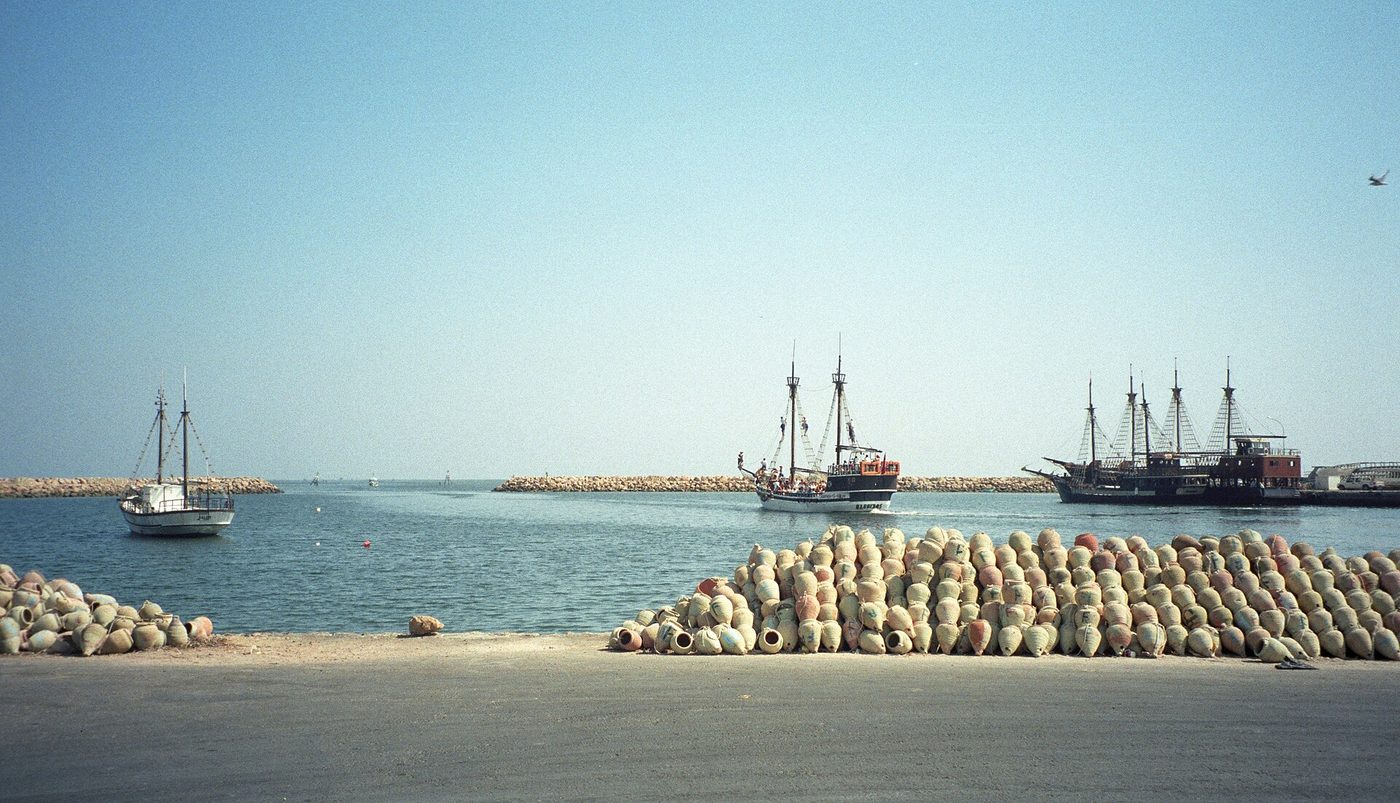
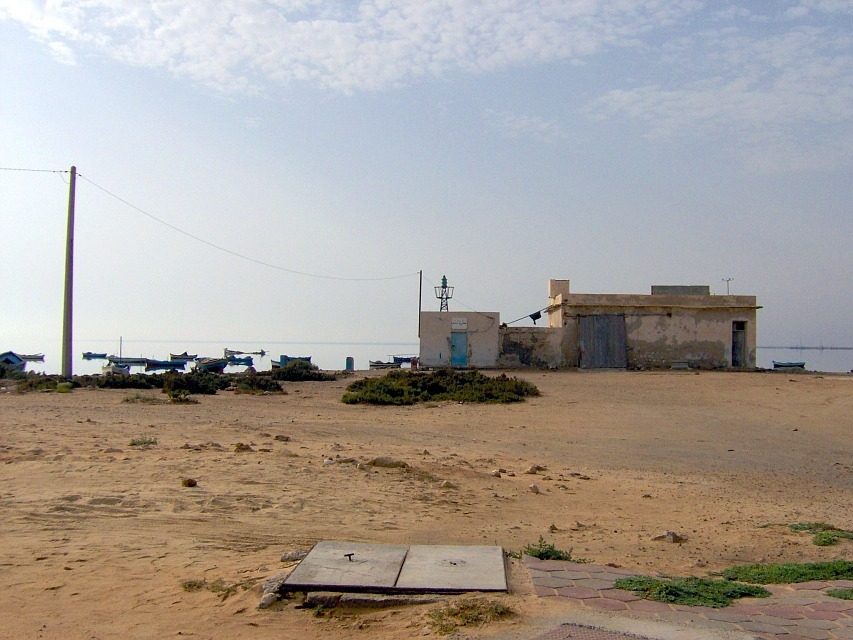
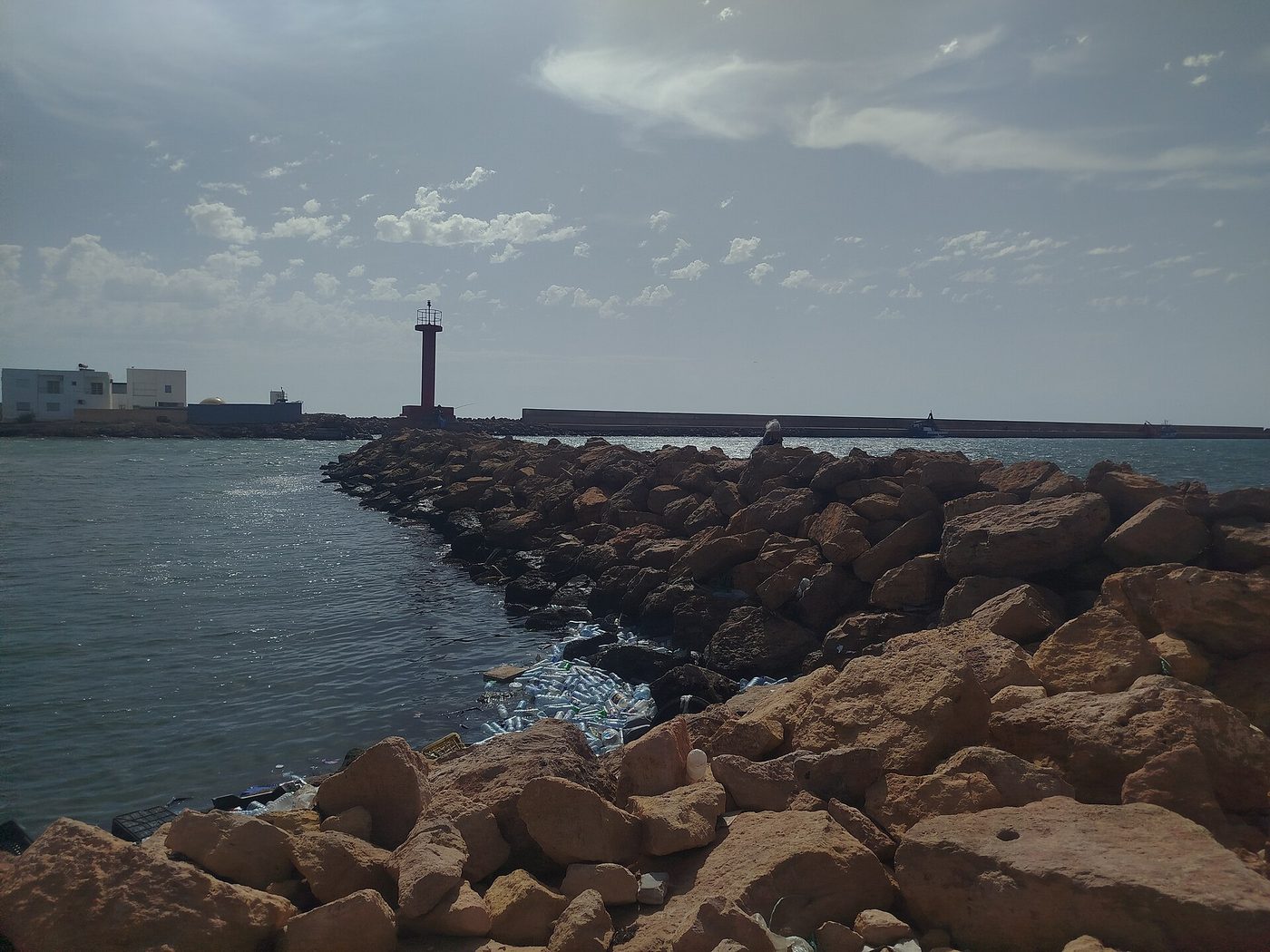
Zarzis is a working fishing town, and the port is the most alive part of it — trawlers and painted wooden boats coming and going, nets being mended, the day’s catch landed. It has a genuine maritime past: from around 1875, Italian and Maltese divers came here for the prized sponges in the offshore beds, and by the early 20th century Zarzis was one of the Mediterranean’s notable sponge-fishing and processing centres. The trade has faded, but the port still sets the rhythm of the town, and a stroll around it at the right hour tells you more about local life than any sight.
Olive groves and some of Tunisia’s best oil
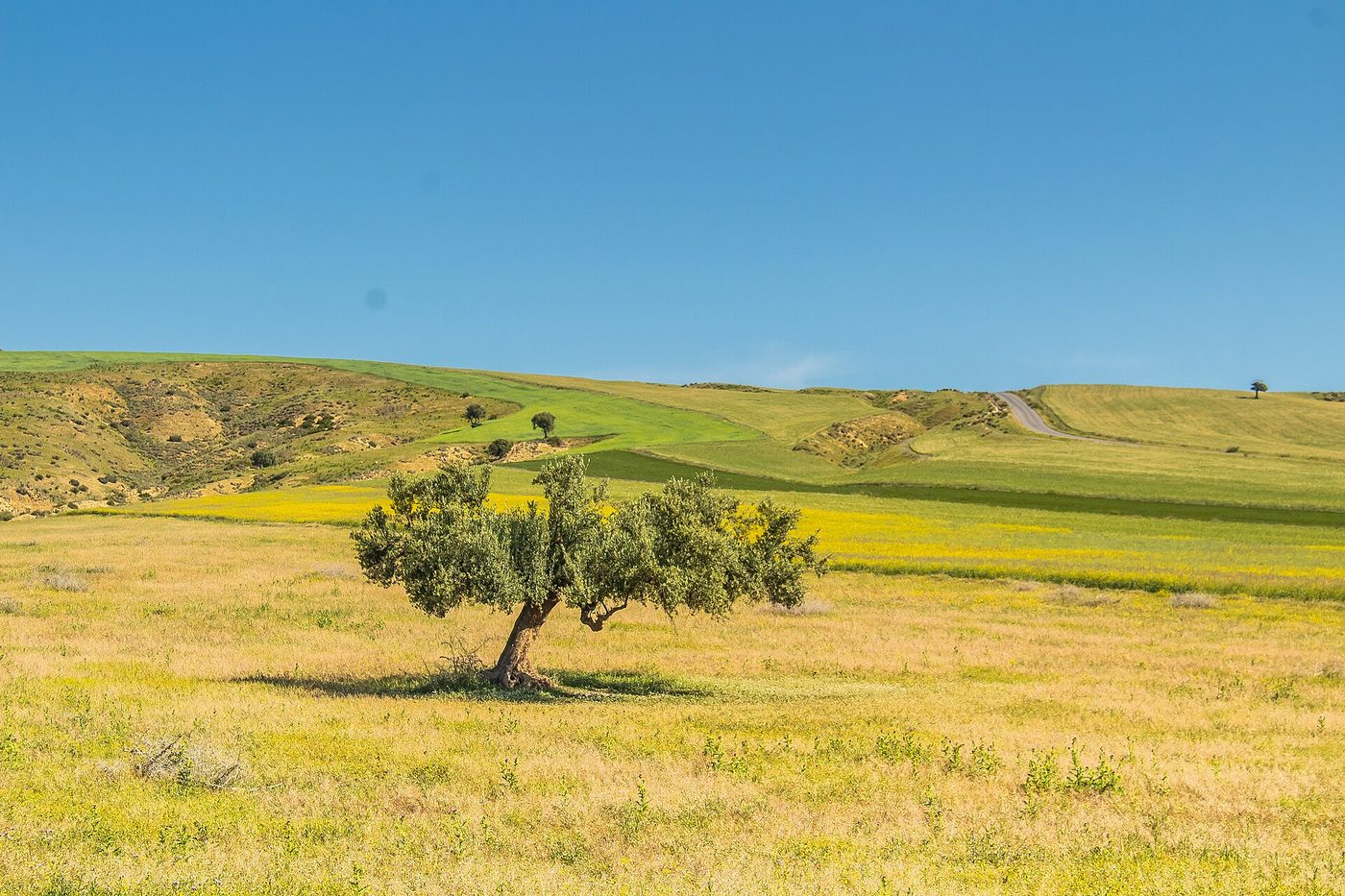
Inland, the town is ringed by a vast, old oasis of olive trees — well over a million of them, which is why locals half-jokingly call Zarzis the capital of olive trees. The oil here is rated among the country’s finest, helped by the dry climate and the sandy soil. Small cooperatives and roadside shops sell it fresh, and a bottle makes a far better souvenir than the usual trinkets. Pair it with the seafood the town does well, and Zarzis is a quietly good place to eat; our guide to Tunisian food sets the scene.
The weekly souk and the town centre
The town has a proper market that comes alive on its weekly souk days — locally these are usually cited as Monday and Friday, though it’s worth checking the current day when you’re there. Farmers bring in produce, olives, dates, spices and household bits, and it’s a good, unglamorous glimpse of everyday southern Tunisia rather than a show put on for tourists. The centre itself is modest — cafés, a few shops, an easy-going pace — and none the worse for it.
Le Jardin d’Afrique: a place for reflection
On the edge of town is one of the more moving things you can see anywhere on this coast. Le Jardin d’Afrique — the Garden of Africa — is a walled memorial garden and cemetery created by the Algerian artist Rachid Koraïchi as a dignified resting place for migrants who died crossing the Mediterranean and whose bodies washed up nearby. It’s a calm, beautifully made space of hand-painted ceramic tiles, jasmine and citrus trees, intended as somewhere families might one day come to grieve. It’s not a “sight” in the holiday sense, and it should be approached quietly and respectfully, but it says something true about Zarzis and the wider south that no beach can.
The lagoon country — and where to stop
South-west of the town, out towards the border country, lies the Bahiret el Bibane, a large coastal lagoon known for its flamingos, migratory birds and centuries-old traditional fishing traps. It’s a genuinely wild, atmospheric bit of nature and Tunisia’s second-largest lagoon. A word of caution, though: it stretches towards the sensitive frontier zone near Ben Guerdane, which the Foreign Office advises against visiting (see the safety section below). Our steer is to enjoy the lagoon only if a reputable local guide includes an accessible, northern edge of it, and otherwise to treat Zarzis and its immediate coast as the natural limit of your wandering. Don’t strike out towards the border for a look.
Where to stay: older resorts and a wellness streak
Zarzis has a modest cluster of hotels, most of them along the beach strip and most of them older, mid-range all-inclusive places rather than sleek new builds. Several lean into thalassotherapy — seawater-and-seaweed wellness treatments — which is a genuine local speciality and part of why the town draws long-stay European visitors, particularly in winter. Don’t expect the choice or the polish of Djerba; do expect quieter, cheaper, and more of a real-town feel around you.
For most UK travellers, the sensible play is to base yourself on Djerba, where the hotels, flights and choice are stronger, and treat Zarzis as a day out or a two- or three-night add-on. Our guide to where to stay in Djerba covers the island’s areas, and if a peaceful winter escape is what you’re after, our roundup of Tunisia for winter sun explains why this stretch of coast works when northern Europe is grey.
A quiet base for the Sahara
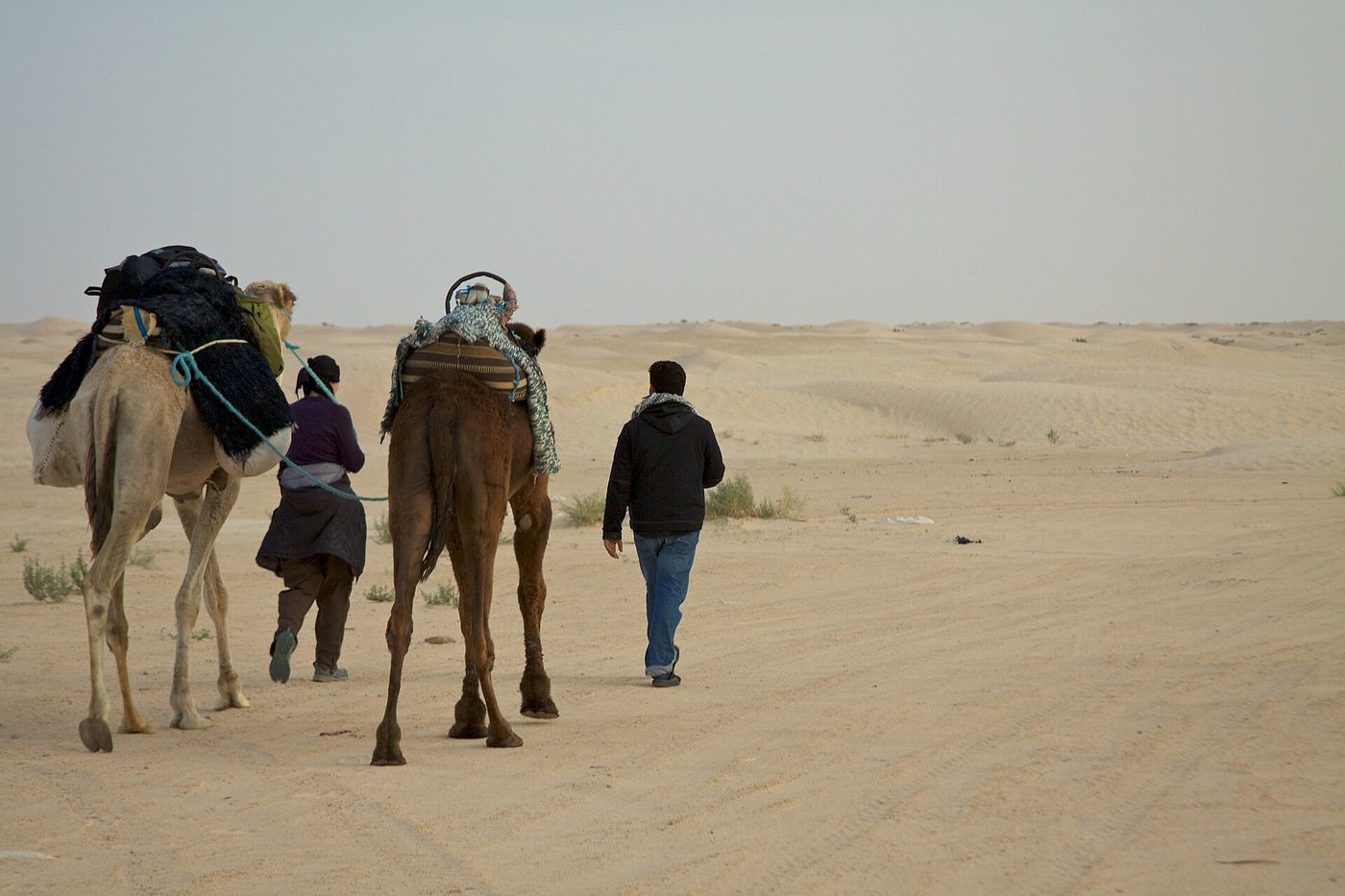
Here’s an angle the beach brochures miss: Zarzis is well placed for the desert south. From here it’s a straightforward run inland towards the Berber ksour around Tataouine and Chenini, the underground houses of Matmata, and — with an overnight — the real dunes at Ksar Ghilane. Many of the same tours that leave Djerba will pick up in Zarzis, so you lose nothing on access.
If the desert is a priority, read our guide to the Tunisian Sahara and our roundup of the best Tunisia excursions, and note that the whole southern circuit — including the Star Wars filming locations at Matmata and beyond — is as reachable from Zarzis as from the island. For the full menu of trips, our sibling guide to day trips from Djerba works just as well from a Zarzis base.
Is Zarzis safe? The border question, answered plainly
Because Zarzis lies in Tunisia’s south-east, some people worry it’s “near the Libyan border” and therefore risky. It isn’t off-limits, and the official wording makes that clear — so here is exactly what the UK Foreign Office says, and you can judge for yourself.
The FCDO “advises against all but essential travel to within 75km of the Tunisia–Libya border, including Remada and El Borma but excluding Zarzis, the C118 road and all areas in Medenine Governorate north of the road.” It also advises against all travel to the militarised zone south of El Borma and Dhehiba, to within 20km of the rest of the Tunisia–Libya border north of Dhehiba, and to the town of Ben Guerdane. That advice was still current at 19 June 2026 (last updated 23 February 2026) as we write.
Read it again and the key word jumps out: Zarzis is specifically excluded from the warning. The town sits north of the restricted zones, on the ordinary tourist coast, and the roads you’d travel from Djerba are the ones the advisory deliberately keeps open. What it does mean in practice is simple — don’t go wandering south towards Ben Guerdane or the frontier for a look; that’s where the line is drawn. Stick to Zarzis, its beaches and the coast road up towards the island, and you’re in the same reassuringly ordinary territory as Djerba itself, which draws hundreds of thousands of European holidaymakers a year. For the wider regional picture, see our date-stamped guide to whether Djerba is safe, and our national overview of whether Tunisia is safe.
Who Zarzis suits — and who’ll be climbing the walls
This is really the whole decision, so we’ll be blunt about both sides.
You’ll love Zarzis if…
- Your ideal holiday is a long, empty beach, a good book and nowhere you have to be.
- You’re after cheap winter sun and a mild, quiet base for weeks rather than days.
- Wellness and thalassotherapy appeal, and you like the idea of a real town around you.
- You want a calm launch pad for the Sahara without the resort circus.
- You value authenticity — everyday Tunisian life — over polish and entertainment.
You’ll be bored — or frustrated — if…
- You want nightlife, bars and a buzzy scene after dark.
- You need lots of sights, shopping and organised things to do.
- You expect groomed, brochure-perfect beaches with every facility on tap.
- It’s your first trip to Tunisia and you want maximum variety in a week — Djerba, Hammamet or Sousse will serve you better.
- You’re travelling with teenagers who’ll want more than sand and calm.
Best time to visit Zarzis
The sweet spots are late spring and early autumn — roughly May to June and September to October — when it’s warm and swimmable but not baking, and the beaches are at their emptiest. High summer (July–August) is hot and brings Tunisian holidaymakers, though the coast still feels calmer than the big resorts. The real quiet-season trick, though, is winter: Zarzis stays mild and sunny when much of Europe is grey, which is why long-stay wellness guests favour it from November onwards, even if the sea is too cool for more than a brave dip. Our best time to visit Tunisia guide lays out the seasons in full.
The verdict: is Zarzis worth visiting?
For the right traveller, yes — with clear eyes. Zarzis won’t dazzle you and it isn’t trying to. What it offers is a long, quiet, natural coastline, a genuine working town rather than a holiday set, some of Tunisia’s best olive oil, and an easy back door to the desert, all at prices that make a long stay painless. Come for calm, authenticity and space, and you’ll get exactly that.
Come expecting a polished resort, a lot to do, or lively evenings, and you’ll wonder why you left the island. Our honest recommendation for most first-timers is to stay on Djerba and give Zarzis a day, or fold in a couple of nights if slow, quiet travel is your thing. Either way, now you know precisely what you’re getting — which is more than most guides will tell you.
Zarzis: your questions answered
Is Zarzis worth visiting?
For travellers who want quiet beaches, a real town and a Sahara base, yes. For anyone after nightlife, big sights or brochure-perfect resorts, no. Zarzis is calm, natural and affordable rather than polished or lively, so it rewards slow travel and disappoints anyone wanting a lot to do. Match it to the right holiday and it’s a pleasure.
Where is Zarzis and how far is it from Djerba?
Zarzis is a coastal town in Medenine Governorate on Tunisia’s south-east mainland, across the water from Djerba. By road it’s roughly an hour, via the Roman causeway at El Kantara. The two even share an airport — Djerba–Zarzis International — which sits on Djerba, about 55km from Zarzis town.
How do you get from Djerba to Zarzis?
Drive or ride across the six-kilometre Roman causeway at El Kantara onto the mainland, then follow the coast road south-east — about an hour all in, depending where on the island you start. Shared louages, local buses and taxis all make the trip; agree taxi fares first. Many visitors come on an organised half-day tour.
What are the beaches in Zarzis like?
Long, wide, sandy and genuinely quiet, with shallow, gentle water. They’re natural rather than manicured, so expect drifts of harmless dried seagrass along the tideline away from the hotels, especially off-season. The stretches near the main hotels are the tidiest; walk beyond them and you’ll often have the sand to yourself.
Is Zarzis safe to visit?
Yes. Zarzis is specifically excluded from the UK Foreign Office border advisory and sits north of the restricted zones, on the ordinary tourist coast. Avoid heading south towards Ben Guerdane or the frontier, stick to the town, beaches and coast road, and you’re in the same territory as Djerba. See our Djerba safety guide for the full, date-stamped wording.
What is there to do in Zarzis?
Beach days first and foremost, plus the working fishing port, the weekly souk, the surrounding olive groves and oil cooperatives, and the moving Jardin d’Afrique memorial garden. It’s also a springboard for desert trips to Matmata, Tataouine and the Sahara. It’s a slow-travel town, so the list is short by design — that’s the appeal.
Is Zarzis better than Djerba?
Different, not better. Djerba has more hotels, flights, sights and choice; Zarzis is quieter, cheaper and more of a real town. For a first visit or maximum variety, choose Djerba. For long, calm beach days, winter sun or a peaceful desert base, Zarzis wins. Many people sensibly base on the island and visit Zarzis for a day.
When is the best time to visit Zarzis?
May–June and September–October give warm, swimmable weather with the emptiest beaches. High summer is hot and busier with Tunisian holidaymakers. Winter is mild and sunny — ideal for long, quiet stays and thalassotherapy, if too cool for much swimming. Our best time to visit guide has the month-by-month detail.
Are there good hotels in Zarzis?
There’s a modest cluster along the beach, mostly older, mid-range all-inclusive resorts, several with thalassotherapy spas. It’s quieter and cheaper than the island but with less choice and polish. For more options, most UK travellers base on Djerba — see our where to stay in Djerba guide — and treat Zarzis as a day trip or short add-on.
Is Zarzis good for families or children?
For young children who are happy with a shallow, gentle sea and a bucket and spade, it’s lovely and safe. There’s little in the way of organised entertainment, waterparks or teen-friendly buzz, though, so older kids may find it slow. Families wanting more to do usually prefer Djerba or the bigger resorts up the coast.
What is Zarzis famous for?
Its long, quiet beaches, its olive oil — locals call it the capital of olive trees — and its heritage as a Mediterranean sponge-fishing port dating back to the 1870s. More recently it’s known for Le Jardin d’Afrique, a memorial garden for migrants lost at sea. Above all, it’s known for being calm and unhurried.
Can you visit the Sahara from Zarzis?
Yes, and easily. Zarzis is well placed for the desert south — Matmata, the Tataouine ksour, Chenini and the dunes at Ksar Ghilane are all reachable, and many tours that run from Djerba also pick up in Zarzis. A two-day overnight to a desert camp is the trip most people rate highest. Our Tunisian Sahara guide has the detail.
Written by the Tunisia Tourism Guide team — an independent UK-focused guide to travelling in Tunisia. We don’t sell tours or take hotel commissions. Prices and advice were checked at publication; always confirm current details before you book.
Photo credits
All images via Wikimedia Commons, used with thanks: The quiet shore at El Kantara © Stegop (CC BY-SA 3.0); Sunrise over Chatt Amira beach at Souihel © Babyswann (CC BY-SA 4.0); Fishing boats in the working port at Zarzis © Noomen9 (CC0); An old olive tree in Tunisia’s rolling olive country © Smailtn (CC0).