By the Tunisia Tourism Guide team · Last updated 11 November 2026 · We don’t sell tours or take hotel commissions — this is independent advice, written to be useful.
The package price is the easy bit. You’ve seen the week in Sousse or Hammamet, it looks suspiciously reasonable, and now the real question arrives: what does Tunisia cost once you’re actually there? Will you be quietly bled dry by taxis, excursions and hotel bars, or does the cheapness hold up on the ground?
Is Tunisia expensive? No, not by UK standards: everyday local prices, from bread to train fares, are low, and the pound buys about 4 dinars. The costs that bite are the ones aimed at visitors: heritage tickets that rose sharply in 2026, hotel bars, imported goods and excursions sold at the resort.
This guide is part of our wider practical Tunisia travel tips, and it does one job: it breaks a Tunisia holiday into its real costs, with dated prices in dinars and pounds wherever an official or operator figure exists, and honest advice on the items whose price moves too often to pin down. By the end you should be able to build your own spending-money budget rather than borrowing somebody else’s guess.
Is Tunisia expensive? The costs at a glance
These figures were all checked in November 2026 and converted at the Banque Centrale de Tunisie’s rate of 4.0057 dinars to the pound (interbank average, 6 November 2026). Your bank or bureau will give you a little less.
| Item | Price (TND) | Roughly in £ | Notes |
|---|---|---|---|
| Subsidised baguette | 0.190 (190 millimes) | 5p | Regulated price, October 2026; bakers have proposed 200 millimes |
| Train, Tunis to Sousse | 9 (2nd class) / 12 (1st) | £2.25 / £3 | SNCFT indicative fares, about 140 km |
| Train, Sousse to Monastir | 2 / 3 | 50p / 75p | SNCFT indicative fares |
| Train, Tunis to Sfax | 15 / 20 | £3.75 / £5 | SNCFT indicative fares |
| Bardo Museum (non-residents) | 30 in 2026; 45 from 1 Jan 2027 | £7.50 / £11.25 | Category A under the 2026 tariff order |
| El Jem amphitheatre and museum | 20 in 2026; 30 from 1 Jan 2027 | £5 / £7.50 | Category B |
| Bardo + Carthage combined ticket | 45 in 2026; 70 from 1 Jan 2027 | £11.25 / £17.50 | As reported for the 2026 order |
| Hotel tax, per person per night | 8 (3-star) / 12 (4- and 5-star) | £2 / £3 | Up to ten nights, per the FCDO |
| Unleaded petrol, per litre | 2.525 | 63p | Energy ministry’s published price |
| Restaurant tip | About 10% | — | The tourist board’s guidance; in cash |
Read that table and two things jump out. The things Tunisians buy every day are cheap to the point of seeming like a typing error. And the things built for visitors, the museums above all, have been repriced. Both are true at once, and they’re the key to understanding where your money will go.
Why “cheap” depends on how you travel
Ask ten people whether Tunisia is expensive and you’ll get ten answers, because they’re describing ten different holidays.
The all-inclusive package
Many British visitors arrive on a package to Hammamet, Sousse, Monastir or Djerba, and most of their money is spent before they leave home. Flights, transfers, room and three meals a day are paid up front, so the on-the-ground question shrinks to drinks outside the hotel, the odd taxi, a day trip or two, souvenirs and tips. For this traveller, Tunisia feels cheap almost by definition: there just isn’t much left to pay for.
We don’t print package prices because they move by the day. What drives them is predictable, though: school holidays (the August and half-term weeks cost the most), the departure airport, the board basis, the hotel’s star rating and how close to departure you book. If you’re weighing the options, our guide to all-inclusive holidays in Tunisia covers what “all-inclusive” does and doesn’t include here, which matters: imported spirits, à la carte restaurants and some activities are often extras.
The independent traveller
Book your own flights and a mid-range hotel or guesthouse, eat out, use trains and louages (shared minibus taxis), and the picture changes. You pay for more things, but each of them costs a fraction of what it would at home. The independent visitor is the one who notices that a second-class train from Tunis to Sousse costs about £2.25, and that a bakery breakfast costs pennies.
The “resort bubble” visitor who ventures out
This is the traveller most likely to come home saying Tunisia was pricier than expected. They’re all-inclusive, so their only spending is on the things aimed squarely at tourists: the excursion booked through the hotel, the carpet-shop “tea”, the taxi waiting at the hotel gate, the beach-bar cocktail. Each one is priced for visitors. None of it is outrageous by UK standards, but it’s a world away from what a local pays, and that gap is where the “Tunisia isn’t as cheap as people say” stories come from.
The dinar, the exchange rate and inflation
The Tunisian dinar is a closed currency. You can’t legally take dinars into or out of the country, so you can’t order them from a UK bureau before you fly (the Post Office’s travel-money list doesn’t include them) and you shouldn’t plan to bring any home. You change money or use a cash machine on arrival; there are bureaux at the airports. Keep your exchange receipts: authorised bureaux may change leftover dinars back into foreign currency for non-resident travellers. Our guide to the Tunisian dinar and how to handle money walks through the notes, cards and cash machines in detail.
On 6 November 2026, the Banque Centrale de Tunisie’s interbank average was 4.0057 dinars to the pound, up from 3.9593 in mid-October. For mental arithmetic, “four dinars, one pound” is close enough: 10 TND is about £2.50, 50 TND is about £12.50, and 100 TND is about £25.

The number that matters more than the exchange rate is inflation. Tunisia’s national statistics institute put annual inflation at 5.6% for October 2026. Prices have been climbing steadily for several years, and that has a practical consequence for you: any blog post quoting the price of a coffee, a beer or a taxi from 2022 or 2023 is probably out of date. Use older figures as a rough floor, not a budget.
Practically, you’ll find cash machines widely in the tourist areas and larger towns, and many hotels, restaurants and shops in urban and tourist areas take cards. Taxis generally want cash, and so do most souk stalls, small cafés and louage drivers. Check what your UK bank charges for foreign cash withdrawals and card payments before you go; a card without foreign-transaction fees saves real money over a week.
Food and drink: cheap, until it’s imported
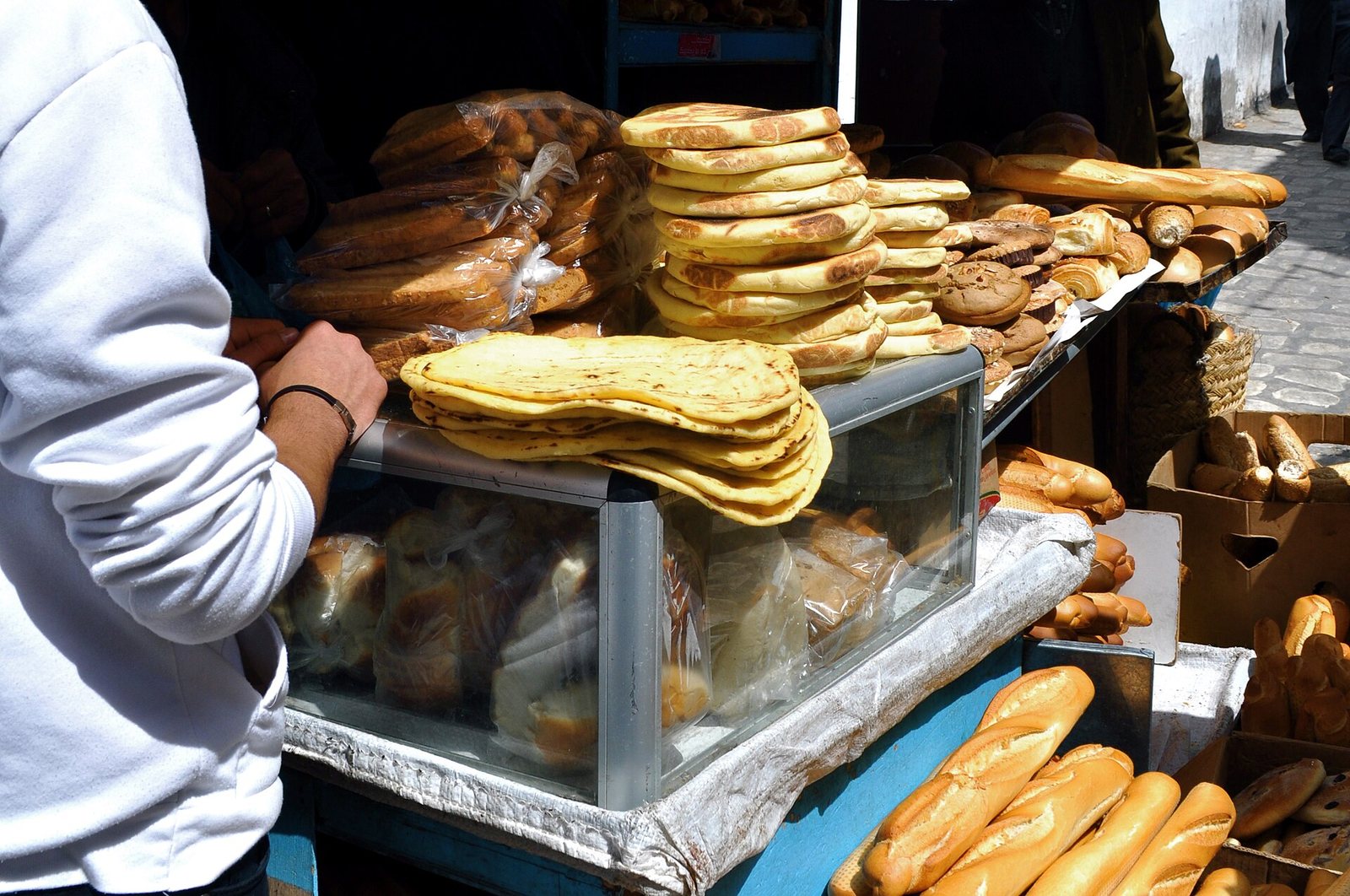
Tunisian food is one of the country’s great bargains, as long as you eat Tunisian. The subsidised baguette is the clearest example: its regulated price was 190 millimes in October 2026, about 5p, and bakers have proposed raising it to 200 millimes. Either way, it tells you something about how basics are priced here.
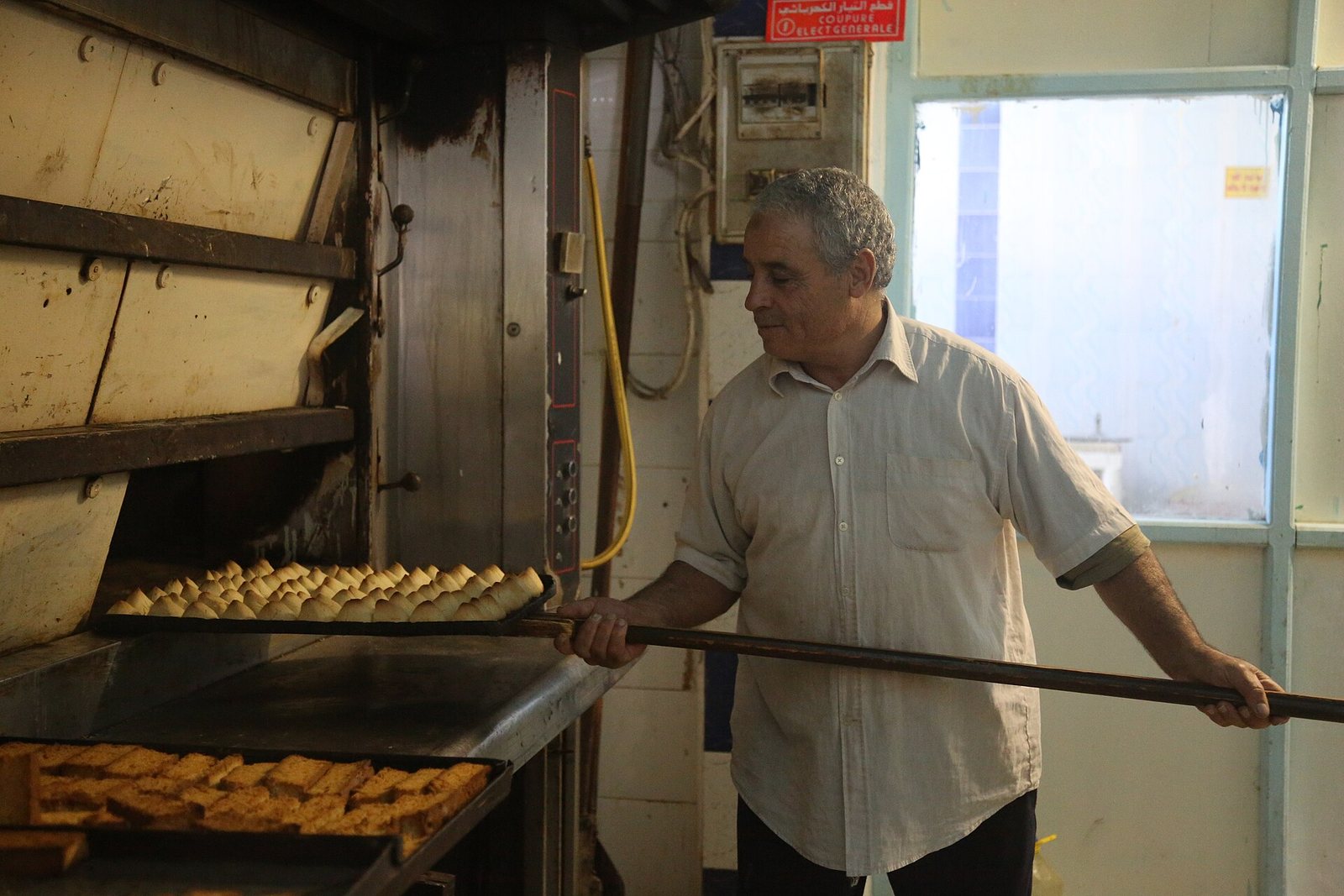
The cheapest good meals are at the places locals use: a plate of couscous or grilled fish at a simple restaurant, a brik (a crisp, deep-fried pastry with egg and tuna inside) from a snack bar, a bowl of lablabi (chickpea soup with bread, harissa and cumin) in the morning. Street food and market produce cost very little. If you want to know what to order, our guide to Tunisian food covers the dishes worth seeking out.
Prices climb as soon as you step into the visitor economy. A seafront restaurant in Port El Kantaoui or Yasmine Hammamet with an English menu will charge noticeably more than a local café a few streets back, and still less than its equivalent in Spain. Hotel à la carte restaurants are their own price bracket.
Alcohol: the exception to the rule
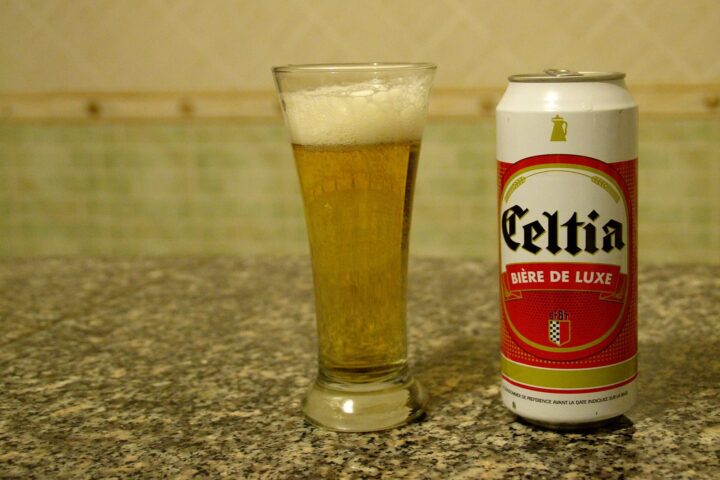
Tunisia is a Muslim-majority country where alcohol is legal and sold in licensed hotels, restaurants, bars and some supermarkets. It’s also where Tunisian prices stop feeling cheap. Local beer is the reasonable option; imported wines, spirits and brands are where the bill rises, and a hotel or beach bar charges more again. If a relaxed drink in the evening is part of your holiday, either budget for it honestly or choose an all-inclusive where local drinks are covered. We cover licensing hours and the Ramadan rules in a separate guide to alcohol in Tunisia.
Tipping
Tunisia’s tourist board says it’s generally expected to add around 10% in restaurants, to tip drivers and guides too, and to leave tips in cash rather than on a card. It’s a small line in the budget but an easy one to forget; our guide to tipping in Tunisia has the detail for hotels, guides and taxis.
Getting around: astonishingly cheap trains, metered taxis
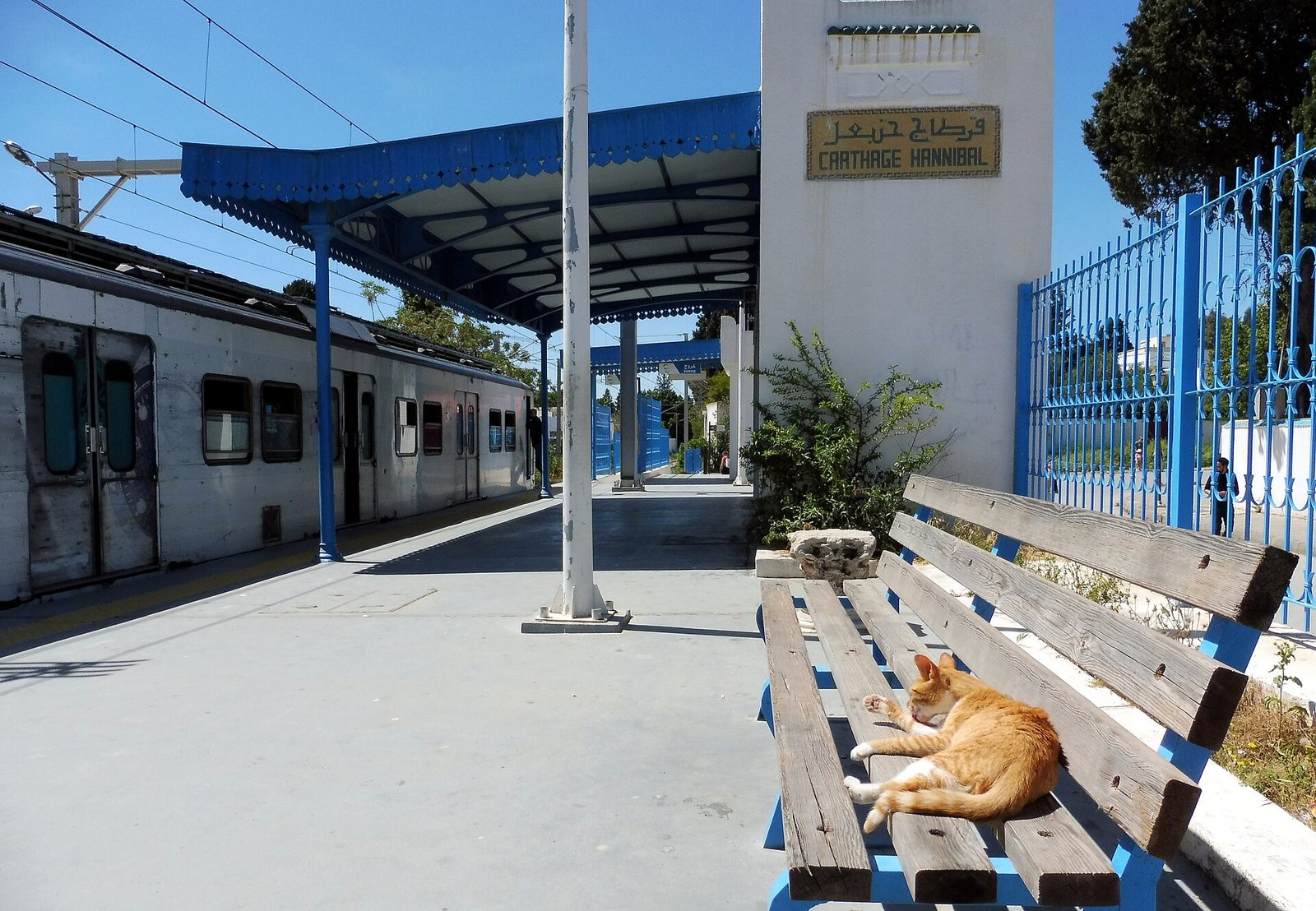
Transport is where Tunisia’s value is hardest to argue with. The national rail company, SNCFT, publishes indicative fares that look like a misprint to anyone who buys train tickets in Britain.
| SNCFT route | 2nd class | 1st class |
|---|---|---|
| Tunis – Sousse (about 140 km) | 9 TND (about £2.25) | 12 TND (about £3) |
| Tunis – Sfax | 15 TND (about £3.75) | 20 TND (about £5) |
| Tunis – Gabès | 22 TND (about £5.50) | 30 TND (about £7.50) |
| Sousse – Monastir | 2 TND (about 50p) | 3 TND (about 75p) |
SNCFT itself calls these indicative, so treat them as a very good guide rather than a guarantee, and check the timetable before you set out. The trains aren’t always punctual, the air-conditioning varies, and services can be disrupted, but first class is a comfortable way to cross the country for the price of a sandwich at home.
Louages: fixed fares, no haggling
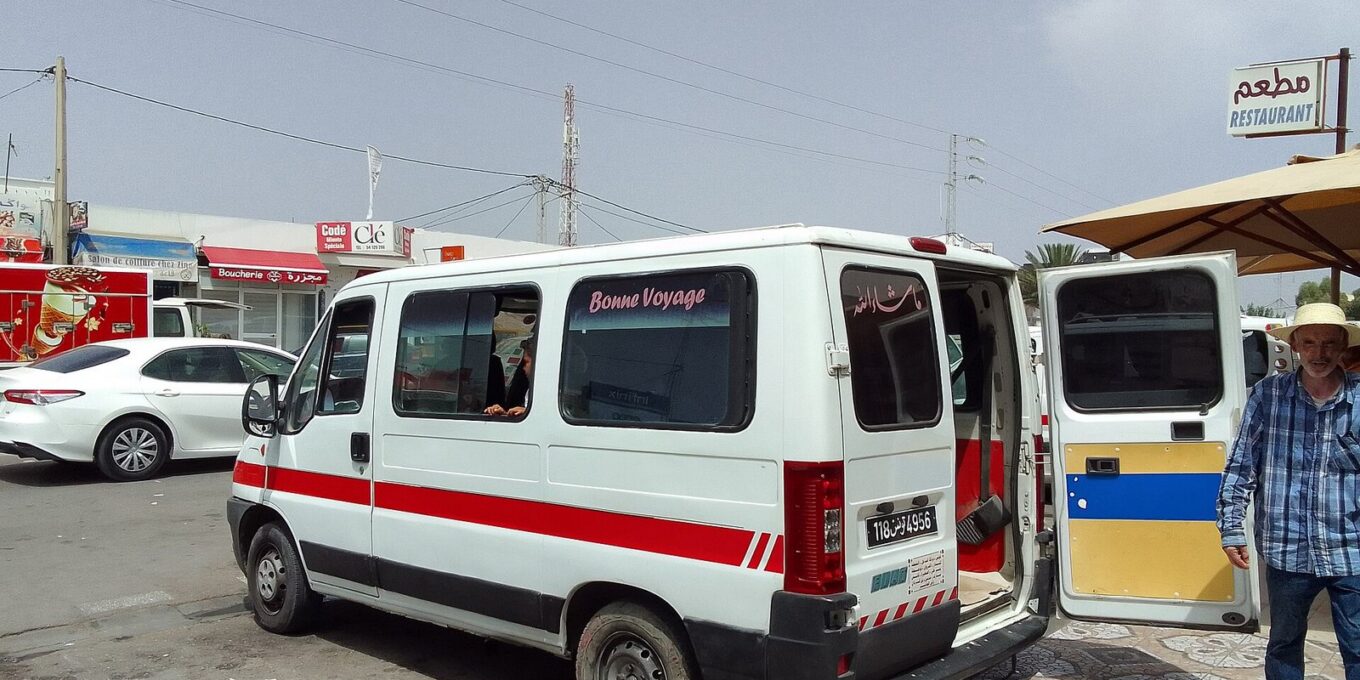
Louages are white shared minibuses that run between towns, leaving when they’re full. Fares are set per route and are the same for everyone, so this is one of the few places in the tourist economy where a visitor pays exactly what a local pays. Ask the fare at the louage station before you get in, and have small notes ready. They’re cheap and fast, though a long ride in a full minibus isn’t everybody’s idea of comfort.
Taxis
Street taxis in Tunisian towns are metered and cheap for short hops. The meter tariff has been the subject of a long-running argument between drivers’ unions and the authorities through 2026, so it may change; the constant is the tourist board’s advice to ask the driver to use the meter. If he won’t, agree a fare before you set off or find another cab.
Airport taxis follow their own rules. At Enfidha-Hammamet, the airport’s published tourist-taxi tariff has a minimum fare of 1.350 TND and charges 70 millimes for every 70 metres (in effect 1 dinar a kilometre), plus 4.500 TND added to the meter for trips starting from the airport’s tourist-taxi rank, 50% extra between 21:00 and 05:00, 10% for air-conditioning and 1 TND for each parcel over 45 cm and 10 kg. At Monastir, the airport puts a taxi to Sousse at around 35 TND (about £8.75). If your package includes transfers, this won’t matter; if it doesn’t, a taxi is still cheap by UK airport standards.
Car hire and driving
Fuel prices are set by the state, and on the energy ministry’s published figures unleaded costs 2.525 TND a litre (about 63p). Motorway tolls are modest: on the A1, a car pays 3.900 TND from Hammam Lif to M’saken. Hire-car rates themselves vary by season and company, so compare quotes and read the insurance excess carefully. Our guide to getting around Tunisia compares trains, louages, taxis and driving in depth.
Sightseeing: the one cost that jumped in 2026
If you last looked at Tunisian museum prices a few years ago, this is the section to read twice. A joint order of 27 March 2026 raised admission prices for non-residents at state museums and archaeological sites from 1 April 2026, with a second increase from 1 January 2027 and yearly rises of 5% from 1 January 2028, when Carthage, Kairouan and El Jem move up to category A. Residents pay far less. As reported in the Tunisian press, the bands for non-residents work like this:
| Category | From 1 April 2026 | From 1 January 2027 | Examples |
|---|---|---|---|
| A | 30 TND (about £7.50) | 45 TND (about £11.25) | The Bardo National Museum |
| B | 20 TND (about £5) | 30 TND (about £7.50) | Carthage, El Jem, Kairouan |
| C | 10 TND (about £2.50) | 10 TND (about £2.50) | Smaller sites |
| D | 8 TND (about £2) | 8 TND (about £2) | Smaller sites |
| E | 5 TND (about £1.25) | 5 TND (about £1.25) | Smaller sites |
| Bardo + Carthage combined | 45 TND (about £11.25) | 70 TND (about £17.50) | One ticket for both |
Put that in context. A ticket to the El Jem amphitheatre costs 30 TND from January 2027, about £7.50. That’s still modest by European standards, but it’s a big jump on what Tunisia charged before, and a couple doing the Bardo, Carthage and El Jem in 2027 will now spend a noticeable sum on tickets alone. Older pages may still show the previous prices, so check the price at the ticket office or on the site’s own page rather than trusting a figure online.
Our guides to the Bardo National Museum and the ruins of ancient Carthage cover what each ticket gets you, and whether the combined pass is worth it for your plans.
The hidden costs most people forget
These are the lines that rarely make it into a “Tunisia on a budget” post but turn up on the trip.
- Hotel tax. The FCDO lists a tax of 8 TND per person per night at three-star hotels and 12 TND at four- and five-star hotels, for up to ten nights. For a couple spending a week in a four-star, that’s 168 TND, about £42. Check whether your package includes it or whether the hotel collects it at check-in or check-out.
- Excursions sold at the hotel. Desert trips, Carthage tours and boat trips sold by reps and hotel desks are convenient and usually carry a mark-up. Compare with licensed local agencies before you sign up; our guide to Tunisia excursions explains what to look for.
- Entry tickets that aren’t included. Many organised day trips quote a price that excludes site admission, and after the 2026 rise that’s no longer small change. Ask before you pay.
- Souk shopping. Haggling is normal, opening prices are pitched high, and the “free tea” in the carpet shop is never quite free. Our guide to common Tunisia scams covers the tricks worth knowing.
- Bank charges. Foreign-transaction and cash-withdrawal fees on a UK card can add a few per cent to everything you spend.
- Travel insurance. Not optional. Medical treatment may have to be paid for up front, and your insurance needs to cover any activity you plan, from quad biking to camel rides. The hotel tax and entry rules sit alongside the FCDO’s travel advice for Tunisia: FCDO advice, last updated 24 July 2026 and still current on 10 November 2026; always check gov.uk/foreign-travel-advice/tunisia before you book.

How much spending money for a week in Tunisia?
This is the question everyone wants a single number for, and it’s the one where a single number is least useful. Two people on the same all-inclusive week can spend wildly different amounts depending on whether they stay inside the hotel, how much they drink at the beach bar, and how many excursions they book. So rather than hand you somebody else’s estimate, here’s how to build your own.
Step one: the fixed costs
Start with what you know you’ll pay. Hotel tax: a four-star week for two is 168 TND (about £42). Any transfer not in your package. Visas aren’t one of them: British passport holders can visit Tunisia visa-free for short stays, though entry rules can change, so read our Tunisia visa and entry requirements before you book.
Step two: the trips you actually want
Price each one separately. Here’s a worked example for a couple based in Sousse in early 2027, doing two independent days out:
| Day out | Cost for two | In £ (approx.) |
|---|---|---|
| Sousse to Monastir and back by train, 2nd class | 8 TND | £2 |
| El Jem amphitheatre and museum, two tickets from 1 January 2027 | 60 TND | £15 |
| Bardo + Carthage combined tickets, two, from 1 January 2027 | 140 TND | £35 |
| Tunis–Sousse return by train, two, 1st class | 48 TND | £12 |
Add your own transport to and from the stations, lunch and a tip, and you have a realistic number for each day, built from real fares rather than a blog’s average. Our day trips from Sousse guide has the practical detail for planning them.
Step three: the daily discretionary spend
This is the part only you can estimate. Ask yourself honestly: how many drinks outside the all-inclusive, how many meals out, how many taxis, and how much for gifts? Then remember the rule of thumb from the food section: local places cost very little, and anything aimed at tourists costs several times more. If you’re on an all-inclusive and mostly stay put, your discretionary spend will be modest. If you’re independent and eating out twice a day, it’ll be your biggest line, and usually still lower than the same week in southern Europe.
Finally, add a contingency for the things nobody plans: a pharmacy visit, a taxi when the train doesn’t turn up, the rug you didn’t mean to buy. And bring a mix of card and cash, since many of the cheapest things in Tunisia are cash-only.
Is Tunisia cheaper than Spain, Turkey, Egypt or Morocco?
On the ground, Tunisia is generally cheaper than Spain, Portugal or Greece for most of what a visitor buys locally: food, transport, fuel and, even after the 2026 rise, most sightseeing. The more useful comparisons are with the other good-value destinations on the same flight times.
Against Turkey, Egypt and Morocco, the honest answer is that it depends on the week, the resort and the exchange rate on the day you book, all of which move. The fairest test is the one you can run yourself: price the same week, same board basis, same star rating and same departure airport for each country, then compare. Our head-to-head guides weigh more than the price: Tunisia or Morocco, Tunisia or Egypt and Tunisia or Turkey.
When is Tunisia cheapest?
Like any sun destination, Tunisia’s packages are cheapest outside the UK school holidays. The weeks to avoid if price is your priority are the summer holidays, Easter and the half-terms; the weeks to target are the shoulder seasons and winter, when the coast is quieter, the sightseeing is more comfortable and the deserts are at their best. It won’t be beach weather in January, but for culture, the Sahara and a mild escape from the British winter, it’s excellent value. Our month-by-month guide to the best time to visit Tunisia sets the weather against the crowds.
Ramadan is worth a thought too. Daytime life slows down, some cafés and restaurants close until sunset, and the evenings come alive. It can be a fascinating time to visit, as long as you know what to expect.
How to keep a Tunisia trip cheap
- Use the trains. For long distances on the coast, SNCFT is the cheapest comfortable option in the country, and first class costs only a few dinars more than second.
- Eat where Tunisians eat. A street or two back from the seafront, prices fall sharply and the food usually gets better.
- Ask for the meter. Every time. And take a louage for intercity hops, where the fare is the same for everyone.
- Plan sightseeing around the new prices. The combined Bardo and Carthage ticket is the obvious saving if you want both. Think about which sites you really want to see rather than ticking off everything a tour includes.
- Book excursions locally, carefully. A licensed local agency or a private driver shared between a few people often beats the hotel desk.
- Change money in Tunisia, and only what you need. You can’t take leftover dinars home, so draw cash in moderate amounts and keep your receipts for changing any surplus back.
- Travel off-season. Avoiding the school holidays makes a bigger difference to your total than any amount of haggling.
- Read the all-inclusive small print. If drinks are your main extra, a package that covers local drinks can save more than it costs.
Our honest verdict
Tunisia is good value, not free. The everyday economy is genuinely cheap for anyone earning in pounds, and the public transport is very good value. What’s changed is that the country has started charging visitors more for its headline sights, and that inflation keeps nudging everything else upwards. The travellers who end up surprised at their spending are almost always the ones who stayed inside the tourist economy and paid tourist prices for it. Step outside that bubble, even a little, and your money goes a remarkably long way.
Is Tunisia expensive: frequently asked questions
Is Tunisia cheap for British tourists?
Yes, for most of what you’ll buy locally. With the pound worth about 4 dinars in November 2026, food in local restaurants, trains, louages and fuel are all cheap by UK standards. The exceptions are imported goods, alcohol (especially in hotels and bars) and anything sold directly to tourists. Museum and archaeological-site tickets rose for non-residents in April 2026 and rise again in January 2027, though they remain modest next to many major European sites.
How much spending money do I need for a week in Tunisia?
It depends heavily on your board basis and how often you leave the hotel. Build it from your fixed costs (the hotel tax of 8 to 12 TND per person per night, any transfers), the trips you want to do (entry tickets plus transport), your daily extras and a contingency. A couple who mostly stay in an all-inclusive will spend far less than independent travellers eating out twice a day.
Can I use pounds or euros in Tunisia?
Not for everyday spending. The dinar is a closed currency, so you’ll change pounds or euros on arrival at an airport bureau, bank or authorised exchange office, or withdraw dinars from a cash machine. Some hotels and tourist shops quote in euros, but paying in dinars is simpler and usually cheaper. Keep your exchange receipts so you can change leftover dinars back before you fly home.
Can I buy Tunisian dinars in the UK?
No. Because the dinar is a closed currency, you can’t legally take it into or out of Tunisia, and UK bureaux such as the Post Office don’t sell it. Bring pounds or euros, or a debit card that works abroad, and get dinars once you land. There are authorised exchange counters at Tunis-Carthage, Enfidha-Hammamet and Monastir airports.
Is alcohol expensive in Tunisia?
Relative to everything else, yes. Alcohol is legal and sold in licensed hotels, bars, restaurants and some supermarkets, but it’s the one area where Tunisian prices don’t feel like a bargain, particularly for imported wines and spirits and anything served in a resort bar. Local beer is the better-value choice. If drinks matter to you, compare an all-inclusive package that covers local drinks with paying as you go.
How much does it cost to get into El Jem or the Bardo Museum?
Under the 2026 tariff order, non-residents pay 20 TND (about £5) for El Jem and 30 TND (about £7.50) for the Bardo from 1 April 2026, rising to 30 TND and 45 TND from 1 January 2027. A combined Bardo and Carthage ticket is 45 TND in 2026 and 70 TND from 2027. Older pages may still show lower prices, so check at the ticket office.
Is there a tourist tax in Tunisia?
Yes. The FCDO lists a hotel tax of 8 TND per person per night at three-star hotels and 12 TND at four- and five-star hotels, charged for up to ten nights. Some packages include it, while other hotels collect it directly, so check your booking before you travel and keep a little cash aside in case it’s due at the hotel.
Are taxis expensive in Tunisia?
No. Street taxis are metered and cheap for short journeys; always ask the driver to use the meter, and agree a price first if he won’t. Airport tourist taxis follow a separate published tariff with a pick-up supplement, a night surcharge and luggage charges, and still cost far less than an airport taxi in the UK. Monastir airport puts a taxi to Sousse at around 35 TND.
Is Tunisia cheaper than Spain?
For spending on the ground, generally yes: local food, public transport and fuel cost less than their Spanish equivalents, and sightseeing usually does too. Package prices are a different matter and move with the season and the deal, so the only reliable comparison is to price the same week, board basis and star rating for both. Off-season, Tunisia can be a good-value winter sun option.
What is the cheapest time to go to Tunisia?
Outside the UK school holidays. Winter and the shoulder months are when packages are cheapest and the resorts quietest, while summer, Easter and half-term weeks cost the most. Winter isn’t swimming weather, but it’s ideal for Roman sites, the medinas and the Sahara, which is where the 2026 ticket prices are easiest to justify.
Final thoughts
Tunisia’s reputation for value is earned, but it’s earned on the ground, not in the resort bar. Budget honestly for the visitor-facing costs, especially the higher heritage tickets from 2027, and let the cheap trains, local food and fixed-fare louages do the rest. Before you go, read up on how safe Tunisia is for visitors, check the winter sun options if you’re travelling off-season, and use our seven-day Tunisia itinerary to turn a cheap week into a full one.
Written by the Tunisia Tourism Guide team — an independent UK-focused guide to travelling in Tunisia. We don’t sell tours or take hotel commissions. Prices and advice were checked at publication; always confirm current details before you book.
Photo credits
All images via Wikimedia Commons, used with thanks: Tunisian dinar note and coins © Timo Schmidt (Copyrighted free use); A traditional bakery in Hergla © Faiza affes (CC BY-SA 4.0); A Tunisian bread stall © Sarah Murray (CC BY-SA 2.0); TGM train at Carthage Hannibal station © Dirkjot (CC BY 4.0); Spices for sale in a Tunisian souk © matthew Hunt (CC BY 2.0); A louage shared minibus in Hammamet © Mathieu BROSSAIS (CC BY-SA 4.0).