By the Tunisia Tourism Guide team · Last updated 6 August 2026 · We don’t sell tours or take hotel commissions — this is independent advice, written to be useful.
Two North African countries, both tempting, and a nagging worry you’ll pick the wrong one. It’s the most common “which should I do first?” question we get, so let’s settle it properly.
Here’s the honest answer to Tunisia vs Morocco: Tunisia is cheaper, calmer and better for a warm-sea beach holiday, with Roman ruins you’ll have nearly to yourself. Morocco is bigger, more dramatic and more famous — Marrakech, the Atlas mountains, Chefchaouen — but pricier, busier and harder work. Choose Tunisia for value and relaxation, Morocco for adventure and spectacle.
They’re genuinely different trips, and one doesn’t replace the other. Below we’ll compare cost, beaches, culture, the Sahara, how hard each is to travel, and safety — honestly, and with Tunisia’s home advantage declared up front. If you’re leaning Tunisia, our guide to where to stay in Tunisia is the natural next read, and there’s a full Tunisia itinerary to help you shape the days.
Tunisia or Morocco at a glance
The quick version, before the detail.
| Tunisia | Morocco | |
|---|---|---|
| Cost | Cheaper — roughly a quarter to a third less | Pricier across hotels, food and tours |
| Flight from UK | Around 3 hours | Around 3–3.5 hours (Marrakech/Agadir) |
| Beaches & sea | Warm Mediterranean, swimmable May–Oct | Mostly cool Atlantic; sea rarely truly warm |
| Headline draw | Roman ruins, quiet medinas, real Sahara | Marrakech, Fes, Atlas mountains, Chefchaouen |
| Effort to travel | Compact; one base, short hops | Big; long drives or internal flights |
| Crowds & hassle | Quieter, gentler | Busier, more hard-sell in the medinas |
| Best for | Beach + history, value, an easy week | Cities, mountains, a bigger adventure |
In one line: Morocco is the louder, grander, more demanding trip; Tunisia is the cheaper, gentler, more Mediterranean one. Here’s the detail behind each row.
Is Tunisia cheaper than Morocco?
Yes, and it’s not especially close. Cost-of-living comparisons put Tunisia somewhere around a quarter to a third cheaper than Morocco overall, and that gap shows up right across a trip — hotels, restaurants, taxis, guides, entrance fees and drinks.
A few concrete markers, all approximate and worth checking against current prices: a mid-range hotel in Tunis tends to run at roughly half what an equivalent riad costs in Marrakech; a proper restaurant dinner with wine is noticeably cheaper in Tunis than in Marrakech; and a night in a Sahara desert camp works out substantially less in Tunisia than in Morocco. Even backpackers report a lower daily spend in Tunisia.
Both countries are cheap by UK standards, so this isn’t Morocco being expensive — it’s Tunisia being one of the best-value destinations in the wider Mediterranean. If your budget is the deciding factor, or you want an all-inclusive base to keep costs predictable, Tunisia wins the arithmetic. Our roundup of Tunisia all-inclusive holidays shows what the package route buys.
The savings compound on the extras, too. Guided day trips, entrance fees to the big Roman sites, camel rides and a sit-down lunch out all cost noticeably less in Tunisia, so a week with two or three excursions stays comfortably within a modest daily budget. In Morocco the same itinerary — with its longer transfers and dearer riads — adds up faster, even if no single item feels expensive.
One currency quirk to plan for: the Tunisian dinar is a closed currency. You can’t buy it in the UK and can’t take it home, so you change money on arrival and convert leftovers back before you fly — reckon on roughly £1 to 3.8–3.9 dinars in mid-2026, but check the current rate. The Moroccan dirham is also officially a closed currency, though in practice you’ll find it easier to obtain small amounts; either way, budget in pounds.
Beaches and package holidays
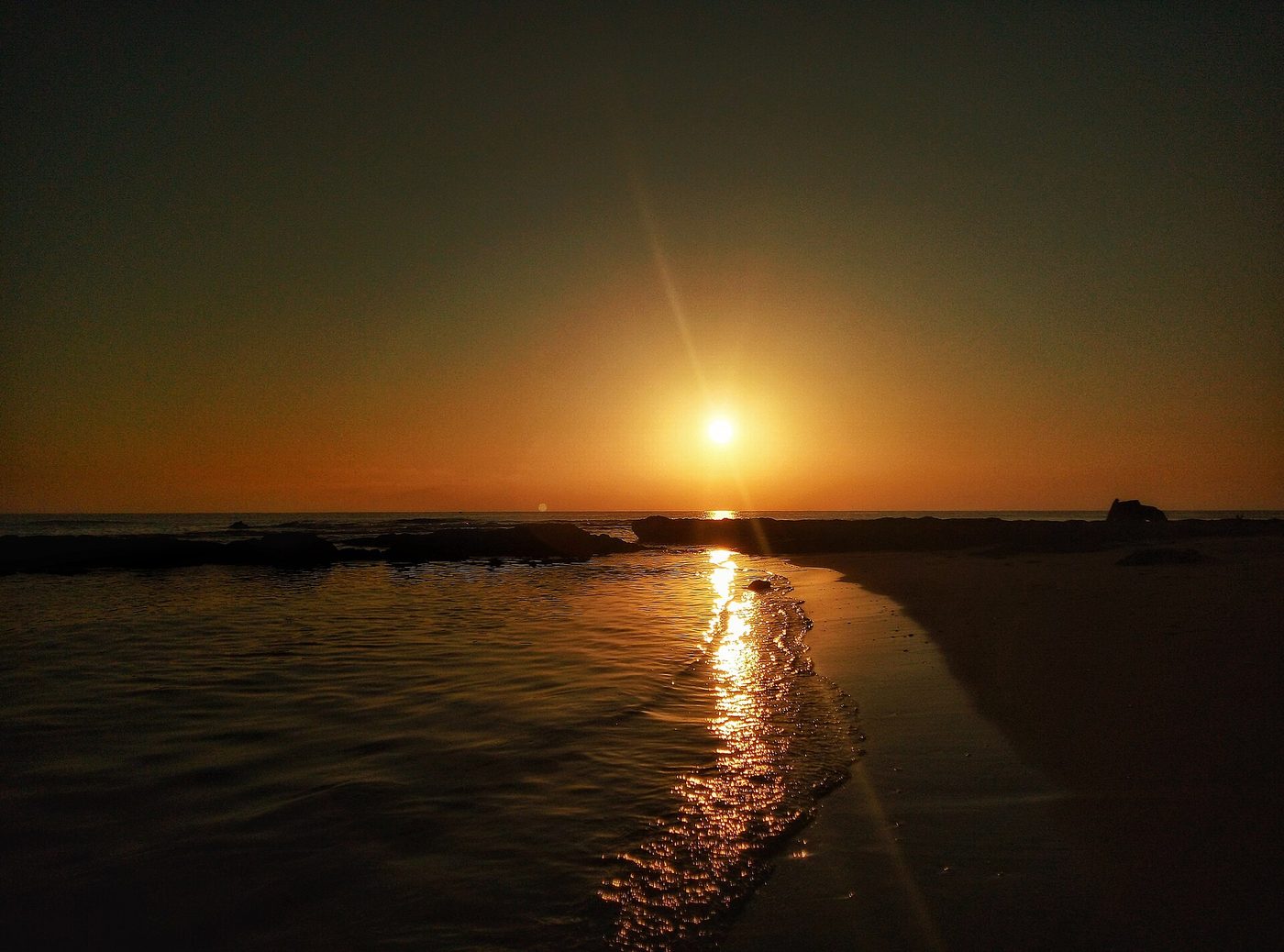
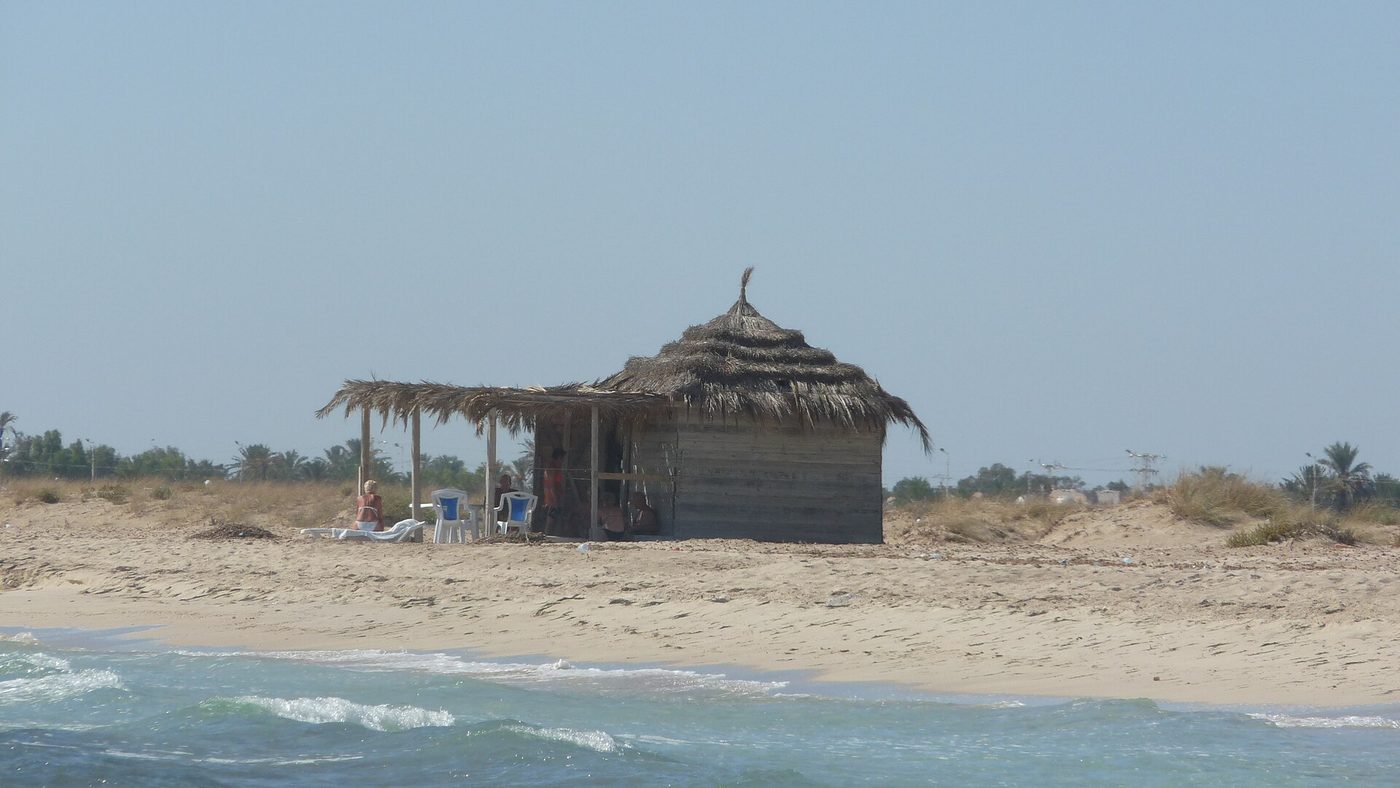
If a proper beach week is any part of your plan, this is Tunisia’s clearest win. Tunisia’s entire coast is Mediterranean, the sea is warm and swimmable from roughly June into October, and the country has organised beach resorts at every price point in Hammamet, Sousse and on the island of Djerba.
Morocco’s beach story is different. Its main resort coast is Atlantic, around Agadir, and the water there stays cool even in high summer — often around 19–21°C when Tunisia’s Med is in the mid-20s. It’s superb for surfing and long sandy walks, less so for a warm dip. Morocco’s small Mediterranean coast in the north is prettier for swimming but far less developed for package holidays.
So for a classic sun-and-sea family package — fly, flop, swim, repeat — Tunisia is the stronger pick, both on water temperature and on the sheer density of resorts. Our honest roundup of Tunisia’s best beaches separates the genuinely lovely from the overhyped, and Djerba in particular stays warm later into the year — more in our Djerba guide.
Culture and history: depth versus drama
This is where Morocco earns its reputation — and where Tunisia quietly out-punches it on the ancient world.
Where Morocco wins: cities, medinas and mountains
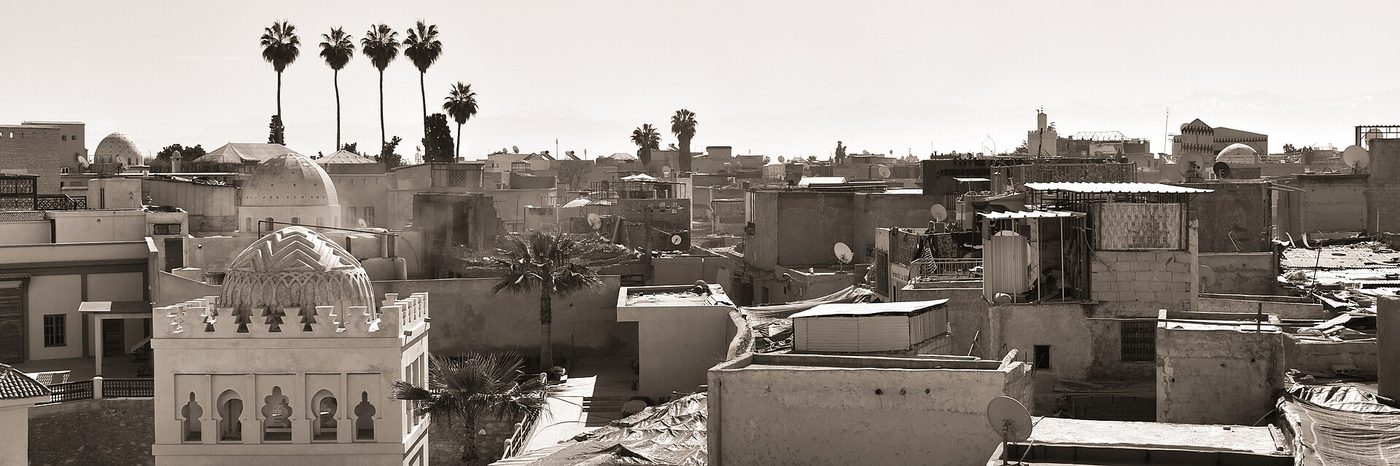
Morocco’s medieval cities are among the most atmospheric in the Arab world. Fes has the largest car-free urban area on the planet, a labyrinth you can genuinely lose yourself in; Marrakech is its theatrical cousin, all souks and square-side drama at dusk. Add the blue-painted town of Chefchaouen, the kasbahs, the riad guesthouses and three serious mountain ranges in the Atlas, and Morocco offers a scale and variety of set-pieces Tunisia doesn’t try to match.
Morocco also more or less invented the modern riad stay — sleeping in a restored courtyard house behind an unremarkable medina door, all fountains and tilework within. There are hundreds to choose from in Marrakech and Fes. Tunisia’s equivalent dar guesthouses in the Tunis medina are lovely but far fewer, so for atmospheric boutique lodging Morocco has the deeper bench.
If the medina experience or a proper mountain trek is the whole reason you’re going, Morocco is the answer, and it isn’t close. The trade-off is that these places are busy and the hard-sell in the tourist medinas is real.
Where Tunisia wins: the classical world, with space to breathe
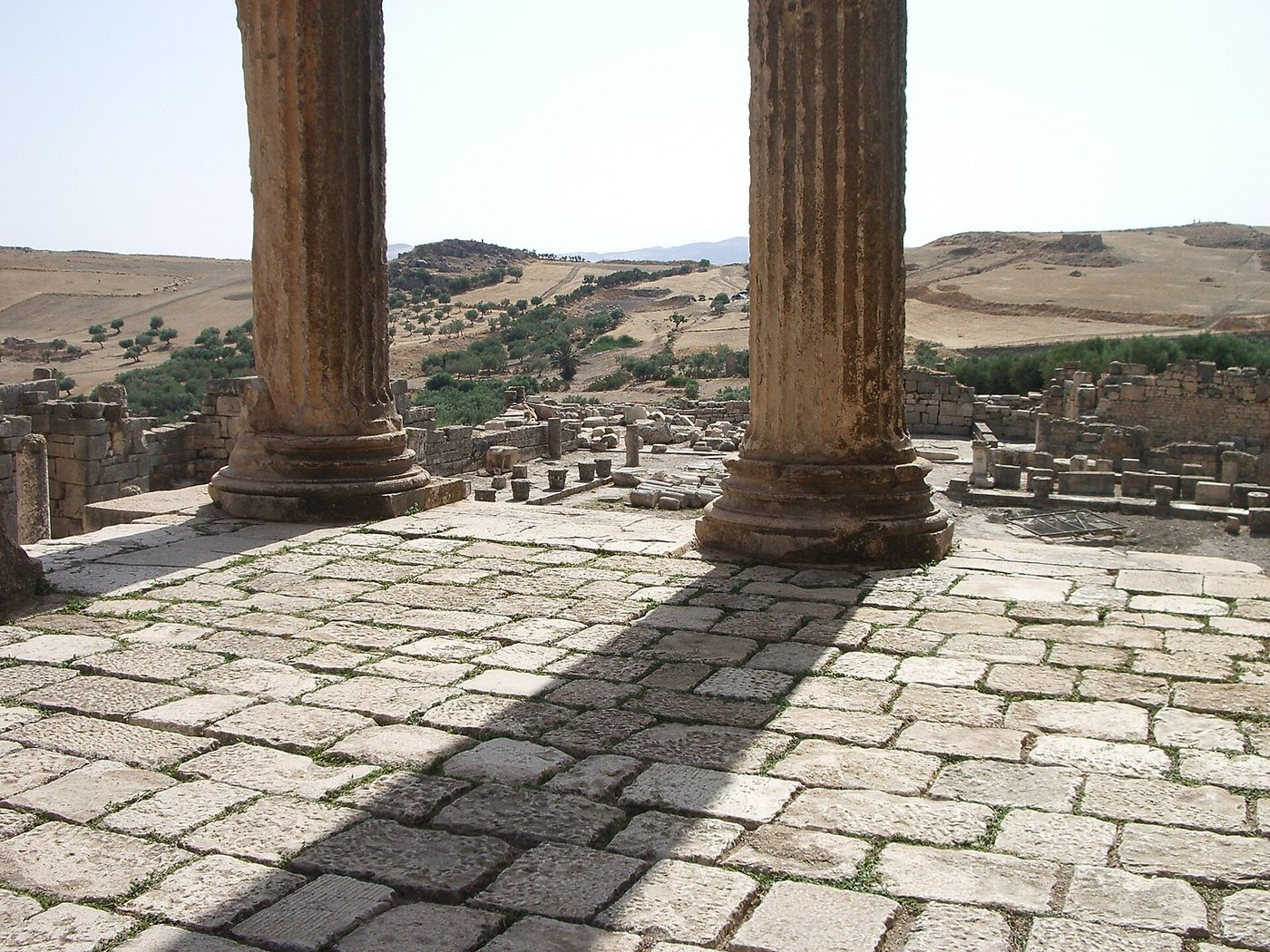
Tunisia holds the largest collection of Roman sites outside Italy, and several are better preserved than almost anything in Morocco. The amphitheatre at El Djem is the third-largest the Romans ever built, and you’ll often share it with a handful of people. Dougga is arguably the finest Roman town in North Africa; Carthage sprawls above the sea outside Tunis; and the Bardo Museum holds the world’s greatest collection of Roman mosaics. Our guide to Roman ruins in Tunisia maps them all.
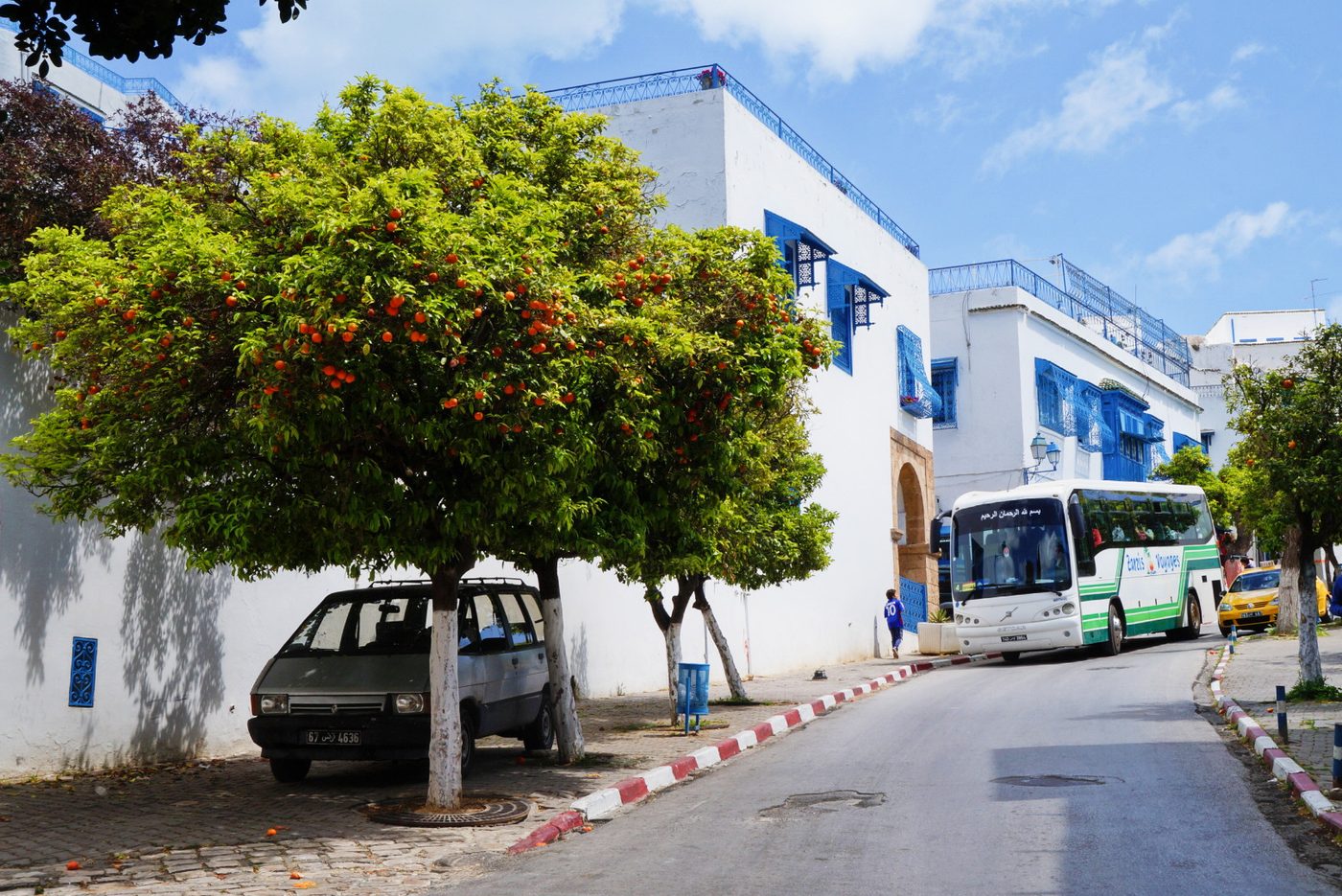
Tunisia’s own medinas — Tunis, Sousse, Kairouan — are calmer, more workaday and, many would say, more authentic precisely because fewer tour buses arrive. The blue-and-white cliff village of Sidi Bou Said is as photogenic as anything in Morocco, with a fraction of the crowds. There’s more on all of this in our guides to Tunisian culture and the most beautiful places in Tunisia.
Food: closer than you’d think
Morocco has the more famous cuisine abroad — tagine, pastilla, the seven-vegetable couscous — and the deeper restaurant scene in its tourist cities. But Tunisian food is more varied and more sea-driven than its profile suggests, built around fiery harissa (now UNESCO-listed), crisp fried brik, grilled fish and slow-cooked couscous. The rough consensus among people who’ve eaten widely in both: Morocco has the better restaurants, Tunisia the better home cooking. Our Tunisian food guide tells you what to order.
Both share couscous as a national dish, cooked quite differently in each, and both do wonderful street food, dates and pastries. Vegetarians tend to eat a little better in Morocco’s restaurants, where the meze-style spreads are generous; Tunisia rewards anyone willing to seek out the small places where locals actually eat rather than judging it by a resort buffet.
The Sahara: both deliver, differently
Good news — you get a real desert either way. The question is which kind of Sahara trip suits you.
- Morocco (Merzouga): the Erg Chebbi dunes are taller and more cinematic, and among the most photographed in Africa. The catch is distance and price — it’s a long haul from Marrakech (often an overnight each way), busier, and dearer.
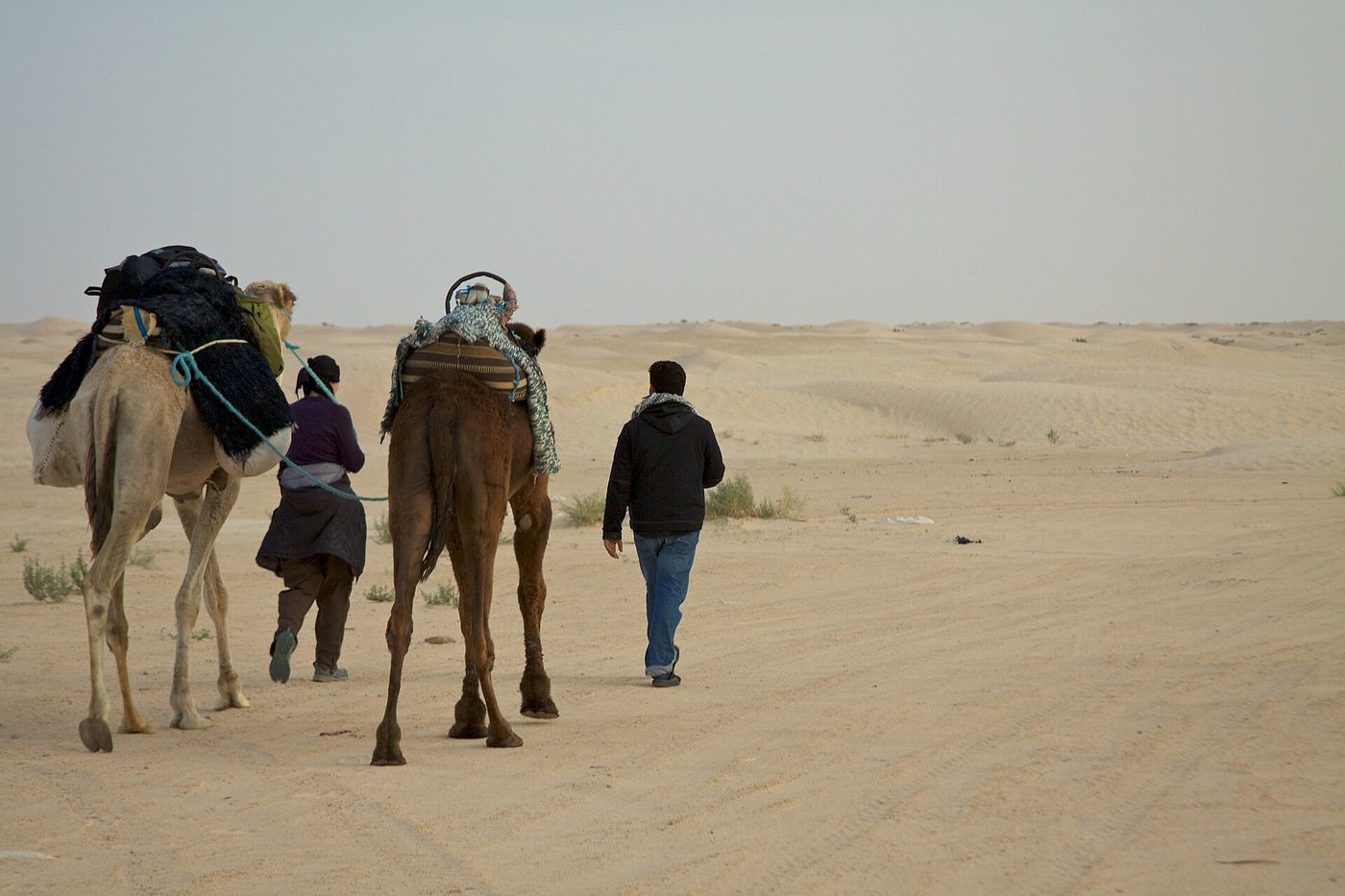
- Tunisia (Douz, Tozeur, Ksar Ghilane): the Grand Erg Oriental is closer to everything else, cheaper to do, far less touristed, and comes with the original Star Wars film sets thrown in. The dunes are lower but the experience — camel ride, night under the stars — is every bit as real.
The honest summary: Morocco’s desert is more spectacular, Tunisia’s is more accessible and better value. If a Sahara night is on your list but you don’t want to build a whole trip around it, Tunisia makes it a comfortable one- or two-night add-on. Start with our guide to the Tunisian Sahara.
Ease and intensity: which is easier for first-timers?
This one decides more trips than people expect. Morocco is a big country — a meaningful first visit usually means Marrakech, Fes, maybe Chefchaouen and the desert, which realistically needs 10 to 12 days and either long drives or internal flights. It’s a rewarding trip, but it’s a proper expedition, and the constant moving-on tires some people out.
Tunisia is about a third of Morocco’s size and you can drive its full length in a day. Most trips orbit a single base — a resort on the coast — with day trips out to ruins, medinas or the desert. That makes it far gentler for a first taste of North Africa, for families, or for anyone who wants a holiday rather than a travel marathon.
Getting around underlines the point. In Tunisia, cheap shared louages (minibuses), a coastal train line and short taxi hops connect the resort areas, and most people simply book excursions from their hotel. Morocco has excellent trains between the big cities and comfortable long-distance coaches, but the distances are long and the desert leg in particular eats the best part of a day each way. Neither is hard — Tunisia is just less of a commitment.
Flight times from the UK are similar for both — roughly three to three-and-a-half hours into Tunisia, Marrakech or Agadir — so the real difference isn’t getting there, it’s how hard you work once you land. For a relaxed week, Tunisia; for a big, ambitious fortnight, Morocco. If you want the calm, short-haul option, our take on whether Tunisia is worth visiting lays out the case, and the best time to visit helps you pick the week.
Tunisia vs Morocco safety: the honest picture
Both Tunisia and Morocco are established, mass-market destinations that millions of Europeans visit every year, and both run visible security in their tourist areas. Neither is a frontier, and the everyday reality in the places you’d actually go is calm.
For Tunisia, the UK Foreign Office does advise against travel to some specific areas, and here is the exact wording, which we date-stamp and re-check: the “FCDO advises against all travel to the Chaambi Mountains National Park and the designated military operations zones of Mount Salloum, Mount Sammamma and Mount Mghila; and against all but essential travel to parts of the interior including Kasserine Governorate (including the town of Sbeitla), and to within 75km of the Tunisia–Libya border, including Remada and El Borma but excluding Zarzis, the C118 road and all areas in Medenine Governorate north of the road.” That advice was still current at 19 June 2026 (last updated 23 February 2026).
The key point for a holidaymaker: every place you’d realistically visit — Hammamet, Sousse, Djerba, Tunis and the main Sahara circuit — sits far from those zones, which are remote border strips and inland mountains. We lay out the full picture, with the numbers, in our guide to whether Tunisia is safe.
Morocco has its own UK government travel advice, with its own restricted areas and its own local considerations. We won’t paraphrase another country’s advisory from memory, and it would be unfair to imply one country is simply “safer” than the other — the sensible step for either is identical: read the current FCDO page for the specific country before you book, sign up for its alerts, and take out proper travel insurance. On the everyday stuff, seasoned travellers do tend to rate Tunisia’s tourist areas a touch gentler on hassle than Morocco’s big-city medinas, but both are visited safely by huge numbers of people.
Two health notes apply whichever you pick. Your UK GHIC is not valid in Tunisia (or Morocco), so comprehensive travel insurance with medical cover and repatriation is essential. And for Tunisia, check the NHS’s TravelHealthPro Tunisia page for jabs and food-and-water advice; stick to bottled water and be sensible at buffets to avoid the common upset stomach.
Which should you book? Verdict by traveller type
No single winner, so here’s who each one suits best.
| You are… | Lean towards | Because |
|---|---|---|
| A budget-focused traveller | Tunisia | Roughly a quarter to a third cheaper across the board |
| After a warm-sea beach week | Tunisia | Warm Med vs Morocco’s cool Atlantic |
| A first-timer wanting an easy trip | Tunisia | Compact, one base, short day trips |
| Chasing famous cities and medinas | Morocco | Marrakech and Fes are in a class of their own |
| A mountain trekker | Morocco | The Atlas ranges; Tunisia only has hills |
| An ancient-history lover | Tunisia | Roman ruins largely to yourself |
| After the most dramatic dunes | Morocco | Merzouga’s Erg Chebbi is taller and grander |
| Wanting a Sahara night without the trek | Tunisia | Closer, cheaper, less touristed |
Our one-sentence steer: if it’s your first North African trip and you want relaxation, value and a beach, start with Tunisia; if you want a bigger, more cinematic adventure and don’t mind the effort and the cost, go to Morocco. Many keen travellers eventually do both — they complement rather than repeat each other.
Still weighing up the wider field? We’ve done the same honest head-to-head for Tunisia vs Turkey and Tunisia vs Egypt.
Tunisia vs Morocco: your questions answered
Is Tunisia cheaper than Morocco?
Yes. Cost-of-living comparisons put Tunisia roughly a quarter to a third cheaper than Morocco overall, and the gap shows up across hotels, restaurants, taxis, guides and desert tours. Both are affordable by UK standards, but Tunisia is one of the best-value destinations in the wider Mediterranean. Always check current prices, as they move.
Is Tunisia or Morocco better for a first trip to North Africa?
For most first-timers, Tunisia is the gentler introduction: it’s compact, cheaper, has a warm-sea beach to relax on, and you can base yourself in one resort with easy day trips. Morocco is more rewarding for a bigger adventure but needs more time, more travel and more energy. Pick by the trip you actually want.
Which has better beaches, Tunisia or Morocco?
Tunisia, for a swimming-and-sunbathing holiday. Its coast is Mediterranean and warm from roughly June to October, with resorts at every price point. Morocco’s main beach coast around Agadir is Atlantic and stays cool even in summer — great for surfers, less so for a warm dip.
Is Morocco or Tunisia better for culture?
It depends on the culture you’re after. Morocco wins for medieval cities and medinas — Marrakech and Fes are extraordinary. Tunisia wins for the classical world, with the best-preserved Roman ruins outside Italy and the world’s greatest mosaic collection, generally without the crowds. Different strengths, both deep.
Which is better for the Sahara, Tunisia or Morocco?
Morocco’s Merzouga dunes are taller and more dramatic but far from Marrakech, busier and pricier. Tunisia’s desert around Douz and Tozeur is lower but closer, cheaper, quieter and comes with the original Star Wars sets. For spectacle, Morocco; for an easy, good-value desert night, Tunisia.
Is Tunisia or Morocco safer?
Both are established destinations visited safely by millions each year, with visible tourist-area security. The UK Foreign Office restricts specific remote zones in each country — for Tunisia, chiefly border strips and inland mountains far from the resorts. Read the current FCDO page for whichever you choose, and take out proper travel insurance either way. It’s unfair to call one simply “safer”.
Can you drink alcohol in Tunisia and Morocco?
More easily in Tunisia. Wine, beer and spirits are widely available in Tunisian restaurants, bars, hotels and supermarkets, and Tunisia has a long-standing wine industry. Morocco is officially more restrictive, though tourist zones and licensed venues make it straightforward enough. Both are Muslim countries, so alcohol is pricier and less central than in Europe.
How long do you need in Tunisia versus Morocco?
Tunisia works well in a week — a beach base plus two or three day trips covers the highlights. A meaningful first Morocco trip usually needs 10 to 12 days to link Marrakech, Fes and the desert without rushing. If you only have a week, Tunisia fits it far more comfortably.
Do UK tourists need a visa for Tunisia or Morocco?
UK tourists don’t need a visa for short stays in either Tunisia or Morocco; you get an entry stamp on arrival. Entry rules change, so check the current UK government advice for whichever country you choose before you travel, and make sure your passport meets the validity requirements.
Can you combine Tunisia and Morocco in one trip?
Not easily. They don’t share an open land border (Algeria sits between them), and direct flights are limited and pricey. Most travellers treat them as two separate trips, or connect via a European city like Paris or Madrid. If you have three weeks and really want both, a Europe stopover between them is the cleanest route.
Is Tunisia or Morocco better value for families?
Tunisia, generally. It’s cheaper, has warm shallow sea and a dense supply of family all-inclusives, and the shorter, simpler trips suit children better than Morocco’s longer travel days. Morocco is a wonderful family adventure for older kids who enjoy exploring, but Tunisia is the easier, better-value family beach holiday.
Should I choose Tunisia or Morocco overall?
Choose Tunisia for value, a warm-sea beach, uncrowded Roman history and an easy week. Choose Morocco for famous cities, mountains and the most dramatic desert, if you have the time and energy for a bigger trip. They’re different enough that keen travellers happily do both over the years.
Written by the Tunisia Tourism Guide team — an independent UK-focused guide to travelling in Tunisia. We don’t sell tours or take hotel commissions. Prices and advice were checked at publication; always confirm current details before you book.
Photo credits
All images via Wikimedia Commons, used with thanks: The blue-and-white clifftop village of Sidi Bou Said near Tunis © Rene Cortin (CC BY-SA 4.0); The Roman ruins of Dougga in Tunisia © No machine-readable author provided. Wiskandar~commonswiki assumed (based on cop (Public domain); A warm Mediterranean beach on the island of Djerba © Philippe HECKEL from France (CC BY 2.0); The busy medina and souks of Marrakech © Misa.stefanovic.07 (CC BY-SA 4.0).