By the Tunisia Tourism Guide team · Last updated 2 July 2026 · We don’t sell tours or take hotel commissions — this is independent advice.
Of all the month-by-month questions we get from UK readers, October is far and away the busiest. It’s the half-term slot, the “can we still swim?” slot, and the month the cheap late-season deals appear. So let’s answer it properly, honestly, with the numbers in front of us.
Tunisia in October is one of the best-value warm-weather breaks a UK traveller can book. Expect comfortable days averaging around 25°C on the coast, a sea that still averages about 23°C at Sousse and 25°C at Djerba, and plenty of sunshine, with the odd autumn shower possible. It’s the tail end of beach season, and prices drop.
That’s the short version, and it slots into our wider guide to the best time to visit Tunisia, where we rank every month; here we go deep on October alone.
Tunisia in October: the weather at a glance
Here’s the coastal picture — the Hammamet–Sousse belt where most Brits stay. Treat every figure as a long-term average, not a promise: October is a shoulder month, and shoulder months wobble.
| October (coast) | What to expect |
|---|---|
| Air high | Around 25°C (often warmer early in the month, cooling towards the end) |
| Air low (night) | Averages about 16°C at Sousse to 20°C at Djerba — a light layer for the evenings |
| Sea temperature | Around 23–24°C — still very swimmable, warmest in the first fortnight |
| Rainfall | Roughly 60mm across a handful of days; October is the coast’s wettest autumn month, but rain tends to come late |
| Sunshine | Around 7 hours a day at Tunis and Monastir, about 8 at Djerba |
| Crowds & prices | Quieter than summer; a UK half-term bump late month; among the best-value weeks of the year |
The headline is that October gives you genuine summer-holiday warmth without July’s heat and without July’s prices. The catch is the weather gamble creeps in as the month goes on — so if swimming is the whole point, the earlier you go, the safer the bet.
Is Tunisia hot in October?
“Hot” is the wrong word, and that’s usually good news. October in Tunisia is warm rather than hot — think a lovely English July that actually turns up, day after day. Coastal highs sit around 25°C, which is comfortable for sightseeing, walking a medina, or lying on a beach without frying. Monthly average highs run from about 25°C to 27°C at the coast resorts, and the days cool a little as autumn deepens.
What changes most is the evening. In summer the nights stay balmy; in October they cool off noticeably, with average lows of about 16°C at Sousse, 17°C at Tunis, 19°C at Monastir and 20°C at Djerba. That’s not cold, but pack a light jumper or a shirt to throw on, especially if you’re eating outdoors or walking back to the hotel after dark. The sea, having soaked up all that summer heat, is slower to cool than the air, which is exactly why October swimming still works.
Early October vs late October — the split that matters
If we could give you one piece of October advice, it’s this: the first two weeks and the last two weeks are almost different holidays.
- Early October (roughly the 1st to the 15th) is, for our money, one of the sweetest weeks of the whole year. The sea is at its warmest for the month, days are reliably warm and dry, and the summer crowds have gone home. It feels like summer with the volume turned down.
- Late October (the 16th to the 31st) is cooler, greener and more of a gamble. Days shorten and a grey, breezy spell is more likely. It’s still a lovely time to tour, but it’s less of a dead cert for the beach.
Since October half-term in England and Wales usually falls in that second half, families booking for half-term should go in with beach-optional expectations — brilliant if the sun shines, but have a plan B of ruins, souks and a desert trip ready.
Can you swim in the sea in Tunisia in October?
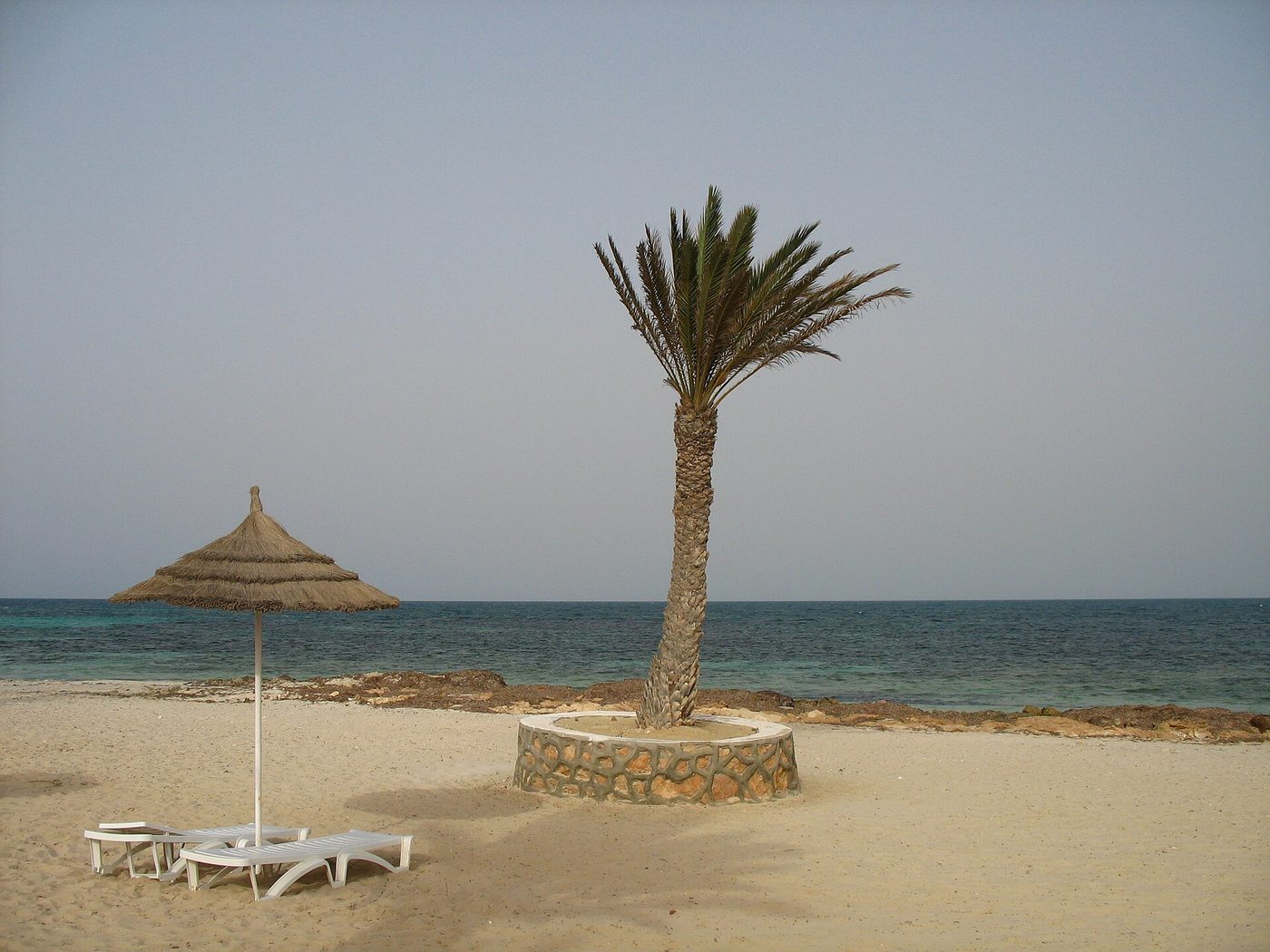
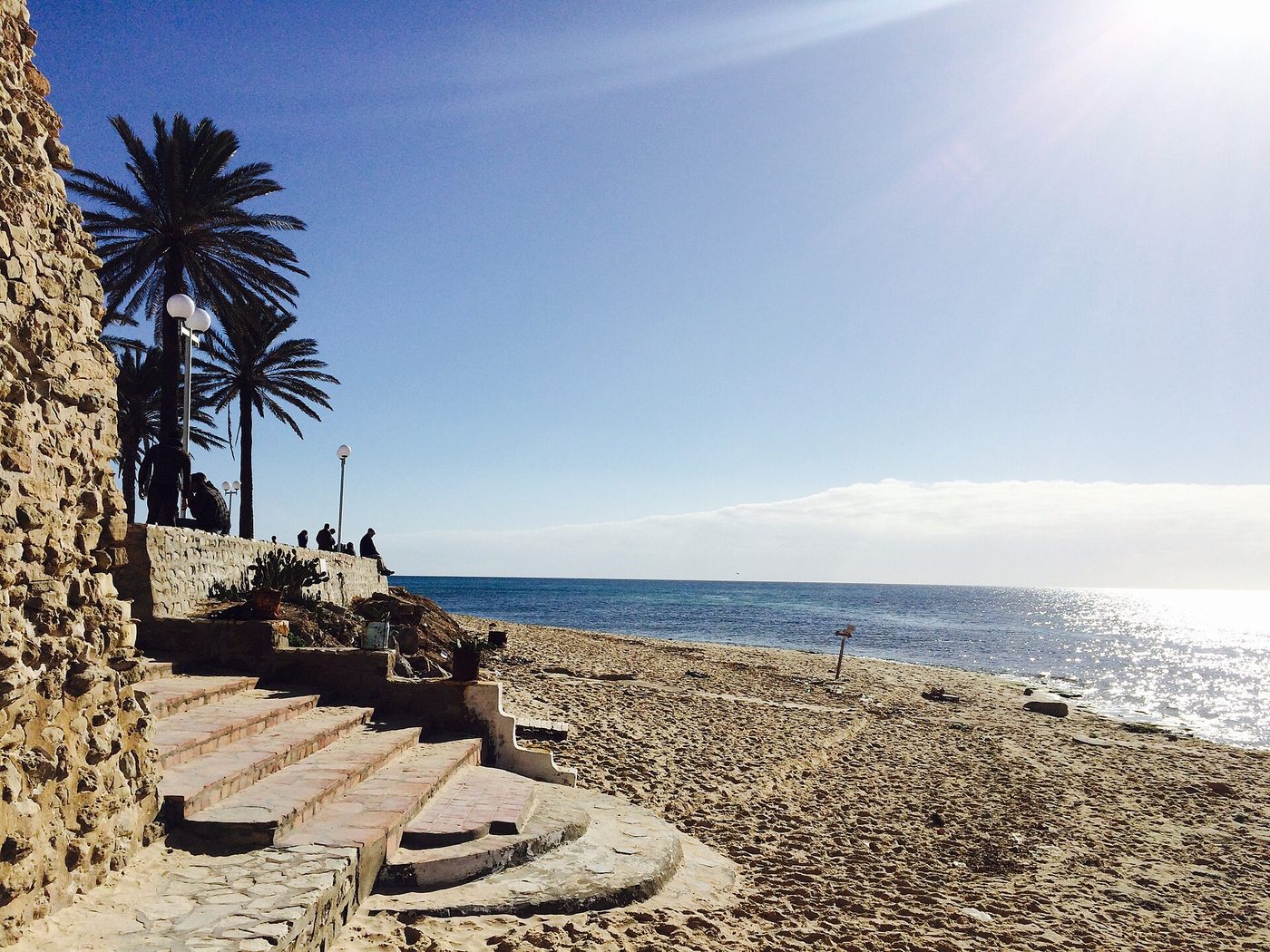
Yes — and this is October’s headline act for beach lovers. The Mediterranean averages about 23°C at Sousse and 25°C at Djerba in October. It’s genuinely pleasant for swimming, snorkelling and messing about with the kids, particularly in the first fortnight.
As the month wears on the sea cools gradually and the cooler days can make it feel brisker getting in. Hardy Brits will be perfectly happy; if you feel the cold, you’ll want the earlier weeks. Our honest roundup of Tunisia’s best beaches tells you which stretches are worth your towel this time of year — some resort beaches thin out beautifully once the summer rush leaves.
October weather resort by resort
Tunisia isn’t one climate. Where you base yourself changes your October quite a bit, so here’s the honest regional picture.
Hammamet and Nabeul
The classic UK choice, and a strong October pick. Hammamet weather in October is warm by day and mild at night, with a sea that’s still good for a swim. The long sandy bay and the sheltered old-town beach are lovely in the softer autumn light. It’s an easy, low-stress base — see our full Hammamet guide for where to stay and what’s within reach.
Sousse and Port El Kantaoui
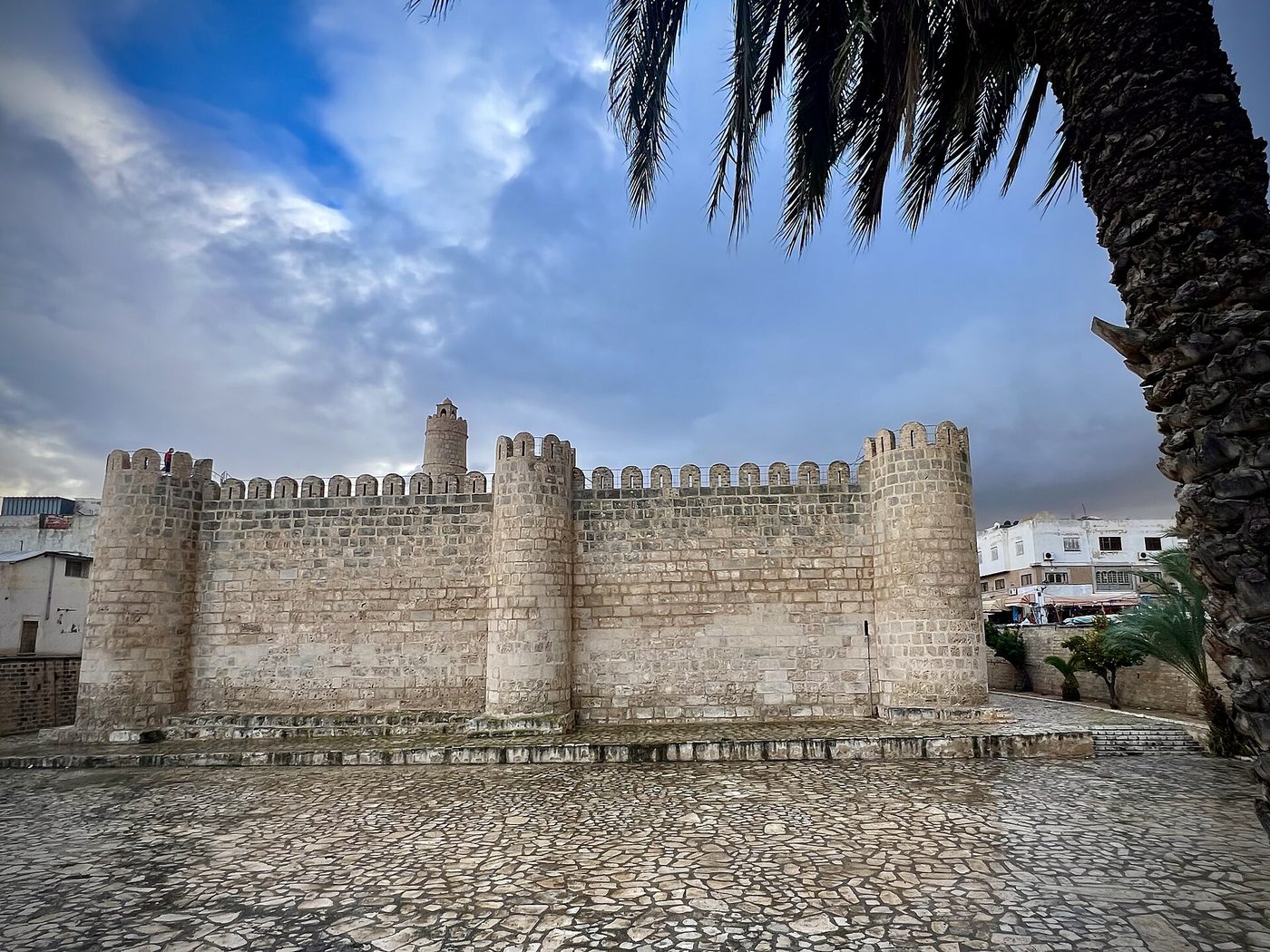
Similar weather to Hammamet — monthly average highs of about 26°C and a sea averaging about 23°C — with the bonus of a big medina, a proper ribat to climb and the marina at Port El Kantaoui for evening strolls. Sousse works well if you want beach plus a bit of city buzz and easy day trips. Our Sousse guide has the detail.
Djerba
The island in the south runs a touch warmer and drier than the mainland resorts, which makes it a smart October hedge. Daytime highs often nudge 27–28°C and the sea can still be around 25°C early in the month — a degree or two of extra warmth that’s very noticeable when you’re deciding whether to swim. If you want to stretch beach season as late as possible, Djerba is the coast’s best bet.
Tunis and Carthage
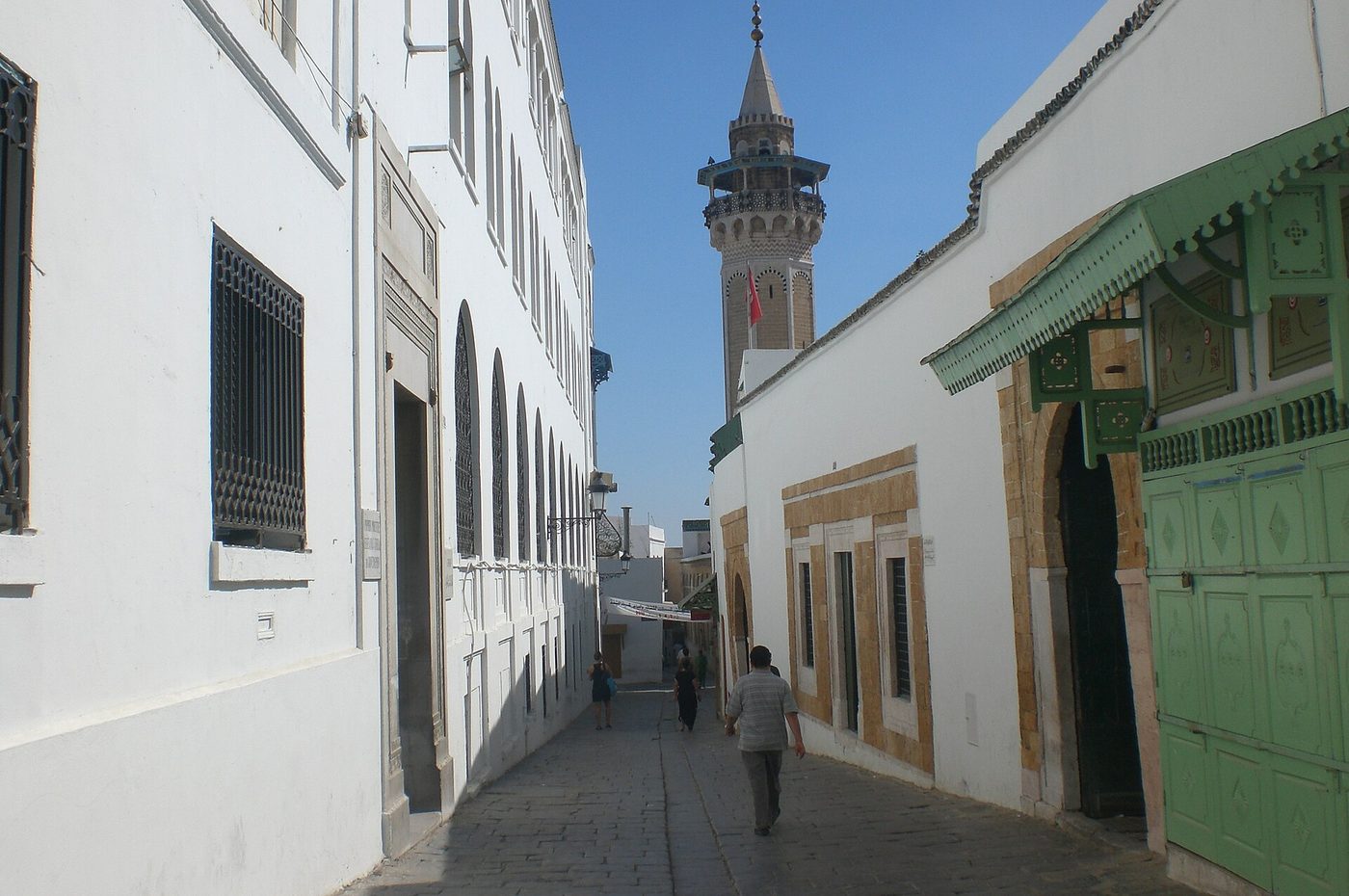
The capital in October is a joy for sightseeing — warm but not sweltering, ideal for the Bardo Museum, the ruins of Carthage and the blue-and-white lanes of Sidi Bou Said. Expect similar coastal temperatures to Hammamet, perhaps a shade cooler in the evenings. It’s a poor beach base but a wonderful culture one; our Tunis guide maps it out.
The Sahara — Tozeur and Douz
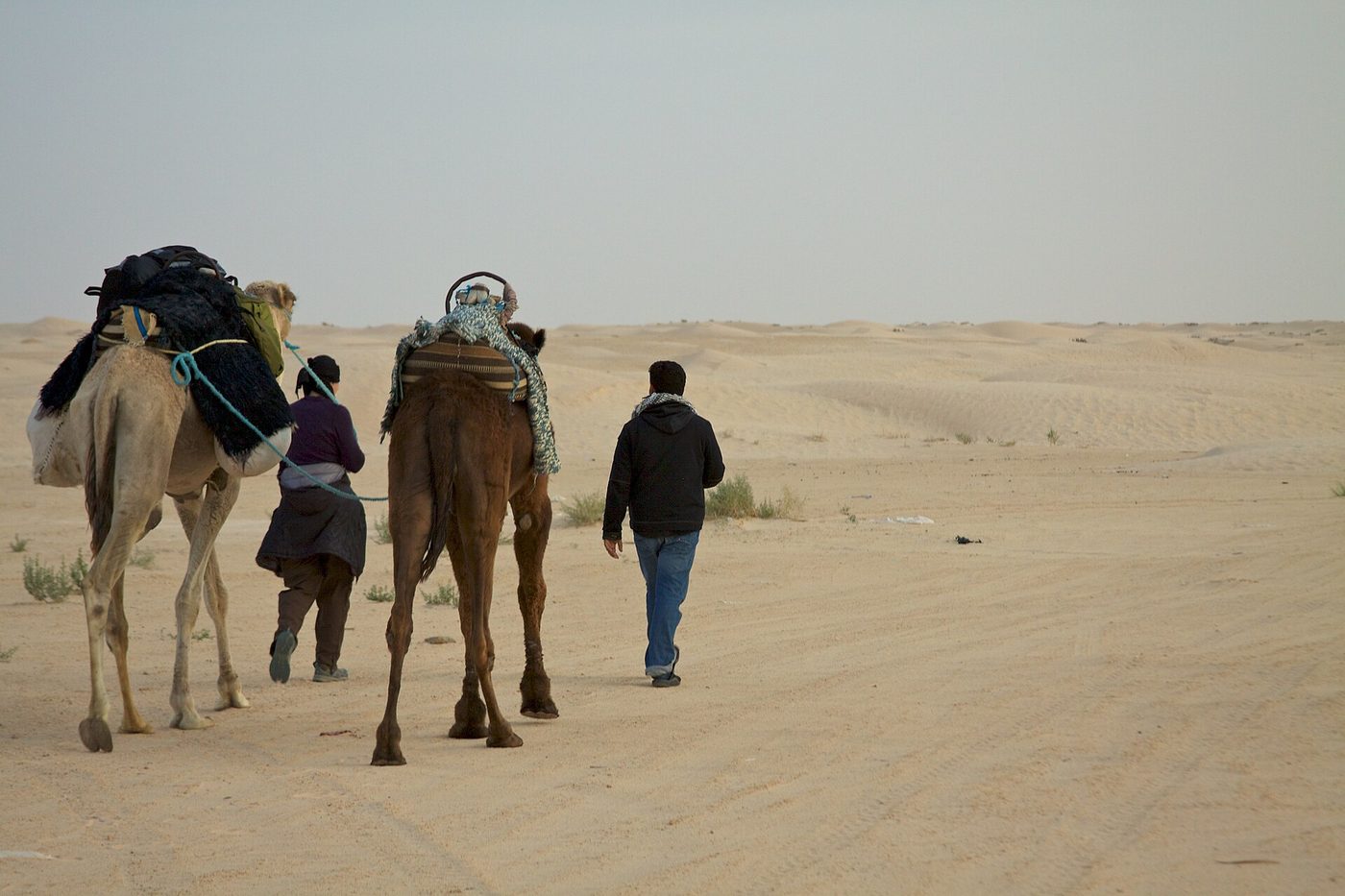
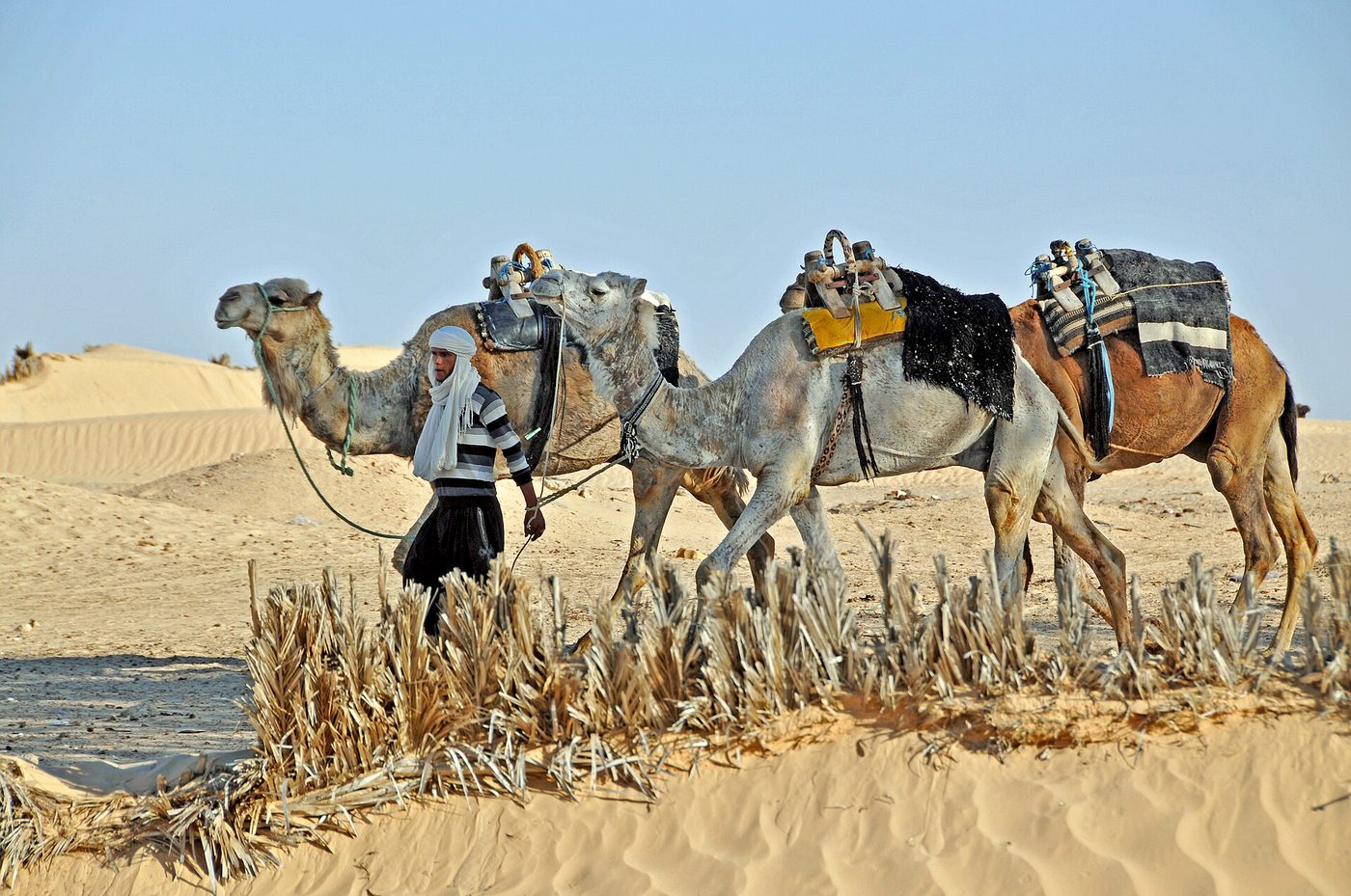
This is where October quietly comes into its own. Through the summer the desert around Tozeur and Douz is very hot, with midsummer highs near 40°C in Tozeur. By October the fierce heat has broken and daytime desert temperatures settle into a very pleasant range for camel rides and dune walks. Check tour dates with your operator. Nights out there cool sharply, so a warm layer is essential for a desert camp. If a night under Saharan stars is on your list, October is one of the best months to do it — start with our guide to the Tunisian Sahara.
What to do in Tunisia in October
The beauty of October is that it opens up the whole country at once. The coast is still warm enough for the beach, and the interior is finally cool enough to explore properly — a combination summer can’t offer.
- Swim and laze in the first fortnight. Bank the warm-sea days early; save the touring for later.
- Ride into the Sahara. With the heat broken, an overnight desert trip from Douz or Tozeur is at its most comfortable. See our overview of the best Tunisia excursions.
- Do the Roman circuit. El Djem’s colossal amphitheatre, Dougga and Carthage are far more enjoyable in 25°C than in August’s furnace — our Roman ruins guide ranks them.
- Chase Star Wars. The desert film sets around Tozeur and Nefta are comfortable to visit again once the heat drops; here’s the Star Wars Tunisia trail.
- Eat well and cheaply. October is olive-harvest season; the food markets are at their best. Read up in our Tunisian food guide.
- Explore the medinas. Sousse, Tunis and Kairouan are a pleasure to wander when it isn’t 35°C.
For a route that stitches the beach and the interior together, our Tunisia itinerary is built for exactly this kind of shoulder-season trip.
What to pack for Tunisia in October
October packing is all about layering — warm days, cooler evenings, and the small chance of a shower, especially late month. Here’s the honest checklist.
| Bring | Why |
|---|---|
| Summer daywear | Days are warm — shorts, T-shirts, sundresses all earn their place |
| A light jumper or two | Nights average about 16°C at Sousse to 20°C at Djerba; you’ll want a layer after dark |
| Swimwear | The sea’s still swimmable — don’t leave it at home |
| A light rain jacket or packable brolly | Autumn showers are possible during the month |
| A warm fleece for the desert | Sahara nights get genuinely cold, even when days are warm |
| Sun cream and a hat | The October sun is gentler but still strong at midday |
| Comfortable walking shoes | For the ruins, medinas and dunes |
| Modest layers for sites | Shoulders and knees covered for mosques and holy sites |
One practical note that trips people up: the Tunisian dinar is a closed currency. You can’t buy it before you fly and can’t take it home, so change money on arrival and convert any leftovers back before departure. Reckon on roughly £1 to 3.8–3.9 dinars in mid-2026, but check the current rate.
Crowds, prices and daylight in October
Here’s where October really rewards you. The peak-summer crush is over, the school-holiday families of July and August have gone home, and hotels drop their rates accordingly — October is consistently one of the best-value months to book Tunisia. You get warm weather at low-season money, which is the whole appeal, and it’s the reason we point so many readers at it when they ask where their pounds will stretch furthest.
The one exception is UK half-term, so book family resorts early if that is your week. If your dates are flexible, the first three weeks are quieter and often cheaper still. Wherever you stay, our where-to-stay guide helps you pick the right resort for the season.
Daylight shortens through the month, from roughly eleven and a half hours at the start to under eleven by the end — noticeably less than high summer, so plan your excursions to make the most of the light and don’t expect long golden evenings on the beach. It’s a small trade for the warmth and the value, but worth building into your days.
Who is October in Tunisia good for?
It’s one of the most broadly appealing months, but let’s be specific.
- Families — a strong pick, especially early month; warm sea, cheap all-inclusives, camel rides and waterparks (though some pools may be unheated by late October). Our Tunisia with kids guide has the family angle.
- Couples — lovely. Warm days, soft light, quieter resorts and cheap dinners out; late-month romantics won’t mind swapping some beach time for touring.
- Solo travellers — a comfortable, easygoing month with fewer crowds; see our solo female travel guide for the practical side.
- Older visitors and culture lovers — arguably the best month of all: the heat has broken, the ruins are quiet, and the desert is comfortable.
- Dedicated sun-worshippers — go early, and consider Djerba to squeeze the warmest, driest days out of the month.
How October compares to September and November
October sits between the last of summer and the honest shoulder season, and choosing between the three comes down to how much you’re willing to gamble on the weather.
- September is warmer — coastal days around 30°C and a sea still very warm after its August peak. If guaranteed beach warmth matters more than rock-bottom prices, nudge earlier to Tunisia in September.
- November is milder — average highs are about 21°C at Sousse and 22°C at Tunis, and the sea is cooling — so it suits touring and spas better than beach days. If you want the quietest, cheapest shoulder trip and don’t mind trading the beach for the Sahara and the ruins, look at Tunisia in November.
Put simply: September for the warmest sea, October for the best all-rounder and value, November for the quietest and greenest. October is the Goldilocks middle — which is exactly why it’s the month everyone asks about.
Is Tunisia safe to visit in October?
October is no different from any other month on the safety front, and the tourist areas — Hammamet, Sousse, Djerba, Tunis and the main Sahara circuit — are firmly away from the zones the UK Foreign Office advises against, which are the Chaambi Mountains and remote stretches of the Algerian and Libyan borders. 2025 was a record year for Tunisian tourism with more than 11 million visitors. We keep the full, date-stamped FCDO wording in our guide to whether Tunisia is safe — worth a read before you book so you travel with the right facts.
Tunisia in October: your questions answered
Is October a good time to visit Tunisia?
Yes — it’s one of the best all-round months. You get warm days around 25°C, a sea still pleasant for swimming and plenty of sunshine, with the odd autumn shower possible. Go in the first fortnight for the warmest conditions.
Is Tunisia hot in October?
Warm rather than hot. Coastal daytime highs average around 25°C, often warmer early in the month and a little cooler by the end. Nights average about 16°C at Sousse to 20°C at Djerba, so pack a light layer. It’s ideal sightseeing weather — comfortable for the beach without July’s heat.
Can you still swim in the sea in Tunisia in October?
Yes. The Mediterranean averages about 23°C at Sousse and 25°C at Djerba in October, and it’s pleasant for swimming. It’s warmest in the early weeks and cools as the month goes on. Djerba in the south stays warmer.
What’s Hammamet weather like in October?
Hammamet in October is warm by day and mild at night, with a swimmable sea and mostly sunny days. It’s a comfortable, good-value beach base with warm sea and easy day trips.
Does it rain a lot in Tunisia in October?
Not usually, though October is the coast’s wettest autumn month — expect roughly 60mm spread over a handful of days, most likely in the second half. Early October tends to be dry; late October carries a higher chance of showers. Pack a light rain jacket and you’ll rarely need it.
Is October a good time for a Sahara desert trip in Tunisia?
It’s one of the best. The dangerous summer heat has broken by October, daytime desert temperatures become comfortable for camel rides and dune walks, and the tour season reopens (roughly October to April). Nights get cold, so pack a warm layer for a desert camp.
Is Tunisia good for October half-term?
It’s a strong, affordable half-term choice, but go in with beach-optional expectations. UK half-term falls in the cooler, showerier last week of October, so pair any beach time with ruins, souks and a desert trip. Warm sea is likely but not guaranteed by then; the earlier your dates, the safer the bet.
How busy is Tunisia in October?
Pleasantly quiet for most of the month, as the summer crowds have gone. The exception is UK half-term in the final week, when British families push up demand at the better resorts. Book early for half-term; the first three weeks are quieter and often cheaper.
What should I pack for Tunisia in October?
Summer daywear plus a light jumper for cooler evenings, swimwear, a packable rain jacket for late-month showers, and a warm fleece if you’re doing a desert night. Add sun cream, a hat, comfortable walking shoes and modest layers for mosques and holy sites.
How many hours of sunshine does Tunisia get in October?
Roughly seven hours of sunshine a day on average at Tunis and Monastir, and about eight at Djerba. Days are shortening, but it’s still plenty of light for full days out, but the long golden summer evenings are gone.
Is the sea warmer in Djerba than Hammamet in October?
Yes, usually by a degree or two. Djerba sits further south and stays warmer and drier into autumn, with a sea often around 25°C early in October versus roughly 23–24°C on the mainland coast. If stretching beach season as late as possible is the goal, Djerba is the better base.
Should I choose September or October for Tunisia?
Choose September if guaranteed beach warmth matters most — it’s warmer, with the year’s hottest sea and reliably summery days. Choose October for the best balance of warmth, quiet and value, with the interior finally cool enough to explore. September for the beach; October for the all-rounder.
Written by the Tunisia Tourism Guide team — an independent UK-focused guide to travelling in Tunisia. We don’t sell tours or take hotel commissions. Weather figures are long-term averages and prices were checked at publication; always confirm current forecasts and rates before you book.
Photo credits
All images via Wikimedia Commons, used with thanks: The long sandy beach and turquoise sea at Hammamet © Birdseye95 (CC BY-SA 3.0); The historic Ribat fortress in the medina of Sousse © Sharon Hahn Darlin (CC BY 2.0); Camels on the Sahara dunes near Douz © Dennis G. Jarvis (CC BY-SA 2.0).