By the Tunisia Tourism Guide team · Last updated 2 July 2026 · We don’t sell tours or take hotel commissions — this is independent advice.
December is the month readers second-guess the most. Someone’s spotted a cheap week over Christmas, or they fancy escaping the British damp, and they want to know the honest truth: will they actually feel any sun on their face, or will they land to grey skies and a sea nobody in their right mind would swim in? We get the question in our inbox every winter, so here’s the straight version, with the numbers to back it up.
Tunisia in December is mild rather than hot: the coast averages around 17°C by day and December is the wettest month of the year, so this is emphatically not a beach holiday. But it’s a genuine winter-sun option if you head south to Djerba (a couple of degrees warmer and drier), and a superb time for the Sahara, Roman ruins and the cities. Set your expectations to “crisp, quiet, cultural” rather than “sunlounger”, and December can be a lovely, cheap trip. Where December sits against the rest of the calendar is laid out in our guide to the best time to visit Tunisia — worth a look if you’re still choosing a month.
This guide walks through what the weather actually does in December — early month versus late, day versus night, coast versus desert — plus what’s open, what’s closed, and how to build a trip that plays to the season’s strengths rather than fighting them.
Tunisia weather in December at a glance
Here are the coastal averages for the Hammamet–Sousse belt, where most package holidays land. Treat them as long-run climate normals, not a forecast — always check the current outlook before you pack.
| December (coast) | Typical |
|---|---|
| Air temperature (daytime high) | Averages around 17°C — check current |
| Air temperature (night low) | Around 10°C |
| Sea temperature | Around 18°C |
| Rainfall | The wettest month — roughly 80mm across about 8 rainy days |
| Daylight / sunshine | About 9.5 hours of daylight; roughly 6–7 hours of sun on a clear day |
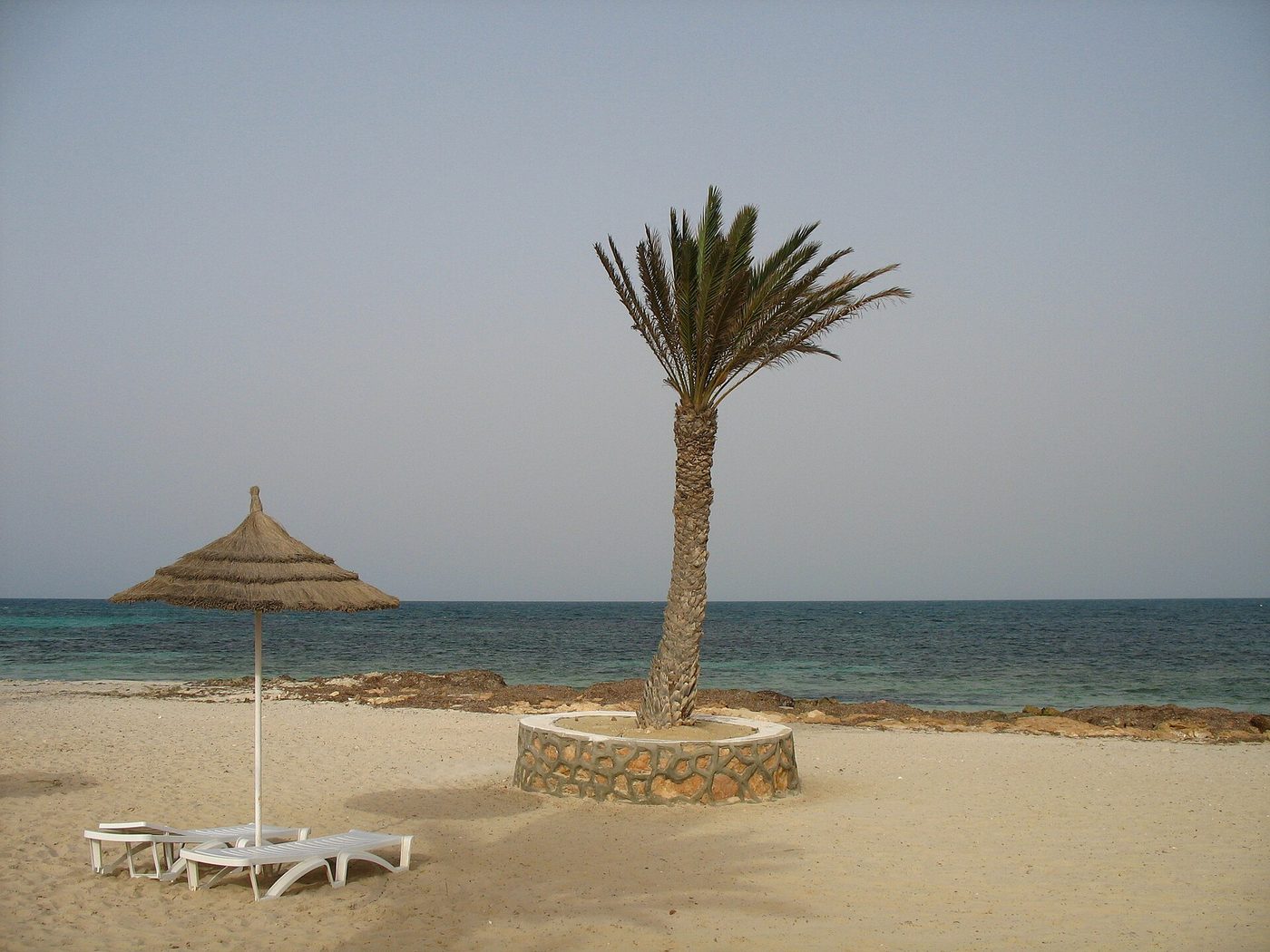
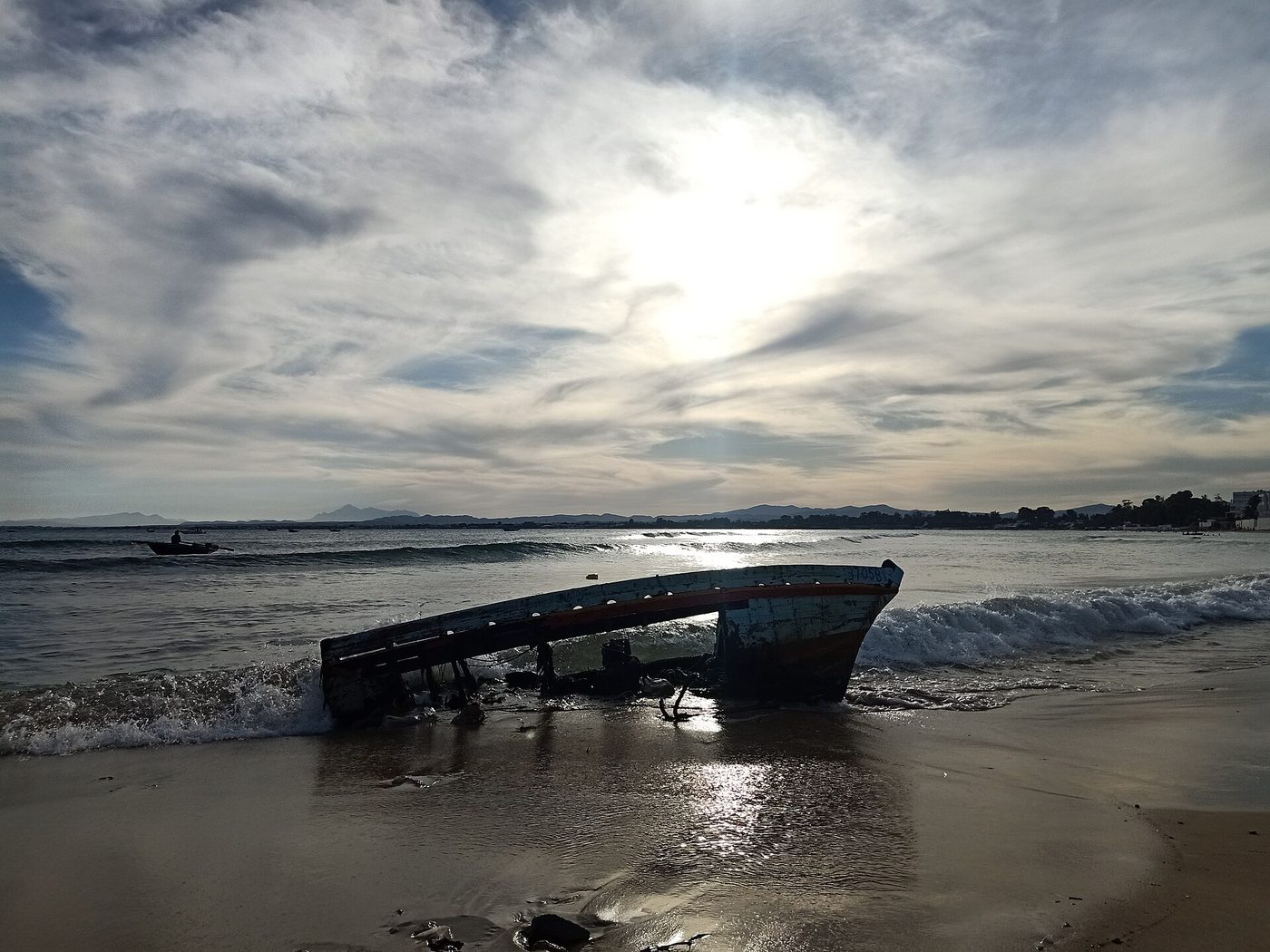
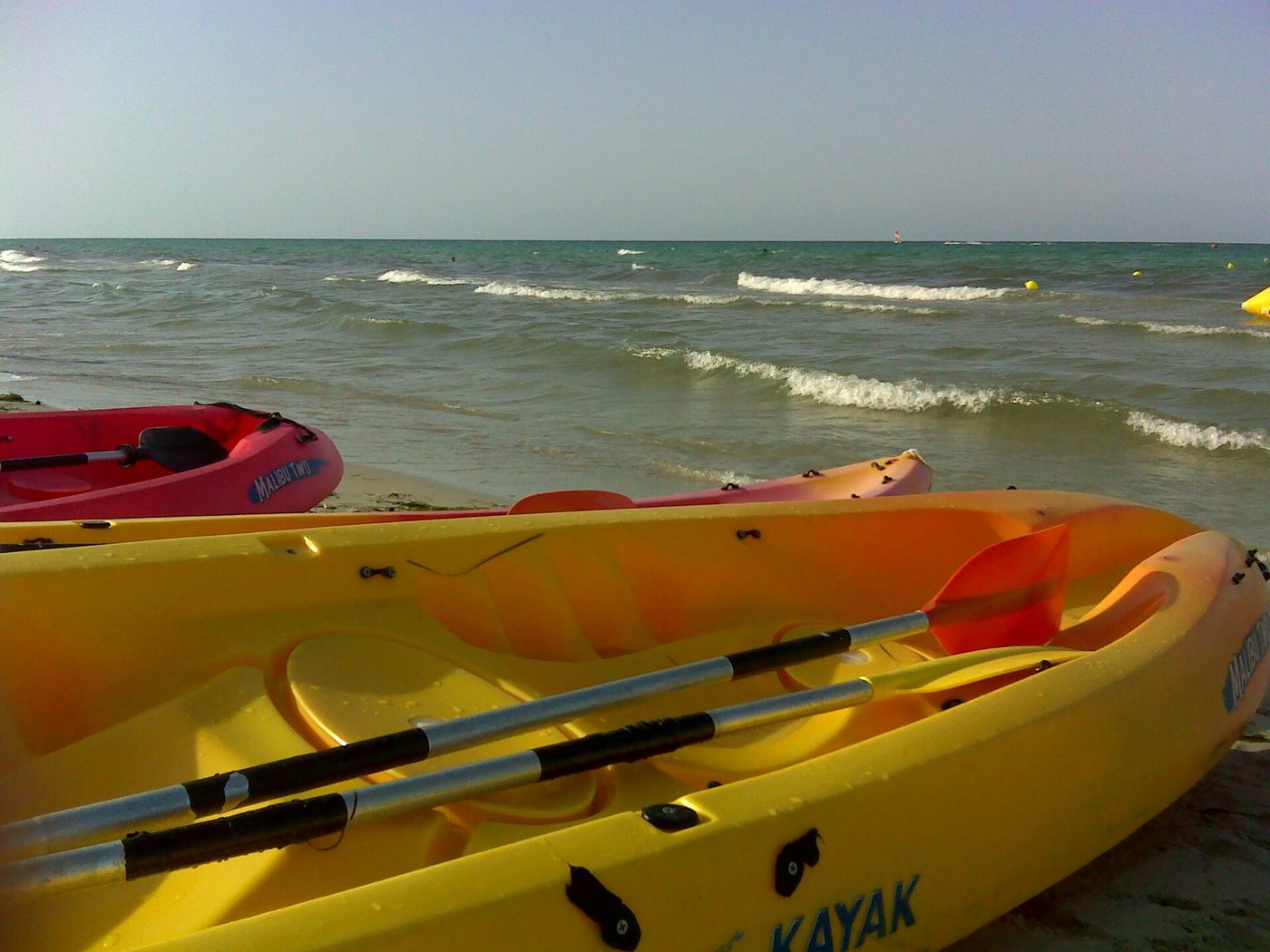
The headline is that word “wettest”. December brings Tunisia its heaviest rainfall of the year, and while that rarely means all-day downpours, it does mean you should pack for showers and the odd grey stretch. When the sun is out it feels pleasant — jumper-and-jacket weather, comfortable for walking — but the sea, at around 18°C, is cold enough that only the hardiest Brits will do more than paddle.
Is Tunisia warm in December? The honest answer
“Warm” is relative, and this is where a lot of disappointment comes from. If your reference point is a British December — frost on the car, dark by four — then yes, Tunisia will feel positively balmy, and stepping off the plane into 15–17°C sunshine is a genuine tonic. If your reference point is a summer beach holiday, it won’t measure up, and no amount of optimistic brochure copy changes that.
Think of December in Tunisia the way you’d think of a fine spring day back home. On a good day you’ll happily wander a medina in a light jacket, sit outside a café in the sun, and feel thoroughly cheered up. On a poor day it’ll be breezy, cloudy and around 12–13°C, and you’ll be glad of a proper coat. Both happen in December, sometimes in the same week, so the trick is to plan a trip that works rain or shine — which, happily, Tunisia does very well.
Early December versus late December
There’s a gentle downward drift across the month. Early December still carries a whisper of autumn: daytime highs can nudge 18–19°C, the sea holds onto some warmth from the summer, and you might get long settled spells. By the back half of the month, and especially into the Christmas–New Year window, it’s cooler and the weather is more changeable, with a higher chance of those wet, blustery days. Nights get chillier too, dropping towards 8–9°C on the coast. None of it is dramatic, but if you have a choice, the first ten days of December tend to be the kinder ones on the coast.
Day and night — the temperature swing
The gap between day and night matters more in winter than people expect. A pleasant 17°C afternoon can become a 9°C evening once the low winter sun drops, and that swing is even bigger inland. Restaurants and cafés are geared up for it — you’ll see outdoor heaters and blankets — but pack layers you can add as the evening cools, and don’t assume “Mediterranean” means warm nights in December, because it doesn’t.
Region by region: where December works
Tunisia isn’t one climate, and in winter the differences between regions are the whole game. Pick the right base and December is a pleasure; pick the wrong one and you’ll spend the week wishing you’d gone somewhere else.
The mainland coast: Hammamet and Sousse
The classic package resorts — Hammamet and Sousse — are at their quietest and cheapest in December, which is both the appeal and the catch. Room rates are low, the beaches and promenades are gloriously uncrowded, and the medinas are calmer and easier to enjoy without the summer crush of vendors. But this is the belt that catches December’s rain, the sea is firmly in paddle-only territory, and a chunk of the seasonal tourist machinery — beach bars, watersports, some restaurants — shuts down for winter.
Choose a mainland resort in December if you want a cheap, low-key base for sightseeing, with a hotel pool (heated ones exist, but confirm before booking) and easy day trips. Don’t choose it expecting beach days. Hammamet in particular has a strong thalassotherapy and spa scene that comes into its own in the cooler months — a day being steamed, scrubbed and soaked in warm seawater is a very December sort of pleasure. Our where-to-stay guide can help you weigh up the resorts.
Djerba and the south: the winter-sun pick
If you want the best shot at warmth and sunshine in December, go south. The island of Djerba sits far enough down the coast that it runs a couple of degrees warmer than the mainland resorts and, crucially, drier — it dodges a good deal of the rain that soaks the north. Daytime highs on Djerba often sit around 18–19°C in December, and the island gets more winter sunshine than almost anywhere else in the country. It’s the reason Djerba is Tunisia’s genuine winter-sun destination and why a chunk of European visitors still come in the depths of winter.
Even here, though, keep it honest: the sea is around 18°C, so it’s still not swimming weather for most, and Djerba gets its share of cloudy days too. What you’re buying is the best odds of pleasant, jacket-optional afternoons — flat cycling lanes, quiet beaches to walk, whitewashed villages, the old synagogue at El Ghriba, and that lovely low winter light. If safety is on your mind for the south, we’ve addressed it plainly in is Djerba safe — the short version is that the island and its coast sit well inside the reassuring zone.
Tunis and the north: city breaks and ruins
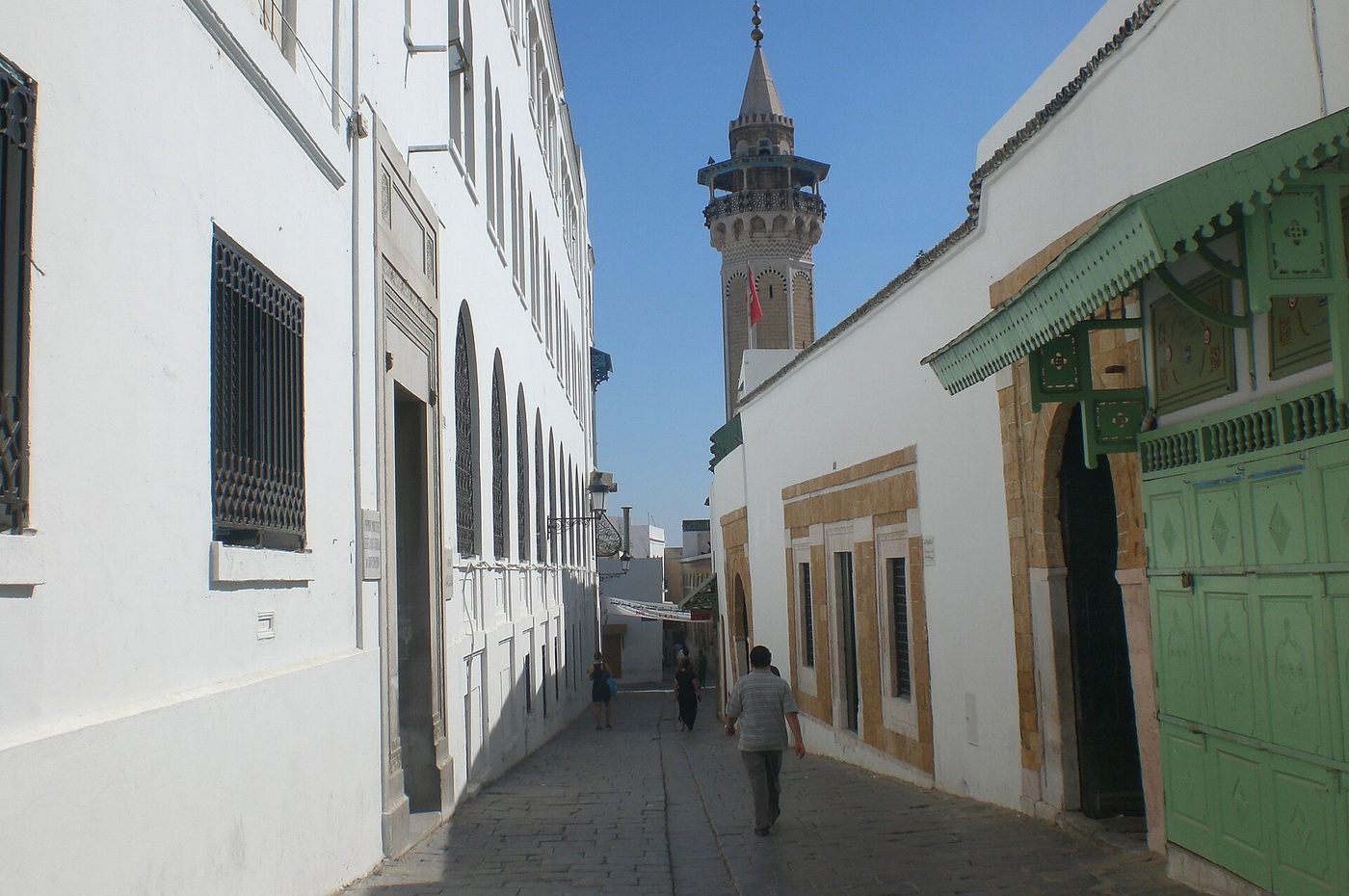
December is an underrated time to visit Tunis. The capital doesn’t rely on beach weather, so a cool, bright winter day is close to ideal for exploring the medina, the Bardo Museum’s mosaics, the ruins of Carthage on the hill above the sea, and the blue-and-white lanes of Sidi Bou Said. You’ll want a coat and an eye on the forecast — the north catches the rain — but wandering a great city in the crisp December air, then ducking into a café for a mint tea, is one of the season’s quiet joys. The nearby Roman ruins, El Djem’s colossal amphitheatre chief among them, are actually more comfortable to explore in cool weather than under the summer sun, and you’ll have them close to yourself.
The Sahara: prime touring season
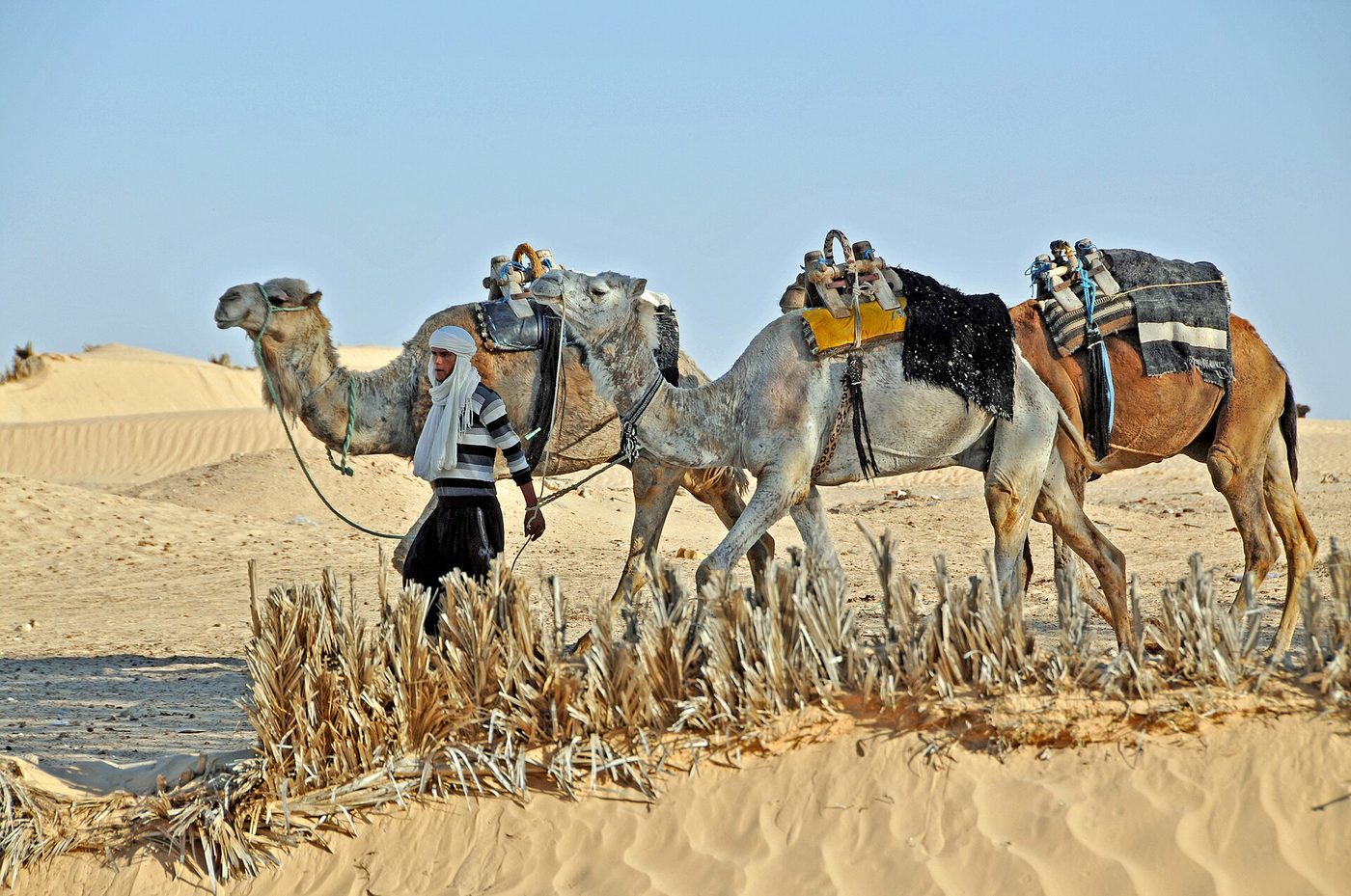
Here’s the region that turns December from a compromise into a highlight. The Tunisian Sahara is dangerously hot in summer, but from October to April it comes into its own, and December sits right in the sweet spot for desert touring. Days at the desert gateways of Douz and Tozeur are typically warm and sunny — often around 18–20°C — with the clear, dry air that makes the dunes glow. It’s the best light of the year for photographs and for that camel ride into the sand everyone books.
The catch is the nights. Desert nights in December are genuinely cold, sometimes dropping close to freezing, so if you’re doing an overnight camp you’ll need proper warm layers — thermals, a hat, a warm coat — not the token fleece people pack for a “hot country”. Reputable camps provide heavy blankets, but the temperature swing from a 19°C afternoon to a near-freezing dawn shocks first-timers every year. Plan for it and a December night under the desert stars is unforgettable; ignore it and you’ll shiver.
Christmas and New Year in Tunisia
Tunisia is a Muslim country, so Christmas isn’t a public holiday and you won’t find the wall-to-wall festive trappings of a European city break. What you will find, in the resort hotels that cater to European visitors, is a proper effort made for the season: Christmas trees in the lobby, special gala dinners on Christmas Eve and Christmas Day, and New Year’s Eve parties with music, entertainment and a countdown. Many all-inclusives lean into it, and for families or couples wanting a sunny, low-cost, no-cooking-no-washing-up Christmas, it can be a real treat.
A few honest caveats. The festive programming is concentrated in the bigger tourist hotels — book one that advertises Christmas and New Year events if that’s what you’re after, because a quiet town-centre guesthouse won’t lay on the same. New Year’s Eve packages can carry a supplement and sell out, so book early. And step outside the hotel and daily life carries on as normal: shops open, no decorations, business as usual, which some travellers find refreshingly un-commercial and others find flat. Go in knowing it’s a sunny escape with a festive layer bolted on for tourists, rather than a Christmassy destination in its own right, and you’ll enjoy it for what it is.
The Douz International Festival of the Sahara
If you want one genuinely special event to time a December trip around, this is it. The Douz International Festival of the Sahara is one of Tunisia’s great cultural gatherings, celebrating the nomadic heritage of the south. The 57th edition is confirmed for 25–28 December 2026, held in and around the desert town of Douz, with associated programmes in nearby Kebili and Tozeur.
It’s a spectacle rather than a polished tourist show. Expect camel races across the sand, horse fantasias with riders firing muskets at the gallop, traditional wrestling, folk music and poetry, sloughi (desert greyhound) displays and re-enactments of Bedouin marriage customs, all staged with the dunes as a backdrop. It draws people from across the region and a scattering of international visitors, and it slots neatly onto the end of a desert tour. Dates for festivals like this can shift, and the fine detail of the programme is often confirmed only weeks ahead, so verify the current schedule before you build a trip around it — but if it lands during your visit, it’s well worth the detour. Our overview of things to do in Tunisia puts it in context with the country’s other highlights.
What to do in Tunisia in December
Lean into the season and there’s plenty to fill a week. Here’s what actually works when the beach is off the table.
- Tour the Sahara. December is prime desert-touring weather — dune drives, camel rides, oasis towns, salt flats and the Star Wars film sets around Tozeur. Warm days, cold nights, brilliant light.
- Do the ruins properly. El Djem, Carthage, Dougga and the Bardo mosaics are more comfortable in cool weather and blissfully quiet. This is arguably the best time of year for Tunisia’s Roman history.
- City-break in Tunis. Medina, museums, Sidi Bou Said and Carthage make a great two- or three-day cool-weather itinerary.
- Book a spa day. Hammamet’s thalassotherapy centres are made for winter — warm seawater pools, hammams, massages. A very December indulgence.
- Walk and cycle Djerba. Flat, mild and quiet: potter around the villages, the market at Houmt Souk, and the beaches on foot or by bike.
- Eat well and cheaply. Cooler weather suits Tunisia’s hearty winter food — steaming couscous, lablabi (chickpea soup), fresh grilled fish. Our Tunisian food guide has the dishes to hunt down.
- Enjoy the low prices. December is off-season on the coast, so flights, hotels and excursions are among the cheapest of the year — the trade-off for the cooler weather.
If you’d rather someone else handle the logistics of a desert trip or a ruins day, a well-chosen tour takes the strain out of winter travel; a rough plan of what to slot in is in our Tunisia itinerary guide.
What to pack for Tunisia in December
December packing is where people slip up, because “North Africa” lulls them into leaving the warm clothes at home. Pack for a cool, changeable spring trip with cold desert nights and you’ll be comfortable. Here’s the checklist we’d use.
| What to pack | Why |
|---|---|
| Layers — jumpers, long sleeves, a fleece | Days are mild but not warm; evenings turn cool quickly |
| A warm, water-resistant jacket | December is the wettest month; you’ll want it for showers and breezy days |
| Comfortable closed walking shoes | Sightseeing, medinas and ruins — sandals won’t cut it now |
| A small umbrella or packable waterproof | Showers come and go; the northern coast and Tunis catch the rain |
| Serious warm kit for the desert | Thermals, hat, gloves and a proper coat if you’re camping in the Sahara — nights near freezing |
| Sunglasses and a little sun cream | The winter sun is still bright, especially in the clear desert air |
| Swimwear (optional) | Only really for a heated hotel pool or a spa — the sea is around 18°C |
| Modest layers for towns and sites | Covered shoulders and knees for mosques and respectful medina wandering |
One practical money note that catches December visitors out: the Tunisian dinar is a closed currency, so you can’t buy it before you fly or take it home. Change money on arrival, keep some cash for taxis and tips, and convert leftovers back before departure. Reckon on roughly £1 to 3.8–3.9 dinars in mid-2026, but check the current rate. More of this practical groundwork is in our Tunisia travel tips.
Who December suits — and who should pick another month
December rewards a particular kind of traveller. It’s a strong pick if you want a cheap winter escape from the British gloom, you’re more interested in history, culture, cities and the desert than in beach days, you fancy a sunny-but-inexpensive Christmas or New Year in a resort, or you’re set on the Sahara and want the good touring season with dramatic light.
It’s the wrong month if a beach holiday with reliable sunbathing and swimming is the whole point — that’s a summer trip, or a shoulder-season gamble at best. It’s also less ideal if you can’t abide changeable weather, or you’re travelling with very young children who need to be outdoors and warm all day. If beach warmth is non-negotiable but you still want value, look at the shoulder months either side of summer rather than midwinter — our month-by-month guide (linked at the top) spells out the trade-offs.
How December compares to November and January
December sits in the coldest, wettest stretch of the Tunisian year, and it helps to see it against its neighbours. November is a notch milder and a touch drier, with the sea still holding around 20°C early in the month — the tail end of the shoulder season, and a better bet if you want any chance of the coast feeling gentle. December then tips into proper winter: cooler, wetter, but with the festive hotel programming and the Douz festival as compensations.
January is marginally cooler still and the quietest month of all, with the clearest desert days but the coldest sea. In truth, December, January and February feel broadly similar on the coast — mild days, cool nights, the odd wet spell — so the choice between them comes down to events and crowds more than degrees. December wins for Christmas, New Year and the Sahara festival; January wins for peace, price and desert clarity. Whichever you pick, the winning move is the same: treat the coast as a base, not a beach, and let the desert and the cities carry the trip.
Tunisia in December: your questions answered
Is Tunisia warm in December?
Mild rather than warm. The coast averages around 17°C by day and 10°C at night, which feels pleasant when the sun’s out and cool when it isn’t. Djerba and the south run a couple of degrees warmer. It’s a lovely break from a British winter, but it isn’t hot and it isn’t beach weather.
Can you swim in the sea in Tunisia in December?
Only if you’re hardy. The sea sits around 18°C in December, cold enough that most visitors do no more than paddle. For swimming you’ll want a heated hotel pool or a thalassotherapy centre. Confirm the pool is heated before booking, as many are not.
Does it rain a lot in Tunisia in December?
December is the wettest month of the year, with roughly 80mm of rain across about 8 days on the coast. That rarely means constant downpours — expect showers and some grey, breezy spells rather than a washout — but pack a waterproof and check the forecast. The south, especially Djerba, is noticeably drier.
Where is the warmest place in Tunisia in December?
The far south. Djerba is Tunisia’s winter-sun pick, running a couple of degrees warmer and drier than the mainland resorts, with daytime highs often around 18–19°C. The inland desert around Tozeur and Douz also gets warm, sunny days — though very cold nights.
Is December a good time to visit the Tunisian Sahara?
Yes — it’s one of the best. The desert-touring season runs October to April, and December offers warm, sunny days (around 18–20°C) with superb clear light for photography and camel rides. The catch is the nights, which can drop near freezing, so pack serious warm layers for any overnight desert camp.
Do hotels in Tunisia celebrate Christmas?
The larger tourist hotels do, with trees, gala dinners on Christmas Eve and Day, and New Year’s Eve parties, all aimed at European guests. Christmas isn’t a public holiday in Tunisia, so outside these hotels daily life carries on as normal. Book a hotel that advertises festive events if that’s what you want.
When is the Douz Festival of the Sahara in 2026?
The 57th International Festival of the Sahara at Douz is confirmed for 25–28 December 2026, with camel races, horse fantasias, folk performances and desert traditions, plus associated programmes in Kebili and Tozeur. Festival dates and programmes can shift, so verify the current schedule before planning a trip around it.
Is Tunisia busy in December?
No — it’s one of the quietest months, which is part of the appeal. Coastal resorts are calm and cheap, medinas are far more relaxed than in summer, and the ruins are almost empty. The exceptions are the Christmas–New Year window in festive hotels and the Douz festival, which draw crowds to specific spots.
What should I pack for Tunisia in December?
Pack for a cool, changeable spring trip: layers, a warm water-resistant jacket, closed walking shoes and a compact waterproof. Add serious warm kit — thermals, hat, gloves, a proper coat — if you’re camping in the desert, where nights approach freezing. Bring sunglasses for the bright winter sun and only token swimwear for a heated pool or spa.
Is it worth going to Tunisia in December?
Yes, if you go for the right reasons. December is excellent value and ideal for the Sahara, Roman ruins, city breaks and spas, plus festive hotel escapes and the Douz festival. It’s poor for a beach-and-swim holiday. Match the trip to the season — culture and desert over sunbathing — and it’s a rewarding, inexpensive winter break.
Is Djerba warm enough for a winter-sun holiday in December?
It’s the best Tunisia offers in winter, with milder, drier, sunnier days than the mainland — highs often around 18–19°C. It’s warm enough for pleasant walking, cycling and sightseeing in a light jacket, but not for beach days or sea swimming. Think winter sun for the soul rather than a suntan.
How does December compare to January and February in Tunisia?
They’re broadly similar — mild days, cool nights, the coldest sea of the year and changeable weather. December edges it for events (Christmas, New Year, the Douz festival) and slightly milder early-month conditions. January and February are quieter and cheaper still, with February bringing almond blossom inland. On temperature alone there’s little between them.
Written by the Tunisia Tourism Guide team — an independent, UK-focused guide to travelling in Tunisia. We don’t sell tours or take hotel commissions. Weather figures are long-run averages and the Douz festival dates were correct at publication; always check the current forecast and event schedule before you book.
Photo credits
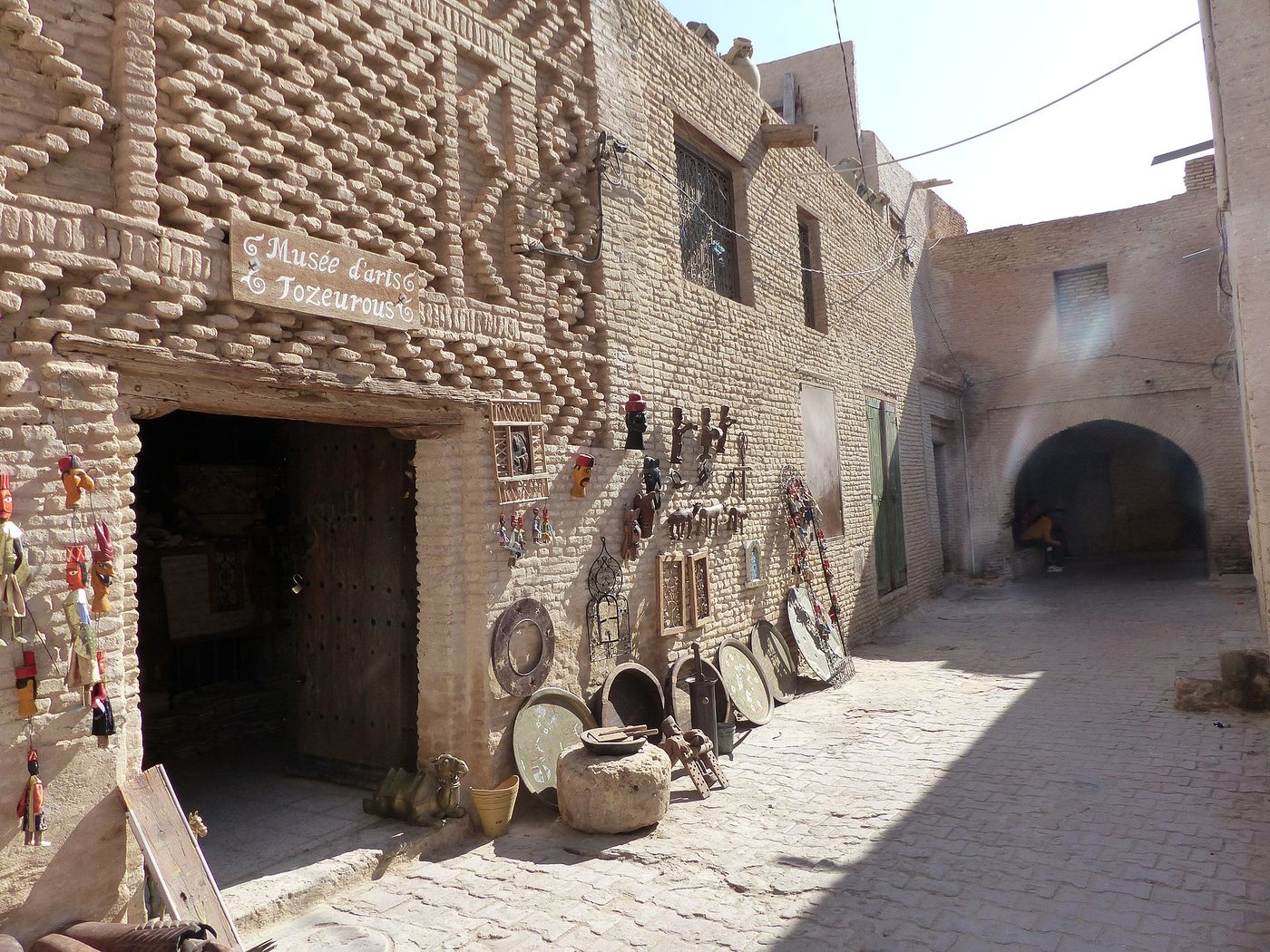
All images via Wikimedia Commons, used with thanks: A calm © Michel Mougey (CC BY 3.0); Camels crossing golden Saharan dunes near Douz in southern Tunisia © Dennis G. Jarvis (CC BY-SA 2.0); The ochre-brick medina of Tozeur © Tsaag Valren (CC BY-SA 4.0).