By the Tunisia Tourism Guide team · Last updated 2 July 2026 · We don’t sell tours or take hotel commissions — this is independent advice.
November is where we get most honest with readers. It’s the month the cheap deals tempt people and the weather stops playing along with the beach fantasy. Expect a sunbathing holiday and you may grumble; expect a mild, quiet shoulder trip built around touring, spas and the desert, and November can be quietly wonderful.
Tunisia in November is a mild, quiet shoulder-season month, not a beach one. Expect days around 21°C on the coast, chilly nights near 13°C, and a sea cooling from about 20°C early on to too cool for most swimmers by the end. The landscape greens up, crowds thin and prices drop — ideal for touring, spas and the Sahara.
That’s the frank verdict, part of our wider guide to the best time to visit Tunisia; here we give November the honest, detailed treatment it deserves. We’d rather you had the trade-offs up front than felt short-changed on arrival — because with the right expectations, this is a lovely, low-cost time to go.
Tunisia in November: the weather at a glance
Here are the coastal averages for the Hammamet–Sousse belt. November is a proper shoulder month, so treat these as long-term norms and expect real variation — you might strike a run of warm, bright days or a cool, breezy spell.
| November (coast) | What to expect |
|---|---|
| Air high | Around 21°C — mild and pleasant, cooling as the month goes on |
| Air low (night) | Around 13°C — chilly evenings; you’ll want a proper jacket |
| Sea temperature | Around 20°C early November, dropping through the month — brisk to too cool for most |
| Rainfall | Wetter than autumn; roughly 35–50mm over around a week of rain days |
| Sunshine | Around 6–7 hours a day; daylight down to about ten hours |
| Crowds & prices | Very quiet; among the lowest prices of the year |
The honest summary: November is spring-in-reverse. It’s mild and green and cheap, with the beach largely off the table but the touring, the culture and the desert all at their comfortable best.
Is Tunisia warm in November?
Mild is the fairer word. Coastal days average around 21°C — pleasant for walking a medina, exploring ruins or wandering a souk, and often warmer than a grey November back home. On a good day the sun feels lovely; on a cool, breezy day it can feel decidedly autumnal. It is not, by any stretch, sunbathing weather for most people, and the sea has cooled past the point where many will want to swim.
The bigger shift is the nights, which drop to around 13°C and can feel genuinely chilly — bring a proper jacket and a jumper, not just a light layer. Hotel pools will be cold unless heated, and evenings call for long sleeves. Down in the south and inland, the daytime warmth holds up better, which is exactly why November travellers should think beyond the beach resorts.
Early November vs late November
November cools noticeably from start to finish, and the two ends of the month feel different.
- Early November (the 1st to the 15th) still carries a whiff of autumn warmth — days can reach the low twenties and the sea is around 20°C, so the hardiest swimmers might still take a dip. It’s the better half for anything remotely beachy.
- Late November (the 16th to the 30th) tips towards winter — cooler days, colder nights, a sea that’s dropped below comfortable, and a higher chance of grey, wet spells. It’s firmly a touring-and-spa half of the month by then.
If any part of you is hoping for beach weather, book the first fortnight and keep your expectations gentle. If you’re here to tour and unwind, the whole month works and the back end is even quieter and cheaper.
Can you swim in the sea in Tunisia in November?
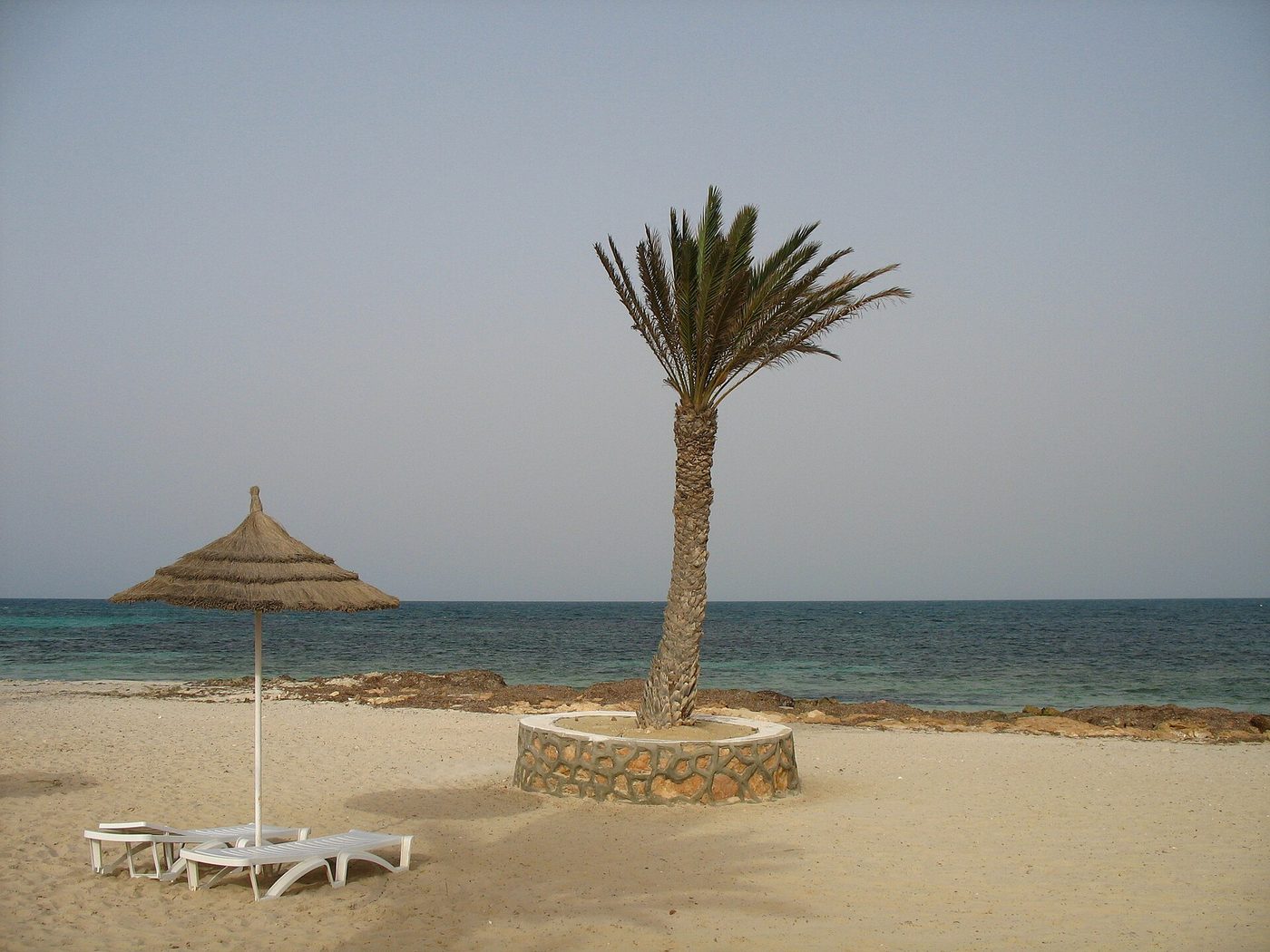
Early in the month, just about — the Mediterranean holds around 20°C in the first week or so, which cold-water Brits and dedicated swimmers will manage, especially on a sunny day. By mid-to-late November it slips below that and most people will find it too cool to enjoy. This isn’t a swimming holiday, and we’d not book November on the promise of the sea.
The exception, as ever, is the south: Djerba and the Gulf of Gabès run a couple of degrees warmer, so if a late-season dip matters to you, the island is your best shot. But honestly, November’s strengths lie elsewhere — the greener landscape, the empty ruins and the desert. Our guide to Tunisia’s beaches is worth a look for next time, but November is not the month to judge them by.
November weather resort by resort
Where you base yourself matters more in November than in high summer, because the regional gaps widen as the coast cools. Here’s the honest regional read.
Hammamet and Nabeul
Mild days around 20–21°C, chilly nights near 13°C and a sea cooling from 20°C early on. Hammamet is pleasant for walks along the bay and around the old town, and its thalassotherapy spas come into their own now — more on those below. It’s a comfortable, low-key base for a touring-and-relaxing trip; see our Hammamet guide.
Sousse and Port El Kantaoui
Similar to Hammamet — low-twenties days, cool evenings — with the draw of the medina, the ribat and the quiet off-season marina at Port El Kantaoui. Good for combining a little coastal time with day trips to Kairouan and El Djem. Our Sousse guide has the specifics.
Djerba
The southern island is Tunisia’s mildest coastal option in November, typically a couple of degrees warmer by day than the mainland and drier, with a sea that holds its warmth a little longer. If you want the gentlest November weather with the faint chance of a swim early in the month, Djerba is the pick.
Tunis and Carthage
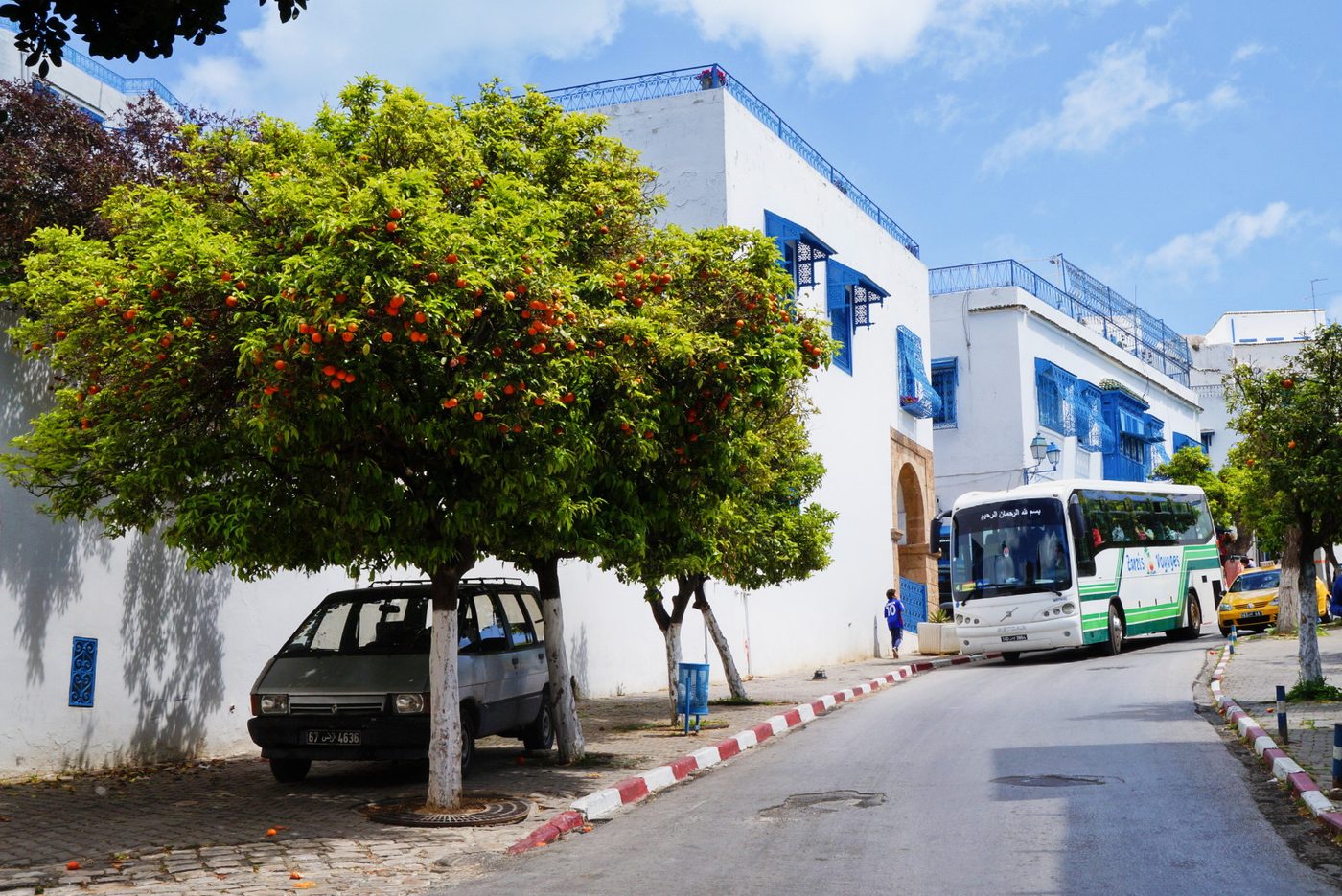
The capital is at its most comfortable for sightseeing in November — mild, uncrowded and green, ideal for the Bardo Museum, the ruins of Carthage and the lanes of Sidi Bou Said without the summer heat or the summer coaches. Expect low-twenties days and cool evenings; pack for both. It’s a strong culture base — our Tunis guide maps it out.
The Sahara — Tozeur and Douz
This is where November genuinely shines. Inland around Tozeur and Douz, daytime desert temperatures settle into a very comfortable range — roughly 20–25°C — with clear skies and soft light, making November one of the finest months of the year for camel treks, dune walks and oasis visits. The catch is the nights, which fall towards single figures and can feel bitterly cold in the open, so a warm layer for a desert camp is non-negotiable. The date harvest is in full swing in the palmeries too. Start with our guide to the Tunisian Sahara.
What to do in Tunisia in November
Reframe November away from the beach and it opens up beautifully. This is a month for the interior, for culture and for the kind of slow, restorative break that summer crowds make impossible.
- Tour the Sahara. With comfortable days and empty dunes, November is prime desert season — an overnight trip from Douz or Tozeur is at its best. See our Tunisia excursions overview.
- Book a thalassotherapy spa. Tunisia is one of the world’s big thalasso destinations, and the cooler months are prime spa season — Hammamet and Sousse have some excellent seawater spas to hunker down in.
- Play golf. November’s mild, dry-ish days suit the courses around Hammamet, Sousse and Djerba, well away from summer heat.
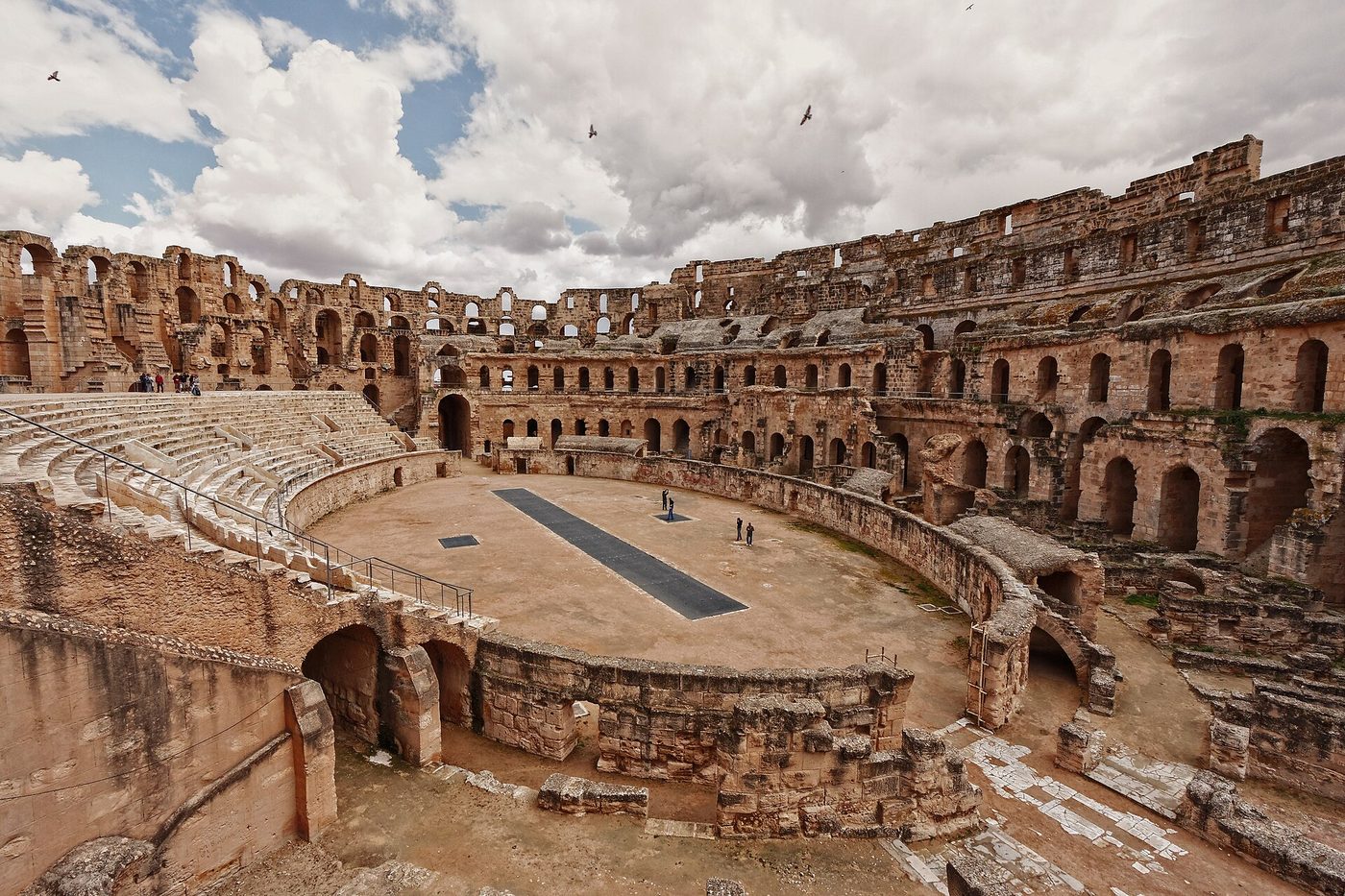
- Do the Roman ruins in comfort. El Djem, Dougga and Carthage are a pleasure in 21°C and near-empty — our Roman ruins guide ranks them.
- Follow the Star Wars trail. The desert film sets around Tozeur and Nefta are comfortable to visit now; here’s the Star Wars Tunisia route.
- Catch the Carthage Film Festival. Tunisia’s landmark film festival (Journées Cinématographiques de Carthage) tends to fall late in the year, often around November or December — dates move, so check the current year’s programme if you want to build a trip around it.
- Eat the autumn harvest. Olives, dates and citrus are all coming in; our Tunisian food guide points you to the good stuff.
To thread the coast, the culture and the desert into one trip, our Tunisia itinerary is a sensible framework for a November visit.
What to pack for Tunisia in November
November packing is layered and season-straddling — mild by day, cold by night, wetter than you might expect, and cold in the desert. Here’s the honest checklist.
| Bring | Why |
|---|---|
| Layers for mild days | Days around 21°C — think trousers, long sleeves, a T-shirt underneath |
| A warm jacket and a jumper | Nights drop near 13°C and can feel chilly; not a light-layer month |
| A proper rain jacket | November is wetter — expect a few rainy days across the trip |
| A warm fleece and hat for the desert | Sahara nights can approach freezing even after a mild day |
| Comfortable walking shoes | For ruins, medinas, oases and dunes |
| Swimwear (optional, early month) | Only if you’re a hardy swimmer or heading to a heated pool or spa |
| Sun cream and sunglasses | The midday sun is still bright, especially inland |
| Modest layers for sites | Shoulders and knees covered for mosques and holy places |
A practical must-know: the Tunisian dinar is a closed currency. You can’t buy it before you fly and can’t take it home, so change money on arrival, keep your receipts, and convert leftovers back before departure. Reckon on roughly £1 to 3.8–3.9 dinars in mid-2026, but check the current rate.
Crowds, prices and daylight in November
If value is your priority, November delivers it in spades. This is one of the quietest, cheapest months of the year — the summer crowds are a distant memory, resorts are calm and spacious, and hotel rates fall to among their lowest. You’ll rarely queue for anything, and the ruins and medinas can feel like they’re yours alone.
The trade-off is daylight and, to a degree, atmosphere: some seasonal beach bars and water-sports outfits wind down for winter, and the pace slows. Days shorten to around ten hours of daylight with roughly 6–7 hours of sunshine, so plan excursions for the earlier part of the day and don’t expect long light evenings. It’s worth knowing this before you book: a November day is best used with an early start, a proper lunch and a relaxed afternoon, rather than the long, lazy beach hours of high summer. If a lively resort atmosphere matters to you, lean towards the bigger, year-round bases such as Sousse, Hammamet Yasmine or Djerba, where enough hotels stay open to keep bars and restaurants busy; smaller seasonal resorts can feel very quiet indeed by late November. Wherever you stay, our where-to-stay guide helps you pick a base that still feels lively in the off-season.
Who is November in Tunisia good for?
November is a specific month for specific travellers — here’s the honest sort.
- Culture and history lovers — a top pick: mild days, empty ruins and comfortable sightseeing without the heat or crowds.
- Desert travellers — one of the best months of the year for the Sahara, with comfortable days and clear skies.
- Spa and wellness seekers — prime thalassotherapy season; ideal for a restorative, low-key break.
- Golfers — mild, dry-ish days suit the courses far better than summer heat.
- Budget travellers and couples wanting quiet — rock-bottom prices and peaceful resorts.
- Beach holidaymakers and families after guaranteed sun — the wrong crowd for November; you’ll be happier in September, or hopping to Djerba in winter. Our Tunisia with kids guide has better-timed options.
How November compares to October and December
November is the pivot month between the last of the beach season and the start of winter, and the choice around it is really about how much beach you still want.
- October is warmer and more beach-friendly — days around 25°C and a sea still swimmable at roughly 23–24°C — with the first showers only late in the month. If you want a genuine last shot at the beach alongside comfortable touring, step back to Tunisia in October.
- December is cooler and wetter still — the coldest coastal weather begins and it’s the wettest month — but the south comes into its own as a winter-sun escape, and the Douz Festival of the Sahara lights up the desert around Christmas. For winter-sun on Djerba and desert festivities, see Tunisia in December.
Put simply: October for the last of the beach, November for the quietest touring-and-spa shoulder, December for winter sun in the south and Saharan celebration. November is the country at its most peaceful and its best value — just not its sunniest.
Is Tunisia safe to visit in November?
November is no different from any other month on safety, and the places you’d actually visit — Hammamet, Sousse, Djerba, Tunis and the main Sahara circuit — all sit well away from the areas the UK Foreign Office advises against, chiefly the Chaambi Mountains and remote parts of the Algerian and Libyan borders. More than 11 million people visited Tunisia in a record 2025. We keep the exact FCDO wording, date-stamped, in our guide to whether Tunisia is safe — a sensible read before you book, particularly if you’re heading into the desert.
Tunisia in November: your questions answered
Is November a good time to visit Tunisia?
It depends what you want. For touring, culture, the Sahara, spas and golf, November is excellent — mild days around 21°C, empty sites, greener landscapes and rock-bottom prices. For a beach or sunbathing holiday it’s the wrong month, as the sea has cooled and days are only mild. Match it to the right trip and it’s a quiet gem.
Is Tunisia warm in November?
Mild rather than warm. Coastal days average around 21°C — pleasant for sightseeing and often warmer than home — but nights drop to about 13°C and can feel chilly. It’s comfortable for touring in layers, not for sunbathing. The south and the desert interior stay a little warmer by day.
Can you swim in the sea in Tunisia in November?
Only just, and only for the hardy. The sea holds around 20°C in early November, which cold-water swimmers will manage on a sunny day, but it cools below comfortable by mid-to-late month. This isn’t a swimming holiday; Djerba in the south is your warmest bet for an early-month dip.
Does it rain a lot in Tunisia in November?
It’s noticeably wetter than the autumn months, with roughly 35–50mm of rain across about a week of rain days on the coast. You’ll likely see a few showers over a trip, though plenty of dry, bright spells too. Pack a proper rain jacket and plan indoor or flexible options.
What is there to do in Tunisia in November?
Plenty, once you look past the beach: Sahara camel treks in comfortable weather, thalassotherapy spas, golf, near-empty Roman ruins, the medinas of Tunis and Sousse, the Star Wars film sets, and the date and olive harvest. Tunisia’s Carthage Film Festival often falls around now too — check the current dates.
Is November good for a Sahara desert trip in Tunisia?
It’s one of the best months for it. Daytime desert temperatures around Tozeur and Douz are a comfortable 20–25°C with clear skies, ideal for camel treks and dune walks. Just pack a warm layer — desert nights in November can approach freezing even after a mild day.
What’s the weather like in Hammamet in November?
Hammamet in November averages mild days around 20–21°C, chilly nights near 13°C and a sea cooling from about 20°C early in the month. Expect a mix of bright, pleasant days and cooler, wetter spells. It’s a comfortable base for walks, day trips and the town’s thalassotherapy spas rather than the beach.
How busy is Tunisia in November?
Very quiet — one of the least crowded months of the year. The summer crowds are long gone, resorts are calm and hotel prices fall to among their lowest. You’ll rarely queue and the ruins and medinas can feel almost private, though some seasonal beach facilities wind down for winter.
Is November cheaper than October in Tunisia?
Generally yes. As the weather cools and the beach season closes, November prices drop below October’s, making it one of the best-value months to book. You trade warm-sea beach days for mild touring weather, empty sites and lower costs — a good deal if the beach isn’t your priority.
What should I pack for Tunisia in November?
Layers for mild days, a warm jacket and jumper for chilly nights near 13°C, and a proper rain jacket as it’s wetter now. Add a warm fleece and hat if you’re doing a desert night, comfortable walking shoes, sun cream and sunglasses, and modest cover-ups for mosques and holy sites.
When is the Carthage Film Festival?
The Journées Cinématographiques de Carthage, Tunisia’s flagship film festival, typically takes place late in the year — often around November or December, with recent editions running in December. The dates shift each year, so check the current programme if you want to plan a trip around it.
Should I choose November or October for Tunisia?
Choose October if you want a genuine last shot at the beach with a still-swimmable sea and warmer days, plus comfortable touring. Choose November for the quietest, cheapest, greenest shoulder trip built around the Sahara, culture and spas, accepting that the beach is largely off the table. October for the coast; November for the interior.
Written by the Tunisia Tourism Guide team — an independent UK-focused guide to travelling in Tunisia. We don’t sell tours or take hotel commissions. Weather figures are long-term averages and prices were checked at publication; always confirm current forecasts and rates before you book.
Photo credits
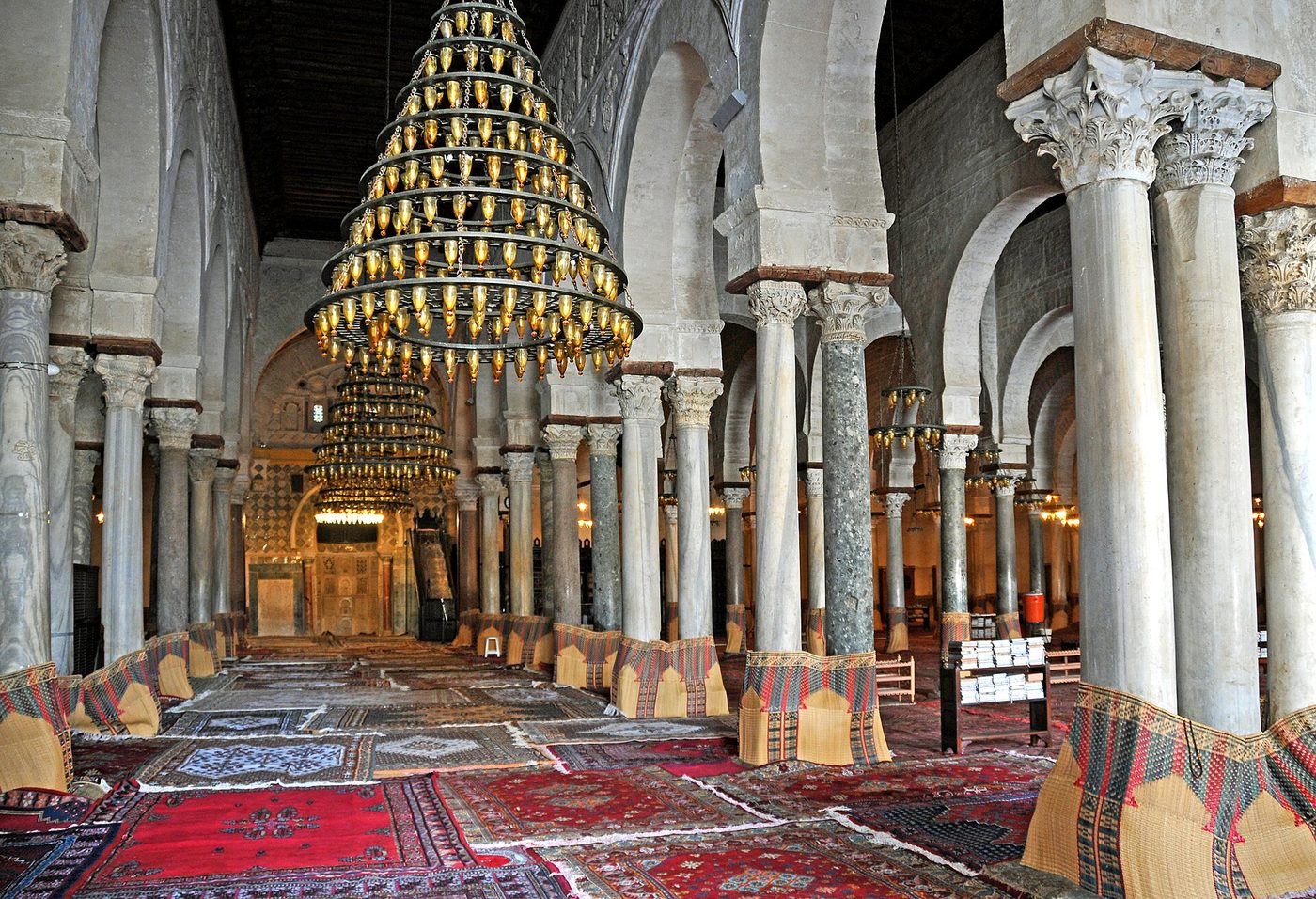
All images via Wikimedia Commons, used with thanks: The Great Mosque of Kairouan © Dennis G. Jarvis (CC BY-SA 2.0); The blue-and-white lanes of Sidi Bou Said near Tunis © Rene Cortin (CC BY-SA 4.0); The Roman amphitheatre at El Djem © Agnieszka Wolska (CC BY-SA 3.0).