By the Tunisia Tourism Guide team · Last updated 22 August 2026 · We don’t sell tours or take hotel commissions — this is independent advice, written to be useful.
Hammamet turns up in every UK package brochure and on every “cheap winter sun” list, which is exactly why it’s hard to get a straight answer about it. Tour operators gush; a certain kind of traveller sniffs that it’s not the “real” Tunisia. Both are selling you something. So here’s the fence-sitter’s version — what Hammamet actually does well, where it genuinely falls short, and the sort of person who’ll love it versus the sort who’ll spend the week faintly disappointed.
So, is Hammamet worth visiting? Yes — for a good-value, sandy family or couples’ beach holiday with a walkable old town and excellent day trips on the doorstep, it’s one of the easiest sunshine weeks going. Give it a miss if you’re chasing authentic local life, lively nightlife or faultless five-star service to a British standard.
We’ll walk through the real draws and the honest cons below, with a clear “book it if… / skip it if…” table and a who-it-suits section. This is the candid companion to our main Hammamet guide, and if the verdict lands well, your next click should be our pick of the best day trips from Hammamet — because that’s where a Hammamet week really earns its money.
At a glance: is Hammamet right for you?
The quick-scan version before the detail. If most of these line up with what you want, book with confidence; if you’re stalling on the bottom three rows, read on carefully.
| What you’re after | Does Hammamet deliver? |
|---|---|
| Sandy beaches and warm sea | Yes — long, soft-sand beaches, gently shelving |
| A family beach holiday | Yes — one of Tunisia’s best value family bases |
| An easy first-timer’s trip | Yes — short transfer, walkable, well set up |
| A base for sightseeing | Yes — superb; Tunis, Carthage and Cap Bon are close |
| Culture and history on the doorstep | Some — a small medina and Roman Pupput; save the big sites for day trips |
| Buzzing nightlife | Not really — quiet after 11pm |
| Authentic local life and food | No — it’s the most touristy resort in Tunisia |
| Faultless luxury service | Patchy — star ratings run inflated |
What Hammamet gets right
Let’s start with the case for, because it’s a strong one — this town has been the favourite of European sun-seekers since the 1960s for good reasons.
The beaches are genuinely good
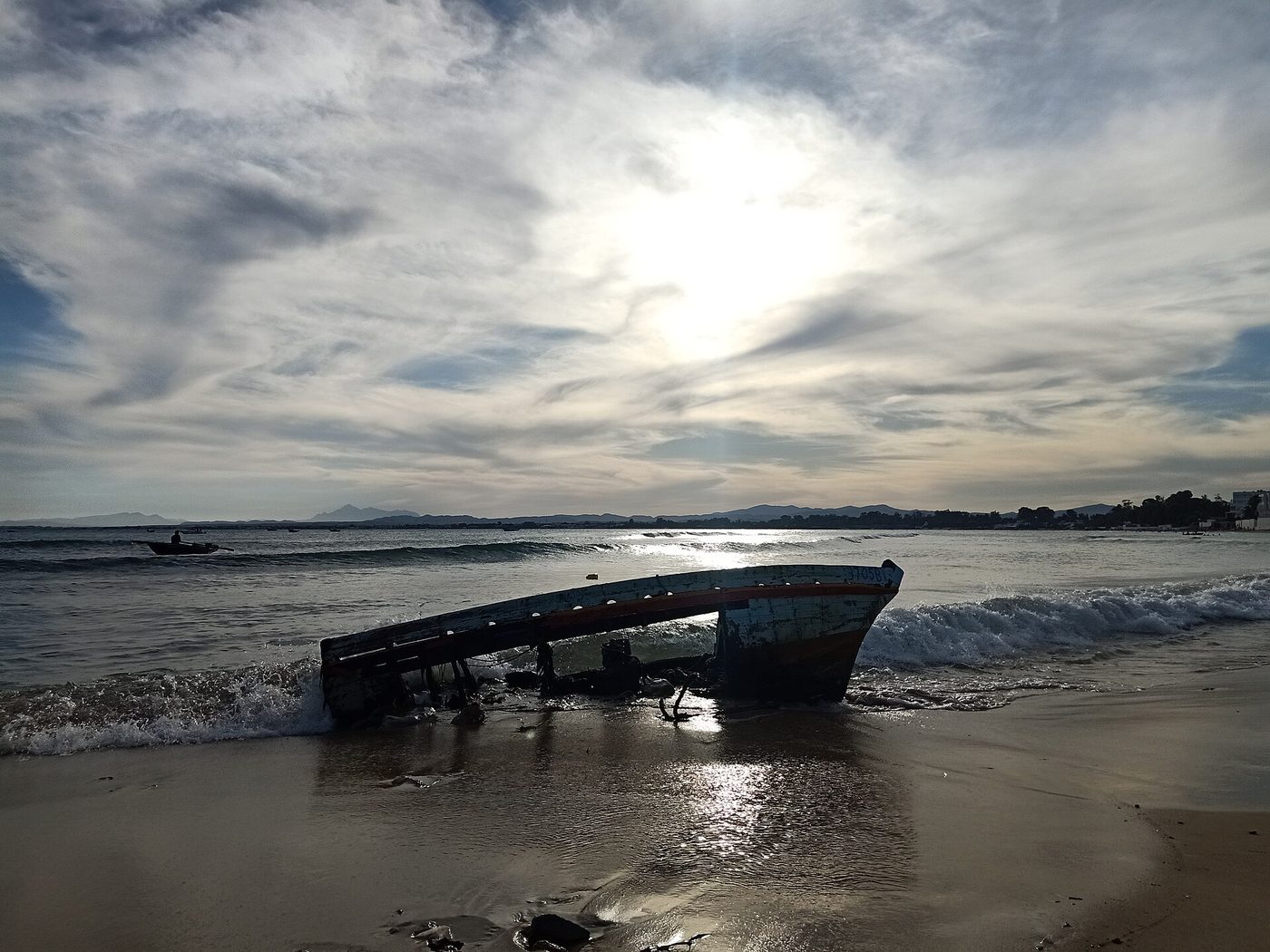
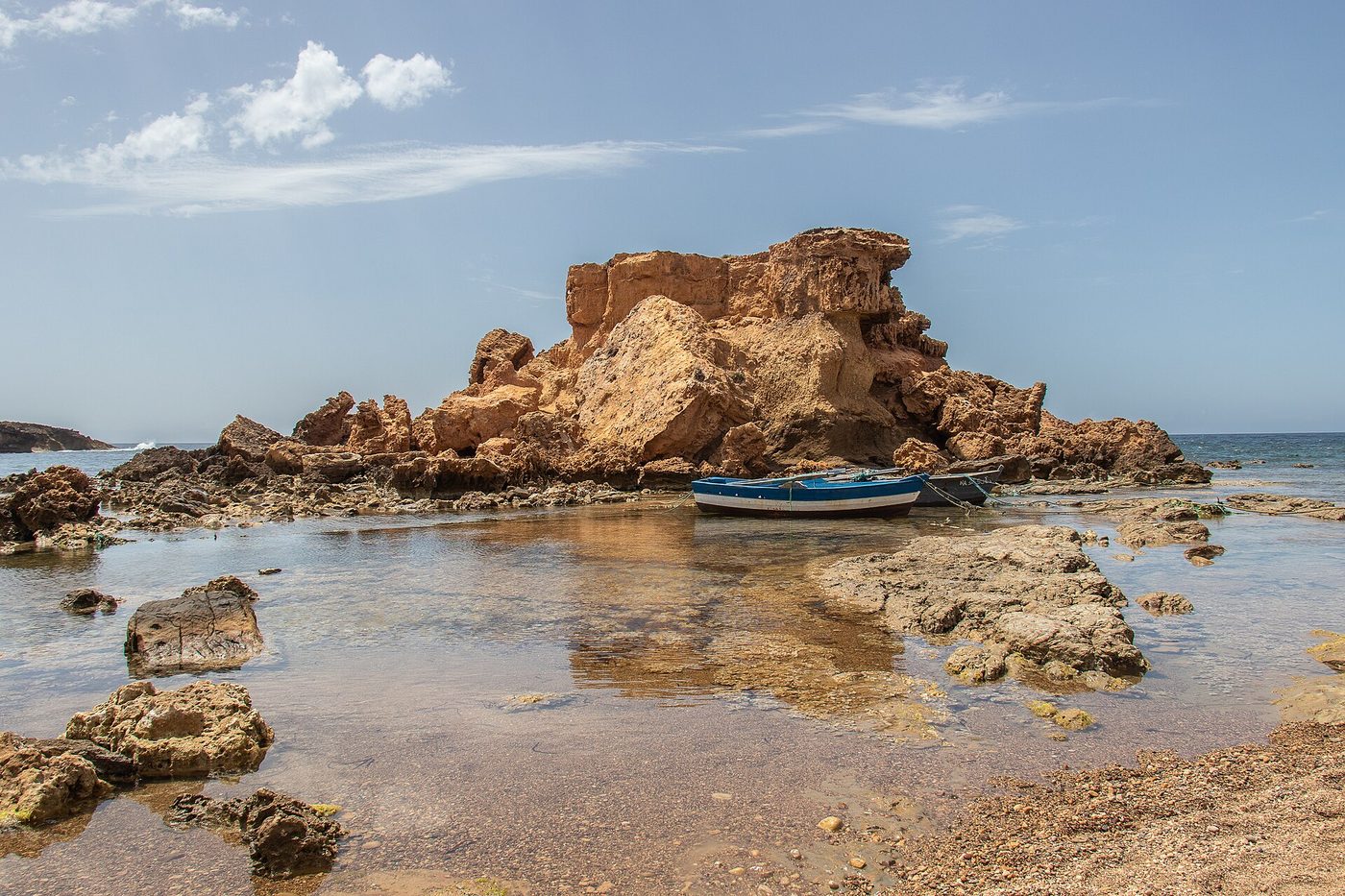
This is the headline, and it holds up. Hammamet’s beaches are long, wide and soft-sanded, sloping gently into a warm, calm sea — the kind of shallow, forgiving water that’s ideal for children. In the many comparisons UK travellers make with its rival down the coast, Hammamet usually wins on beach quality, with finer sand and clearer water. The bay curves for miles towards Nabeul, so even in summer you can walk to a quieter stretch. It’s not flawless — you’ll find the odd patch of seaweed, and the far Yasmine end can get litter in places — but as a beach base it’s the real deal. Our Hammamet beach guide goes into which stretches are best.
The old town is a proper little medina
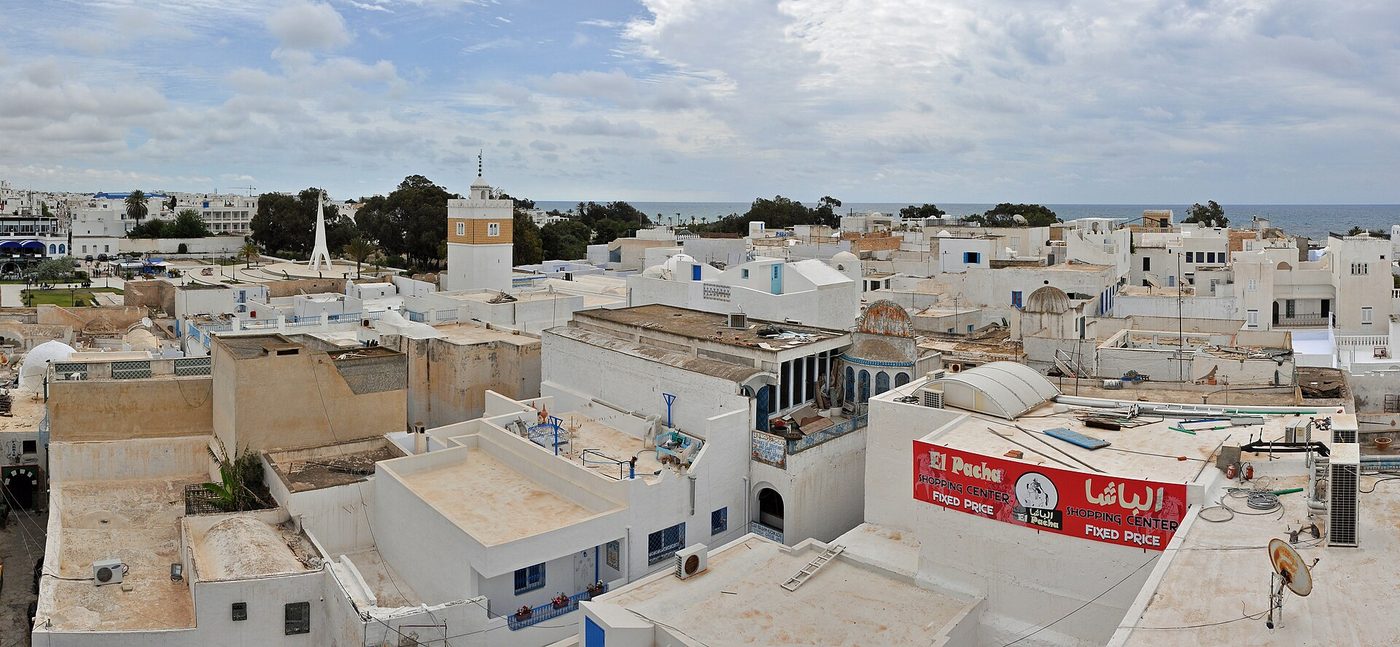
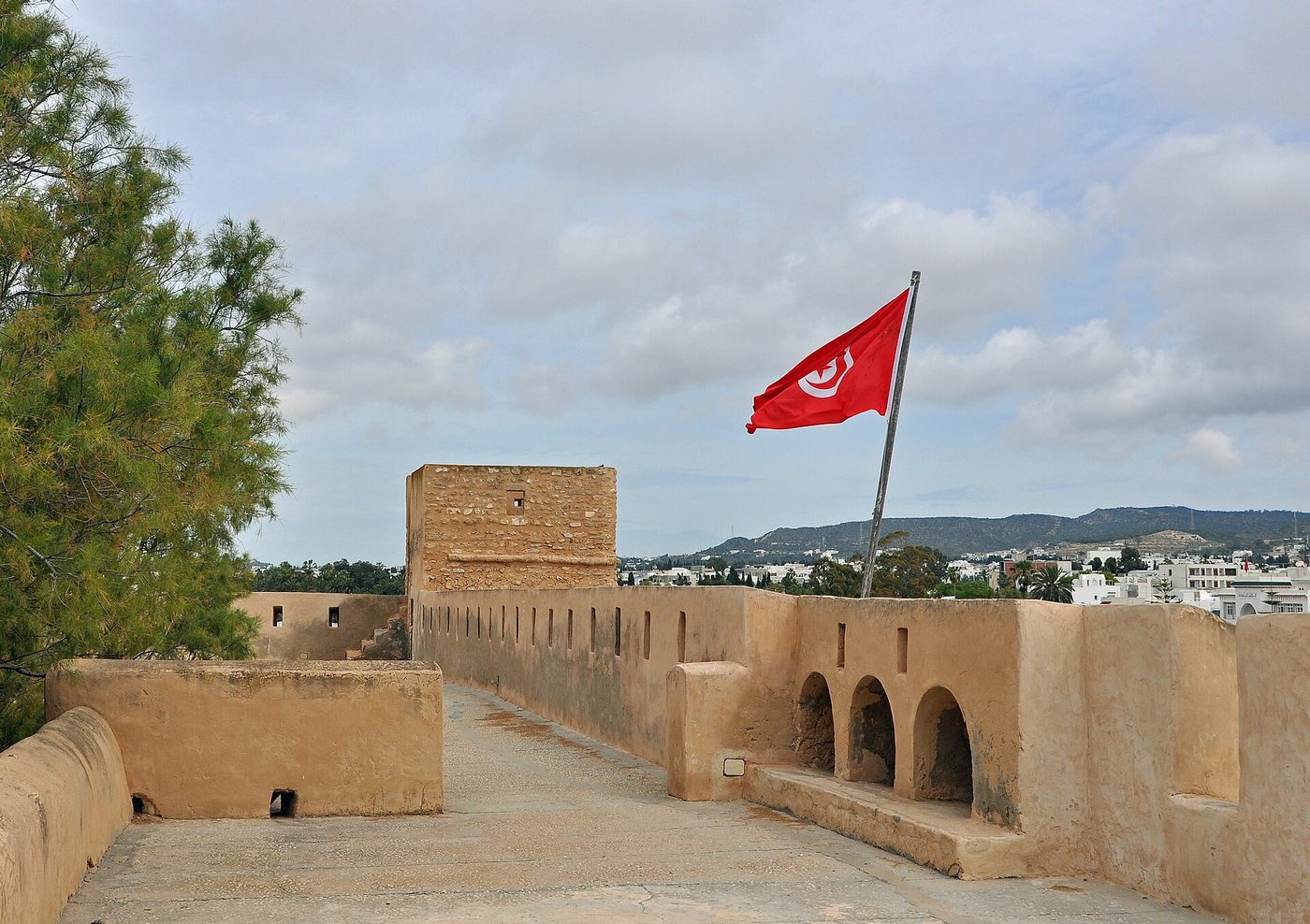
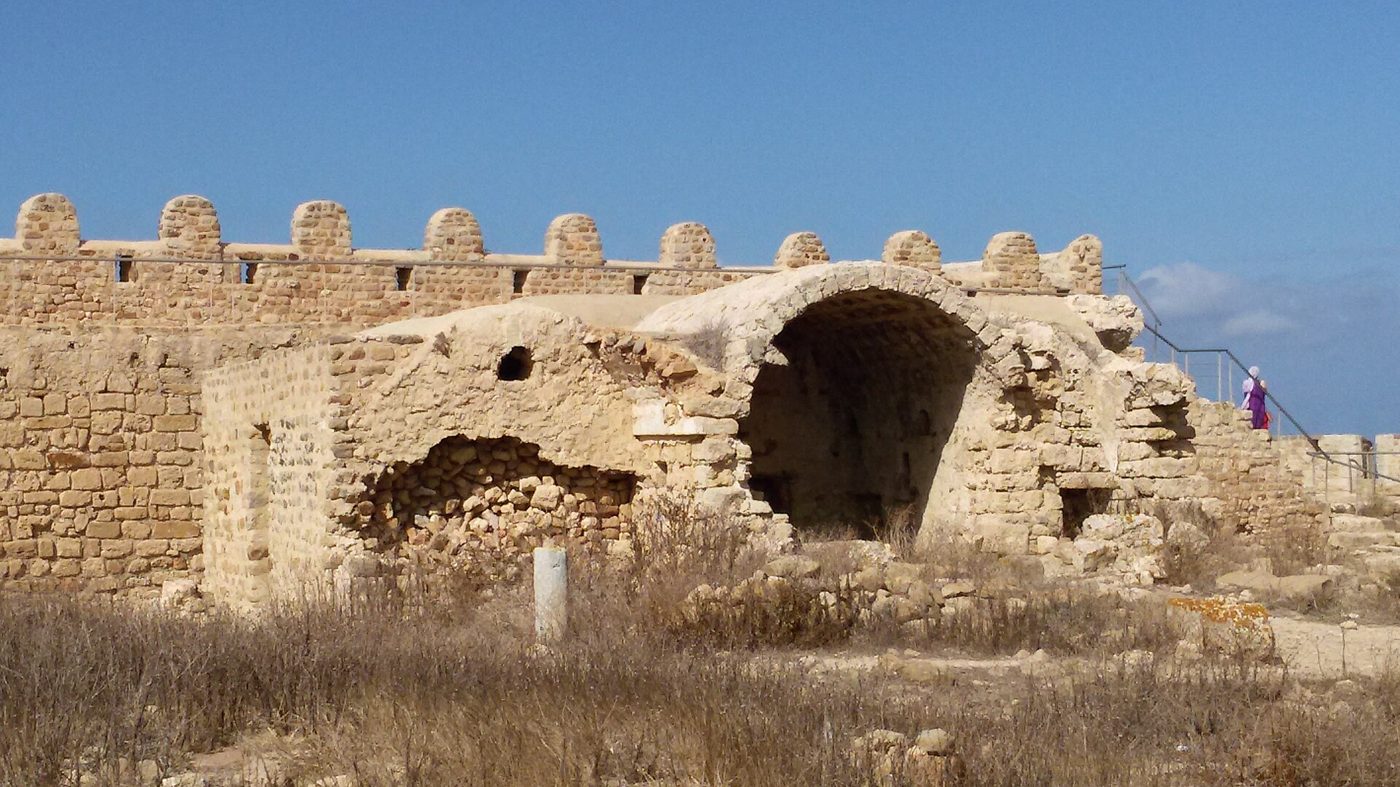
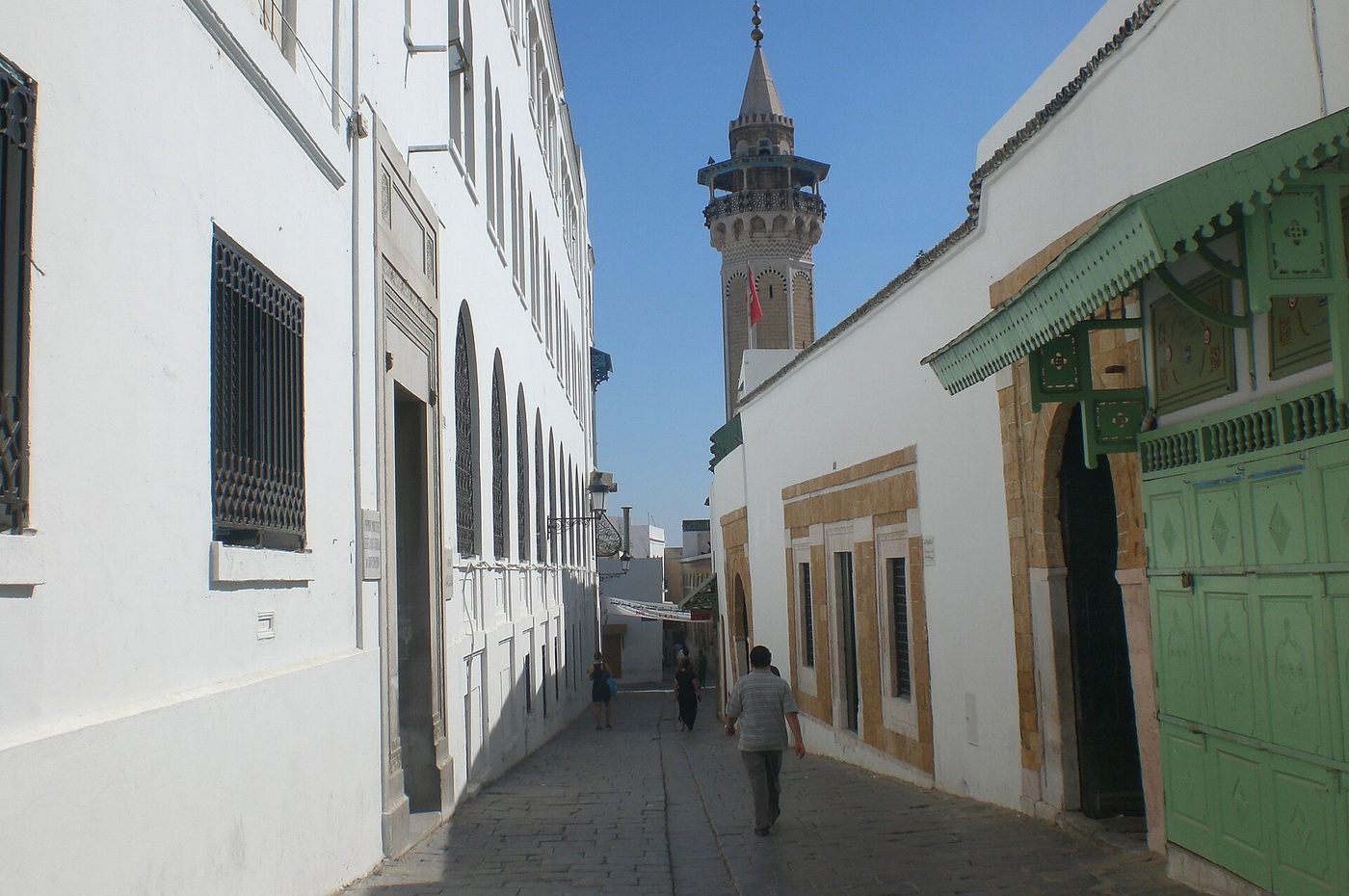
Hammamet’s historic core is small but genuinely charming — a walled medina of blue-and-white houses, narrow cobbled lanes and ornate studded doors, with a compact souk you can wander in an afternoon. Its walls date back some 800 years, and unlike the purpose-built shopping zones elsewhere in town, this feels like a real place. Crowning it is the kasbah, an old sea-facing fortress you can climb for a modest entry fee (around 8 dinar in 2026 — check current); the rooftop café, where you can nurse a mint tea among the treetops with the Mediterranean spread out below, is one of our favourite spots in the whole resort. There’s more in our dedicated Hammamet medina guide.
It’s calmer and greener than Sousse
If your image of a Tunisian resort is high-rise and hectic, Hammamet will pleasantly surprise you. Building heights here have long been kept low, there’s a lot of greenery and jasmine (the town’s name relates to baths, and its scent-of-choice, jasmine, gives Yasmine Hammamet its name), and the whole place runs at a gentler pace than busier, brasher Sousse. For couples and families who want relaxed over rowdy, that calm is a genuine selling point.
It’s the best sightseeing base in the country
This is the argument we’d lead with. Hammamet sits in the perfect spot for exploring the north — the capital, ancient Carthage and the blue-and-white village of Sidi Bou Said are only around 45 minutes to an hour away, Kairouan and El Djem are comfortable day trips, and the whole Cap Bon peninsula is on your doorstep. Few beach resorts anywhere give you this much history within a morning’s drive. It’s the single best reason to choose Hammamet over a more remote resort, and it’s why our day trips guide is the natural next read.
Strong-value family hotels and an easy transfer
Hammamet is one of the best-value spots in the Mediterranean for a family all-inclusive, with the newer resort strip built around kids’ clubs, pools and waterparks for noticeably less than Spain, Greece or Turkey. The transfer helps too: Enfidha airport, served by plenty of UK charter and budget flights, is only around 40 to 45 minutes away — a real bonus with tired children. Our guide to Tunisia family resorts rounds up the strongest hotels, and where to stay in Hammamet breaks down the different zones.
The honest cons UK travellers report
Now the other side, because we said we wouldn’t do glossy. None of these are dealbreakers on their own, but they’re the things that turn a minority of visitors off — and if any of them is a hard no for you, better to know now.
The Yasmine zone can feel purpose-built
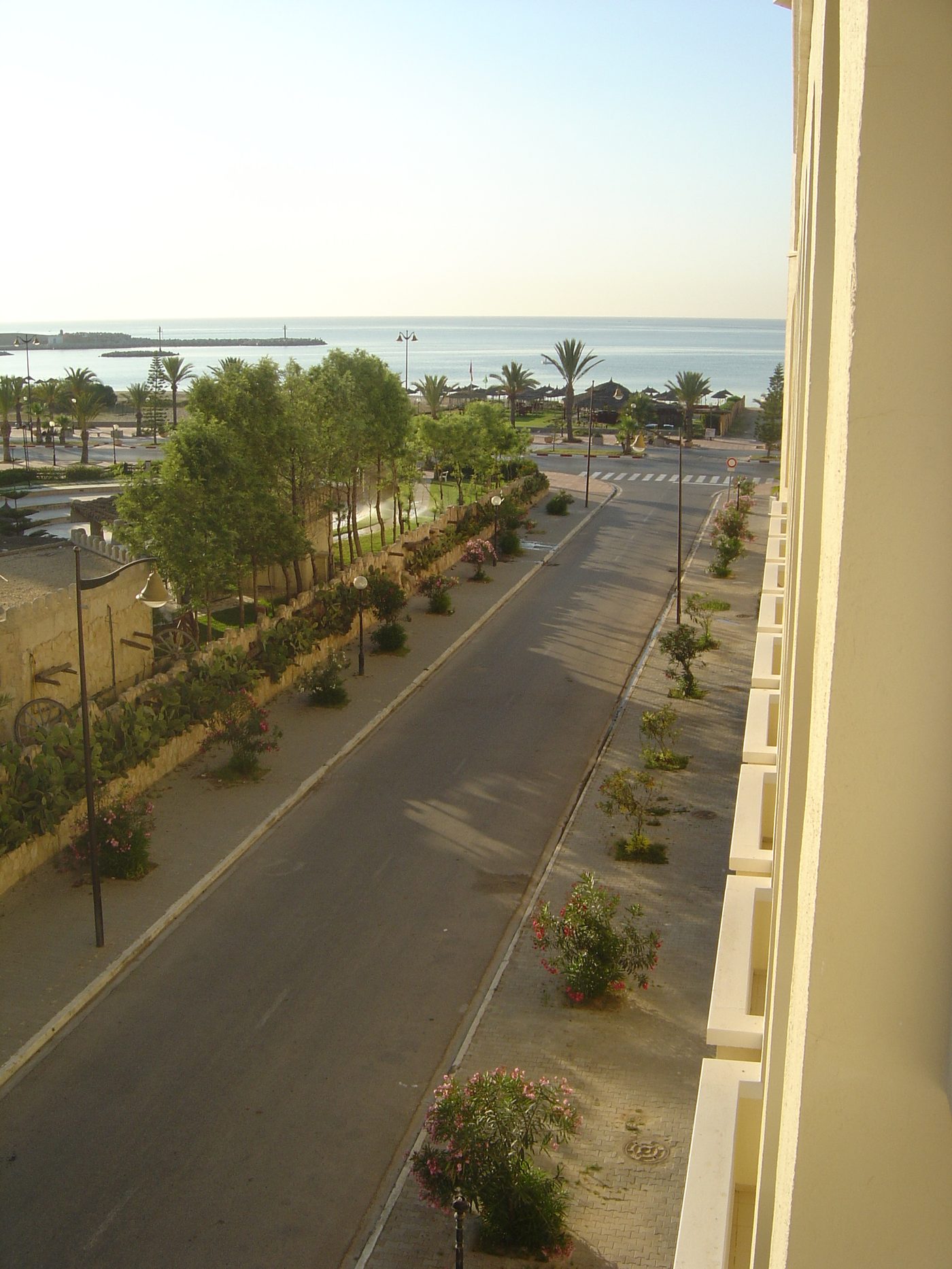
Modern Yasmine Hammamet, the resort strip to the south, is where a lot of the big hotels sit, and it divides opinion. The marina and promenade are pleasant enough for an evening stroll, but its centrepiece — the “Medina Mediterranea”, a mock-medina of shops, hotels and a Carthage Land theme park built in the 1990s to imitate a traditional old town — can feel soulless and stagey next to the real medina up the coast. If you want atmosphere rather than a tourist-village facsimile, stay nearer the old centre.
Vendor hassle, in the souk and on the sand
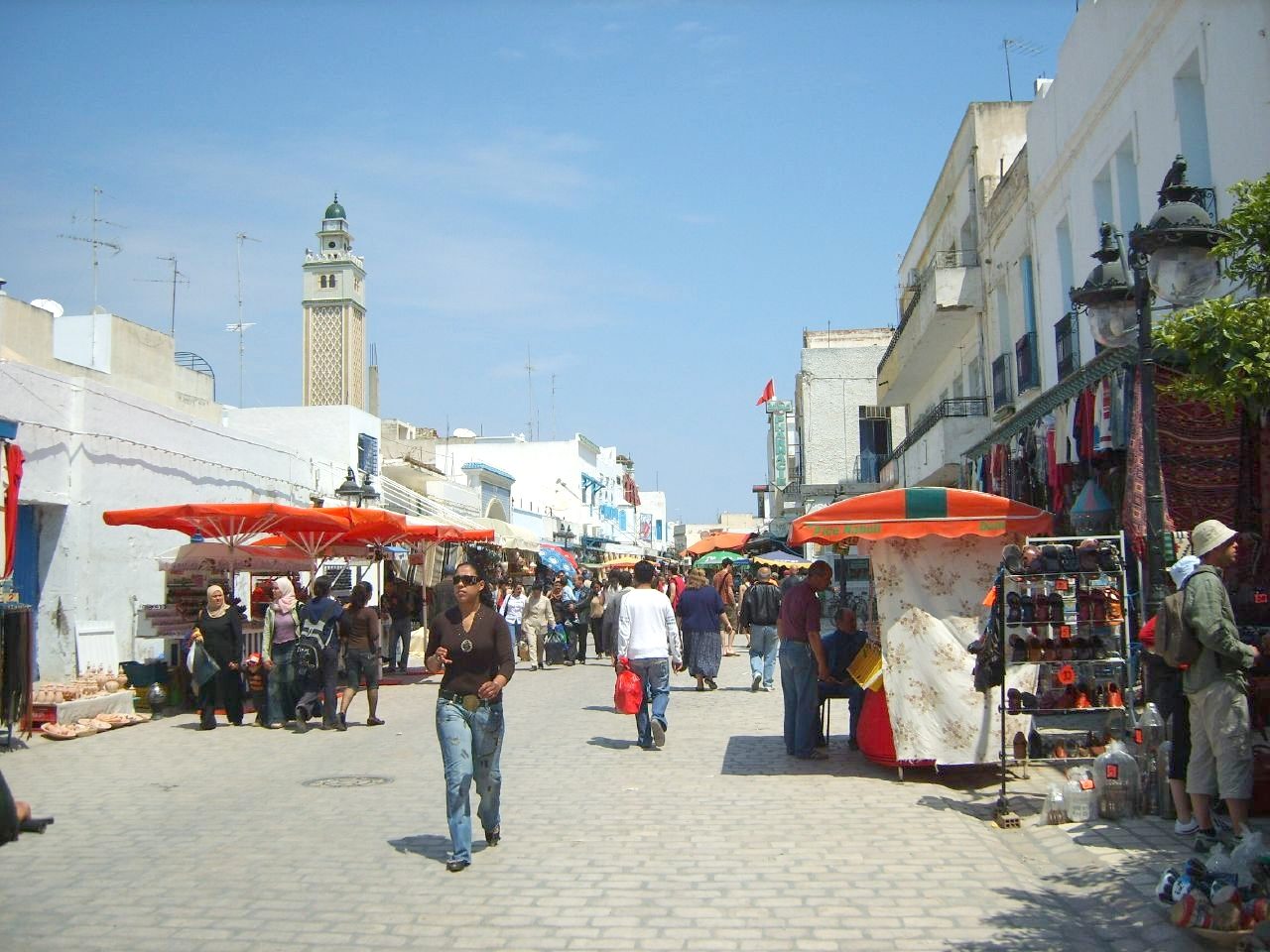
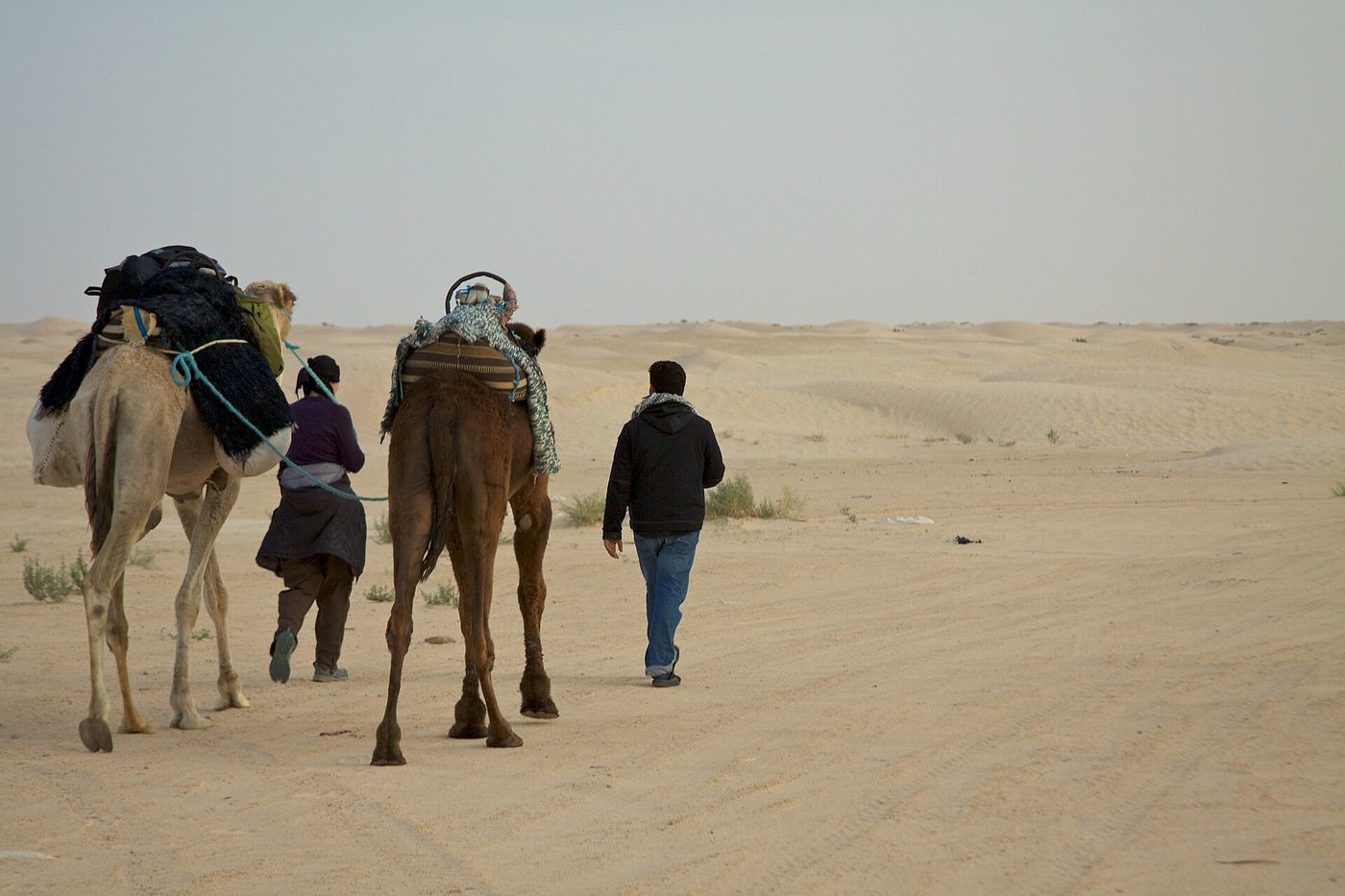
This is the most common complaint we see. In the medina souk, some traders open with wildly inflated prices — an item that costs 10 to 15 dinar elsewhere might be quoted at ten times that — and a few use tired tricks, like claiming to work at your hotel to build false trust. On the beach, you’ll be approached by sellers offering bracelets, and by camel and horse handlers who have been known to charge to get on and then again to get off. Plenty of visitors find a firm, friendly “no thank you” is enough and the vendors good-humoured; others find it wearing. Haggle hard, keep it light, and don’t be rushed.
Resort service and quality can be variable
Tunisian hotel star ratings tend to run about a notch above what a British guest expects — a “five star” can feel like a strong four, a “four” like a three — and buffet quality and service vary from hotel to hotel and week to week. There are excellent resorts here, but the star count on the brochure won’t tell you which; recent guest reviews will. Prices in restaurants and shops also run higher than the rest of Tunisia, thanks to the resort economy and a sizeable community of European (often Italian and French) residents.
It’s not a nightlife town
There are bars, and because of the European influence alcohol is easy to find, but Hammamet is quiet after about 11pm and it is not a clubbing destination. If big nights out are the point of your holiday, Sousse down the coast has far more of that energy. Hammamet’s evenings are more about a long seafront dinner and a stroll by the marina than a dancefloor.
Shoulder-season weather is a gamble
Hammamet is superb from roughly May to October, and the spring and autumn shoulders (April–June and September–October) are our favourite windows — warm, quieter and better value. But push into the true off-season and it’s a punt: winter can be cool and wet, the sea drops to bracing, and some resorts and attractions close down entirely. If you’re chasing guaranteed winter sun, manage your expectations and check the forecast — our best time to visit Tunisia guide has the month-by-month detail.
Book Hammamet if… / Give it a miss if…
The whole verdict, boiled down to two columns. Be honest with yourself about which side you fall on.
| Book Hammamet if… | Give it a miss if… |
|---|---|
| You want a sandy, good-value beach week | You want authentic local life and home cooking |
| You’re travelling with children | Nightlife and clubbing are the point of your trip |
| You want a base for day trips to Tunis, Carthage and Cap Bon | You expect faultless five-star service |
| You’re a first-timer who wants an easy, low-stress landing | Being approached by vendors really grates on you |
| You like a walkable old town right on the water | You want a remote, undeveloped, off-the-beaten-track feel |
| You want a short airport transfer | You’re after a lively, big-city buzz |
Who Hammamet suits — and who won’t love it
Verdicts are personal, so here’s how it shakes out by traveller type.
Families
A resounding yes. The gently shelving sand, the value all-inclusives with kids’ clubs and waterparks, the short transfer and the easy add-on excursions make Hammamet one of the best family beach bases in the Mediterranean for the money. This is the group we’d recommend it to most confidently.
Couples
Yes, with a caveat. For a relaxed beach-and-sightseeing week — mornings on the sand, a day in Tunis, sunset mint tea on the kasbah roof — it’s lovely. Just don’t come expecting a buzzy romantic-city-break atmosphere or a big night scene; Hammamet’s charms are quiet ones.
First-time visitors to Tunisia
Ideal. Hammamet is the softest possible landing — easy to reach, easy to navigate, well set up for tourists, with a real (if small) slice of Tunisian history in the medina and the country’s headline sights within day-trip range. If you’re still deciding on the country itself, our honest take on whether Tunisia is worth visiting is a good place to start.
Culture-and-history travellers using it as a base
Yes — provided you treat the resort as a launchpad, not the destination. Hammamet’s own cultural offering is modest (the medina, the kasbah, the Roman ruins at Pupput on the edge of town, and the lovely Dar Sebastian villa and its clifftop amphitheatre). The real history is a drive away, and Hammamet’s location makes reaching it painless.
Who won’t love it
Independent travellers hunting authentic local life, foodies after regional home cooking, party-seekers and anyone who bristles at a tourist-focused resort economy will likely come away underwhelmed — this is, frankly, the most touristy beach town in the country. Solo female travellers should also go in clear-eyed: some report a degree of unwanted attention and persistence, particularly around the souk. It’s widely considered a safe, mainstream destination, but for the specifics see our is Hammamet safe guide. (For the record, the FCDO’s advice-against-travel zones are all remote border and mountain areas, far from Hammamet — that was still current when we last checked, on 19 June 2026, last updated 23 February 2026.)
Hammamet vs Sousse vs Djerba
Most people weighing up Hammamet are really choosing between it and one of two rivals. Here’s the short version.
Versus Sousse: Hammamet has the better beaches, a calmer feel and stronger value on family all-inclusives; Sousse is a bigger, livelier working city with a UNESCO-listed medina, the Ribat fortress and far more nightlife. Pick Hammamet for relaxed and sandy, Sousse for buzz and a bit more grit. We compare them properly in Hammamet or Sousse.
Versus Djerba: Hammamet wins hands-down on access — it’s an hour from Tunis and Carthage, whereas the southern island of Djerba means a long drive or a domestic flight. Djerba, though, is calmer, more distinctive and richer in its own culture, with warm shallow water that stretches the season later into autumn. Choose Hammamet as a sightseeing base, Djerba to settle into one gentle island. The full head-to-head is in Djerba or Hammamet.
The verdict: is Hammamet worth visiting?
For the right traveller, yes — comfortably. If you want a good-value, sandy, low-stress beach holiday, especially with children, and you’ll use the resort as a base to see Tunis, Carthage, Cap Bon and Kairouan, Hammamet is one of the smartest choices in the Mediterranean. The beaches deliver, the old medina has real charm, the transfer is short, and no rival resort in Tunisia sits so close to so much history.
Go in with clear eyes, though. This is an unashamedly tourist-focused town, not a window into everyday Tunisian life; the souk hassle is real, hotel quality varies, and the nightlife is muted. Accept Hammamet for what it is — a relaxed, well-placed, family-friendly beach base — rather than what it isn’t, and it’s very easy to have a genuinely good week. Just do yourself one favour and don’t spend all seven days on the lounger: the best of Hammamet is what you can reach from it, so book at least a couple of day trips before you go.
Is Hammamet worth visiting: your questions answered
Is Hammamet worth visiting?
Yes, for a good-value, sandy beach holiday with a walkable old town and superb day trips nearby — especially for families, couples and first-time visitors to Tunisia. It’s less suited to travellers after authentic local culture, lively nightlife or faultless luxury service. Treat it as a relaxed base rather than a cultural deep-dive and you’ll enjoy it.
Is Hammamet nice?
Generally, yes. It’s greener, lower-rise and calmer than many Tunisian resorts, with long soft-sand beaches, a pretty walled medina and a sea-facing kasbah. The main gripes are vendor hassle in the souk and on the beach, and a modern resort strip that can feel purpose-built. For a relaxed sun-and-sightseeing week, most UK visitors find it very nice indeed.
What is Hammamet like?
Hammamet is a long-established beach resort on Tunisia’s Cap Bon coast, split roughly into the historic old town (medina, kasbah, souk), a middle zone with Roman ruins and a cultural villa, and the modern Yasmine Hammamet resort strip with its marina and mock-medina. It’s touristy and relaxed, with good beaches, easy day trips and a European-influenced, holiday-town feel.
Is Hammamet better than Sousse?
It depends what you want. Hammamet has better beaches, a calmer atmosphere and stronger value on family all-inclusives. Sousse is a bigger, livelier city with a UNESCO-listed medina, the Ribat fortress and much more nightlife. Choose Hammamet for a relaxed, sandy family week; choose Sousse if you want more buzz and a proper working town.
Is Hammamet or Djerba better?
Hammamet is far easier to reach and much closer to the big sights — Tunis and Carthage are about an hour away — making it the better sightseeing base. Djerba is a calmer, more distinctive southern island with warm shallow water and its own rich culture, but it’s a long drive or a flight away. Pick by whether you want to explore or settle in.
Is Hammamet good for families?
Very much so. It’s one of the best-value family beach bases in the Mediterranean, with gently shelving sandy beaches, all-inclusive resorts geared around kids’ clubs and waterparks, and a short 40-to-45-minute transfer from Enfidha airport. Easy day trips like a Roman amphitheatre or a camel ride add adventure. It’s our top recommendation for first-time family visitors to Tunisia.
Is Hammamet good for couples?
Yes, for a relaxed beach-and-sightseeing break — think mornings on the sand, a day exploring Tunis, and sunset mint tea on the kasbah rooftop. It’s calmer and prettier than Sousse. Just don’t expect a lively romantic city-break vibe or much of a nightlife scene; Hammamet’s appeal is gentle and low-key rather than glamorous.
Is there much to do in Hammamet?
In the town itself, a fair bit for a day or two: the medina and souk, the kasbah and its rooftop café, the seafront promenade, the Roman ruins at Pupput and the Dar Sebastian cultural villa. But the real draw is what’s nearby — the town is best used as a base for day trips to Tunis, Carthage, Kairouan, El Djem and Cap Bon.
Is Hammamet good for nightlife?
Not especially. There are bars and, thanks to the European influence, alcohol is easy to find, but the town is quiet after around 11pm and it isn’t a clubbing destination. Evenings are more about long seafront dinners and marina strolls. If nightlife is a priority, Sousse down the coast has considerably more of it.
Is Hammamet safe?
Hammamet is widely regarded as a safe, mainstream tourist destination and sits far from any area the FCDO advises against visiting (those are all remote border and mountain zones). Take the usual precautions against petty theft in crowded spots, and see our dedicated Hammamet safety guide for the current, date-stamped detail before you travel.
When is the best time to visit Hammamet?
Roughly May to October for a beach holiday, when the sea is warm and rain is scarce. Our favourite windows are the shoulder months — April to June and September to October — for warm weather, thinner crowds and better prices. Winter can be cool and wet with some resorts closed, so it’s a gamble for guaranteed sun.
How many days do you need in Hammamet?
Three to five days lets you enjoy the beach, explore the medina and kasbah, and fit in a day trip or two. For a full sun-and-sightseeing week, seven days is ideal — spend some on the sand and the rest reaching Tunis, Carthage, Kairouan or the Cap Bon peninsula, which is where a Hammamet holiday really shines.
Written by the Tunisia Tourism Guide team — an independent, UK-focused guide to travelling in Tunisia. We don’t sell tours or take hotel commissions. Prices and advice were checked at publication; always confirm current details before you book.
Photo credits
All images via Wikimedia Commons, used with thanks: The long soft-sand beach at Hammamet sloping gently into a © RAFFA Ranya (CC BY-SA 4.0); A blue-and-white cobbled lane in the historic walled medina of © Marc Ryckaert (MJJR) (CC BY 3.0); The sea-facing kasbah fortress beside the medina of Hammamet © Marc Ryckaert (MJJR) (CC BY 3.0); Looking out to sea from the promenade at Yasmine Hammamet © Nono vlf (CC BY-SA 3.0).
One response to “Is Hammamet Worth Visiting?”
[…] detail. If you’re weighing Nabeul against a beach day or wondering how it fits a wider trip, whether Hammamet is worth visiting and our list of things to do in Tunisia will help you slot it […]